
Can You Cut Acrylic With a Circular Saw? Find Out the Surprising Truth!
Yes, acrylic can be cut with a circular saw. Acrylic, a versatile plastic material, can be easily cut with a circular saw, making it a popular choice for DIY projects and construction purposes.
Circular saws equipped with a carbide-tipped blade specifically designed for cutting plastics are highly effective in creating clean and precise cuts in acrylic sheets. The process entails marking the desired cutting line on the acrylic sheet, clamping it securely, and using the circular saw to make steady, controlled cuts along the marked line.
It is crucial to wear appropriate safety gear, such as goggles and gloves, when cutting acrylic with a circular saw to protect against potential debris or shards. Overall, utilizing a circular saw is a practical and efficient method for cutting acrylic sheets to meet various project requirements.
The Composition Of Acrylic
Acrylic, a versatile and lightweight material, is commonly used in various manufacturing and DIY projects. Before exploring whether it’s possible to cut acrylic with a circular saw, it’s crucial to delve into the composition of this unique material.
Understanding The Chemical Makeup Of Acrylic
Acrylic, also known as polymethyl methacrylate (PMMA), is made from a synthetic polymer that contains methyl methacrylate (MMA) monomers. The composition of acrylic is crucial in determining its properties and how it can be effectively worked with in different applications.
Strengths And Weaknesses Of Acrylic
The inherent strengths of acrylic, including its high transparency, impact resistance, and UV stability make it an ideal choice for various projects. However, its vulnerability to scratches and solvents could pose challenges when working with it. Understanding the strengths and weaknesses of acrylic is essential for effective cutting and shaping processes.
Circular Saws: An Overview
When it comes to tackling various cutting projects, circular saws are an essential tool for both professional contractors and DIY enthusiasts. Their versatility, power, and ease of use make them an ideal choice for a wide range of applications. In this section, we will explore the basics of circular saws, including what they are, the different types available, and their common uses.
What Is A Circular Saw?
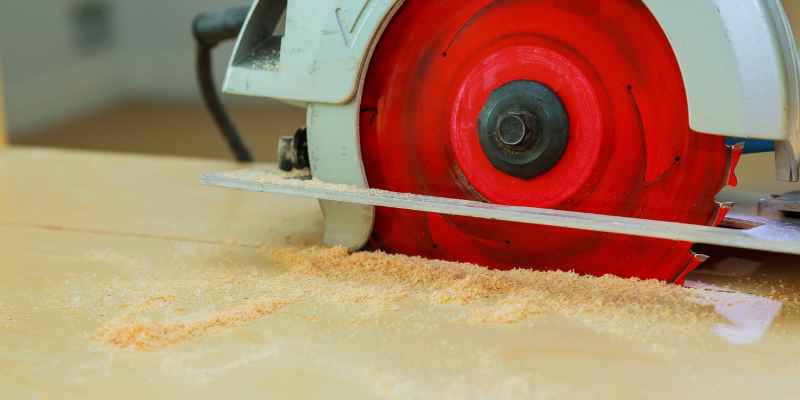
A circular saw is a handheld power tool that features a circular blade with sharp teeth designed for cutting through various materials, including wood, metal, and plastics. The blade is powered by an electric motor and can rotate at high speeds, allowing for efficient and precise cuts. Circular saws are commonly used in construction, woodworking, and renovation projects due to their ability to cut materials quickly and accurately.
Different Types Of Circular Saws
There are several types of circular saws available, each designed for specific cutting tasks. Here are some of the most common types:
- 1. Standard Circular Saw: Also known as a sidewinder or inline saw, this type is the most basic and widely used circular saw. It has a blade located on the right side of the motor and is suitable for general-purpose cutting tasks.
- 2. Worm Drive Circular Saw: This type of saw has the motor located at the rear, providing excellent torque and power. Worm drive circular saws are popular among professionals for heavy-duty cutting and ripping.
- 3. Cordless Circular Saw: These saws are powered by rechargeable batteries, offering portability and convenience. While not as powerful as corded models, they are perfect for small to medium cutting jobs.
Common Uses Of Circular Saws
Circular saws find their use in various applications across different industries. Here are some common uses:
- Construction: Circular saws are used for cutting lumber, plywood, and other construction materials on job sites.
- Woodworking: These saws are essential for making straight and angled cuts in wooden boards, beams, and other woodworking projects.
- Renovation: Whether it’s trimming doors or cutting through drywall, circular saws are invaluable tools for renovation projects.
- Metalworking: With the appropriate blade attached, circular saws can also cut through metal sheets, pipes, and other metals used in fabrication.
- Plastics: Circular saws equipped with specialized blades can easily cut through acrylic, polycarbonate, and other plastic materials.
Now that we have an overview of circular saws, we can move on to discussing whether they can be used to cut acrylic in the next section.
Factors To Consider
Cutting acrylic with a circular saw requires careful consideration of factors such as blade type, speed, and technique to avoid cracking or melting the material. Choose a fine-toothed blade, maintain a steady speed, and use proper clamping techniques for clean and safe cuts.
Blade Selection
Choosing the right blade for cutting acrylic with a circular saw is crucial in ensuring a smooth and precise cut. Not all blades are designed to handle acrylic, so selecting the appropriate one is essential. Opt for a fine-toothed blade specifically designed for cutting plastics or non-ferrous metals. These blades have smaller, closely-spaced teeth that help minimize chipping and cracking.
Power And Speed Settings
Adjusting the power and speed settings on your circular saw can greatly impact the quality of the cut and the safety of the process. When cutting acrylic, it’s best to set your saw to a higher speed with a lower feed rate. This enables the blade to cut smoothly through the material without causing excessive heat buildup. Too much heat can melt the acrylic, resulting in rough edges and potential damage to the material.
Safety Precautions
When working with a circular saw for cutting acrylic, taking proper safety precautions is of utmost importance. Ensure you are equipped with appropriate personal protective equipment (PPE), such as safety goggles, a dust mask, and gloves. These will shield you from any debris or dust particles that may be produced during the cutting process. Additionally, consider using a riving knife or splitter to prevent the material from closing up and pinching the blade, reducing the risk of kickback.
- Wear safety goggles, a dust mask, and gloves to protect yourself from debris.
- Use a riving knife or splitter to prevent the material from closing up and causing kickback.
- Ensure the acrylic sheet is properly secured before making any cuts.
- Avoid forcing the blade through the material; let the saw do the work.
- Keep your hands clear of the blade and never reach into the cutting path.
By considering these factors – blade selection, power and speed settings, and safety precautions – you can confidently and effectively cut acrylic with a circular saw, achieving clean, precise results. Remember to always prioritize safety throughout the entire process to ensure a successful and accident-free experience.
Cutting Acrylic With A Circular Saw
Cutting acrylic with a circular saw requires attention to factors such as blade type, speed, and technique. Follow these precise steps to ensure a smooth and accurate cut:
- Measure the acrylic sheet carefully and mark the cutting line using a scoring knife.
- Secure the sheet firmly onto a stable work surface to prevent vibrations and movement during cutting.
- Choose a fine-toothed carbide-tipped blade suitable for cutting acrylic.
- Set the saw to the correct speed (usually high speed) to minimize chipping and melting of the material.
- Wear appropriate protective gear, including safety goggles and a dust mask.
- Start the saw and slowly guide it along the marked cutting line in a steady motion, without pausing or applying excessive pressure.
- Support the sheet continuously to avoid breakage and ensure a clean cut.
Preventing Chipping And Cracking
To prevent chipping and cracking during the cutting process, consider the following measures:
- Use a sharp blade specifically designed for cutting acrylic to achieve a clean and smooth edge.
- Avoid excessive heat buildup by maintaining a high cutting speed and low blade pressure.
- Place a strip of masking tape along the cutting line to further reduce the risk of chipping.
- Back up the sheet with a sacrificial piece of wood underneath to prevent exit chipping as the blade passes through the material.
Tips For A Successful Cut
Ensure a successful cut by taking note of these essential tips:
- Use a circular saw with a guide rail or fence to maintain a straight cutting line and prevent deviations.
- Minimize vibrations by choosing the appropriate blade and operating the saw at the recommended speed.
- After cutting, remove any remaining protective film on the acrylic sheet to reveal a pristine finish.
- Always adhere to safety guidelines and handle the saw with care to avoid accidents.
Alternative Methods For Cutting Acrylic
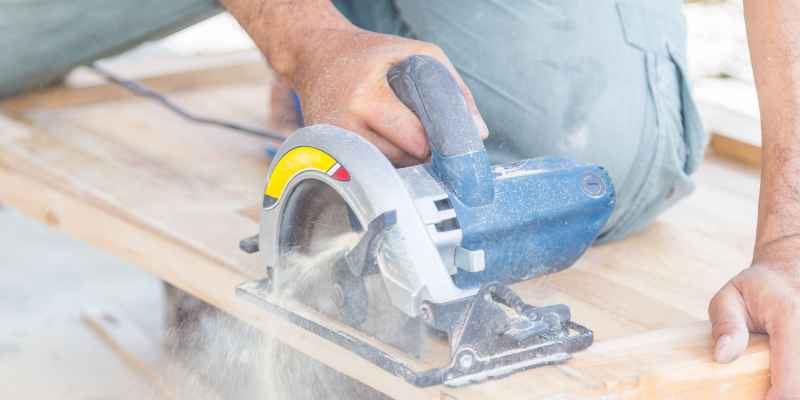
While a circular saw is a powerful tool for cutting acrylic, there are alternative methods that can also be used. These methods may be more suitable for individuals who do not have access to a circular saw or prefer a different approach. Below, we will explore these alternative methods and discuss the tools that can be used, as well as their pros and cons.
Other Tools That Can Be Used
- Router
- Jigsaw
- Table saw with a fine-toothed blade
- Scroll saw
- Utility knife with a sharp blade
Pros And Cons Of Alternative Methods
| Method | Pros | Cons |
|---|---|---|
| Router | Creates smooth, precise cuts | Requires experience and skill to operate |
| Jigsaw | Versatile tool for curved cuts | May leave rough edges that require additional finishing |
| Table saw with a fine-toothed blade | Produces accurate, straight cuts | Can cause chipping or melting of the acrylic |
| Scroll saw | Ideal for intricate cuts and shapes | Slower cutting speed compared to other methods |
| Utility knife with a sharp blade | Simple, low-cost option for straight cuts | May require multiple passes and additional effort |
Conclusion
Cutting acrylic with a circular saw is possible with the right tools and techniques. Understanding the material and using the appropriate blade is crucial for a successful outcome. By following safety precautions and practicing precision, you can achieve clean, accurate cuts.
Whether for DIY projects or professional applications, mastering this skill opens up a world of possibilities.