Can You Paint Over Varnished Wood Without Sanding? Discover How!
Are you tired of the tedious task of sanding before painting? You’re not alone.
Many DIY enthusiasts and homeowners like you dread the dusty mess and time-consuming effort. But what if you could skip this step altogether when dealing with varnished wood? Imagine transforming your old furniture or sprucing up your home’s interior without the hassle.
This article is your guide to discovering whether it’s possible to paint over varnished wood without sanding, and how you can achieve a flawless finish with ease. Keep reading to unlock the secrets to a smoother, faster, and more enjoyable painting experience. Your next home project just got a whole lot easier!
Preparation Techniques
Before painting, always start by cleaning the surface. Dust and dirt can ruin the paint job. Use a gentle soap and water mix. Wipe the wood with a soft cloth. Make sure the surface is dry before the next step.
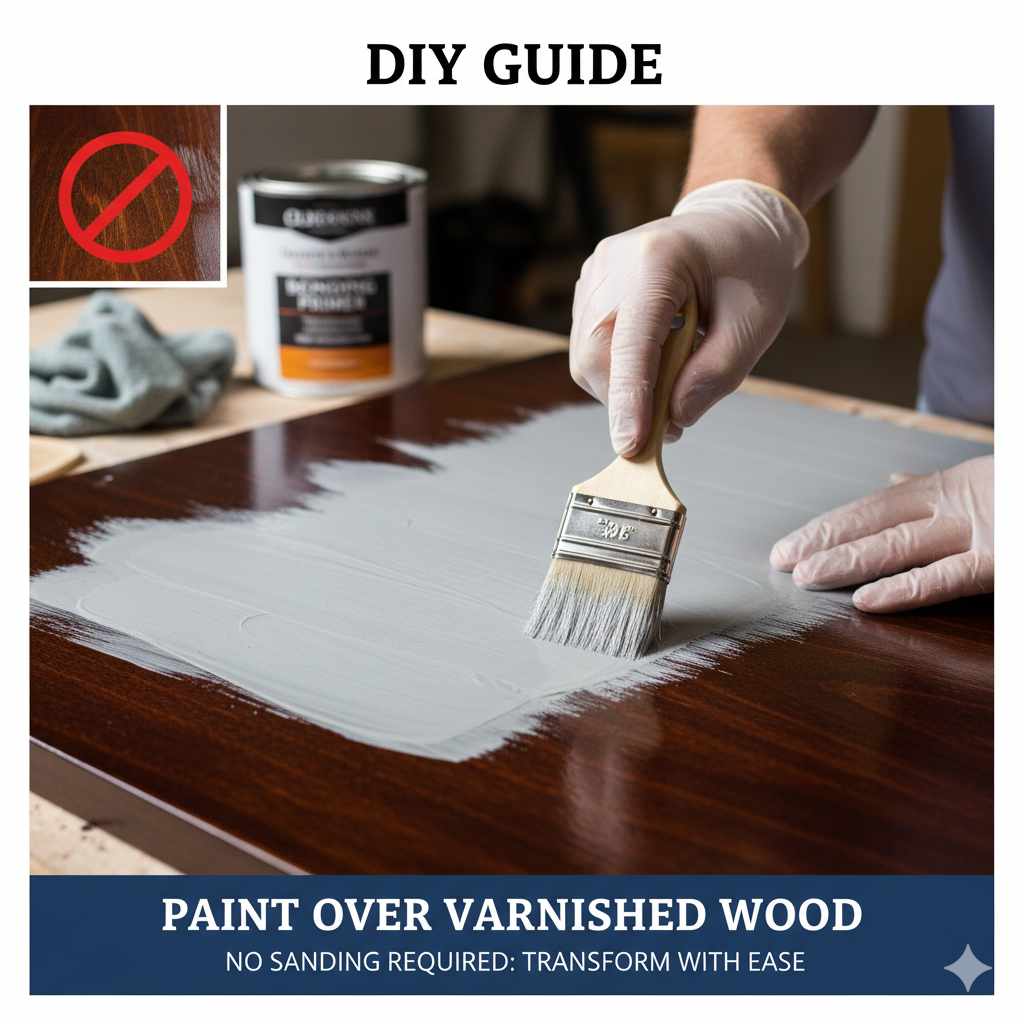
Picking a good primeris key. It helps paint stick to the wood. Look for primers made for varnished surfaces. Oil-based primers work best. Apply a thin coat and let it dry completely. Now you’re ready to paint!
Credit: www.latexagent.com
Types Of Paints
Oil-based paints are durable and water-resistant. They are ideal for wood surfaces. These paints can stick to varnished wood without sanding. Long drying time is a drawback. Ventilation is needed during application. Strong smell can be unpleasant.
Acrylic paints are versatile and quick-drying. They offer a wide range of colors. These paints can be used on varnished wood. Surface preparation is essential for good results. Easy cleanup with water makes them popular. Less odor compared to oil-based paints.
Chalk paints provide a matte finish. They adhere well to varnished surfaces. No sanding is required before application. They are easy to use and dry fast. Ideal for a rustic look. Surface sealing is important after painting. Limited color choices can be a downside.
Application Process
Painting over varnished wood without sanding is possible with the right preparation. Start by cleaning the surface thoroughly. Apply a suitable primer to ensure paint adhesion, then finish with your chosen paint for a fresh look.
Brush Vs. Roller
Brushesare great for corners and edges. They give you control. You can paint slowly. Rollerscover large areas fast. They are perfect for flat surfaces. They save time. Both tools work well. Choose what you like.
Layering Techniques
Start with a thin layer of paint. Let it dry well. Add another thin layer. This makes the color strong. It helps paint stick better. Thin layers dry faster. More layers give a smooth finish. Be patient. Take your time. Enjoy painting.

Credit: www.youtube.com
Tips For A Smooth Finish
Use a high-quality brush for a smooth finish. Cheap brushes leave marks. Apply thin coats of paint. Thick coats can cause drips. Let each coat dry fully. Rushing can ruin your work. Keep your brush clean. Dirty brushes make messy lines.
Stir the paint well before use. This helps with even color. Start painting in one direction. Switch directions for the next coat. This covers spots you missed. Use a primer first. Primer helps paint stick better. It also hides the varnish under the paint.
Common Mistakes
Painting over varnished wood needs a primer. It helps the paint stick better. Without primer, paint can peel off. A primer gives a smooth surface. This makes your paint job last longer. Always use a good-quality primer. This will help your paint look bright and even. Skipping this step can make your work hard later.
Paint needs time to dry. Rushing this step is a mistake. Wet paint can smudge or peel. Always check the instructions on the can. They tell you how long to wait. Patience is key here. Letting the paint dry fully makes it stronger. This helps your paint job last. So, always give your paint enough time.
Maintenance Of Painted Wood
Painting over varnished wood without sanding is possible with the right preparation. Clean and degloss the surface for better paint adhesion. Use a high-quality primer designed for glossy surfaces to ensure lasting results.
Cleaning Methods
Keeping painted wood clean is important. Dust it often to avoid dirt build-up. Use a soft cloth for dusting. For deeper cleaning, use warm water with mild soap. Wipe gently to prevent damage. Avoid harsh chemicals that might strip paint. Dry the surface with a clean towel. Regular cleaning keeps wood looking fresh.
Touch-up Tips
Small scratches can be fixed easily. Use a matching paint color for touch-ups. Apply the paint with a small brush. Let it dry completely. For deeper marks, sand lightly before painting. Use primer if needed. Protect painted wood with a clear sealant. This adds shine and protects from wear. Repeat touch-ups as needed. Keeps wood looking new.

Credit: www.chicocodecorating.com
Frequently Asked Questions
What Happens If You Paint Over Varnish Without Sanding?
Painting over varnish without sanding leads to poor adhesion. The paint may peel or chip easily. Sanding roughens the surface, ensuring better paint grip. For a lasting finish, always sand first to create a suitable surface for paint to adhere effectively.
What Paint Will Stick To Varnished Wood?
Acrylic paint adheres well to varnished wood. Sand the surface lightly to increase adhesion. Apply a primer for better results. Ensure the wood is clean and dry before painting. Choose high-quality paint for a lasting finish.
Can You Paint Straight Onto Varnished Wood?
Yes, you can paint over varnished wood. First, clean and sand the surface to ensure paint adhesion. Use a quality primer before applying paint for better results. Ensure the varnish is in good condition, and avoid painting over peeling or damaged areas.
What Is The Best Primer For Varnished Wood Without Sanding?
Use a bonding primer like Zinsser B-I-N or KILZ Adhesion. These primers adhere well without sanding. They work effectively on varnished wood surfaces, providing a solid base for new paint. Ensure surfaces are clean and dry before application for best results.
Conclusion
Painting over varnished wood without sanding is possible. Use the right primer and paint. Clean the surface thoroughly before starting. This ensures good adhesion. Choose quality products for lasting results. Follow the steps carefully to avoid peeling. Experiment on a small area first.
This helps you see the outcome. Painting can refresh your space quickly. It’s an easy way to update furniture or decor. Enjoy the transformation and new look. Remember, patience and preparation are key. Happy painting!