Can You Put Outdoor Carpet On Wood Deck? Essential Guide
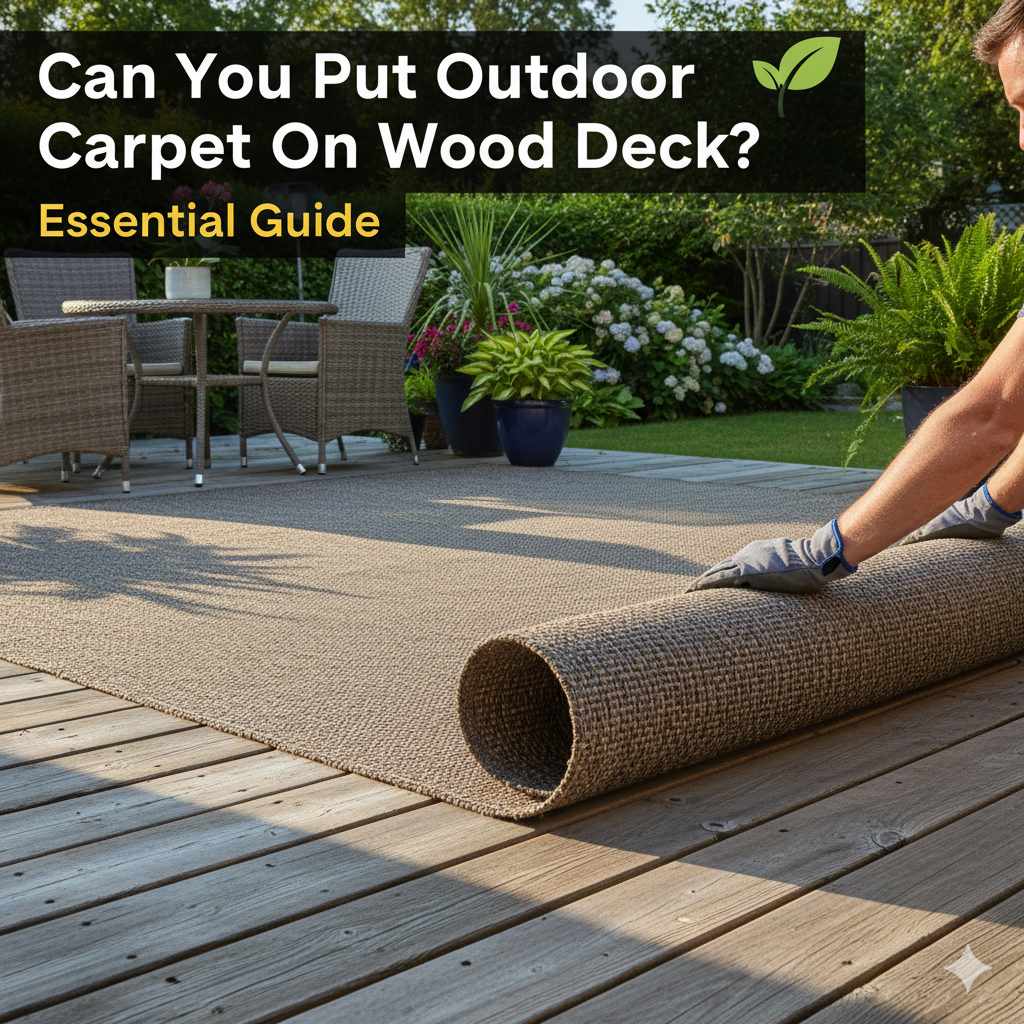
Yes, you absolutely can put outdoor carpet on a wood deck! It’s a fantastic way to refresh old wood, add comfort, and enhance your outdoor living space. This guide covers everything you need to know, from choosing the right carpet to preparing your deck and installing it for a durable, beautiful finish.
Transforming an outdoor deck often means facing the less-than-perfect state of the wood underneath. Maybe it’s weathered, a bit faded, or just not the style you’re going for. Outdoor carpet is a popular choice because it quickly covers these imperfections, offers a soft surface underfoot, and can dramatically change your deck’s look. Many homeowners wonder if it’s a good idea to lay carpet over wood, and the answer is a resounding yes, with a few key considerations. This guide will walk you through the entire process, step by step, making it simple and stress-free. You’ll learn how to prepare your deck properly, select the best carpet for your needs, and install it safely and effectively, ensuring a beautiful and long-lasting result.
Why Consider Outdoor Carpet for Your Wood Deck?
Outdoor carpet offers a unique blend of aesthetics, comfort, and practicality that makes it a compelling option for deck owners. It’s not just about covering up worn wood; it’s about creating a more inviting and usable space.
Benefits at a Glance
Aesthetic Enhancement: Instantly disguises worn, stained, or unattractive wood. It can also add a pop of color or texture to an otherwise plain deck.
Increased Comfort: Provides a softer, warmer surface to walk on, especially barefoot, compared to bare wood. This makes lounging and entertaining much more pleasant.
Noise Reduction: Carpet can help dampen the sound of footsteps and general outdoor activity on the deck, making it quieter for those inside the house.
Protection for Wood: While not its primary purpose, a carpet layer can offer a minor degree of protection for the wood from direct sunlight and light foot traffic, potentially extending its lifespan. This protection is most effective when the carpet is installed correctly and allowed to breathe.
Improved Safety: A carpeted surface can offer a bit more grip than smooth wood, potentially reducing slips, especially in damp conditions.
Easy Installation: Compared to other deck coverings like tile or even some pavers, outdoor carpet is relatively simple to install, often a DIY-friendly project.
Potential Downsides to Keep in Mind
Moisture and Drainage: This is the biggest concern. If not installed correctly, moisture can get trapped between the carpet and the deck, leading to rot, mold, and mildew. Proper ventilation and material choice are crucial.
Maintenance: Outdoor carpet does require cleaning. Spills, dirt, and debris can become embedded, requiring regular sweeping, vacuuming, and occasional deep cleaning.
Durability: While designed for outdoor use, it can fade in direct sun over time and may not hold up to extreme weather or heavy, abrasive traffic as well as some other decking materials.
Cost: While often more affordable than other options upfront, the cost can add up depending on the quality and quantity needed. Consider the long-term value.
Removal: If you decide to remove the carpet later, you might find the wood underneath has been affected, potentially requiring refinishing or repair.
Understanding Outdoor Carpet Types
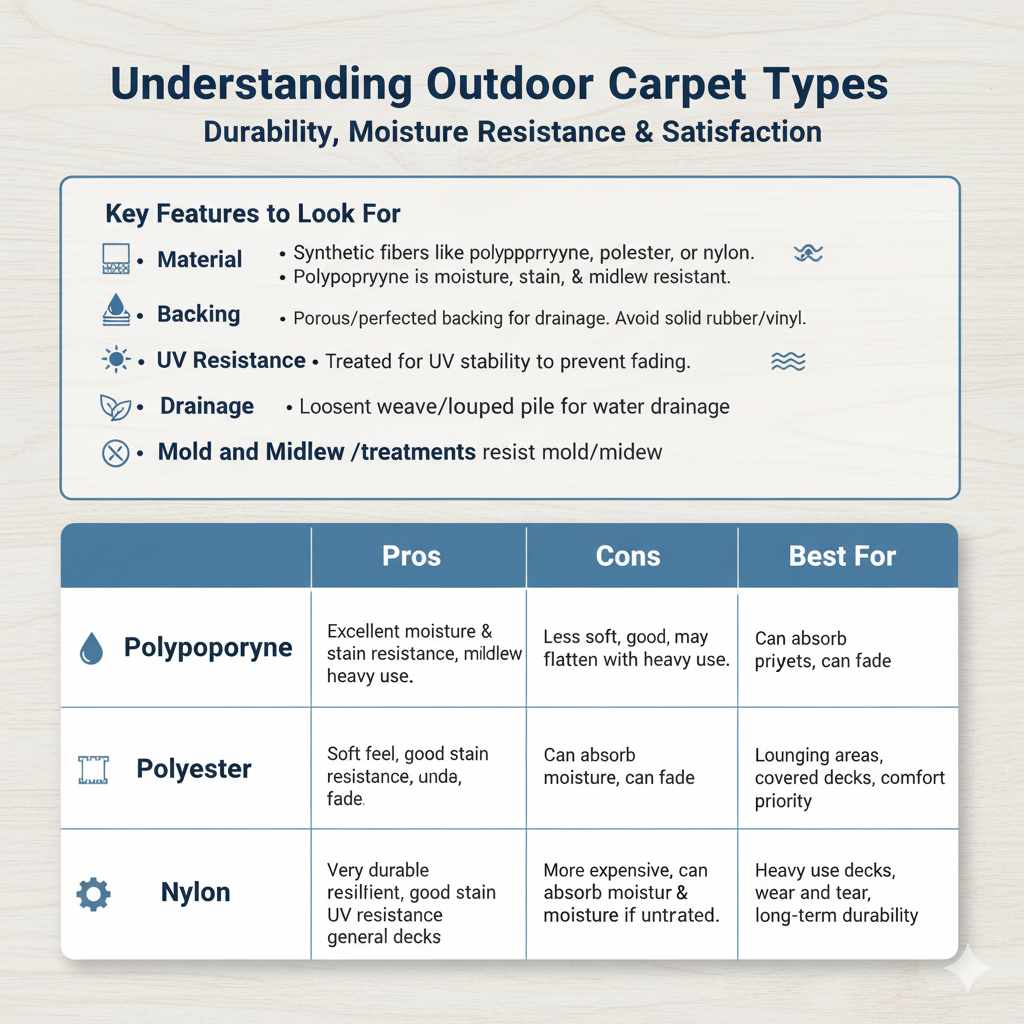
Not all carpets are created equal, especially when it comes to outdoor use. Choosing the right type is critical for durability, moisture resistance, and overall satisfaction.
Key Features to Look For:
Material: Most outdoor carpets are made from synthetic fibers like polypropylene (olefin), polyester, or nylon. Polypropylene is a popular choice because it’s inherently resistant to moisture, stains, and mildew.
Backing: The backing is crucial for drainage. Look for carpets with a porous or perforated backing that allows water to escape. Some carpets come with separate marine-grade backing options. Avoid carpets with solid rubber or vinyl backings that trap moisture.
UV Resistance: Ensure the carpet is treated for UV stability to prevent fading and degradation from sunlight. Manufacturers will often specify this.
Drainage: Many outdoor carpets are designed with a looser weave or looped pile to facilitate water drainage.
Mold and Mildew Resistance: A good outdoor carpet will have inherent properties or treatments to resist mold and mildew growth.
Common Outdoor Carpet Materials:
| Material | Pros | Cons | Best For |
| :————- | :——————————————————————- | :————————————————————————– | :—————————————————————————————————————— |
| Polypropylene | Excellent moisture and stain resistance, affordable, mildew-resistant. | Can be less soft than other materials, may flatten over time with heavy use. | High-traffic areas, areas prone to spills, budget-conscious projects, general deck covering. |
| Polyester | Soft feel, good stain resistance, durable. | Can absorb more moisture than polypropylene if not treated, can fade. | Lounging areas, decks with some overhead cover, areas where comfort is a high priority. |
| Nylon | Very durable, resilient, good stain and UV resistance. | More expensive, can absorb moisture if not specifically treated for outdoor. | Decks with heavy use, areas expecting significant wear and tear, those prioritizing long-term durability over cost. |
Can You Put Outdoor Carpet Directly on Wood Deck?
This is the million-dollar question, and the short answer is: it depends on your deck’s condition and your moisture management strategy.
While you can technically lay outdoor carpet directly on a wood deck, it’s generally not the best practice for the longevity of your deck. The primary concern is trapped moisture. Wood needs to breathe, and if water gets under the carpet – through spills, rain, or dew – and can’t evaporate, it will sit against the wood. This creates a perfect breeding ground for rot, mold, and mildew, which can severely damage your deck over time, even making it unsafe.
The Best Approach: Creating a Breathable Barrier
To safely put outdoor carpet on a wood deck, you need to ensure proper airflow and drainage. This usually involves an intermediary layer or specific installation methods.
Proper Deck Preparation is Key: Before anything else, your deck needs to be in good repair. Any rotten boards should be replaced. The wood should be clean, dry, and ideally sealed.
Consider a Breathable Underlayment: A layer of breathable material between the deck and the carpet can significantly improve drainage and airflow. This could be a specific outdoor carpet underlayment designed for decks, or even a permeable geotextile fabric.
Ensure Deck Ventilation: Make sure your deck has adequate space underneath for air to circulate (if it’s an elevated deck). If not, consider adding ventilation holes or ensuring any existing gaps are clear.
Use Adhesive Wisely: If you’re using adhesive to secure the carpet, opt for outdoor-rated, waterproof adhesives. However, be mindful that adhesive can sometimes seal parts of the wood, hindering drying. For optimal breathability, mechanical fastening (like stapling) around the edges might be preferred, combined with a secure perimeter.
Step-by-Step: How to Install Outdoor Carpet on a Wood Deck
Ready to get started? Installing outdoor carpet is a rewarding DIY project that can dramatically improve your deck. Follow these steps for a successful and lasting installation.
Step 1: Assess Your Deck
Before you buy any carpet, take a good, hard look at your deck.
Inspect for Damage: Check for any rotten, cracked, or loose boards. Replace or repair them. Ensure all nails or screws are flush with the surface or removed if they interfere with the carpet.
Clean Thoroughly: Power washing is often the best way to remove dirt, grime, mold, and mildew. Use a deck cleaner suitable for your wood type. Rinse thoroughly and let the deck dry completely – this can take 24-48 hours depending on the weather. You can check moisture content with a moisture meter if you’re unsure.
Repair and Smooth: Sand down any rough spots or splinters. Fill any gaps or holes with exterior-grade wood filler.
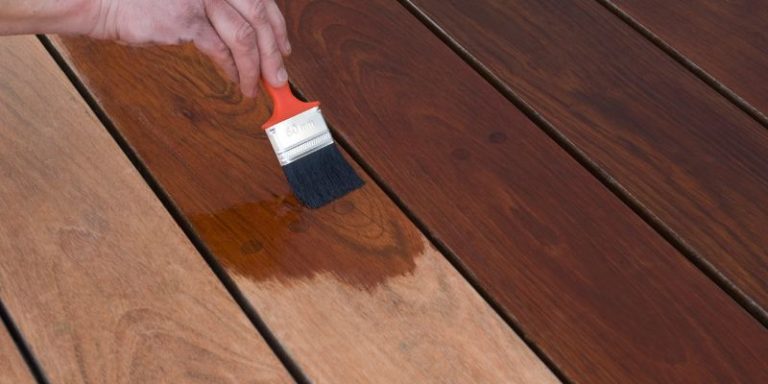
Consider Sealing (Optional but Recommended): Applying a water-repellent sealant can add an extra layer of protection for the wood, especially if your deck is prone to getting wet. Let the sealant cure completely according to the manufacturer’s instructions.
Step 2: Measure and Purchase Materials
Accurate measurements are crucial.
Measure Your Deck Area: Measure the length andWidth of your deck. For custom shapes, break it down into smaller rectangular areas and add them up.
Account for Waste: Always buy a little extra carpet – at least 10% – to account for cuts, mistakes, and potential future repairs.
Choose Your Carpet: Select an outdoor carpet suitable for decks, considering material, backing, and UV resistance.
Gather Supplies:
Outdoor carpet
Outdoor carpet adhesive (if using)
Heavy-duty staples and a staple gun (manual or electric)
Utility knife with extra blades
Measuring tape
Straight edge or long ruler
Chalk line or marker
Broom or shop vacuum
Optional: Outdoor carpet underlayment, painter’s tape, safety glasses, work gloves.
Step 3: Cut the Carpet
Cutting carpet accurately ensures a neat finish.
Lay Out the Carpet: Carefully unroll the carpet on a clean, flat surface (not directly on your deck yet, perhaps in your yard or garage).
Measure and Mark: Based on your deck measurements, estimate the cuts you’ll need. It’s often easier to cut slightly oversized pieces and trim them down on the deck.
Make the Cuts: Use a sharp utility knife and a straight edge for clean, straight cuts. Change blades frequently as they dull quickly on carpet fibers. Cut from the back side for a cleaner edge. For large areas, you might consider buying carpet pre-cut to size if available for your chosen product.
Step 4: Install the Carpet
Now for the main event!
Dry Fit (Optional but Recommended): Place your cut pieces on the deck without adhesive or staples to visualize the layout and make any necessary adjustments. Ensure seams are as inconspicuous as possible or placed in low-traffic areas.
Apply Adhesive (If Using): If you’re using adhesive, work in small sections (about 3-4 feet at a time). Apply the outdoor carpet adhesive evenly to the deck surface according to the manufacturer’s instructions. Some adhesives require a brief “tack-up” time before laying the carpet.
Lay the Carpet: Carefully lay the carpet onto the adhesive, pressing it down firmly. Work from the center outwards to push out any air bubbles. If you’re not using adhesive, proceed to stapling.
Secure with Staples (or Adhesive):
Stapling: Starting at one edge, pull the carpet taut and secure it with heavy-duty staples every 4-6 inches. Work your way around the perimeter. If you have seams, ensure they are butted tightly together and then staple along the seam line, about an inch in from the edge. Consider using a wide-crown staple gun for better holding power.
Adhesive: Ensure the carpet is firmly pressed into the adhesive across the entire surface and along edges.
Trim Edges: Once the carpet is secured, use your utility knife and straight edge to trim any excess carpet along the edges of the deck, stairs, or any railings. Aim for a clean, professional finish. Use painter’s tape along edges or around railings before cutting to protect them.
Step 5: Seam Creation (If Necessary)
If your deck is wider than your carpet roll, you’ll need to join pieces.
Butt Seams: The simplest method is to bring the two edges of the carpet tightly together. Use an outdoor carpet seam tape and a special seam roller, or secure with staples from underneath if accessible. Ensure the edges are perfectly aligned for the best look.
Overlapping Seams (Less Ideal): While possible, this can create a visible ridge and a tripping hazard. It’s best avoided for aesthetics and safety.
Step 6: Final Touches and Curing
Clean Up: Sweep or vacuum any loose fibers or debris.
Curing Time: If you used adhesive, allow it to cure fully according to the manufacturer’s recommendations before allowing heavy foot traffic or placing furniture back on the deck. This can be anywhere from 24 to 72 hours.
Enhancing Your Deck with Outdoor Carpet: Design Ideas
Outdoor carpet isn’t just functional; it’s a fantastic design element. Here are some ways to use it to create a beautiful and inviting outdoor oasis.
Color and Pattern Play
Bold Statements: Use a brightly colored carpet to make a vibrant statement, especially if your home’s exterior is neutral.
Subtle Sophistication: Opt for deep blues, grays, or natural earth tones for a more sophisticated and calming ambiance.
Patterned Power: Many outdoor carpets come in various patterns, from stripes to geometric designs. These can add visual interest and define areas of your deck. Striped carpets can visually elongate or widen your deck space depending on the orientation.
Zone Creation
Dining Area: Use a different colored or patterned carpet to define your outdoor dining space, making it feel like a distinct room.
Lounge Area: A plush, comfortable carpet in your seating area can encourage relaxation and make the space feel cozier.
Transition Zones: Use carpet runners to guide guests from one area of the deck to another, or to connect different levels.
Pairing with Other Deck Elements
Railing Contrasts: Choose a carpet color that complements or contrasts with your deck railings (wood, vinyl, metal).
Furniture Harmony: Coordinate your carpet choice with your outdoor furniture cushions and accessories for a cohesive look.
Planter Integration: Use carpet to create a soft base for potted plants and create a lush, garden-like feel.
Maintenance and Care for Your Outdoor Carpeted Deck
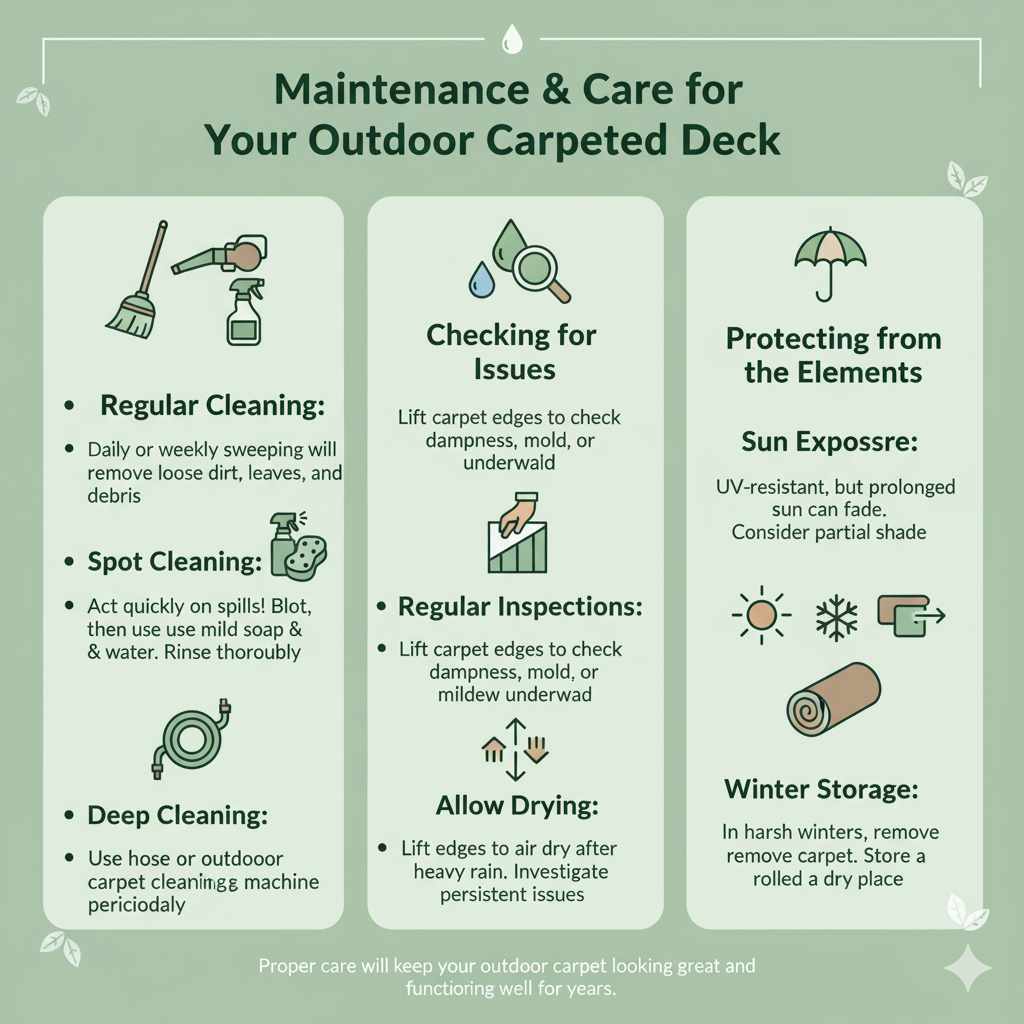
Proper care will keep your outdoor carpet looking great and functioning well for years.
Regular Cleaning
Sweep or Vacuum: Daily or weekly sweeping will remove loose dirt, leaves, and debris. A leaf blower can also be very effective.
Spot Cleaning: For spills and stains, act quickly! Blot up as much of the spill as possible with a clean cloth. Then, use a mild soap and water solution or a cleaner specifically designed for outdoor carpets. Rinse the area thoroughly with clean water to remove detergent residue, which can attract dirt.
Deep Cleaning: Periodically (perhaps once or twice a year), a more thorough cleaning might be necessary. This can involve using a hose with a strong spray nozzle or a carpet cleaning machine designed for outdoor use.
Checking for Moisture Issues
This is paramount for decks.
Regular Inspections: Periodically lift the edges of the carpet, especially in corners and along seams, to check the wood underneath for any signs of dampness, mold, or mildew.
Allow Drying: If you notice dampness, especially after heavy rain, try to lift the carpet edges to allow the wood to air dry completely. If the problem persists, you may need to reconsider your installation method or investigate drainage issues with your deck structure.
Protecting from the Elements
Sun Exposure: While UV-resistant, prolonged, intense sun can still cause fading. If possible, consider arrangements for partial shade during peak sun hours.
* Winter Storage: In climates with harsh winters, consider removing the carpet for the season. This protects it from snow, ice, and salt, and allows your deck to breathe and dry thoroughly. Store the carpet rolled up in a dry, protected place like a garage or shed.
FAQ: Outdoor Carpet on Wood Decks
Q1: Will outdoor carpet ruin my wood deck?
Outdoor carpet can potentially damage your wood deck if moisture gets trapped between the carpet and the wood, leading to rot, mold, or mildew. However, with proper installation that ensures good drainage and airflow, and by choosing the right materials, you can significantly minimize this risk. Regular inspection is key.
Q2: How do I ensure my deck drains properly under the carpet?
Use a carpet with a porous or perforated backing. Ensure your deck boards have small gaps between them for natural drainage. Avoid using solid rubber or vinyl backing on the carpet, as these trap moisture. If you use an underlayment, ensure it’s also permeable.
Q3: What kind of adhesive should I use for outdoor carpet on a deck?
You need a high-quality, waterproof, outdoor-rated carpet adhesive. Always follow the manufacturer’s specific instructions regarding application and curing times. Some installers prefer mechanical fastening (stapling) around the perimeter to allow more breathability than full adhesive coverage.
Q4: Can I put outdoor carpet over an old, painted deck?
Yes, you generally can. Ensure the paint is well-adhered and not peeling. Clean the surface thoroughly. If the paint is significantly deteriorated, it’s best to scrape and repaint or seal the deck first to provide a stable, sealed surface for the carpet to adhere to or be stapled onto.
Q5: How often should I clean my outdoor carpet on the deck?
Regular sweeping or vacuuming should be done weekly, or more often if needed. Spot clean spills immediately. A deeper cleaning with water and a mild detergent might be needed once or twice a year, depending on usage and environmental factors.