Can You Put Smoker on Wood Deck? Essential Safety
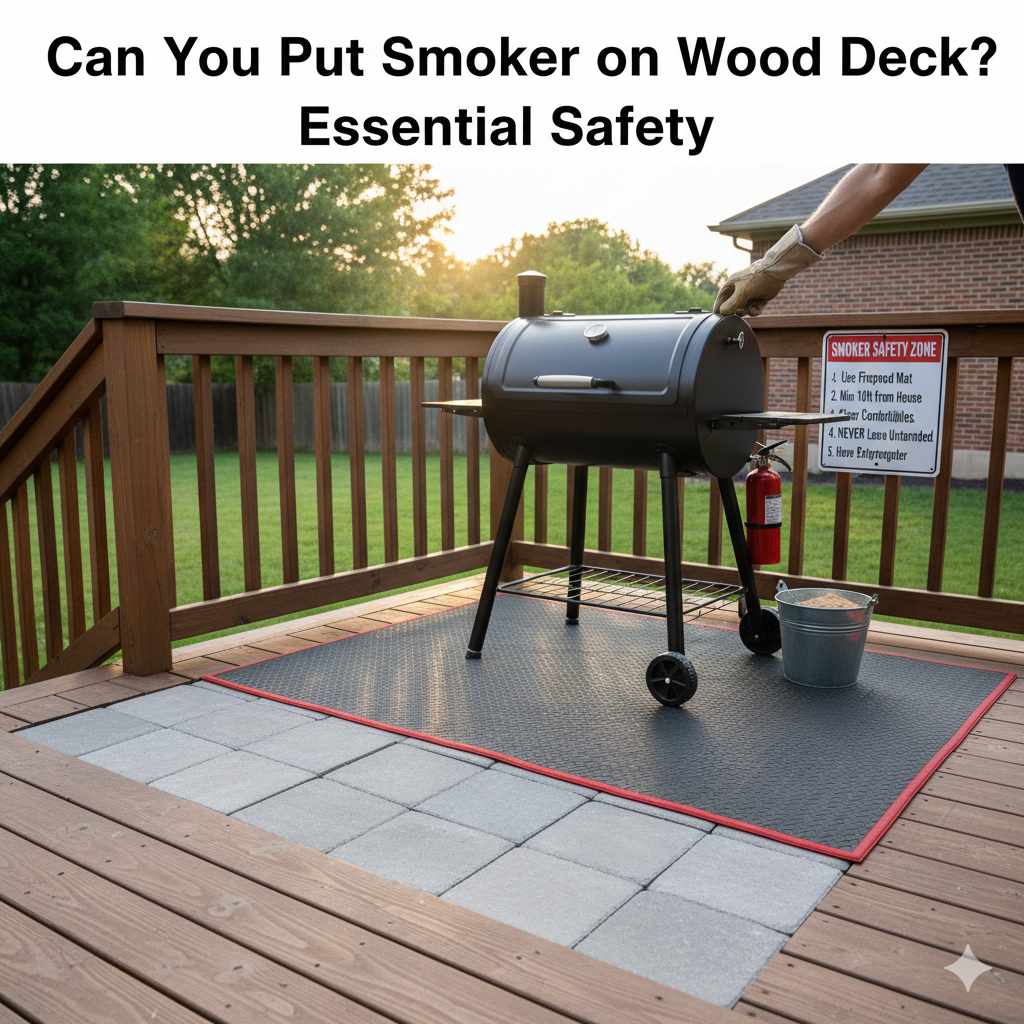
Yes, you can place a smoker on a wood deck, but only with significant safety precautions. Direct heat and embers can quickly ignite wood, causing a serious fire. Using protective barriers, proper ventilation, and constant supervision are crucial for safe outdoor cooking.
Grilling and barbecuing are fantastic ways to enjoy the outdoors and cook delicious food. Many of us love the convenience of having our grills and smokers right on our back decks. But as a woodworker and DIY enthusiast, I’ve seen firsthand how quickly a beautiful wooden deck can turn into a pile of ash if we’re not careful. The thought of placing a smoker, which generates a lot of heat, directly onto flammable wood can be a real worry. It’s a common question: “Can you put a smoker on a wood deck?” The answer isn’t a simple yes or no; it’s a big “yes, but only with essential safety measures in place.”
Understanding the risks is the first step to enjoying your smoker safely on your deck. We’ll go through everything you need to know, from what materials work best as barriers to how to set up your smoker to prevent accidents. Don’t worry, we’ll make this easy to follow, ensuring your deck stays safe and your smoking sessions are worry-free. Let’s get started on making your outdoor cooking space safe and enjoyable!
Understanding the Fire Risk: Heat, Embers, and Wood
Wood is a natural material that, while beautiful and functional for decks, is highly combustible. Smokers, by their very nature, produce a significant amount of heat. This heat can be radiated downwards, transferred through the base of the smoker, or escape as stray embers and ash. When these hot elements come into direct contact with wood, especially dry wood, ignition can happen surprisingly fast. It doesn’t take a direct flame; prolonged exposure to high temperatures is enough to char and eventually ignite the wood.
Think of it like this: the deck is a seasoned piece of lumber, and the smoker is a potential heat source. Without a proper barrier, it’s like leaving a hot coal on a stack of dry kindling. The danger is amplified if your deck has been treated with certain chemicals that, while protecting the wood from rot, can sometimes be more volatile when exposed to high heat. Also, consider the age and condition of your deck. Older decks or those with existing cracks and dry spots are even more susceptible to damage from heat and embers. Even a small ember that escapes during the smoking process can land on the wood and smolder unnoticed until it flares up.
Sources of Heat Danger
- Radiant Heat: Smokers emit heat in all directions, including downwards, warming the surface beneath them.
- Conduction: The heat from the smoker’s legs or base can transfer directly to the deck material.
- Embers and Ash: Hot coals, ash, and small sparks can escape the smoker, especially when opening the lid or adding fuel.
- Grease Fires: Dripping grease can ignite, creating a flare-up that can spread to the deck.
Recognizing these heat sources is the first step to mitigating the risk. Our goal is to create a protective shield between the heat and the wood, ensuring your deck remains a safe and sturdy foundation for your culinary adventures.
Essential Safety Gear: Your Deck’s Fire Prevention Toolkit
To safely put a smoker on a wood deck, you absolutely must use protective barriers. These act as a shield, preventing direct heat and falling embers from reaching the wood. Think of them as your smoker’s essential safety gear. The right barrier can make the difference between a great barbecue and a costly disaster.
The most common and effective solutions involve materials that are non-combustible and can withstand high temperatures. We’re looking for something that doesn’t conduct heat easily and can catch any stray sparks. The goal is to create a buffer zone, a safe space for your smoker to operate without putting your deck at risk.
Protective Barrier Options
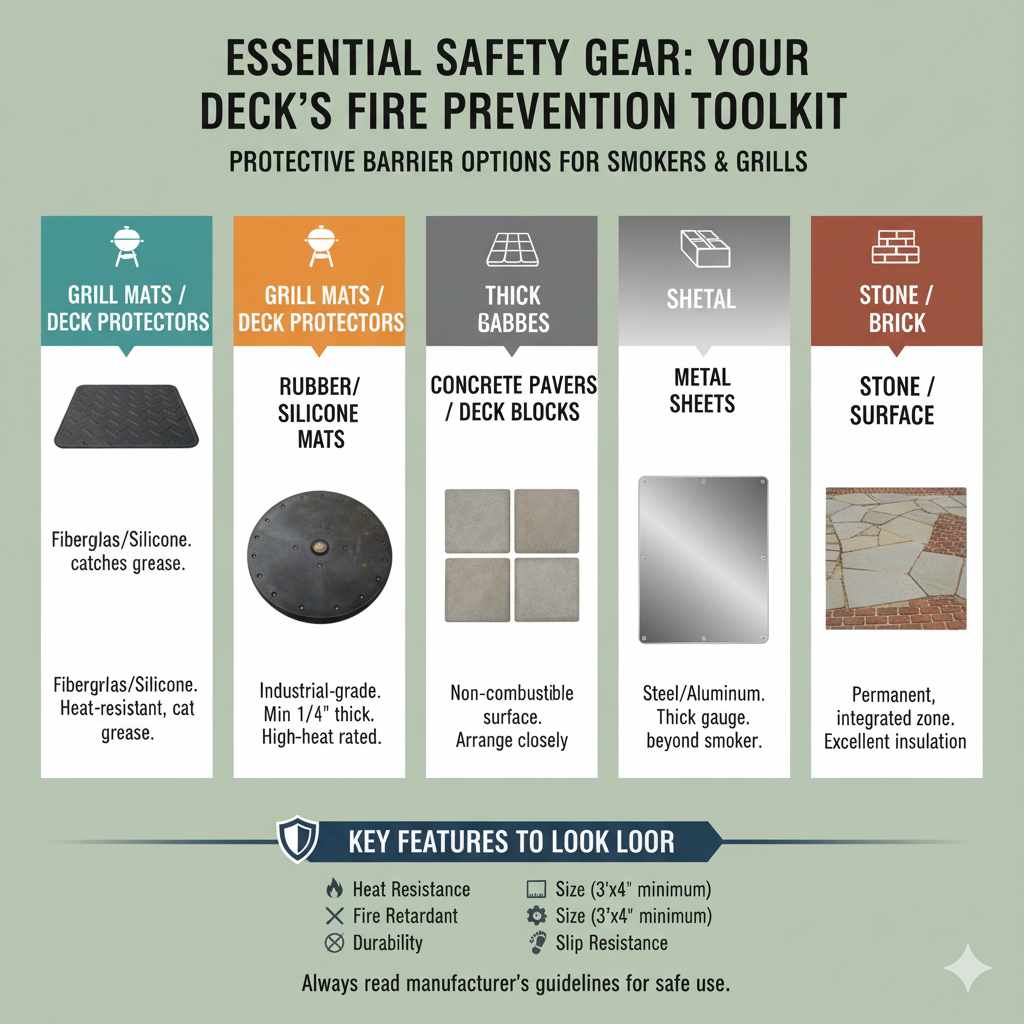
When choosing a barrier, consider its size, material, and how well it covers the area directly under and around your smoker. It should be large enough to catch any ash or embers that might escape. Here are some of the best options:
- Grill Mats/Deck Protectors: These are specifically designed for this purpose. They are usually made of fiberglass, silicone, or other heat-resistant materials. They are often waterproof and can catch grease drippings too. Look for ones that are at least 3 feet by 4 feet to provide ample coverage. Some are designed to sit flat, while others have a lip to contain spills.
- Thick Rubber or Silicone Mats: While not as specialized as grill mats, thick industrial-grade rubber or silicone mats can offer a good layer of protection. Ensure they are rated for high heat and are thick enough (at least ¼ inch) to insulate effectively.
- Concrete Pavers or Deck Blocks: Laying down a collection of concrete pavers or using specialized deck blocks can create a solid, non-combustible surface. You’ll want to arrange these closely together to cover a wide area under the smoker. Make sure there are no gaps where embers can fall through.
- Metal Sheets: A large sheet of metal, such as aluminum or steel, can be placed under the smoker. It’s crucial that this metal sheet is thick enough not to warp or overheat quickly under the smoker’s direct heat. Again, ensure it extends well beyond the smoker’s footprint.
- Stone or Brick Surface: If you have a patio area integrated with your deck, or if you’re willing to create a small, dedicated non-combustible zone, using stone or brick is an excellent, permanent solution.
It’s also important to consider the weight of your chosen barrier. Heavy materials like pavers might be more stable but can add significant weight to your deck, which is something to be mindful of, especially for older decks. Always check your deck’s load-bearing capacity if you’re planning to use very heavy items like large stone slabs.
Key Features to Look for in a Deck Protector
- Heat Resistance: Must be rated to withstand the temperatures typically produced by your smoker.
- Fire Retardant: Ideally made of non-combustible materials.
- Size: Large enough to cover at least 3 feet in front and 2 feet on sides and back.
- Durability: Able to withstand repeated use and weather.
- Slip Resistance: Important for safety, especially when wet.
When selecting your barrier, always read the manufacturer’s specifications and usage guidelines. They will often provide recommendations on how far the protector should extend from the heat source. This information is vital for ensuring maximum safety.
Setting Up Your Smoker Safely on the Deck
Once you have a reliable heat barrier, setting up your smoker correctly is the next critical step. It’s not just about placing it on the mat; it’s about its overall positioning and preparation to minimize risks.
Your goal is to ensure that no part of your smoker housing, legs, or exhaust can come into direct contact with the wood deck, even indirectly through a thin barrier that might fail. Always place the smoker centrally on your chosen heat-resistant mat or surface. This gives you ample room for any potential spills or escaping embers.
Step-by-Step Smoker Placement Guide
- Prepare the Deck Surface: First, ensure the area of the deck where the smoker will be placed is clean and dry. Remove any flammable items like dry leaves, wood chips, or debris that may have accumulated.
- Lay Down Your Barrier: Carefully place your chosen heat-resistant mat, pavers, or metal sheeting onto the deck. Make sure it lies flat and covers a generous area around where the smoker will sit. Ensure it’s positioned so that the entire base of the smoker, including its legs, will rest on the barrier. If using pavers, ensure they are tightly packed with no significant gaps.
- Position the Smoker: Carefully move your smoker onto the center of the protective barrier. Ensure all legs or the base of the smoker are resting securely on the heat-resistant material. Double-check that no part of the smoker’s metal structure is hanging over the edge of the barrier and touching the deck.
- Consider Clearance: Make sure there is adequate space between the smoker and any surrounding structures, such as railings, walls, or outdoor furniture. Ideally, maintain at least 3-5 feet of clearance from any combustible materials. Check your smoker’s manual for manufacturer recommendations on clearance.
- Check Wind Direction: Before you start your smoker, note the wind direction. Position the smoker so that the smoke exhaust is not blowing directly towards your house, over combustible materials, or towards areas where people might be sensitive to smoke.
- Add Water Pan (If Applicable): If your smoker uses a water pan, fill it to the recommended level before lighting. A full water pan helps regulate temperature and can catch some of the drippings, reducing the risk of grease fires.
- Have Fire Extinguisher Ready: This is non-negotiable. Keep a fire extinguisher rated for Class A (ordinary combustibles) and Class B (flammable liquids) fires within easy reach. Know how to use it. A bucket of water or sand can also be a good backup.
Proper setup not only protects your deck but also contributes to the efficiency and safety of your smoking process. A stable, well-positioned smoker is less likely to tip or have issues that could lead to a fire.
Smoker Types and Their Deck Safety Considerations
Different types of smokers generate heat and present different risks. Understanding these nuances helps you choose the right safety measures.
Common Smoker Types and Deck Safety
Let’s break down some popular smoker types and what you need to watch out for:
| Smoker Type | Heat Characteristics | Deck Safety Concerns | Recommended Barrier |
|---|---|---|---|
| Charcoal/Kettle Grills & Smokers | High direct heat from coals, potential for escaping embers. | Direct heat transfer, ember fallout, ash accumulation. | Heat-resistant mat or pavers. Excellent ash catcher needed. |
| Offset Smokers | Extremely high heat in the firebox, radiant heat from the main chamber. | Significant radiant heat, potential for embers from firebox, ash. | Large, heavy-duty heat-resistant mat or pavers, potentially a metal sheet for the firebox area. |
| Pellet Grills/Smokers | Controlled heat, but can still radiate downwards and have hot exhausts. | Radiant heat to the base, hot exhaust vent can ignite nearby materials. | Heat-resistant mat. Be mindful of exhaust direction. |
| Electric Smokers | Lower direct heat, but heating elements can get very hot. | Radiant heat, less prone to embers but electrical faults pose a risk. | Heat-resistant mat. Ensure proper electrical connections and cord management. |
| Ceramic Smokers (e.g., Kamado) | Excellent heat retention, can get very hot inside and outside. | Significant radiant heat from the ceramic body. Heavy. | Thick, heavy-duty mat or pavers. Ensure stability due to weight. |
No matter the type of smoker, the principle remains the same: interpose a reliable barrier between the heat source and the wood of your deck. For smokers that produce very high temperatures or have multiple heat points (like the firebox of an offset smoker), you may need layered protection or a larger, more robust barrier. For instance, with an offset smoker, you might place a thick metal sheet under the firebox area and then a large heat-resistant mat over the top and the main smoking chamber area for complete coverage.
Maintenance and Inspection: Keeping Your Deck Safe Year-Round
Safety isn’t a one-time setup; it’s an ongoing commitment. Regularly inspecting your deck and your grilling setup is vital to prevent accidents, especially as materials age and weather conditions change.
Your deck is exposed to the elements – sun, rain, snow, and temperature fluctuations. These can cause wood to expand, contract, dry out, or even develop small cracks. A seemingly minor crack can become a major hazard when heat is applied nearby. Similarly, your protective barriers can degrade over time. They might warp, tear, or lose their heat-resistant properties.
Regular Deck and Barrier Inspections
Make a routine of checking these key areas:
- Deck Wood Condition: Before each grilling season, and periodically throughout, inspect your deck boards, joists, and support structures. Look for any signs of rot, splintering, or significant drying. Pay close attention to areas near where you typically place your smoker. If you notice any weak or damaged sections, they should be repaired or reinforced before using a smoker on the deck. Sanding down rough spots can also reduce the risk of splinters catching fire.
- Protective Barrier Integrity: Examine your grill mat, pavers, or metal sheeting. Are there any tears in the mat? Are pavers cracked or loose? Is the metal sheet warped or discolored from excessive heat? Damaged barriers must be replaced immediately. A worn-out barrier is worse than no barrier at all because it provides a false sense of security.
- Smoker Legs and Base: Ensure the smoker’s legs are stable and properly seated on the barrier. Check for any rust or damage to the smoker’s base that might compromise its stability or heat dispersion.
- Clearance Areas: Periodically check that surrounding railings, furniture, or other deck accessories haven’t been moved too close to the smoker’s operating area.
- Grease Traps and Ash Catcher: Regularly clean out ash catchers and grease traps from your smoker. Overflowing grease is a common cause of deck fires. Dispose of ashes properly in a metal container once they are completely cool.
The U.S. Fire Administration (USFA) provides excellent resources on home fire safety, including outdoor cooking. They emphasize that keeping the area around grills and smokers clear of combustible materials is paramount. For an informative read, check out their USFA Outdoor Cooking Fire Safety page. It reinforces the importance of vigilance.
A well-maintained deck and reliable protective gear mean you can enjoy your smoker with confidence. It’s about proactive care rather than reactive damage control.
Best Practices for Safe Smoking on a Wood Deck
Beyond the physical barriers and inspections, smart habits are your best defense against fire hazards. These practices are simple but incredibly effective in maintaining a safe outdoor cooking environment.
Think of these as your smoking etiquette for your deck. They are easy to adopt and significantly reduce the chances of an incident. It’s about being mindful of the heat you’re creating and its potential impact on your surroundings.
Daily Smoking Safety Habits
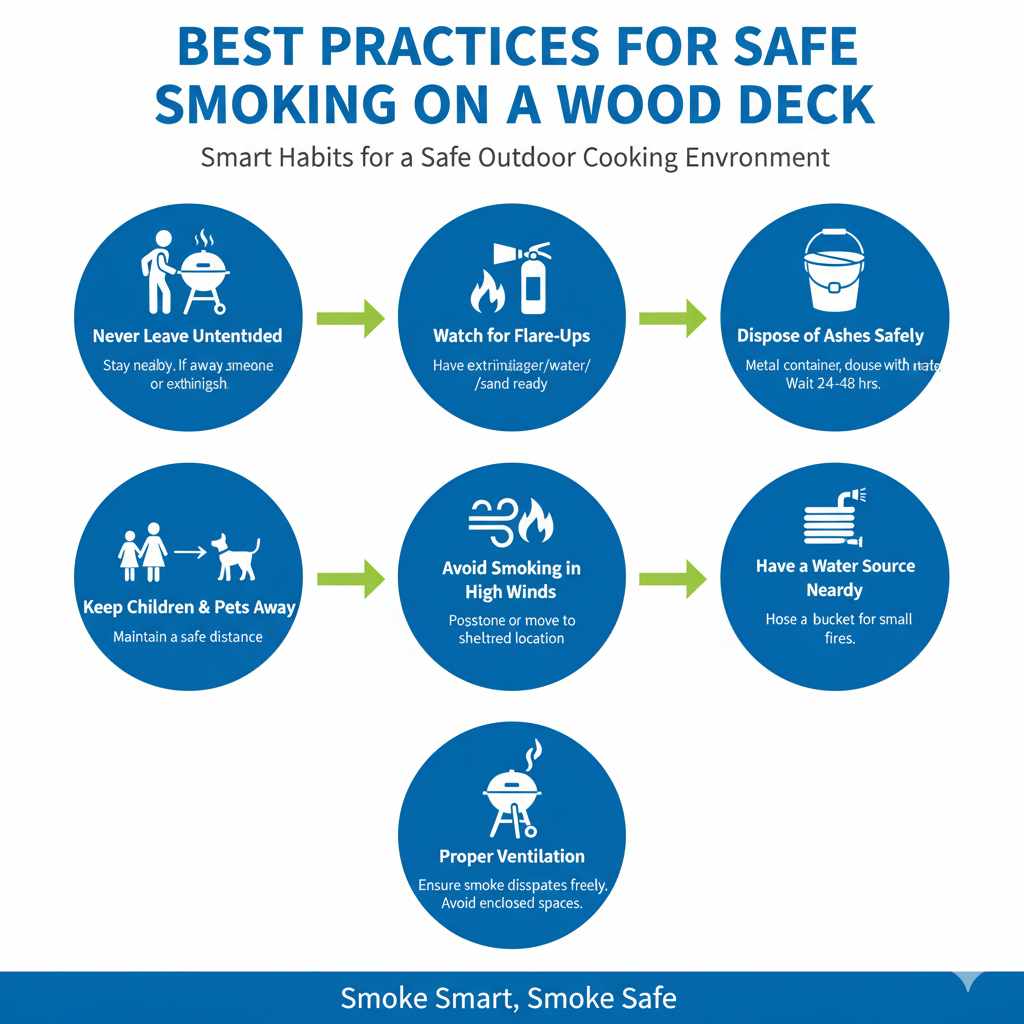
- Never Leave a Smoker Unattended: This is the golden rule. While your smoker is lit and cooking, stay nearby. If you need to step away, even for a few minutes, ask someone else to keep an eye on it or put the smoker out.
- Watch for Flare-Ups: Be prepared for sudden flare-ups, which can happen if grease drips onto hot coals or elements. Have your fire extinguisher or water/sand readily available.
- Dispose of Ashes Safely: After you’ve finished smoking and the smoker has cooled down considerably, carefully remove the ash. Place the ashes in a metal container with a lid and douse them with water. Wait at least 24-48 hours before disposing of them in your regular trash, ensuring they are completely cold. Never brush ashes directly onto the ground or into your planters if they are close to the deck.
- Keep Children and Pets Away: Ensure that children and pets maintain a safe distance from the smoker while it’s in operation and while it’s cooling down. The surfaces can remain dangerously hot for a long time.
- Avoid Smoking in High Winds: Strong winds can blow embers further and increase the risk of fire spreading. If it’s too windy, it’s best to postpone your smoking session or move your smoker to a safer, more sheltered location if possible.
- Have a Water Source Nearby: Besides a fire extinguisher, having a hose with a spray nozzle or a bucket of water handy can be useful in case of small fires or to cool down a dangerously hot area.
- Proper Ventilation: Ensure your smoker is not in an enclosed space and that smoke can dissipate freely. Blocked vents can lead to inefficient cooking and potential hazards.
Implementing these practices consistently will help ensure every smoking session is enjoyable and, most importantly, safe for you, your home, and your beautiful deck. It’s about building confidence in your ability to host and cook outdoors responsibly.
Frequently Asked Questions (FAQs)
Q1: Is it safe to put any smoker on a wood deck?
No, it’s not safe to put any smoker directly on a wood deck without precautions. High heat and escaping embers can easily ignite wood. Always use a robust, heat-resistant protective barrier between the smoker and the deck.