Deck Wood Railing Ideas: 5 Styles & Code Basics
A deck railing has to do two jobs at once: look good and pass inspection. Below are five wood railing styles that show up again and again on real decks (not just renderings), the wood species that hold up best in each, and the exact height and baluster-spacing numbers your local inspector will check. If you already know which style you want and just need the build steps, jump to our step-by-step DIY wood deck railing guide or our deck handrail height and spacing guide for the full code walkthrough.
Popular Deck Wood Railing Ideas for Every Homeowner
Your deck railing is more than a safety feature; it is the first thing guests notice, and it frames every view from the deck. The five styles below range from a weekend-friendly beginner build to a specialty installation you would hand off to a contractor.
Best Finishing Touch Pick
 |
Peasur 4×4 Solar Post Cap Lights (2-Pack) – $13.49 Turns the post cap finials from Idea #5 below into functional evening lighting for your railing, with no wiring required.
|
1. The Classic Picket Railing: Timeless Elegance
You cannot go wrong with a classic picket railing. It is a tried-and-true design that offers timeless charm and dependable safety, the kind you see on cozy, inviting porches everywhere.
Why it’s a great beginner choice:
- Simplicity: The design is straightforward, built from repetitive, uniform pieces.
- Material availability: Standard lumber sizes are widely stocked and affordable.
- Versatility: Works with almost any home style, from traditional to subtly modern.
- Safety: Spaced correctly (no more than 4 inches apart, per code), pickets keep small children and pets from slipping through.
Design variations:
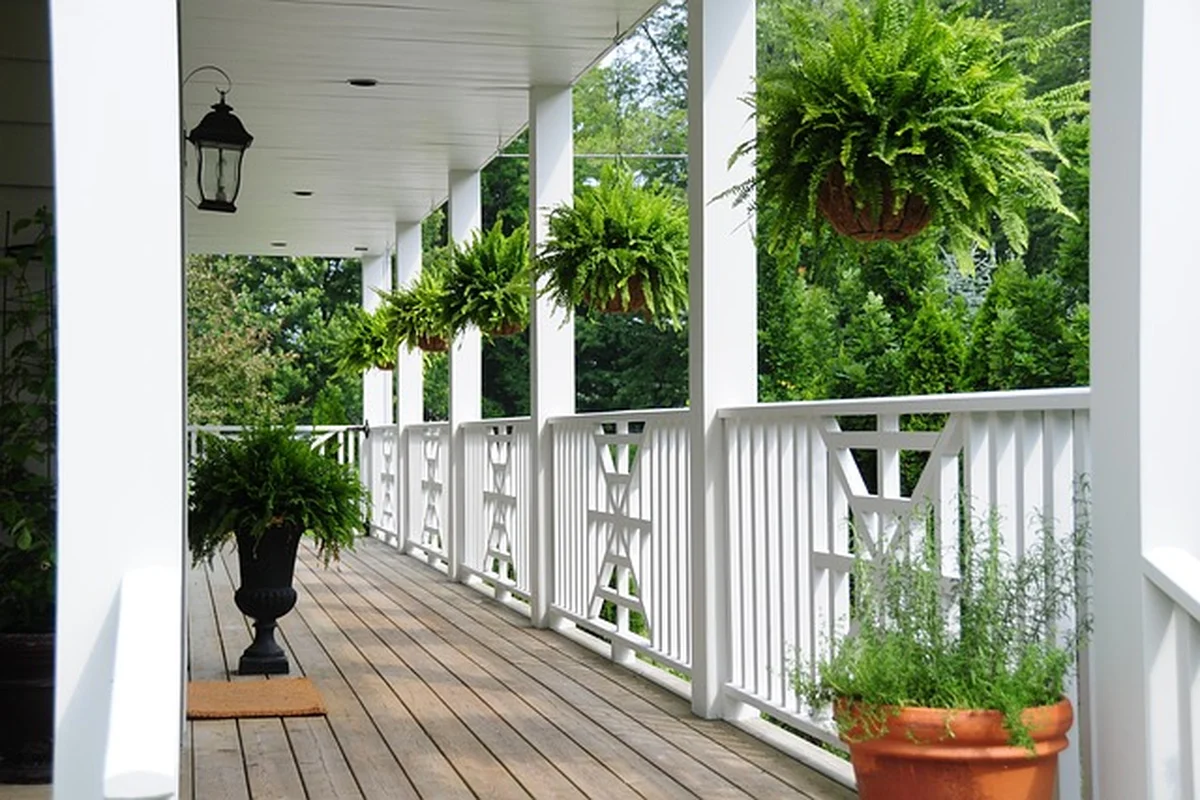
- Traditional spindles: Evenly spaced vertical boards, the most common look.
- Tapered pickets: Tapering the tops of each picket gives a slightly more refined profile.
- Decorative top rails: A thicker, contoured top rail elevates the whole design.
Pressure-treated pine is the most affordable and widely available choice for pickets. Cedar and redwood cost more but resist rot and insects naturally. Whatever you choose, follow your local building code for spacing and height; the International Code Council (ICC) publishes the model code most local amendments are based on.
2. Horizontal Board Railings: Modern and Airy
For a more contemporary look, horizontal plank railings offer a clean, uncluttered line that can make a deck feel more open and expansive.
Key features:
- Sleek appearance: Clean lines create a modern aesthetic.
- Unobstructed views: Horizontal boards read as less visually restrictive than vertical pickets.
- DIY-friendly: Attaching horizontal boards is a straightforward process for a first-time builder.
Considerations for horizontal designs:
- Board spacing: Keep gaps under 4 inches, the same sphere-test rule that governs pickets and balusters.
- Wood choice: Pressure-treated lumber, cedar, or redwood all work; thicker boards resist sagging better over a long span.
- Post spacing: Closer post spacing matters even more with horizontal boards, since the boards themselves span between posts unsupported.
Horizontal railings work with wide boards laid flat, thinner boards stacked closely, or a wider top rail over narrower infill boards. The look pairs especially well with modern homes and decks with a view worth showing off.
3. Baluster and Spindle Variations: Adding Personality
Beyond the basic picket, there is a wide range of balusters and spindles to fill the space between the top and bottom rails.
Popular baluster styles:
- Square balusters: Simple, clean, and very common; a modern twist on the classic picket.
- Round balusters: Smooth and simple, or turned for a more traditional look.
- Decorative metal balusters: Cast aluminum, wrought iron, or steel, ranging from simple scrolls to intricate patterns. More expensive, but a real visual upgrade.
- Cable railing: Thin stainless steel cables stretched horizontally between posts for an open, minimalist look that maximizes a view. Installation is specialized enough that most homeowners bring in a contractor.
- Glass panels: Unobstructed views and a modern, upscale finish, but they need specialized mounting hardware and sealing.
Whatever baluster style you choose, confirm it meets the spacing rules in your area before you buy. For a first DIY project, square or round wooden balusters are the most forgiving to install.
4. Lattice Panels: Ambiance and Privacy
Lattice panels, usually wood or vinyl, add a charming design element to a deck railing and are typically used below the main rail or as part of a privacy screen.
Uses for lattice:
- Under-deck skirting: Hides the underside of the deck and keeps pests out.
- Privacy screens: Installed between railing posts to create semi-private nooks.
- Decorative accents: Smaller panels worked into the railing itself add visual interest.
Lattice comes in diamond or square patterns and multiple wood species. For a beginner, attaching pre-made panels to a simple wood frame is a manageable weekend task, as long as it is fastened securely enough to withstand wind.
5. Post Cap Finials: The Crowning Glory
Do not overlook the tops of your posts. Decorative post caps or finials, like the solar-powered ones above, are a simple way to finish off any of the four styles above.
Types of post caps:
- Flat caps: Simple, flat pieces that protect the post end from weather.
- Pyramid caps: A classic profile that slopes down from the center.
- Hipped caps: Similar to pyramid caps with a slightly different slope.
- Decorative finials: Ornamental carved wood or metal shapes, such as balls or acorns, mounted on top of the cap.
- Solar post cap lights: Function and style in one part, adding usable light with no wiring.
Pre-made caps are available at most home improvement stores. Attaching them is usually just wood glue and a couple of screws.
Choosing the Right Wood for Your Deck Railing
The material you choose affects the look, durability, and cost of your railing. Here is how the common options compare.
Wood Types at a Glance
| Wood Type | Pros | Cons | Best For |
|---|---|---|---|
| Pressure-Treated Pine | Affordable, widely available, resistant to rot and insects. | Can warp or crack without regular maintenance; needs periodic sealing. | Budget-conscious projects and anyone willing to reseal every 1-3 years. |
| Cedar | Naturally rot- and insect-resistant, lightweight, attractive natural color. | More expensive than pine; can dent or scratch easily. | Homeowners who want natural beauty on a moderate budget. |
| Redwood | Excellent natural durability, stable, rich color. | The most expensive common softwood; availability varies by region. | High-end projects and coastal climates. |
| Tropical Hardwoods (Ipe, Teak) | Extremely dense, durable, and naturally rot-resistant. | Expensive, heavy, and hard on standard tools and blades. | Experienced woodworkers who want maximum longevity. |
For most first-time builders, pressure-treated pine or cedar strike the best balance of cost, durability, and ease of cutting. Confirm any wood touching the deck frame or joists is rated for ground contact.
Deck Railing Height and Baluster Spacing: What the Code Actually Requires
Every style above still has to clear the same code minimums. Under the 2021 International Residential Code (IRC), Section R312.1.2 requires a guard on any deck walking surface 30 inches or more above grade, and that guard must be at least 36 inches tall for one- and two-family dwellings. Section R312.1.3 governs the infill: balusters, horizontal boards, or cable must be spaced so a 4-inch sphere cannot pass through anywhere in the guard. Local amendments and HOAs sometimes raise the height requirement to 42 inches, so confirm the exact number with your building department before you cut a single post.
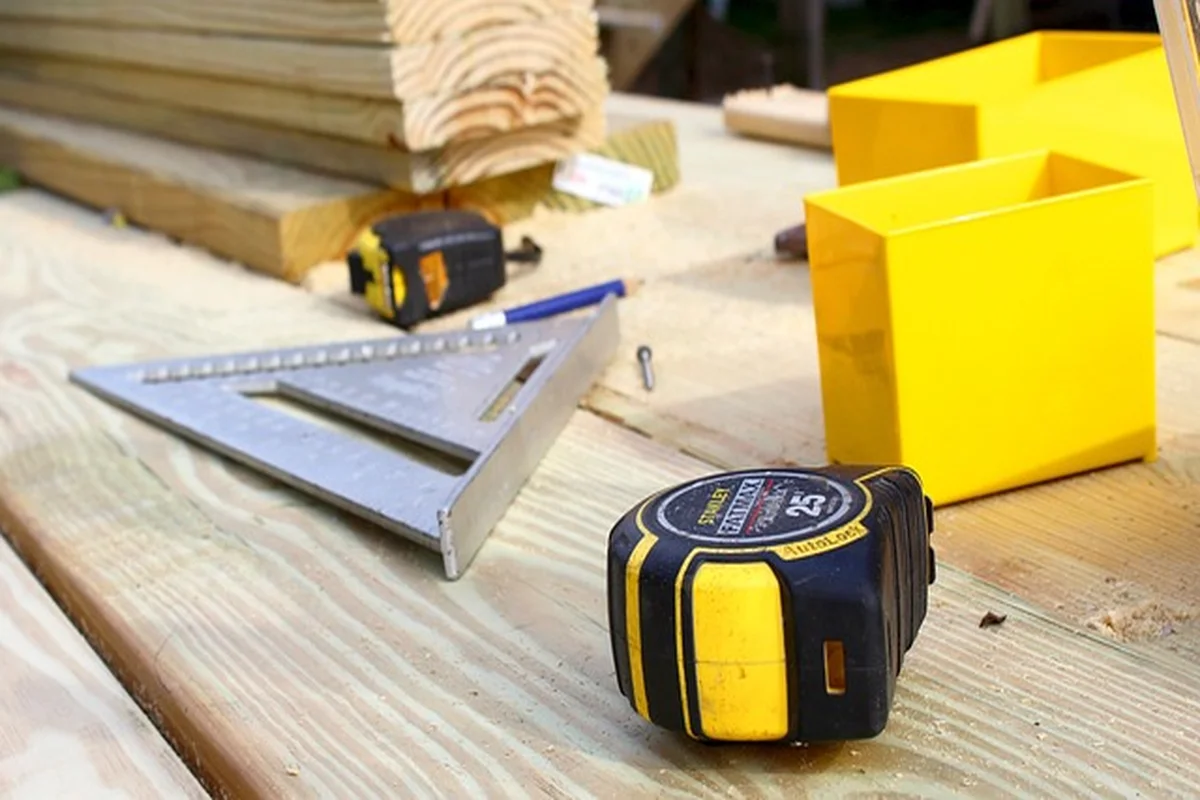
Posts are typically spaced every 4 to 6 feet, using 4×4 or 6×6 lumber depending on your design and local code. For the full parts list, tool checklist, and a step-by-step build of a basic picket railing, see our DIY wood deck railing build guide. For a deeper look at guard versus stair-handrail height and the full 4-inch baluster rule, our deck handrail safety guide covers the code side in more detail than we can fit here.
Keeping Your Wood Railing Looking New
A few common issues account for most of the complaints about a DIY railing, and all of them are easy to prevent or fix:
- Warped wood: Usually caused by uneven moisture exposure. Seal all surfaces, use thicker lumber for structural rails, and clamp warped pieces while a fresh coat of finish cures.
- Stripped screws: Pre-drill pilot holes slightly smaller than the screw diameter, and use a drill with variable speed and torque settings.
- Uneven picket spacing: A scrap-wood spacer jig cut to your exact gap keeps every picket consistent; it is easier to remove and re-set a few off pickets than to force them into place.
- Loose posts: Add more concrete at the base, improve the bracing, or re-bolt the post to the deck frame rather than just tightening what is already there.
Plan on cleaning and reapplying stain or sealer every 1 to 3 years, more often in a hot, sunny, or coastal climate, to keep any of these five styles looking like day one.
Frequently Asked Questions About Deck Wood Railing Ideas
What is the safest wood railing design for children and pets?
The safest designs are the ones that prevent small bodies from fitting through any gap. Vertical pickets or balusters spaced no more than 4 inches apart, or horizontal railings built to the same 4-inch rule, provide the best barrier. Avoid widely spaced horizontal boards or cable railing spans wider than 4 inches, especially with toddlers or small pets in the house.
How tall does my deck railing need to be?
Under the 2021 International Residential Code (IRC), a guard is required once your deck’s walking surface is 30 inches or more above grade, and it must be at least 36 inches tall for one- and two-family homes. Some local amendments or HOAs require 42 inches, so always confirm the exact number with your local building department before you cut a single post.
Do I need a permit to replace an existing deck railing?
Often, yes. Many jurisdictions require a permit for railing replacement even when the rest of the deck stays the same, particularly if the new design changes post spacing, height, or the attachment method. Call your local permit office before ordering materials; it is a five-minute call that can save you from tearing out a finished railing.
Which wood is best for a beginner’s first railing project?
Pressure-treated pine and cedar are the two most beginner-friendly choices. Pressure-treated pine is the most affordable and widely stocked, while cedar costs more but resists rot naturally and is easier to sand and finish. Both cut and drill with standard tools, which is why they show up most often in the wood-type comparison above.
Can I combine railing styles, like horizontal boards with post cap lights?
Yes. Post cap finials and solar post cap lights are designed to sit on top of the post regardless of what infill style you choose between the posts, so pairing horizontal boards, cable, or classic balusters with lighted caps is a common and straightforward combination.
Sponsored / affiliate links. As an Amazon Associate I earn from qualifying purchases. I may earn additional commission from eligible campaigns.