Deck Stain Colors: 6 Families Compared by Heat, Fade & Upkeep
Picking a deck stain color is mostly physics, not taste: it determines how much heat the deck absorbs, how well it hides dirt and scuffing, and how often you’ll need to reapply. Popular colors fall into six families – brown, gray, blue, red, green, and the newly popular black – with lighter tones staying cooler and hiding less, darker tones absorbing more heat but masking wear better. This guide compares all six by opacity, heat, fade rate, and the practical factors that should actually drive your pick.
Why Deck Stain Color Matters
Stain color isn’t just a cosmetic choice. Dark colors absorb more infrared radiation and can raise a deck’s surface temperature by 20–30°F on a sunny afternoon compared to a light gray or natural tone, which matters if you plan to walk on it barefoot. Color also affects how forgiving the finish is: medium browns and grays hide dirt, pollen, and foot traffic marks far better than very light or very dark stains, which show every scuff and water spot.
The color also sets the mood of the space. Warm browns read as traditional and cozy. Cool grays read as modern and coastal. Bold colors like blue or red make a deck a visual focal point but require more upkeep, since saturated pigments fade faster under UV exposure than neutral tones.
Best For Trying Multiple Deck Colors
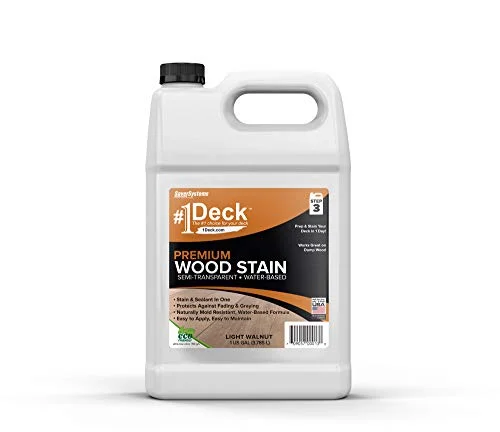 |
SaverSystems #1 Deck Premium Wood Stain – $35.99 A semi-transparent stain-and-sealer sold in Light Walnut, Cedar, Gray, and Dark Walnut – four of the exact color families covered in this guide, so you can compare them on real wood before committing.
|
Understanding Wood Stain Opacity
Opacity determines how much of the wood’s natural grain shows through the color. It’s the first decision to make, before you even pick a shade, because the same color name looks completely different at different opacity levels. There are four standard opacity levels:
- Clear: A sealant with no added pigment. It protects against moisture but does nothing to even out color variation, so it only looks good on wood that already has consistent, attractive grain, like a fresh cedar deck.
- Transparent: A light tint that still shows the wood’s full grain pattern. Best suited to newer decks in good condition, since it hides nothing.
- Semi-Transparent: More pigment while still letting grain show through. A practical middle ground for decks with light wear or minor color inconsistency – it masks small flaws without fully hiding the wood’s texture.
- Solid: Behaves like paint and fully covers the grain. Best for older, weathered decks with staining, patchy color, or repaired boards that would otherwise look mismatched.
Quick reference:
| Opacity Type | Color Intensity | Grain Visibility | Best For |
|---|---|---|---|
| Clear | None | Full | New, high-quality wood |
| Transparent | Light | High | New or slightly weathered wood |
| Semi-Transparent | Medium | Moderate | Moderately weathered wood |
| Solid | Full | None | Old, damaged, or weathered wood |
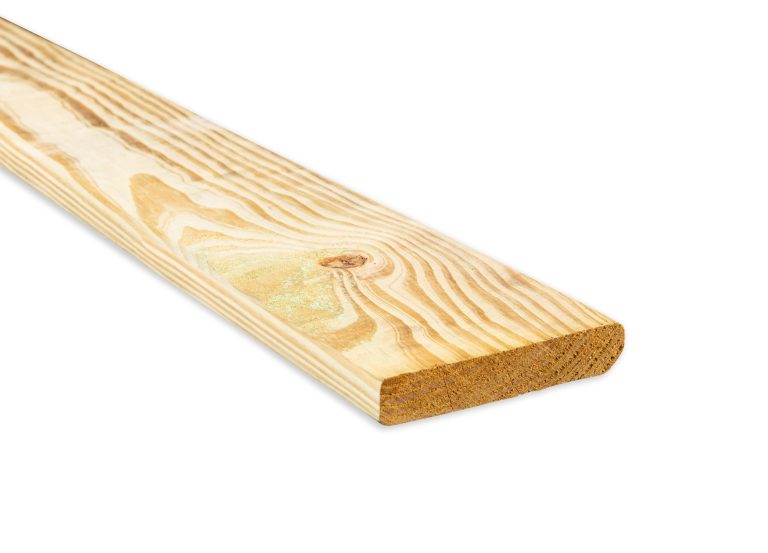
Always test the exact product on a scrap piece of the same wood species used on your deck – the same stain can look noticeably different on pine versus cedar versus a hardwood like ipe, because denser woods absorb less pigment.
Popular Wood Stain Colors for Decks
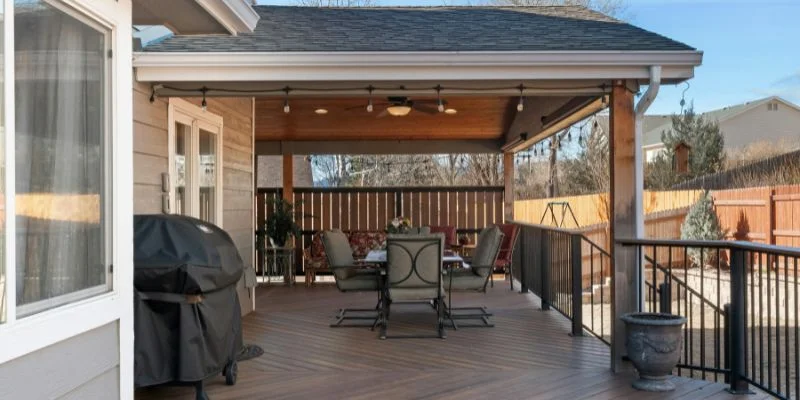
Within each opacity level, color families behave differently in terms of heat absorption, dirt-hiding, and how they read against a home’s exterior. Here’s how the six most common deck stain color families compare.
Brown Tones: Warm and Timeless
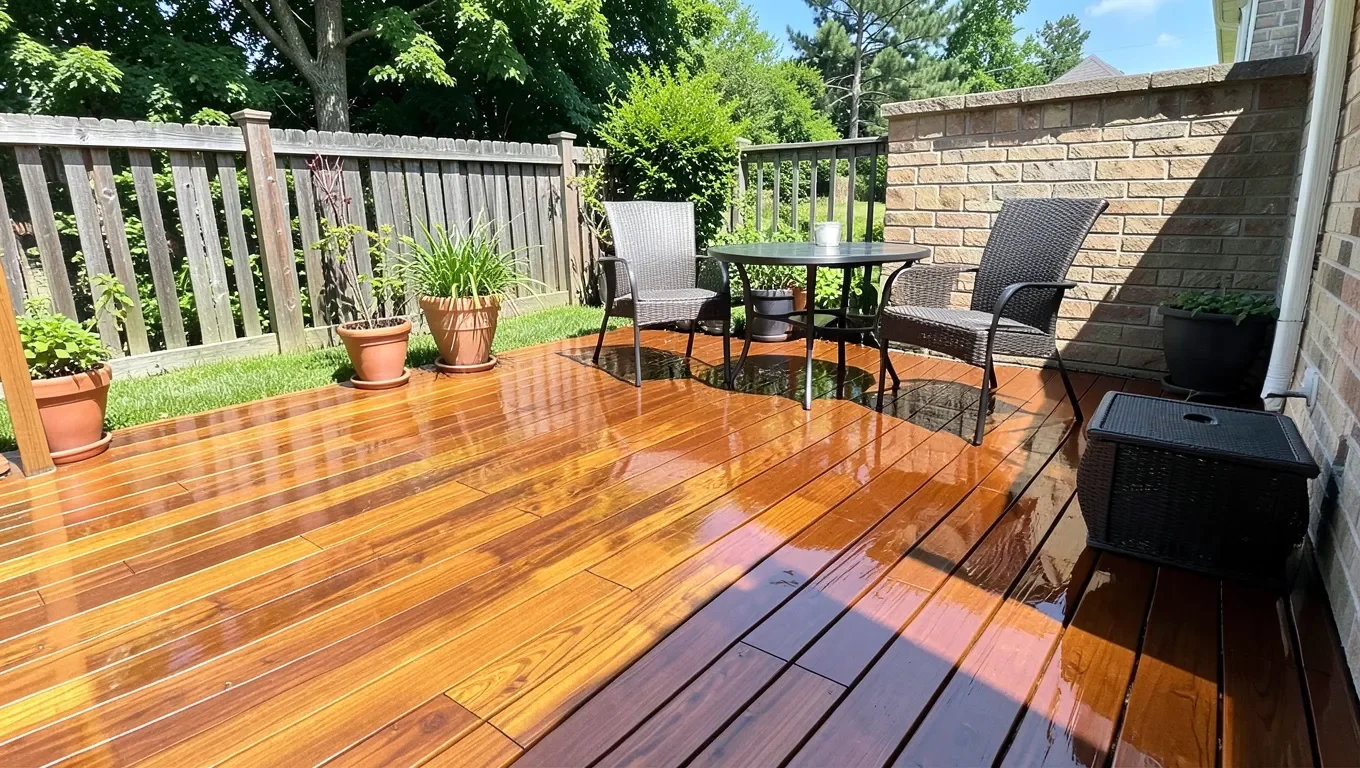
Brown is the most common deck stain choice because it works with almost any exterior and any style of landscaping. It also tends to hide dirt and pollen better than lighter or cooler tones.
- Cedar: A light, warm brown with red-yellow undertones. Reads as rustic and works especially well over pressure-treated pine.
- Mahogany: A deep reddish-brown that reads as formal and higher-end. Because it’s a saturated dark tone, it shows fading at the edges before lighter browns do, so it needs more consistent maintenance.
- Dark Walnut: Nearly black-brown, suited to modern or urban-style homes. Being this dark, it absorbs the most heat of the brown family – a real consideration in full-sun climates.
- Acorn: A medium, forgiving brown that hides dirt well and pairs with both traditional and contemporary exteriors.
Browns are the safest choice for high-traffic decks or homes with pets, since medium-to-dark brown tones mask scuffing and paw prints better than most other colors.
Gray Tones: Cool and Modern
Gray has become one of the fastest-growing deck stain categories, especially for coastal, farmhouse, and minimalist-style homes.
- Driftwood Gray: A light, airy gray that mimics naturally weathered wood. Neutralizes the yellow undertones common in pine and cedar.
- Stonehedge Gray: A medium, versatile gray that pairs naturally with stone patios and hardscaping.
- Mountain Gray: A darker gray with a subtle blue cast, useful for shaded decks where mildew growth is more of a concern than heat.
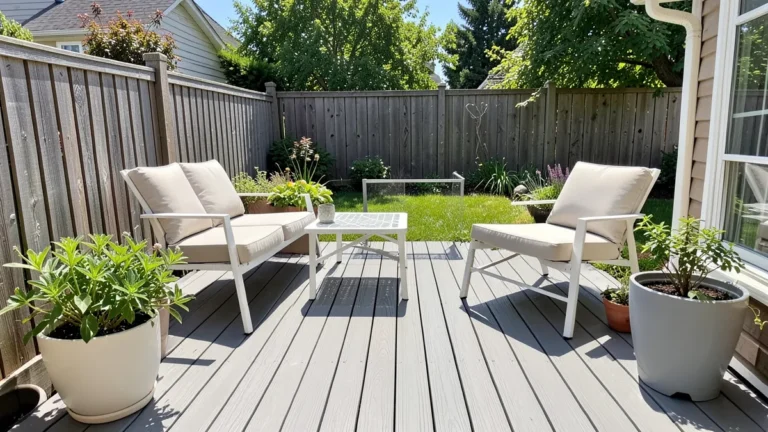
Gray tones reflect more sunlight than dark browns, so they stay noticeably cooler underfoot in full-sun locations, and they tend to fade more evenly than saturated colors.
Blue Tones: Unique and Coastal
Blue stains are far less common than brown or gray, which is exactly why they stand out. They work best on lighter woods like cedar or pine, where the pigment shows clearly.
- Blue Granite: A muted gray-blue with a calm, understated look.
- Cool Breeze: A brighter, Mediterranean-leaning blue that pairs well with white outdoor furniture.
- Midnight Blue: A deep, saturated blue best suited to modern decks, often paired with glass or black metal railings.
Because blue pigments are less UV-stable than earth tones, expect blue stains to need touch-ups sooner – plan on checking for fading at the two-year mark rather than the usual three.
Red Tones: Bold and Vibrant
Red stains make a deck the visual centerpiece of a yard rather than a background element.
- Spiced Red: A warm, terracotta-leaning red with a festive, Mediterranean feel.
- Redwood: A natural red tone that enhances (rather than masks) the reddish tint already present in redwood and cedar.
- Fiery Red: A bright, orange-leaning red best used as an accent on a smaller deck section rather than the whole deck, since it’s a lot of color to commit to.
Red is one of the highest-maintenance color choices because red pigments fade under UV exposure faster than browns or grays – budget for more frequent recoating if you go this route.
Green Tones: Earthy and Harmonious
Green is the least common deck stain color, but it blends a deck into a yard rather than making it stand apart from one.
- Sage Green: A soft, gray-green with a calming, muted effect.
- Woodland Green: A brown-toned green that hides imperfections about as well as a medium brown does, while tying visually into nearby trees or landscaping.
- Avocado Green: A brighter, yellow-leaning green suited to smaller family-oriented decks and play areas.
Green pairs naturally with brown and tan accents and works best on decks surrounded by lawn or garden beds rather than hardscaping.
Black Tones: Dramatic and On-Trend
Black is the newest deck stain color family to go mainstream, paired most often with modern homes, black metal railings, and light-colored siding for contrast. It only works as a solid stain or a heavily-pigmented semi-solid – a transparent black would just look like a very dark brown, since there isn’t enough pigment to read as true black through the grain.
- Jet Black: A true, saturated black that reads as strikingly modern against white or light-gray siding.
- Charcoal Black: A softer black with a warm gray undertone – less stark than jet black and more forgiving between cleanings.
Black absorbs more solar heat than any other stain color on this list, so it’s the color most affected by climate – expect the surface to run noticeably hotter underfoot than a brown or gray deck in the same sun. It also shows dust, pollen, and water spots more visibly than a medium brown, since there’s no mid-tone for them to blend into.
📊 In a real-world deck-color heat test on composite decking, the lightest color measured 167°F, dark brown 190°F, and black about 200°F on a 78°F day – a roughly 33°F gap between the lightest and darkest boards. Stained wood follows the same principle: darker and black stains run measurably hotter underfoot than light or medium tones. Source: Cascade Fence & Deck, deck color temperature test
Factors to Consider When Choosing a Deck Stain Color
Color choice should be driven by a handful of practical factors, not just what looks appealing on a paint chip.
Your Deck’s Wood Type
Wood species changes how a color looks once applied. Softer woods like pine absorb more stain and end up darker than the color swatch suggests. Denser hardwoods like ipe absorb less, so the same stain looks lighter and more muted. Always test on a scrap piece of the actual wood species on your deck – never trust a color chip or a photo of the stain on a different wood type.
Climate and Sun Exposure
Location matters more than most people expect. Dark stains in full-sun climates can push deck surface temperatures uncomfortably high in summer, while light colors like gray or cedar reflect more heat and stay cooler underfoot. Shaded decks can handle darker colors like mahogany or dark walnut without the heat penalty. In humid or wet climates, look for a product with mildew inhibitors built in, particularly for green or gray stains, which show mildew growth less obviously than browns.
Home Style and Surroundings
Match the stain to the home’s overall palette. Warm browns generally suit traditional homes; driftwood or stonehedge grays suit modern or coastal homes. Consider what’s around the deck too – browns blend into greenery and garden beds, while blues and grays read better near water features, pools, or stone patios.
Maintenance Needs
Medium browns and grays are the most forgiving on high-traffic decks because they mask scuffs, dirt, and minor stains. Bright colors like red or blue show wear and fading faster, which means more frequent inspection and touch-up work if you choose one of those.
Opacity and Deck Condition
New decks in good condition look best with transparent or semi-transparent stains that let the grain show. Older decks with weathering, staining, or patchy color generally need a solid stain to even everything out. Inspect the deck’s actual condition before picking an opacity level – it matters more than the color itself.
How to Test and Apply Deck Stain
Skipping the test step is the single most common reason a finished color doesn’t match expectations. Follow this process:
- Test on scrap wood: Apply a small amount of the stain to a piece of the same wood species as your deck, and check the color in both direct sun and shade, since lighting shifts how a color reads.
- Prep the deck: Clean with a deck cleaner and stiff brush, then rinse with a pressure washer. On older decks, use a wood brightener first to open up the grain so the stain absorbs evenly.
- Apply the stain: Work in small sections, brushing along the grain to avoid lap marks and drips. Use a roller on large open areas and a brush for edges and railings. Apply on a cool, overcast day – direct sun causes the stain to dry too fast and can leave visible brush strokes.
- Let it cure: Wait at least 24–48 hours before walking on the deck, longer in cool or humid weather. Most modern deck stains include a built-in sealant, so a separate topcoat usually isn’t necessary – check the product label to confirm.
The same stain can look meaningfully different in full sun versus shade once it’s dried, so don’t skip the scrap-wood test even if you’re confident in the color choice.
Trending Deck Stain Colors for 2026
Natural and neutral tones continue to dominate deck stain trends heading into 2026, driven by demand for finishes that look intentional rather than heavily processed.
- Natural Tones: Transparent stains that let real grain show remain the top choice for new decks, since they read as timeless rather than trend-driven.
- Gray Tones: Driftwood and stonehedge grays remain strong for coastal and modern homes, valued for their clean, minimalist look.
- Dark Browns: Dark walnut and ebony-leaning browns remain popular for urban and contemporary decks that want a sleek, low-maintenance-looking finish.
- Muted Blues: Understated blues like blue granite are gaining ground as a calmer alternative to saturated primary colors.
- Black Tones: Jet black and charcoal black are having a real moment on modern decks with black metal railings – though they run hotter than any other family in full sun.
Trends are a useful starting point, but the practical factors above – wood species, climate, and maintenance tolerance – should still decide the final color.
Tips for Maintaining Your Stained Deck
Staining is the start of deck care, not the end of it. A few consistent habits keep a stained deck looking good for years:
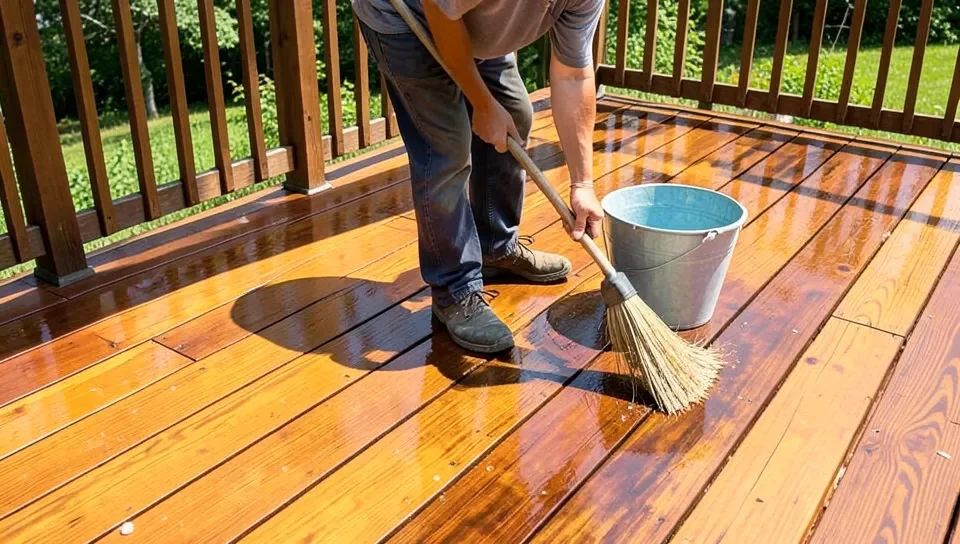
- Clean regularly: Sweep weekly and wash with a mild deck cleaner every six months to prevent dirt and pollen buildup from dulling the finish.
- Reapply on schedule: Most stains need refreshing every 2–3 years. Check for fading, graying, or peeling and reapply before the wood is left unprotected.
- Protect from wear: Use furniture pads under heavy items to prevent scratches, and cover or store furniture during harsh winter weather.
- Inspect each spring: Walk the full deck and check for splinters, cracked boards, or loose fasteners, and address them before they get worse.
Consistent light maintenance does more for a stained deck’s long-term appearance than any single high-effort refinishing job.
Conclusion
Choosing a deck stain color comes down to three practical questions: how much grain do you want visible (opacity), how much heat and fading can the color tolerate in your climate, and how forgiving does the finish need to be for your deck’s actual use. A natural cedar or brown tone is the safest starting point for most homes; gray suits modern and coastal styles; blue, red, and green work best as deliberate style choices rather than defaults. Test any color on a scrap piece of your actual deck wood before committing, since the same stain can look very different depending on species and lighting.
Frequently Asked Questions
What is the best wood stain color for a new deck?
For a new deck in good condition, a transparent or semi-transparent stain in a natural tone like cedar or acorn works best. These let the wood’s grain show through while still adding UV and moisture protection. Always test the color on a scrap piece first.
How do I choose a deck stain color that matches my home?
Start with your home’s exterior colors – siding, trim, and roof. A stain that complements or matches the trim usually reads as intentional. Gray stains tend to pair well with modern homes, while brown tones suit more traditional exteriors.
Do darker stains protect better than lighter ones?
Not necessarily. Protection depends mainly on the stain’s opacity and formulation, not its color. Solid stains offer the most UV coverage, but a high-quality semi-transparent stain can protect nearly as well while still showing the wood’s grain.
How often should I restain my deck?
Most deck stains need reapplication every 2–3 years, depending on the product and local weather exposure. Transparent stains typically need more frequent touch-ups than semi-transparent or solid stains. Check yearly for fading or peeling to catch it before the wood is left unprotected.
Can I use bold colors like blue or red on my deck?
Yes – bold colors like blue or red can work well as a deliberate style choice, especially on smaller decks or as accents. Just be aware that saturated pigments fade faster under UV exposure than neutral browns or grays, so plan on more frequent maintenance if you choose one.
Is black a good color for a deck stain?
Yes, but budget for upkeep. Black shows dust, pollen, and water spots more than a medium brown, and it runs hotter underfoot in full sun than any other color family — a real-world test on composite decking measured black boards around 200°F versus 167°F for the lightest color on the same 78°F day. Black works best as a solid stain on decks with some shade or a milder climate.
Sponsored / affiliate links. As an Amazon Associate I earn from qualifying purchases. I may earn additional commission from eligible campaigns.