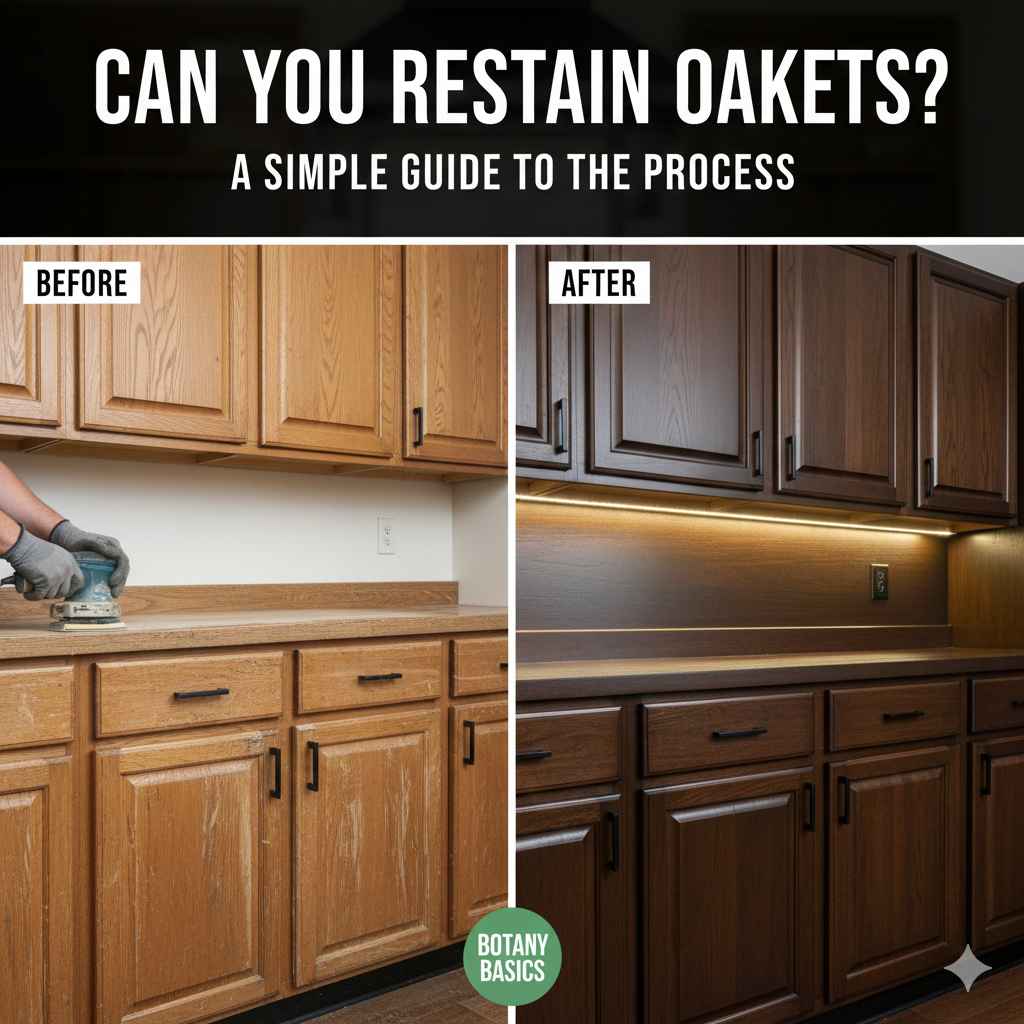
Can You Restain Oak Cabinets? A Simple Guide to the Process
Thinking about updating your kitchen? Many homeowners wonder, Can You Restain Oak Cabinets? Step-by-Step Guide is a common question, and for good reason! Oak can be tricky due to its grain. But don’t worry, this doesn’t have to be a difficult project. This guide will make the process easy to follow. We’ll walk through each stage to transform your kitchen. We’ll explore the tools you need and steps to achieve a fresh look. Let’s get started!
Preparation Is Key: Getting Ready to Restain Oak
Before you even think about touching a stain, good prep work is important. This step makes sure the stain goes on smoothly and lasts. It’s like building a solid foundation before putting up a house. This means cleaning, sanding, and fixing any damage. It’s time to gather your supplies. You’ll need things like safety glasses, sandpaper, and a scraper to prepare your cabinets. This section will walk you through these steps and give you the best chance for a successful finish. Failing to prep correctly can lead to an uneven and disappointing finish. Let’s explore each aspect of preparation. This prepares the oak for the restaining process.
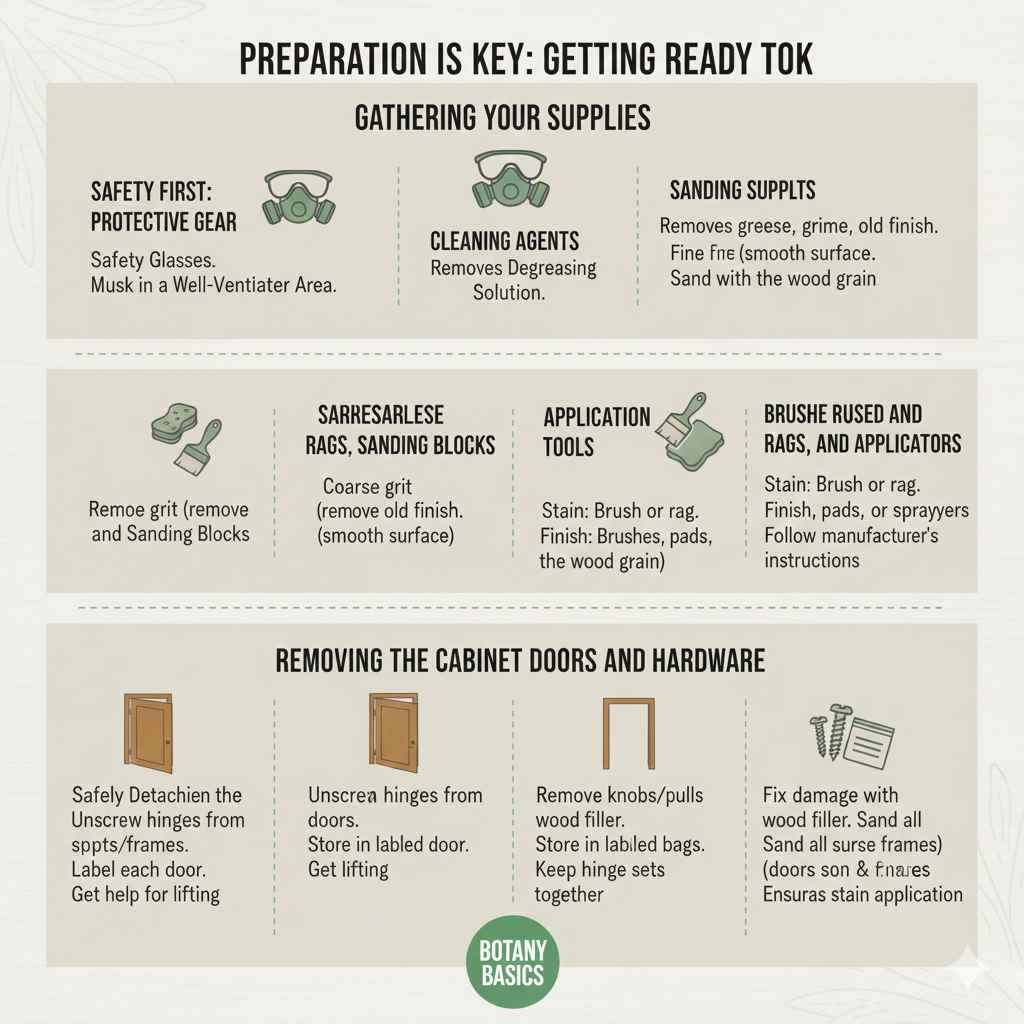
Gathering Your Supplies
Having the right tools and materials ready to go is important for any successful project. Think of it as assembling your team before the big game. You wouldn’t want to be missing a key player! Here’s a list of what you will need. This helps you get the most out of your restaining project.
- Safety First: Protective Gear.
Protecting yourself is the most important part of any project. This means gathering safety glasses to keep dust and debris out of your eyes. Also, you will need a dust mask or respirator. A dust mask will filter out the fine particles you create when sanding. Working in a well-ventilated area is also key. This ensures you avoid breathing in harmful fumes from the stain and finish.
- Cleaning Agents: Degreasing Solutions.
Before applying any stain, your cabinets must be clean. This means getting rid of grease, grime, and any old finish that might be left. Using a degreasing cleaner is the best way to do this. There are many options available. You can purchase commercial wood cleaners, or even mix your own using household ingredients. Make sure you select a product that’s made for wood surfaces. It should remove any buildup on the cabinet surfaces.
- Sanding Supplies: Sandpaper and Sanding Blocks.
Sanding is a crucial step when you restain oak cabinets. You need to smooth out the existing finish. This allows the new stain to absorb properly. You’ll need various grits of sandpaper. Start with a coarse grit to remove the existing finish. Then move to a finer grit to smooth the surface. Using a sanding block helps you keep your surface even. Remember to sand with the grain of the wood.
- Application Tools: Brushes, Rags, and Applicators.
The tools you use to apply the stain and finish greatly impact the final look. For stain, a brush or rag can do the job. Make sure you choose applicators specifically designed for applying stains. For the finish, you can use brushes, pads, or sprayers. Brushes are good for detailed work. Pads give a smooth finish. Sprayers provide an even coat but require some practice to avoid drips. Always follow the manufacturer’s instructions for the best results.
Removing the Cabinet Doors and Hardware
Now that you have your supplies, the next step is getting ready for sanding and staining. Removing the doors and hardware is an important step. It makes the job easier and helps you get a better finish. It’s also important for safety. Now is the time to gather your tools and get started. This helps you work safely and get an even finish on your cabinets.
- Safely Detaching the Doors.
Start by removing all of your cabinet doors. Use a screwdriver to unscrew the hinges from both the doors and the cabinet frames. Place all hardware in a safe place, like a labeled baggie. This helps keep everything organized. Always have someone help, if possible. This makes lifting and carrying easier. Once the doors are off, label each one. This helps you remember where they go.
- Unscrewing and Storing Hardware.
After removing the doors, remove all hardware, such as knobs and pulls. Use a screwdriver or appropriate tools. Place all hardware parts into a labeled bag or container. This prevents loss. Labeling helps make sure you know where each piece goes. If your cabinet doors have multiple hinges, be sure to keep them together.
- Preparing the Cabinet Boxes.
While the doors are removed, examine the cabinet frames for any damage. Use wood filler to fix any holes or dings. Sand down all the surfaces. This includes both the doors and the frames. This makes sure the stain will apply evenly. This step often gets overlooked. It is an important part of restaining your cabinets. Failing to do this can ruin the final look.
Sanding the Oak Cabinets: Preparing the Surface
Sanding is the most important step in the process. It is the key to a good finish. It is the process that allows the stain to bind with the wood. It removes old finishes, smooths out imperfections, and opens up the wood grain to accept the stain. This section provides a step-by-step guide to achieve the best results. It is important to remove the old finish. This will determine how your cabinets look. It’s not a step to be skipped. Let’s explore the sanding techniques. Proper sanding ensures the stain bonds with the oak for a long-lasting and attractive finish.
Choosing the Right Sandpaper Grit
The type of sandpaper you use is a key decision. The right grit can make or break your finish. Understanding the different grits and their uses is very important. This helps you remove the old finish, and smooth out the surface. This prepares the wood to accept the stain. This step is about getting the right materials. This will give you the best end result when you restain oak.
- Coarse Grit for Stripping.
When starting, choose a coarse grit, like 80-grit or 100-grit. This is the first step in removing the old finish. It efficiently takes off layers of paint or varnish. This will reveal the bare wood. Be careful. This grit can be aggressive. This makes removing the old finish fast, but it can also scratch the wood if you are not careful. Use it cautiously to avoid damaging your cabinets. Apply even pressure when sanding.
- Medium Grit for Smoothing.
Next, use a medium grit sandpaper, like 120-grit or 150-grit. This stage smooths the wood. It removes scratches left by the coarse grit. This step makes sure you have a smooth surface for the stain. Spend time in this stage, checking the surface often. Ensure all scratches from the coarser paper are gone. Sand in the direction of the wood grain.
- Fine Grit for Finishing.
Finish with a fine grit, like 180-grit or 220-grit sandpaper. This step makes the surface extra smooth. It prepares the wood for the stain. At this stage, you are polishing the wood. The goal is to create a soft, even surface. This will show off the stain. After sanding, remove any dust with a tack cloth or vacuum. This step helps ensure the stain binds with the wood.
Sanding Techniques and Tips
Sanding is a skill that takes practice. To achieve professional results, you need to use the right techniques. You’ll need to know about safety, and keeping your surfaces smooth. Follow these tips to improve your sanding skills. This will help you avoid problems when you restain oak. Remember that slow and steady wins the race. Taking your time will reward you in the end.
- Sanding With the Grain.
Always sand in the direction of the wood grain. This prevents scratches. This will make your final finish look better. Sanding with the grain also helps the stain penetrate the wood. Use long, steady strokes. Don’t push too hard. This can damage the wood. Pay close attention to how the wood responds to the sanding. It is important for the final look.
- Using Sanding Blocks.
Using a sanding block is a good way to get a flat and even surface. It helps spread the pressure. This is good when you are sanding flat surfaces. When you apply even pressure, it makes your sanding easier. If you don’t use a sanding block, you can create uneven areas. This might be seen after the stain is applied. Using a sanding block is a good step.
- Cleaning Up Sanding Dust.
Sanding creates a lot of dust. Clean up the dust with a vacuum or a tack cloth. Remove all dust before you apply the stain. Dust gets in the way of the stain binding. Thorough cleaning helps the stain soak into the wood. Clean surfaces will help you get an even and professional-looking finish. This often gets skipped. But removing the dust will help make your cabinets look great.
Staining the Oak Cabinets: Applying the Color
You’ve prepared the surface and now it’s time for the fun part: staining. This section gives you the steps for achieving the color you want. It’s time to choose your stain. Then, you can apply it. The final look depends on your stain choice. It also depends on how you apply it. Let’s explore the best way to get a good stain. This will give your kitchen an improved look. You’ll be one step closer to your dream kitchen.
Selecting the Right Stain
Choosing the right stain is a critical decision. You want a stain that looks great and is easy to use. Different types of stains have different features. Some stains are designed to penetrate the wood. Others sit on the surface. These choices affect the final look. There are different factors you will want to consider. These will help you pick the best stain for your cabinets. This will help you get the best look.
- Types of Wood Stains.
There are several types of wood stains to choose from. Oil-based stains are popular because they go on easily. They also create a rich color. Water-based stains are eco-friendly. They also dry quickly. Gel stains are good on vertical surfaces because they don’t drip. They are also thicker and stay put. Consider the pros and cons of each type. This will help you pick the right stain.
- Choosing the Right Color.
The color of the stain is important for the look of your kitchen. Consider the colors in your kitchen. Choose a color that matches your style. You can also experiment. Get samples of a few different colors and test them. Testing is important because colors can change. They might change depending on the type of wood. Also, consider the look of your kitchen. This helps you select the best color.
- Testing Your Stain.
Test the stain on a hidden area of your cabinet doors or on a scrap piece of oak. This lets you see the color and how it looks. Apply the stain. Then let it dry. This way, you can see if the color looks right. You can make changes if needed. Also, you can change the look of the color. You can add more or less stain. Testing your stain first can save time and money. This helps avoid mistakes.
Staining Techniques and Methods
Applying the stain correctly is important for getting a good finish. If you apply it wrong, you can get streaks or uneven color. This section gives you a step-by-step guide. It will show you how to apply the stain evenly. You’ll also learn how to fix any issues. It shows you everything you need to know. It will help you achieve a good finish. It will give your kitchen an improved look. Let’s get started.
- Preparing the Stain.
Before staining, stir the stain. Don’t shake it, which can cause bubbles. Make sure the stain is mixed well. This ensures a consistent color throughout. You might need to strain the stain. This removes any lumps or debris. This helps the stain apply smoothly. Always use a clean container. This helps prevent contamination. You should always read the instructions. This will give you the best results.
- Applying the Stain.
Use a brush, rag, or foam pad to apply the stain. Apply the stain evenly. Follow the direction of the wood grain. This avoids streaks. Wipe off any extra stain with a clean rag. This helps the stain penetrate the wood. Work in small sections. This helps you control the amount of stain. Check your work to ensure an even look. Follow the instructions on the stain.
- Multiple Coats and Drying Times.
You may need to apply more than one coat. Apply the first coat and let it dry. Then apply another coat. Make sure you sand lightly between coats. This helps the stain bind to the wood. The drying time depends on the type of stain. Read the instructions. Make sure the stain is dry before applying another coat. Be sure to let it dry completely.
Finishing the Oak Cabinets: Sealing and Protecting
After staining, you’ll need to apply a finish to protect the wood. This protects against water damage. It also protects against scratches. It’s what gives your cabinets a clean and polished look. This section will guide you through the different types of finishes. It will also guide you through the application. A good finish keeps your cabinets looking great. It also gives them a long life. Let’s explore the best way to get a durable and appealing finish.
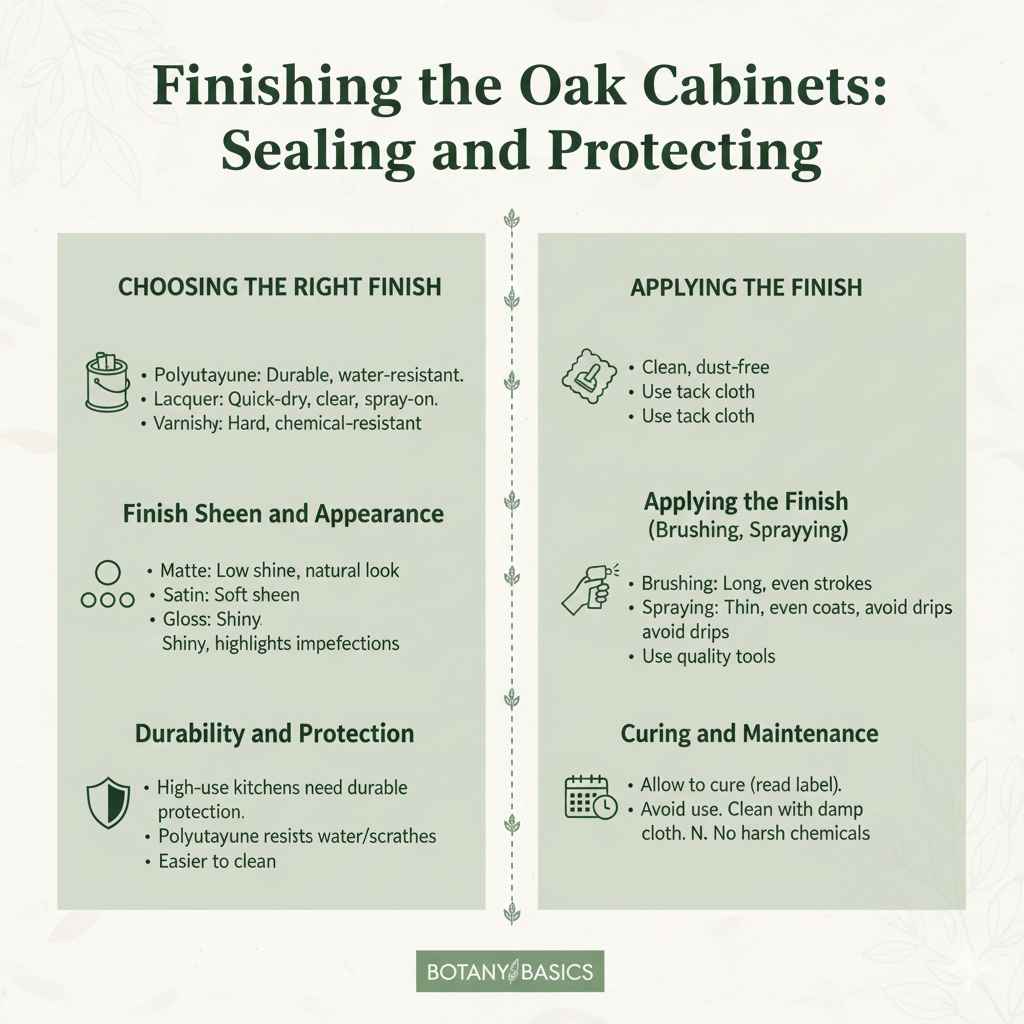
Choosing the Right Finish
There are different types of finishes. Each offers different benefits. The finish you choose determines how your cabinets look. It also determines how well they are protected. Each type has different levels of protection. There are several things you need to think about. Consider the look you want. Also, consider the amount of use your cabinets will get. This is the last step. It is important to protect your work and achieve your desired look.
- Types of Finishes.
There are many kinds of finishes to choose from. Polyurethane is popular. It is durable and water resistant. It can come in different looks, from glossy to matte. Lacquer dries quickly and gives a clear finish. It can be sprayed on. Varnish is known for its durability and resistance to chemicals. Each type has pros and cons. Think about where your cabinets are located. This will help you select the right finish.
- Finish Sheen and Appearance.
The sheen of the finish, whether it’s matte, satin, or gloss, affects the appearance of your cabinets. Matte finishes have a low shine and a natural look. Satin finishes give a soft sheen. Gloss finishes are shiny. Gloss finishes also highlight imperfections. The right sheen helps you get the look you want. Choose a sheen that fits your style. Consider the lighting in your kitchen. Then select the sheen that is right for your kitchen.
- Durability and Protection.
Consider how durable your finish needs to be. Cabinets in a high-use kitchen will need more protection. Polyurethane is a durable choice. It protects against water and scratches. If you have kids or a busy household, durability is important. If you want something that’s easy to clean, pick a more durable finish. It will give you peace of mind.
Applying the Finish
This is the final step in restaining your oak cabinets. Applying the finish correctly will help protect your hard work. It also improves how your cabinets look. Proper application makes sure the finish is smooth. This gives your cabinets a professional look. This section will provide the steps you need to apply your finish. It is important to work carefully. This way, you can get a lasting, beautiful look.
- Preparing the Surface.
Make sure the stained surfaces are clean and free of dust. Use a tack cloth to wipe away any dust particles. If needed, sand lightly with fine-grit sandpaper. This will improve how the finish bonds. Make sure your workspace is clean. Work in a well-ventilated space to avoid breathing in harmful fumes. Now you are ready to apply your finish. Careful preparation ensures the finish goes on smoothly.
- Applying the Finish (Brushing, Spraying).
You can apply the finish by brushing, spraying, or using a foam pad. If brushing, use long, even strokes. If spraying, apply thin, even coats. Avoid drips. For brushing, use a high-quality brush. Follow the directions on the product label. If spraying, hold the sprayer at the right distance. Make sure you apply the finish evenly. This helps get a professional look.
- Curing and Maintenance.
After applying the finish, let it cure. The curing time varies. Read the directions on the label. Avoid using the cabinets while they cure. Once the finish is fully cured, your cabinets are protected. Cleaning your cabinets is easy. Use a damp cloth. Avoid harsh chemicals. Regular care will help keep your cabinets looking good for many years.
Frequently Asked Questions
Question: Do I need to remove the existing finish on my oak cabinets before restaining?
Answer: Yes, you typically need to remove the existing finish. This allows the new stain to absorb properly and gives you a smooth, even surface for the new look.
Question: What’s the best way to clean oak cabinets before restaining?
Answer: A degreasing cleaner designed for wood surfaces works best. Make sure you clean off any grease, grime, and old finishes.
Question: How many coats of stain should I apply to my oak cabinets?
Answer: This can vary, but generally two coats of stain are recommended. It’s often best to lightly sand between coats to help with adhesion and a smooth finish.
Question: What is the best type of finish to use on oak cabinets?
Answer: Polyurethane is a popular choice for its durability and water resistance. However, the best finish depends on your desired look and use of the cabinets.
Question: How long should I wait between coats of finish?
Answer: Always check the product label for the recommended drying time between coats. This is important to ensure the finish cures correctly.
Final Thoughts
You’ve explored the process of, Can You Restain Oak Cabinets? Step-by-Step Guide. You’ve prepared the surface, chosen the right stain, and applied a protective finish. Now you’ve learned the key steps for transforming your kitchen cabinets. You are equipped with the knowledge needed to give your oak cabinets a new life. Remember that preparation is key.
Take your time, and enjoy the process. Good prep work and the proper materials will yield a great final result. Now, gather your tools, choose your colors, and get started. This guide empowers you to get the look you want. You can give your kitchen a whole new look. Be patient, and don’t be afraid to experiment. With care and attention, you can restain your cabinets and enjoy a refreshed kitchen. So, are you ready to start your next project?