How To Keep 4×4 Posts From Warping: Grain, Storage & Fixes
Most 4×4 posts warp because of a “boxed heart” cut — the tree’s pith running through the post’s center — which shrinks unevenly as it dries, not just from poor storage. Choosing a post cut away from the pith, sealing the end grain, and letting it acclimate before installing all matter more than most storage-only advice suggests. This guide covers real grain-selection technique, how to fix a post that’s already twisted, and when a laminated or composite post beats solid 4×4 stock.
Wood warping can ruin your outdoor projects and structures. When 4×4 posts twist, bend, or curve, they lose strength and stability, leading to crooked fences, unstable decks, and unsightly appearances — proper wood maintenance starts before the post ever goes in the ground.
Choosing Quality Wood
Best Post Stability Pick
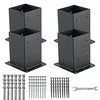
4×4 Metal Post Base Anchor Bracket
Keeps the post base elevated off wet concrete or soil and locked square, addressing both moisture uptake and alignment at once.
- Best for: new post installs on concrete footings or decks
- Why we picked it: keeps the vulnerable post base off standing moisture, reducing warp/rot risk at the ground line
- Main drawback: visible bracket — not ideal where a flush, hidden post base is wanted
Compare more post-stability tools
 Option 1 Digital Wood Moisture Meter
|
 Option 2 Anchorseal End Grain Sealer
|
 Option 3 Heavy-Duty Ratchet Tie-Down
|
As an Amazon Associate we earn from qualifying purchases.
Picking the right wood type is key. Cedar and redwood are great choices — both are naturally resistant to warping. Pressure-treated wood is another option, and it costs less. Avoid untreated pine; it warps easily on its own.
Grain orientation matters more than most buying guides mention. Choose wood with straight grain and tight grain patterns, and avoid wood with knots, which can cause warping.
Why “Boxed Heart” Posts Warp More Than Others
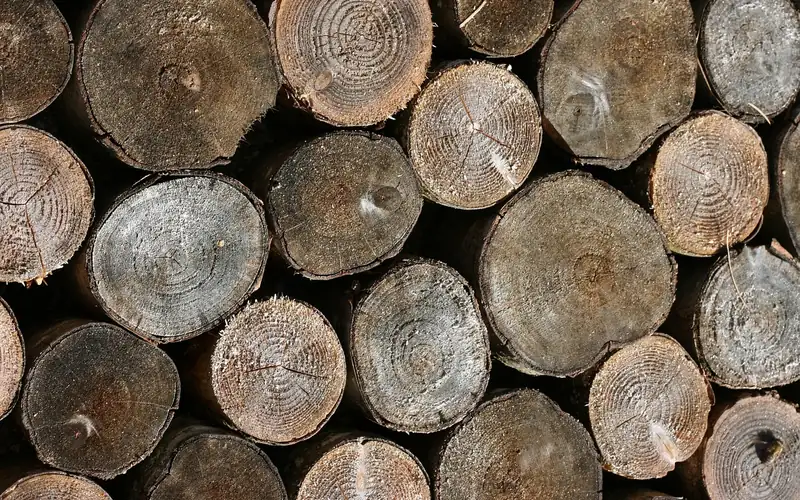
A boxed-heart post is one cut so the tree’s pith (its original center) runs through the middle of the 4×4. As the post dries, wood shrinks roughly twice as much in the tangential direction (around the growth rings) as it does radially (across them) — Source: USDA Forest Products Laboratory Wood Handbook. In a boxed-heart post, the growth rings on all four faces pull unevenly against each other around that retained center, which is exactly what produces twist and bow. A free-of-heart-center (FOHC) post has its growth rings cut through rather than boxed in, so it dries more evenly with smaller, more predictable end checks. Look at the end grain before buying: if you can see the pith (a small dark dot near the center) surrounded by rings on all sides, that post is more likely to twist as it finishes drying.
Laminated Posts: A Real Alternative To Solid 4×4 Stock
Building a post from 3-4 pieces of 2×4 or 2×6 laminated (glued and screwed) together is a genuine alternative used in pole-barn and carport construction specifically to avoid solid-post twisting. Dimensional lumber is typically better kiln-dried and more uniform in moisture content than thicker solid post stock, has no pith running through it, and any defects in each ply don’t line up — spreading stress out instead of concentrating it in one piece.
Do Composite Posts Warp?
No — composite (PVC/wood-plastic) posts don’t warp, twist, or split the way solid wood does, since they aren’t hygroscopic in the same way. The tradeoff: composite can soften or lose shape in heat and is more prone to sagging over long unsupported spans, so it needs closer post spacing than wood, and it costs more upfront.
Proper Storage Techniques
Indoor storage is best for 4×4 posts — it keeps them dry and stable. Outdoor storage is riskier since rain and moisture can cause warping. If you must store outside, cover posts with a tarp and keep them off the ground to avoid direct contact with water.
Use flat surfaces for stacking posts, and place spacers between each one to allow airflow. Stack in small piles rather than one large stack — large piles create uneven pressure that contributes to warping — and rotate the posts regularly to even out any pressure.
Pre-installation Preparation
Sealing wood is important — it helps keep moisture out. Use a good quality wood sealer on all sides, including the cut ends, which lose and absorb moisture fastest. Let it dry fully, and repeat if needed.
Wood needs to acclimate to its new environment. Leave it where it will be used for a few days before installing — this helps the wood adjust and reduces warping risk. Keep it off the ground on spacers while it acclimates.

How To Fix A Post That’s Already Warped Or Twisted
A mildly bowed or twisted post — especially one that hasn’t finished drying yet — can sometimes be pulled straight and held in place while it sets. A badly twisted, fully-dried post usually can’t be permanently fixed and is better replaced or rotated 90 degrees in the same hole.
- Pull it straight: Use a come-along or heavy-duty ratchet strap anchored to a fixed point to pull the post plumb.
- Set it under tension: Trench and pour fast-setting concrete around the base while holding the post straight, keeping tension on for at least 24 hours while it cures.
- Relieve internal stress (for mild bow only): A shallow relief kerf cut on the concave face can sometimes let a post bend back closer to straight before you set it — this only works before the wood has fully dried into its warped shape.
- Know when to replace it: If a post is severely twisted and already fully dry, no source recommends expecting a permanent straighten — pull it and start with a better piece of stock instead.
Effective Installation Practices
Braces and supports help keep posts straight during and after installation. Place braces at key points on the post using strong materials — metal or treated wood both work well. Check that braces are even and tight, and keep them at regular intervals for balanced support.
Correct spacing and alignment matter too. Measure the distance between posts and use a level to check alignment, making small adjustments as needed — regular checks during installation keep the whole structure strong and stable long-term.
Maintenance Tips
Check your 4×4 posts often for cracks, splits, or signs of warping. Small issues can grow, so fix them quickly to avoid bigger problems. Apply a sealer or paint once a year to block moisture — choose a quality product for the best results.
Is Cracking Normal, Or Is It Warping?
Small cracks on the end grain — called “checking” — are normal, especially on pressure-treated lumber, and are generally cosmetic rather than structural. Checking happens because the surface dries and shrinks faster than the core. Actual warping or twisting, where the whole post bends or bows out of alignment, is the real structural problem. One caveat: deep checks in non-factory-treated wood can expose less-preserved interior wood to moisture over time, so it’s still worth sealing checked ends rather than ignoring them.
Climate Considerations
Prevent 4×4 posts from warping by storing them in a dry, shaded area, sealing the wood with a protective finish, and inspecting them regularly.
Impact Of Humidity
Humidity can cause wood to warp — wood absorbs water from the air and swells, then shrinks again as the air dries out. This constant change can warp 4×4 posts over time. To prevent this, seal the wood with a good-quality sealant, keep posts off the ground, and store wood in a dry place.
Dealing With Temperature Fluctuations
Temperature changes can also cause warping — wood expands when warm and contracts when cool, which leads to warping over time. Use treated wood for more stability, paint or stain the wood for a protective layer, and avoid placing wood in direct sunlight where possible.
Common Mistakes To Avoid
Wood changes shape as it shrinks or swells — ignoring this can cause warping. Always leave a little room for the wood to move, and keep it dry, since wet wood warps faster. Using treated wood with a lower moisture content helps significantly.
Loose screws are another common mistake — they let the wood move. Use the right screws, tighten them well, but not too tight, since too much pressure can crack the wood. Use brackets for extra support to hold the wood steady and keep the post straight.
Expert Advice And Resources
Talking to experts can save time — builders and contractors with years of experience can give the best tips and may even suggest better wood or treatments for your specific site.
Using the right tools makes a real difference: moisture meters check wood moisture before you commit to a post, quality wood sealers protect against water, braces keep posts straight during installation, and plastic or metal post anchors provide better long-term stability.
Frequently Asked Questions
How Can I Prevent 4×4 Posts From Warping?
Choose a post cut away from the pith (free-of-heart-center) rather than a boxed-heart post, ensure it’s properly dried before use, seal it with a quality wood preservative, and store it horizontally and off the ground to avoid moisture absorption.
What Causes 4×4 Posts To Warp?
4×4 posts warp due to uneven shrinkage as they dry, which is worse in boxed-heart posts where the pith runs through the center. Moisture absorption, improper storage, and exposure to weather conditions also contribute to warping.
Is Treated Wood Less Likely To Warp?
Yes. Treated wood undergoes a process that helps stabilize moisture content, making it more resistant to warping than untreated lumber of the same species.
How Should I Store 4×4 Posts?
Store 4×4 posts horizontally and off the ground, on spacers that allow airflow. Cover them with a tarp if stored outside, and stack in small piles rather than one large pile to avoid uneven pressure.
Can A Warped 4×4 Post Be Fixed?
A mildly bowed post that hasn’t finished drying can sometimes be pulled straight with a come-along or ratchet strap and set under tension. A severely twisted, fully-dried post generally cannot be permanently fixed and should be replaced or rotated 90 degrees in the same hole.
Conclusion
Keep 4×4 posts from warping by starting with the right grain (free-of-heart-center over boxed-heart), sealing all faces including the ends, letting the wood acclimate before installing, and storing it properly in the meantime. If a post does warp, a mild case caught early can sometimes be pulled straight — a badly twisted, fully-dried post is usually better replaced.
Sponsored / affiliate links. As an Amazon Associate I earn from qualifying purchases. I may earn additional commission from eligible campaigns.