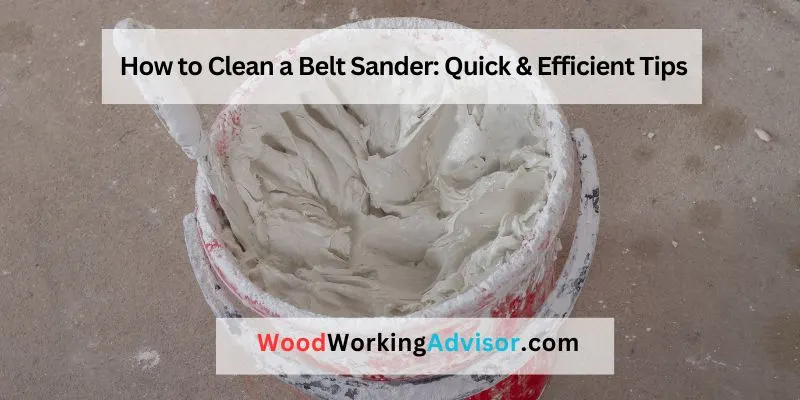
How Long Does It Take for Putty to Dry: Expert Insights
Drying time depends heavily on which putty you mean. Wall spackle/joint compound dries to the touch in 1-2 hours (24 hours to fully cure); wood filler putty takes 1-8 hours; but window glazing putty needs 5-7 days minimum before you can paint it, and traditional linseed-oil glazing putty can take 7-21 days to skin over and 8-12 weeks to fully cure.
Putty is a versatile material used for filling gaps, cracks, and holes in various surfaces. Many homeowners and DIY enthusiasts rely on it for quick repairs. Understanding the drying time is crucial for effective application. Factors like temperature, humidity, and the type of putty can significantly affect drying times.
Whether you’re patching a wall or sealing windows, knowing how long it takes for putty to dry helps ensure a smooth finish. Proper preparation and patience can lead to professional-looking results. This guide will help you navigate the drying process for optimal outcomes in your projects.
Introduction To Putty Drying Times
Best Fast-Dry Pick
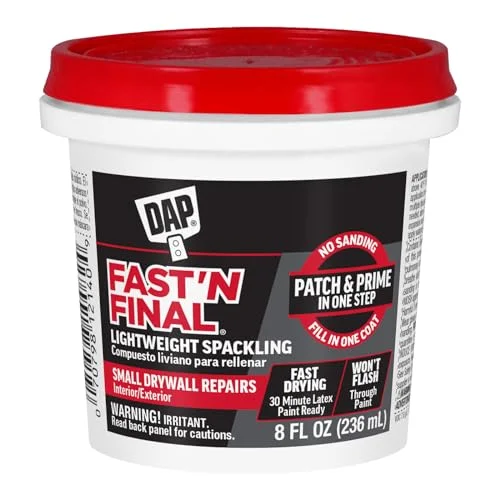
DAP Fast ‘N Final Quick-Dry Spackle
Patch-and-prime-in-one wall filler that’s paintable in as little as 30 minutes — the fastest option on this list by far.
- Best for: small nail holes and wall dents where you want to paint the same day
- Why we picked it: won’t shrink or crack like some fast-dry fillers do
- Main drawback: not designed for large holes or structural gaps — it’s a wall filler, not an epoxy
Compare more putty options by type
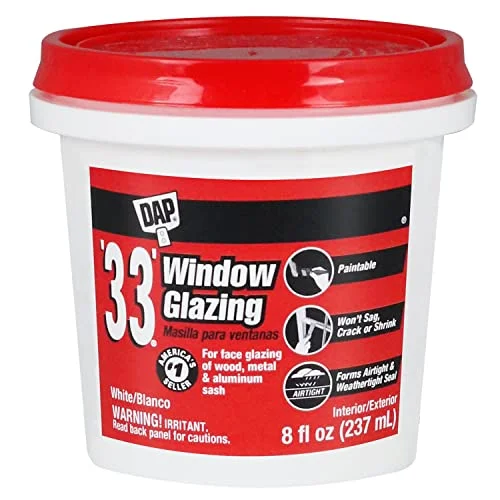 Option 1 DAP Window Glazing Putty
|
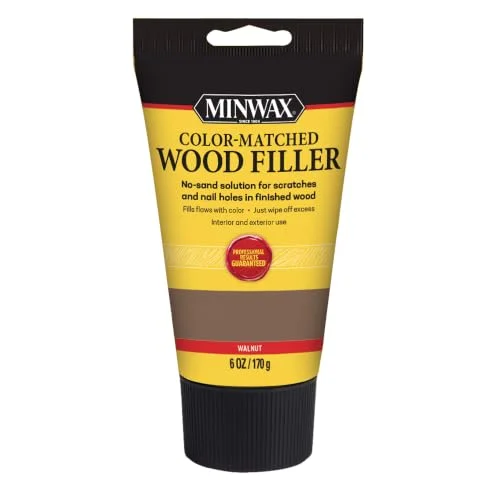 Option 2 Minwax Color-Matched Wood Filler
|
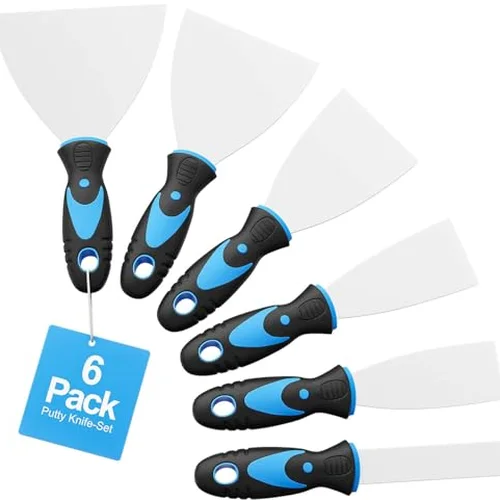 Option 3 6-Piece Flexible Putty Knife Set
|
As an Amazon Associate we earn from qualifying purchases.
Putty drying times can vary greatly. Temperature, humidity, and airflow are key factors. A higher temperature speeds up drying. High humidity can slow it down. Good airflow helps putty dry faster.
Different types of putty have different drying times. Oil-based putties usually take longer than water-based ones. Manufacturers often provide specific drying times. Always check the label for details.
Accurate drying time estimates are crucial for project success. Rushing can lead to cracks or uneven surfaces. Properly dried putty ensures a smooth finish. Patience is essential for the best results.
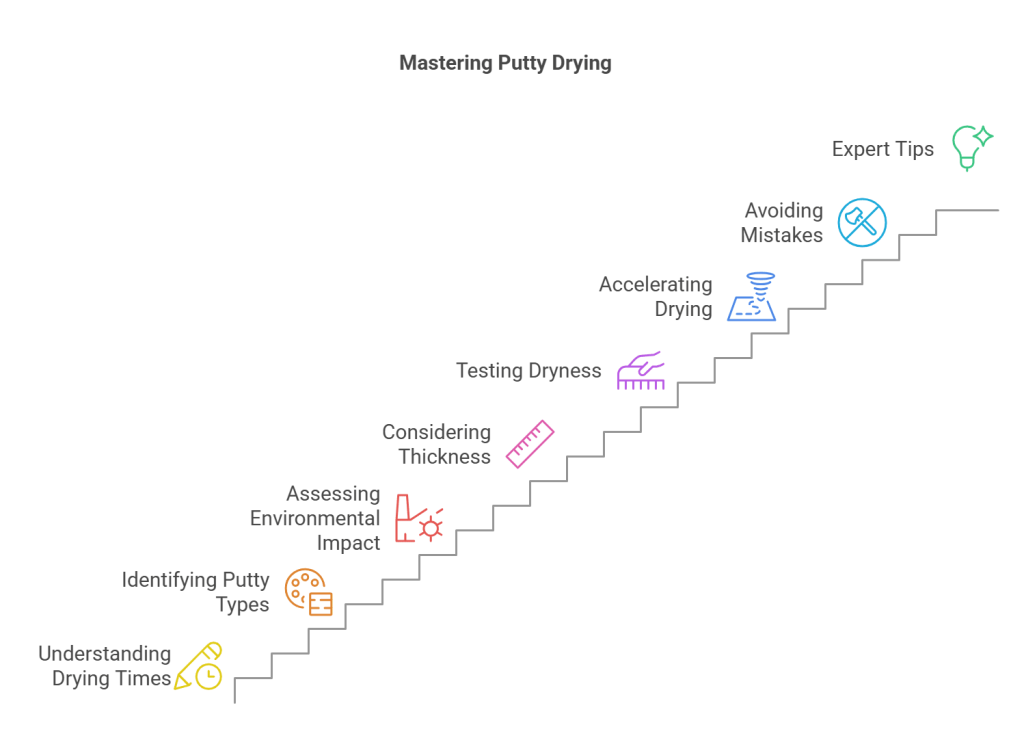
Types Of Putty And Their Typical Drying Durations
Plumber’s putty usually dries in about 2 to 4 hours. It creates a water-tight seal. This type is often used for sinks and drains.
Wood filler putty can take 1 to 8 hours to dry. It depends on the thickness of the application. Use it to repair scratches or holes in wood.
Wall putty (spackle or joint compound) dries to the touch in 1 to 2 hours, but manufacturers recommend waiting a full 24 hours before sanding or painting to let it fully cure. Fast-dry formulas can be ready to paint in as little as 30 minutes.
Window glazing putty is the slowest of all — it needs at least 5 to 7 days before painting with modern acrylic or oil paints, and traditional linseed-oil glazing putty can take 7 to 21 days just to form a paintable “skin.” Full cure for linseed-oil putty can take 8 to 12 weeks. Painting over it too early wrinkles the forming skin, so patience matters more here than with any other type.
| Putty Type | Dry To Touch | Ready To Paint / Sand | Full Cure |
|---|---|---|---|
| Plumber’s putty | 1-2 hours | Not typically painted | 2-4 hours |
| Wood filler putty | 30 min – 2 hours | 1-8 hours | Up to 24 hours |
| Wall spackle / joint compound | 1-2 hours (30 min for fast-dry) | ~24 hours | 24 hours |
| Window glazing putty (modern) | Several days | 5-7 days | Weeks |
| Window glazing putty (linseed oil) | 7-21 days | 7-21 days | 8-12 weeks |
Sources: Angi, Bob Vila, and DAP product documentation on spackle and window glazing dry/cure times.
Environmental Conditions Affecting Putty Drying
Temperature plays a big role in how fast putty dries. Warmer temperatures speed up drying. On the other hand, colder temperatures slow it down. Humidity also affects the drying time. High humidity can make putty take longer to dry.
Airflow is important too. Good airflow helps putty dry quickly. Stagnant air can trap moisture. This can lead to longer drying times. Ventilation in the area helps control both temperature and humidity. A well-ventilated space speeds up the drying process.
The Role Of Putty Thickness
The thickness of putty affects its drying time. Thicker layers take longer to dry than thinner ones. This happens because moisture is trapped inside. For best results, keep the putty layer even and uniform.
To ensure even drying, follow these tips:
- Apply putty in thin coats.
- Use a smooth knife for an even surface.
- Allow proper ventilation during the drying process.
- Keep the area at a consistent temperature.
Testing Putty Dryness
To check putty dryness, visual inspection is key. Look for a uniform color and texture. Dry putty should have a smooth surface. Any cracks or bubbles indicate it is still wet.
Physical touch tests can also help. Lightly touch the putty with your finger. If it feels sticky, it needs more time to dry. A dry surface feels firm and smooth. Be careful not to press too hard.
Consider using a timer. Set it according to the manufacturer’s instructions. This helps keep track of drying time effectively. Wait until the time is up before checking.
Accelerating The Drying Process
Using heat tools can speed up the drying time of putty. A hairdryer or heat gun is effective. Keep the tool at a safe distance from the putty. This prevents damage and ensures even drying.
Choosing faster-drying formulas is another smart option. These products contain special ingredients that reduce drying time. Always read the label for specific instructions. Some formulas dry in just a few hours.
Remember to follow all safety guidelines. Proper ventilation is essential while using heat tools. This keeps the air fresh and safe to breathe.
Common Mistakes To Avoid
Many people make the mistake of overapplying putty. This can lead to a longer drying time. A thick layer takes much longer to dry. Always aim for a thin, even layer instead. This helps the putty dry faster.
Ignoring the manufacturer’s instructions is another common mistake. Each product has specific guidelines for use. Following these can improve the drying process. Always read the label for the best results. It is important to use putty as intended.
The mix-up I run into most is someone treating window glazing putty like wall spackle — painting it after a day because “it feels dry,” when the surface skin can form well before the putty underneath has actually cured. Press a fingernail into it gently near an edge; if it dents easily, give it more time no matter what the calendar says.
Expert Tips For Working With Putty
Proper surface preparation is key for effective putty application. Always clean the surface well. Remove dust, dirt, and grease. A smooth surface helps putty stick better.
Use a primer if needed. It can improve adhesion and drying times. Make sure the surface is dry before applying putty. Moisture can cause problems later.
For application best practices, use a putty knife. Apply putty evenly and smoothly. Press firmly to avoid air bubbles. Allow proper drying time between layers.
Thin layers dry faster than thick ones. Sand the surface lightly for a smooth finish. Always follow the manufacturer’s instructions for best results.
Conclusion: Maximizing Efficiency And Effectiveness
Understanding putty drying times is crucial for effective use. Factors like temperature, humidity, and type of putty influence how long it takes to dry.
Most putties dry in about 1 to 24 hours. This range depends on the specific product used. Faster drying times help in completing projects quickly.
Always check the manufacturer’s instructions for accurate drying times. This ensures the best results and minimizes mistakes.
Use a fan or dehumidifier to speed up the drying process. Proper ventilation can also help putty dry faster.
Plan ahead to avoid delays. Knowing the drying time helps in scheduling your work effectively.
Frequently Asked Questions
How Long Does It Take For Putty To Dry?
The drying time for putty varies based on several factors. Typically, it can take anywhere from 1 to 24 hours to dry. Factors like humidity, temperature, and the thickness of the application influence this duration. Always check the manufacturer’s guidelines for specific drying times.
Can I Speed Up Putty Drying Time?
Yes, you can speed up putty drying time. Increasing airflow in the room and raising the temperature can help. Avoid using heat sources directly on the putty. Instead, consider using a fan or heater to create a warm environment. Remember, patience can also lead to better results.
What Affects Putty Drying Time?
Several factors affect putty drying time. Humidity levels, temperature, and the thickness of the application play crucial roles. High humidity can prolong drying, while a warm, dry environment can expedite the process. Always apply putty in conditions that favor quick drying for optimal results.
Is Putty Dry To The Touch Different From Fully Cured?
Yes, putty dry to the touch is not fully cured. While it may feel dry on the surface, it can still be soft inside. Full curing can take longer, often up to several days. Always wait for complete curing before sanding or painting for the best finish.
How Long Does Window Glazing Putty Take To Dry?
Window glazing putty is by far the slowest-drying type — wait at least 5 to 7 days before painting with modern paints. Traditional linseed-oil glazing putty is even slower: it can take 7 to 21 days to form a paintable skin and 8 to 12 weeks to fully cure. Painting over it before that skin forms will wrinkle the surface.
Conclusion
Understanding the drying time of putty is essential for any DIY project. Factors like humidity, temperature, and the type of putty can affect drying. Always check the manufacturer’s guidelines for the best results. With this knowledge, you can achieve a smooth finish and avoid delays in your work.
Happy crafting!
Sponsored / affiliate links. As an Amazon Associate I earn from qualifying purchases. I may earn additional commission from eligible campaigns.