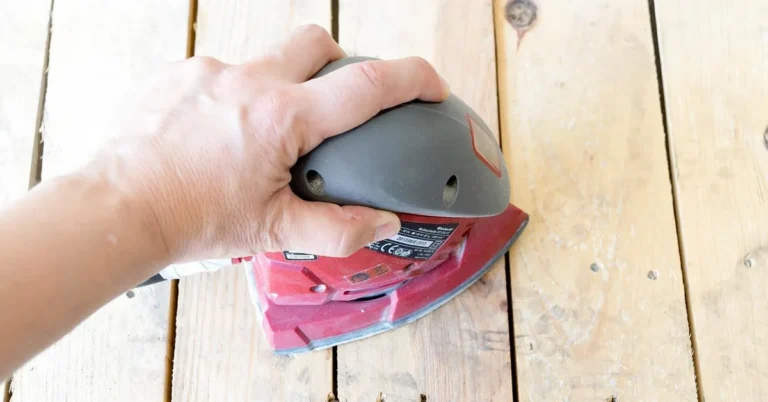
Can You Sand Polywood: Only Lightly, and It May Void Your Warranty
POLYWOOD’s own manufacturer advises against sanding — it scratches the material’s surface finish and voids the 20-year warranty, except for one narrow case: very light hand-sanding to buff out a single minor scratch, not a full refinish. Full-surface sanding, power sanders, and repainting all void coverage. This guide covers what the manufacturer actually allows, the one safe exception, and the cleaning routine POLYWOOD recommends instead. Thinking of cutting it instead? Read what POLYWOOD says about cutting.
Introduction To Polywood
Best Pick for the One Sanding Exception
40-Pc Wet/Dry Sandpaper Assortment, 220-2000 Grit – $8.99
If you’re only buffing out one minor scratch — the single case POLYWOOD’s own guidance allows — this pack has the very fine 600-2000 grits that won’t chew into the surface finish the way a coarse 80-120 grit would.
- Best for: spot-buffing a single scratch by hand, not a full-surface refinish
- Why we picked it: covers the fine 600-2000 grit range this guide recommends, in one pack
- Main drawback: the coarse 220-400 sheets in the pack are more sandpaper than POLYWOOD recommends using — stick to the finer grits
As an Amazon Associate we earn from qualifying purchases.
Polywood is a durable material made from recycled plastics. It resembles real wood but is much stronger. This makes it ideal for outdoor furniture.
Common uses of Polywood include decking, furniture, and fencing. Many people choose it for outdoor furniture because of its low maintenance and long life. Polywood does not need painting or staining.
It is also resistant to weather and insects. This makes it perfect for areas with extreme conditions. Its vibrant colors stay bright for many years.
Polywood Material Properties
Polywood is known for its impressive durability and resistance to various environmental factors. It can withstand harsh weather, including rain and snow. This material does not warp, crack, or splinter like wood does.
Maintenance of Polywood is simple and easy. Regular cleaning with soap and water keeps it looking new. No need for painting or staining, saving time and money.
| Property | Benefit |
|---|---|
| Durability | Lasts for years without damage |
| Weather Resistance | Holds up in rain, snow, and sun |
| Low Maintenance | Easy to clean; no painting needed |
The Sanding Debate
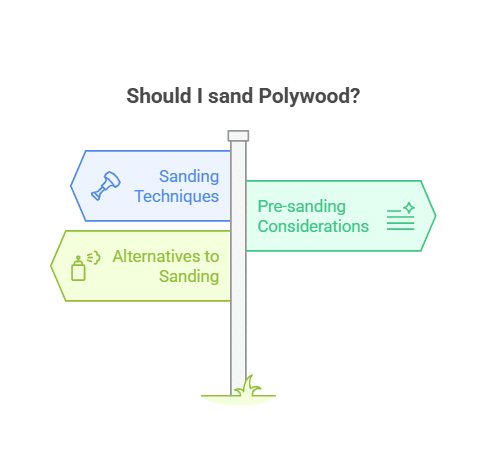
There isn’t much of a debate on POLYWOOD’s side: the manufacturer’s own support article says sanding scratches the surface finish and voids the 20-year warranty. Painting and refinishing void it too. The one exception is light, localized hand-sanding to buff out a single minor scratch — not a full-surface sand, and not with a power sander.
Reasons people still consider it despite that guidance, and the real tradeoff:
| Reason | Real Tradeoff |
|---|---|
| Removing a single scratch | The one case POLYWOOD allows — light hand-sanding only, fine grit |
| “Polished,” more wood-like look | Alters the factory finish and voids the warranty |
| Prepping for paint | Painting itself already voids the warranty — sanding first doesn’t change that |
Pre-sanding Considerations
Before doing anything, decide whether you actually have the one situation POLYWOOD’s guidance allows: a single, minor, localized scratch. General fading or an overall dull, weathered look is not a sanding problem — it’s a cleaning problem, and sanding it will only scratch more surface and void your warranty for no benefit.
If it genuinely is one shallow scratch, assess its depth. A scratch you can barely feel with a fingernail can often be buffed out with very fine (600 grit or finer) sandpaper by hand. A deep gouge that catches your nail is a repair, not a sanding job — POLYWOOD’s own guidance doesn’t cover fixing structural damage with sandpaper, and going after it aggressively is exactly the kind of sanding that voids coverage.
Sanding Techniques For Polywood
For the one case POLYWOOD allows — buffing out a single minor scratch — work by hand only. Use a fine grit, 600 or higher, not the 80-220 grit range meant for bare wood. Sand in short, light strokes directly over the scratch, checking your progress every few passes so you stop as soon as it’s blended in rather than continuing to “finish the job.”
Never use a power sander on POLYWOOD. A random orbital sander removes material far faster than POLYWOOD’s thin surface color layer can tolerate, and it’s the fastest way to turn a single scratch into a visible dull patch that’s worse than what you started with — and it still voids the warranty regardless of the tool used.
Best Practices For Sanding
Skip the coarse-to-fine progression that real wood refinishing uses — POLYWOOD is a solid-color plastic lumber, not wood, and an 80-120 grit pass will remove enough of the surface to leave a visibly different-colored patch. For the single-scratch exception, stay in the fine range the whole time.
Always work with light pressure and check often. If a fine grit hasn’t blended the scratch after a reasonable number of passes, it’s likely deep enough that sanding isn’t going to fix it — stop rather than moving to a coarser grit.
| Grit Size | Use |
|---|---|
| 600 | Start here for a light surface scratch |
| 1000-2000 | Final light pass to blend the repaired spot |
| 80-220 | Not recommended on POLYWOOD — removes too much surface color |
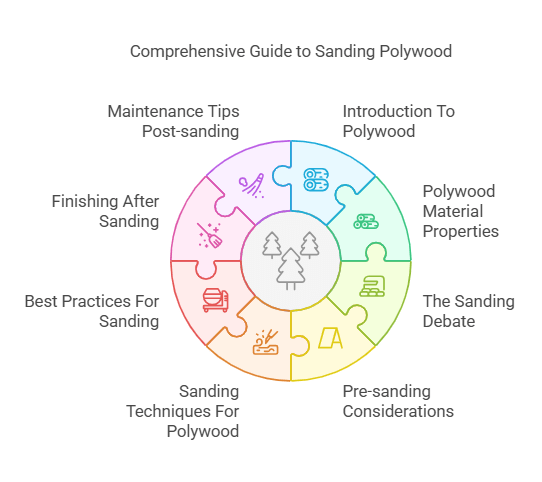
Finishing After Sanding
POLYWOOD doesn’t need a sealant, paint, or stain — the color runs through the entire board, not just a surface coating, which is the whole reason it doesn’t need refinishing the way real wood does. After buffing out a scratch, there’s no finishing step: just wipe the area clean.
Painting or staining POLYWOOD voids the warranty, the same as full-surface sanding does, per the manufacturer’s own guidance. If you want a different color, that’s a case for buying a different color of furniture rather than repainting the one you have.
Maintenance Tips Post-sanding
Regularly clean your Polywood furniture to keep it looking great. Use a mild soap solution and a soft cloth. Avoid harsh chemicals that can damage the surface.
Rinse with clean water and dry thoroughly. This prevents water spots and keeps the finish intact.
For future protection, apply a UV protectant. This helps resist fading from sunlight. Store items in a shaded area when not in use to avoid direct sunlight.
Use coasters under drinks to prevent rings. Avoid placing hot items directly on the surface. Always check for scratches or damage to address them quickly.
Alternatives To Sanding Polywood
Using cleaners and restorers is a great option for maintaining Polywood. These products can help remove dirt and stains effectively. They are easy to apply and often require no sanding at all. Look for cleaners specifically designed for outdoor furniture.
For a professional touch, consider hiring refinishing services. Experts can restore your Polywood to its original look. They have the right tools and experience for the job. This option saves time and ensures quality results.
| Method | Description |
|---|---|
| Cleaners | Remove dirt and stains easily. |
| Restorers | Revive the original color and shine. |
| Professional Services | Expert restoration with quality tools. |
Faqs About Sanding Polywood
If you do need to buff out a scratch outdoors, choose a calm day — wind blows sanding dust around and makes it harder to see your progress.
Use only a fine-grit (600+) sandpaper and work by hand. Always wear a mask to protect from dust.
POLYWOOD should not be sanded on a schedule. There’s no “once a year” maintenance sanding — the manufacturer’s guidance covers only spot-buffing an occasional scratch, not routine sanding.
Regular cleaning with mild soap and water, not sanding, is what actually extends the life and look of POLYWOOD furniture. See the manufacturer’s own care guidance for outdoor POLYWOOD furniture for the full routine.
Frequently Asked Questions
Can You Sand Polywood Furniture?
POLYWOOD’s manufacturer advises against sanding — it scratches the surface and voids the 20-year warranty. The one exception is light hand-sanding with a fine (600+) grit to buff out a single minor scratch. A full-surface sand or refinish is not recommended and is not covered by warranty.
What Is The Best Way To Sand Polywood?
If you’re buffing out one minor scratch — the only case POLYWOOD’s guidance allows — use a fine grit of 600 or higher, applied by hand with light pressure directly over the scratch. Don’t use a coarser grit meant for wood, and don’t use a power sander. Always wear a dust mask during the process.
Does Sanding Polywood Affect Its Durability?
Sanding removes some of POLYWOOD’s surface color and texture, which is why the manufacturer doesn’t recommend it and excludes sanded areas from the warranty. Light, occasional hand-sanding of a single scratch has a negligible practical effect on strength, but repeated or full-surface sanding will visibly dull the finish over time.
How Often Should You Sand Polywood?
POLYWOOD furniture shouldn’t be sanded on any regular schedule. Sand only if you have a single minor scratch you want to buff out — general fading is a cleaning issue, not a sanding one, and routine or scheduled sanding just accelerates wear on the surface for no real benefit.
Conclusion
POLYWOOD’s own guidance is clear: don’t sand it, except to lightly buff out a single minor scratch by hand with a fine grit. Full sanding, power sanders, and repainting all void the 20-year warranty. Regular cleaning with mild soap and water, not sanding, is what actually keeps POLYWOOD furniture looking good for the long run.
Sponsored / affiliate links. As an Amazon Associate I earn from qualifying purchases. I may earn additional commission from eligible campaigns.