How to Get Bugs Out of Wood (Active Infestation vs. Old Holes)
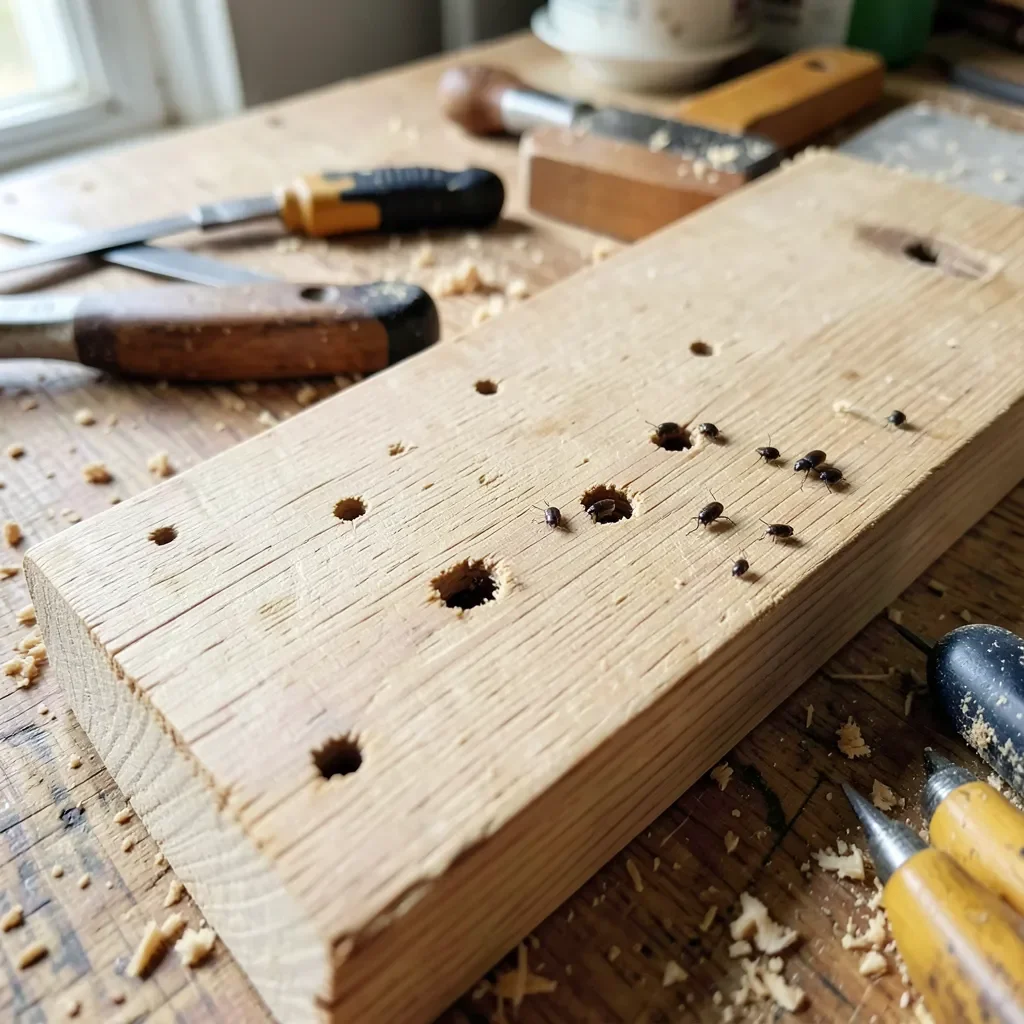
Small round exit holes in wood mean wood-boring beetles have already emerged — but fresh, powdery frass around those holes confirms the infestation is still active, not old damage. Powderpost beetle life cycles run 6 months to 4 years, so a piece can look “cured” and still have larvae feeding inside. This guide covers telling active from old damage, plus the borate, heat, and cold treatments that reach the larvae.
Affiliate disclosure: Woodworking Advisor is reader-supported. If you buy through links on this page, we may earn an affiliate commission at no extra cost to you.
Quick Answer
Treat active wood-boring beetle damage with a borate wood preservative brushed or sprayed into the exit holes and surrounding wood, since it penetrates deep enough to reach larvae that surface sprays miss. Small furniture pieces can also be heat-treated to a 132–140°F core temperature or frozen at 0°F for 72 hours. For structural lumber or a large infestation, get a professional inspection before treating it yourself.
Is It Still Active? Fresh Frass vs. Old Exit Holes
Best Borate Treatment Pick
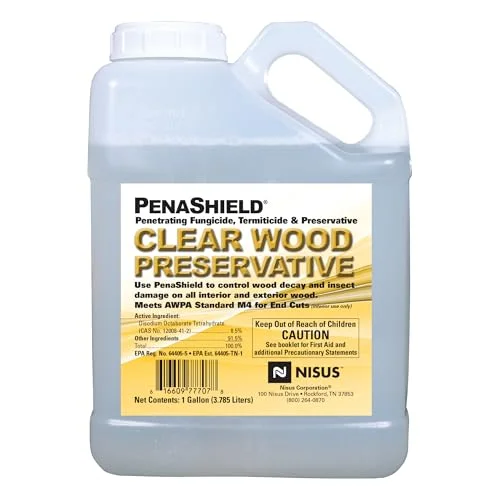 |
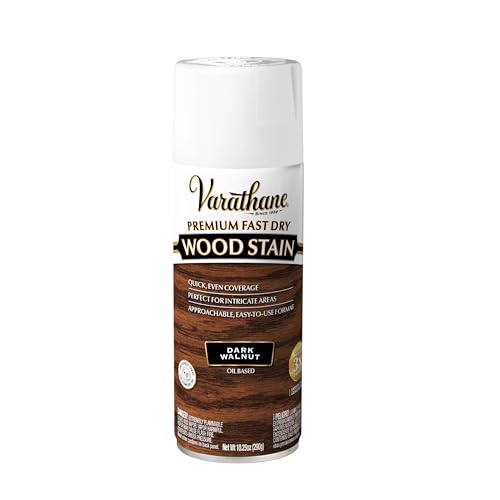
PenaShield Penetrating Wood Preservative – $40.19 A ready-to-use borate formula is what actually reaches larvae tunneling inside the wood, unlike a surface spray that only kills beetles on contact.
|
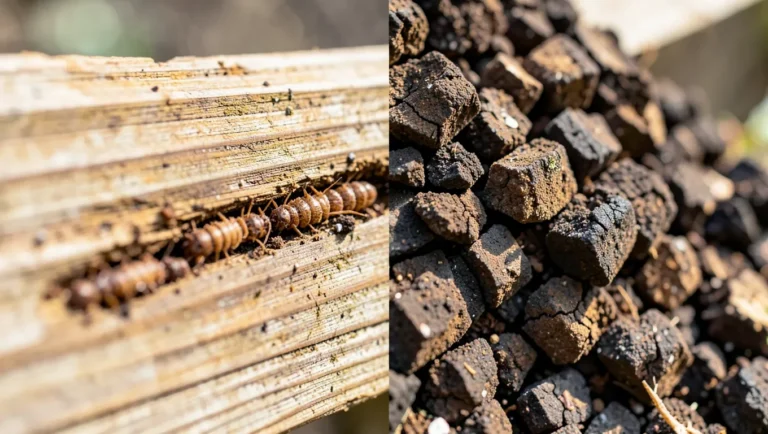
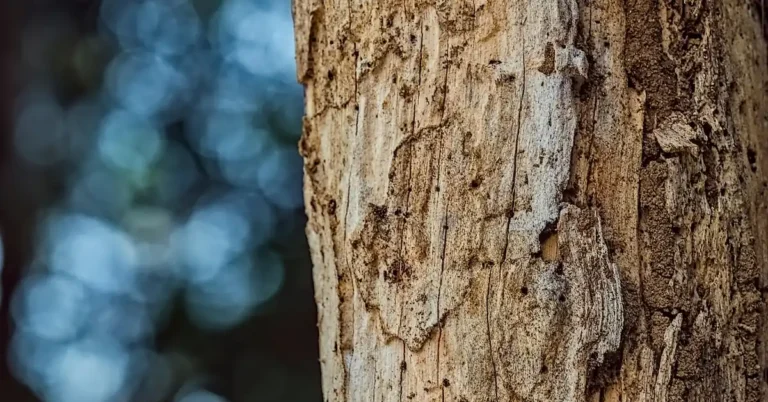
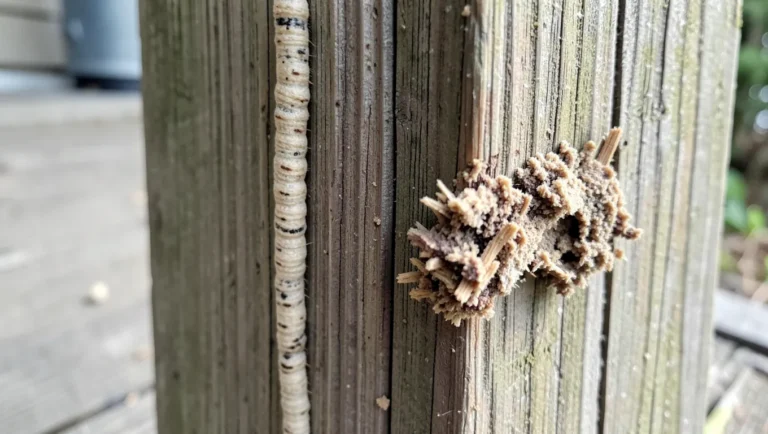
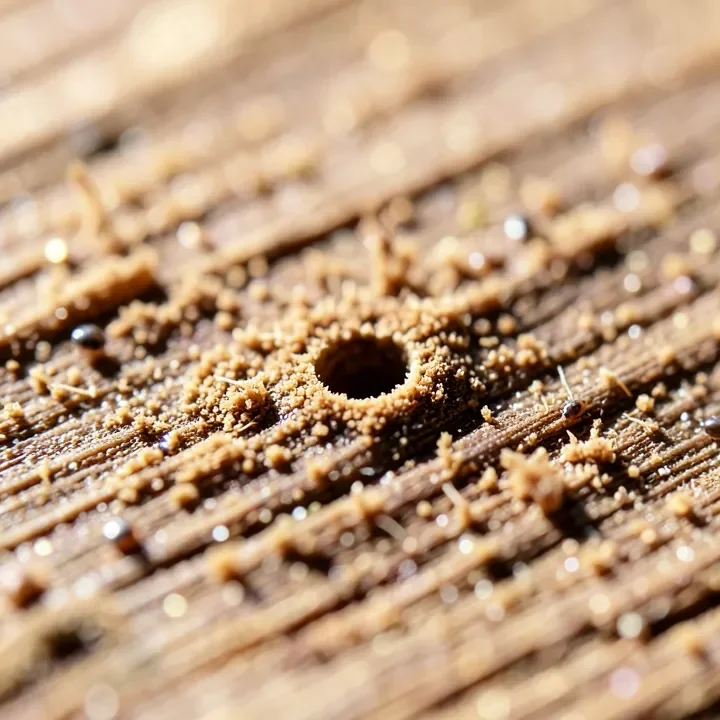
Not every hole in old wood means you have a live infestation right now — a lot of furniture and framing lumber has old, inactive exit holes from beetles that died out years ago. The real test is the frass (the fine wood powder beetles push out as they tunnel).
- Active infestation: Light-colored, fine, talcum-powder-like frass actively falling from round holes 1/16 to 1/8 inch across. Tap the wood and fresh powder sifts out.
- Old, inactive damage: Holes present but no fresh powder, frass (if any) is discolored or compacted, and no new holes appear over several weeks of watching.
If you’re not sure, seal a small paper bag or piece of dark tape over a suspect area for a week or two — new powder collecting underneath confirms the beetles are still active and feeding.
Treating Active Wood-Boring Beetles With Borate
Surface-applied insecticide sprays only kill beetles that happen to be on the wood surface at the time — they don’t reach larvae tunneling through the interior. A borate-based wood preservative is different: it’s formulated to soak into bare wood fibers, so it keeps killing larvae as they feed and chew through treated wood, not just on contact.
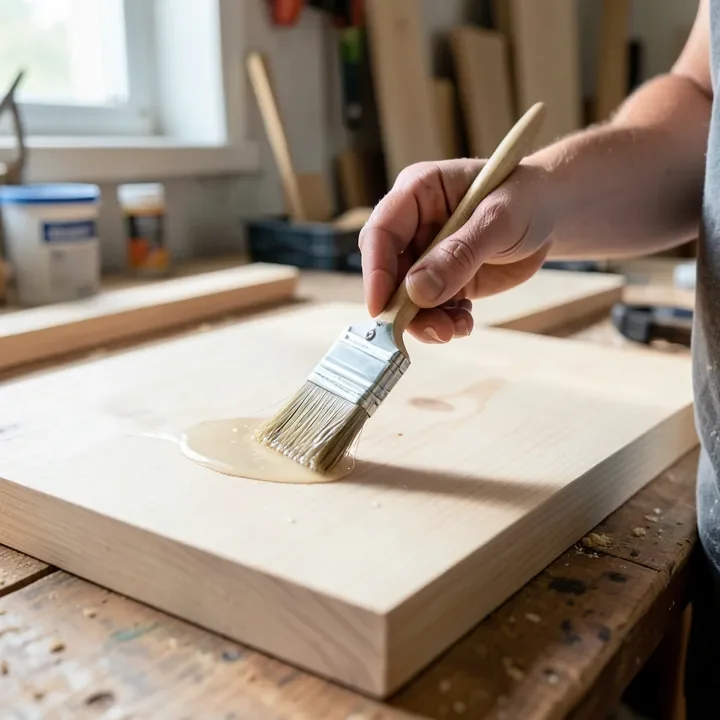
- Strip any finish first: Borate only penetrates bare, unfinished wood, so sand or strip paint, varnish, or wax from the affected area before applying.
- Apply liberally to all exposed faces: Brush or spray the borate solution onto every accessible side of the wood, not just the side with visible holes, since larvae tunnel in all directions.
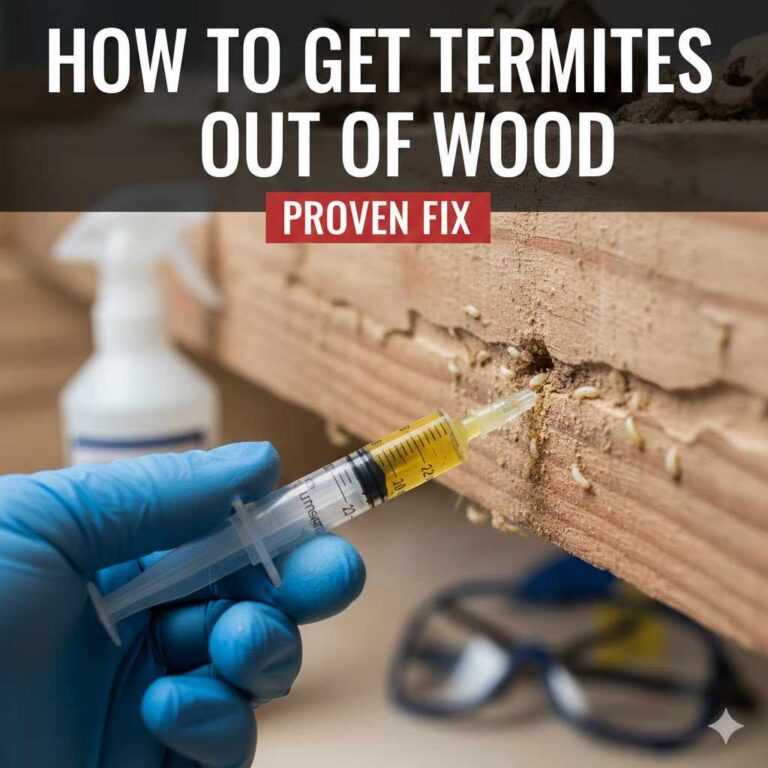
- Work it into the exit holes: Use a small syringe or squeeze bottle to push extra solution directly into the larger holes so it reaches deeper galleries.
- Let it dry fully before refinishing: Borate needs to dry completely, typically 24 to 48 hours, before you paint, stain, or seal the wood again.
Heat and Cold Treatment (No Chemicals)
For smaller furniture pieces, heat and cold treatments kill beetles and larvae without chemicals, but they only work if you can get the entire piece — not just the surface — to the target temperature.
| Method | Target | Best for |
|---|---|---|
| Heat treatment | Core temperature of 132–140°F, held long enough to heat-soak the full thickness | Small to medium furniture, oven or heat chamber |
| Cold treatment | 0°F for 72 continuous hours | Small items that fit in a chest freezer |
Thick or dense pieces need longer exposure for the heat or cold to reach the center, not just the surface — a thin picture frame heats through in minutes, while a solid table leg can take hours. When in doubt, extend the treatment time rather than cutting it short.
📊 Powderpost beetle life cycles run 6 months to 4 years depending on species — lyctid beetles as fast as 9-12 months, anobiid beetles 2+ years — which is why a piece can seem fine for a year and then show new damage. — Source: Iowa State University Extension
When to Call a Professional Instead
DIY borate or heat treatment works well for furniture, trim, and small isolated spots. Call a licensed pest control professional instead when the damage is in structural framing, floor joists, or beams; when frass is showing up in multiple rooms or across a large area; or when you’ve treated once already and fresh frass keeps appearing. A structural infestation that’s misdiagnosed as “handled” can weaken load-bearing wood over the years it takes larvae to complete their cycle.
“The mistake we see most is someone vacuuming up the sawdust, painting over the holes, and assuming that’s the end of it. Painting over active exit holes just hides the problem — it doesn’t stop the larvae still inside from continuing their cycle for months or years.”
— Our team, from researching treatment methods for this guide
Frequently Asked Questions
Can you get rid of wood-boring beetles without replacing the wood?
Yes, in most cases. A borate wood preservative applied to bare wood, or a heat/cold treatment for smaller pieces, kills active larvae without requiring replacement. Full replacement is usually only necessary when structural damage has compromised the wood’s strength.
Does painting or sealing wood stop an active infestation?
No. Paint and sealant sit on the surface and don’t kill larvae already tunneling inside the wood. Treat the wood with borate or heat/cold first, confirm the frass has stopped appearing, and only then paint or seal it.
How do I know if the bugs are gone for good?
Cover suspect areas with tape or a paper bag and check weekly for several weeks. If no new frass appears and no new holes form, the infestation is inactive. Because life cycles can run several years, a single clean check isn’t enough — recheck again after a few months.
Are wood-boring beetles the same as termites?
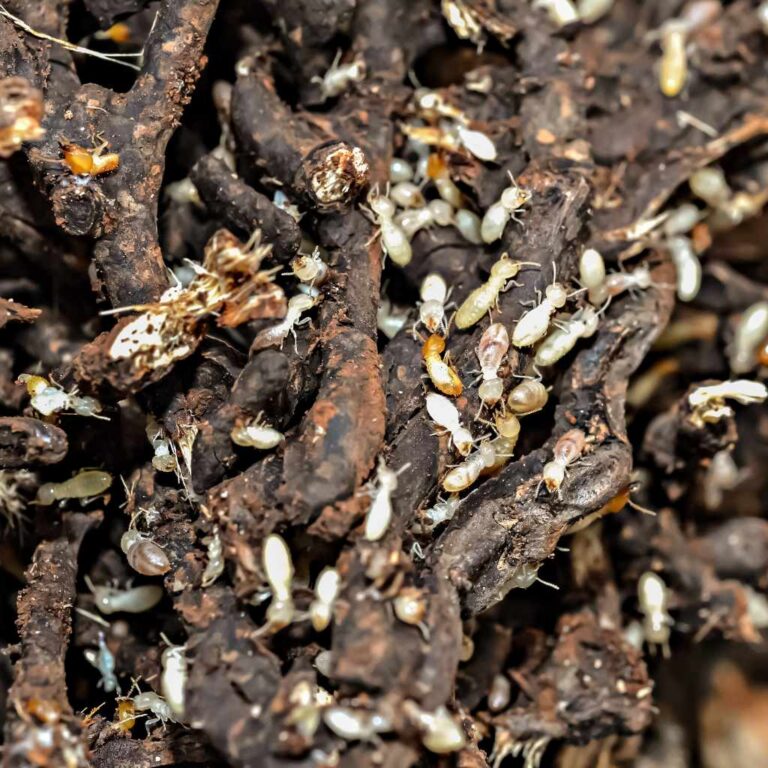
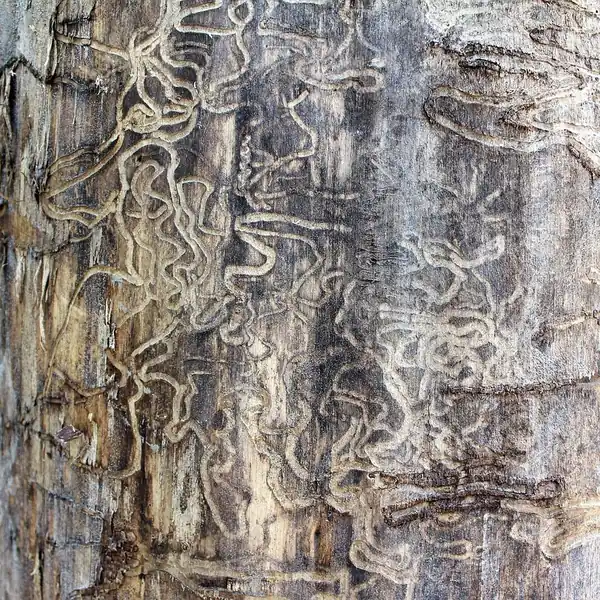
No. Termites eat wood along the grain and leave mud tubes and hollowed-out galleries with no exit holes, while wood-boring beetles (powderpost and similar) leave small round exit holes and powdery frass. The treatments in this guide target beetles, not termites, which need a different approach.
Once frass stops collecting and no new exit holes appear over a few weeks of checking, the wood is safe to refinish. For related wood pest questions, see our guides on whether cedar wood repels insects and how carpenter bees drill their holes, which use a different (much larger) hole pattern than beetles.
Sponsored / affiliate links. As an Amazon Associate I earn from qualifying purchases. I may earn additional commission from eligible campaigns.