Can You Thin Latex Paint With Water? Simple Guide
Many folks wonder, “Can You Thin Latex Paint With Water? Simple Guide.” It’s a very common question for people new to painting projects. Sometimes, paint can get a bit thick, making it hard to use.
You might worry about ruining your paint or your project. Don’t worry! It’s usually quite simple to fix.
We’ll walk you through exactly how to do it step by step so you can get a smooth finish.
Understanding Latex Paint Thinning
Latex paint, also known as water-based paint, is popular for its ease of use and quick cleanup. However, over time or due to storage conditions, it can thicken. Knowing if and how to thin it is key to achieving a professional look.
This section explains why latex paint thickens and the basic principles behind thinning it with water. We will explore what makes latex paint change consistency and why water is the go-to thinning agent.
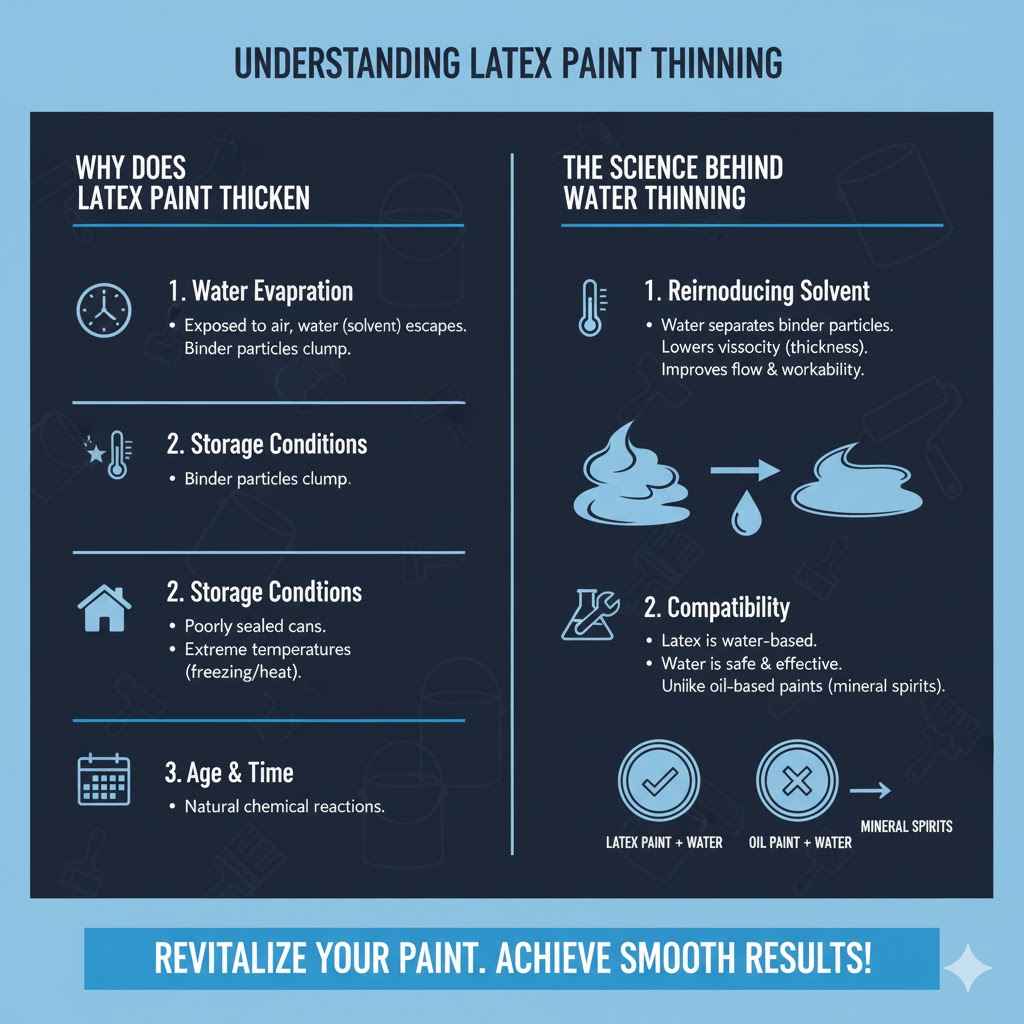
Why Does Latex Paint Thicken
Latex paint is made up of pigments, binders, and solvents. The binders are what hold the paint together and help it stick to surfaces. Water is the primary solvent in latex paint.
When the paint is exposed to air, some of this water can evaporate. This evaporation causes the binder particles to clump together more, making the paint thicker.
Storage also plays a role. If a can of paint isn’t sealed properly, even more water can escape. Extreme temperatures can also affect the paint’s consistency.
Freezing can damage the binder, while heat can speed up evaporation.
Sometimes, paint just sits on the shelf for a long time. The chemical reactions within the paint can also cause it to thicken over time, even if it’s sealed. It’s a natural process for many types of paint.
The Science Behind Water Thinning
When you add water to latex paint, you’re essentially reintroducing the solvent that has evaporated. This water helps to separate the binder particles again. It lowers the viscosity, or thickness, of the paint.
This makes it flow more easily.
Think of it like making pancake batter. If the batter is too thick, you add a little milk or water to make it runnier. The same principle applies to latex paint.
The water acts as a lubricant between the paint components.
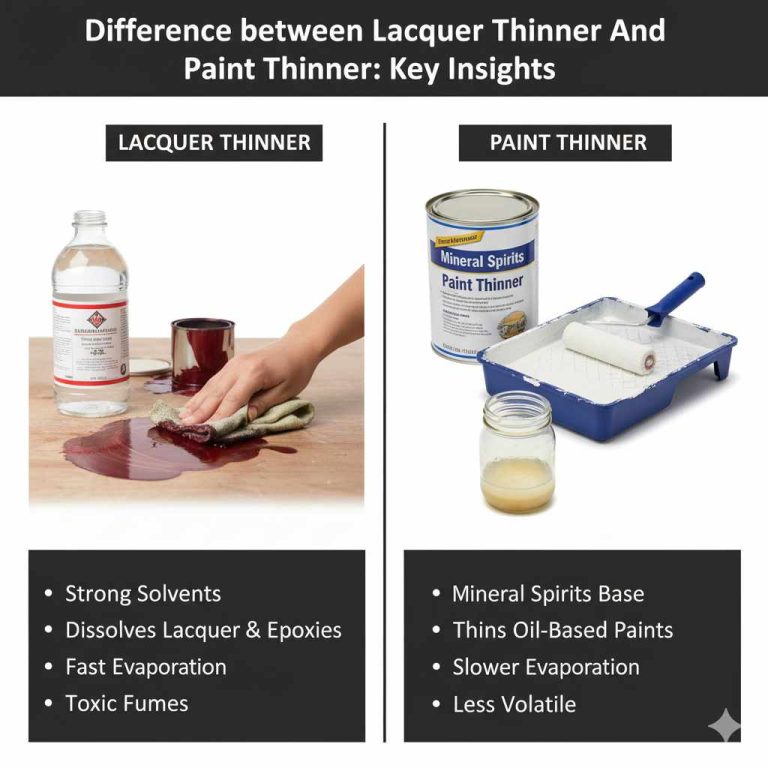
It’s important to remember that latex paint is designed to work with water. Unlike oil-based paints, which require mineral spirits or other solvents, latex paints are water-compatible. This makes thinning them with water safe and effective for most applications.
How To Thin Latex Paint With Water
This section provides a clear, step-by-step guide on how to thin latex paint using water. We cover everything from choosing the right water to mixing techniques and testing the consistency. Following these steps will help you avoid common mistakes and ensure your paint is perfectly ready for application.
What Kind Of Water To Use
For thinning latex paint, distilled water is the best choice. Tap water can contain minerals and impurities. These can sometimes react with the paint’s chemicals.
This might cause issues like poor adhesion, uneven sheen, or even color changes.
Distilled water has had all these impurities removed. It’s pure H2O. This means it won’t introduce anything unexpected into your paint.
Using distilled water ensures the thinning process is as clean and effective as possible. It’s a small detail, but it makes a big difference in the final result.
If distilled water is not available, filtered water is the next best option. It’s better than straight tap water. However, always aim for distilled water for the most consistent outcomes.
Step-By-Step Thinning Process
First, get a clean container. This could be an empty paint can, a plastic tub, or a bucket. Make sure it’s free from any dirt or old paint residue.
Next, pour the amount of paint you need into this clean container. Only thin the paint you plan to use soon. Don’t thin the entire can at once.
Now, add a small amount of distilled water. Start with a very small quantity, like a tablespoon for a quart of paint. It’s much easier to add more water than to fix paint that’s too thin.
Stir the paint and water mixture thoroughly. Use a clean stir stick or a drill with a paint mixer attachment. Stir until the water is completely incorporated.
Make sure there are no streaks of water or clumps of paint.
Testing Paint Consistency
After stirring, it’s time to check the consistency. A good way to do this is by looking at how the paint flows off your stir stick. It should drip off in a steady, smooth stream, not in thick globs.
Another common test is the “drip test.” Dip your stir stick into the paint and lift it out. Let the paint drip back into the container. The paint should form a continuous film on the stick for a few seconds before breaking.
If it breaks too quickly, it’s too thin. If it barely drips, it’s still too thick.
For spray painting, the consistency needs to be even thinner. It should feel like light cream. For brushing or rolling, a slightly thicker consistency is usually fine.
Adjust by adding tiny amounts of water and re-stirring until it feels right for your chosen application method.
When To Thin Latex Paint
Understanding when thinning is necessary is just as important as knowing how to do it. This section discusses common situations where thinning latex paint is beneficial, such as for specific application methods and to achieve certain finishes. We’ll also touch upon when you should avoid thinning altogether.
For Spray Painting
Spray painting requires a much thinner paint consistency than brushing or rolling. Standard latex paint straight from the can is often too thick to spray properly. If you try to spray it, you’ll likely experience sputtering, uneven coverage, and a poor finish.
Thinning the paint makes it atomize correctly through the spray gun. This means it breaks down into a fine mist. This mist can be applied smoothly and evenly onto the surface.
This is crucial for achieving a professional, factory-like finish when spraying.
The exact amount of water needed will depend on the type of sprayer and the paint itself. Always check the spray gun’s manual for recommended paint viscosity. It’s better to add water gradually until the paint sprays perfectly.
For Rolling and Brushing
When rolling or brushing, you usually don’t need to thin the paint as much as for spraying. However, if the paint feels very stiff or is leaving brush marks, a little thinning can help. It makes the paint spread more smoothly and reduces lap marks.
For rolling, thinning can help the paint flow more evenly from the roller. This leads to a smoother finish with fewer roller textures. For brushing, it helps the brush glide across the surface.
This minimizes the appearance of brush strokes.
A common guideline is that you might only need to add 5-10% water to the paint for rolling or brushing. This is a very small amount. It’s usually enough to improve the application without making the paint too thin to cover well.
When Not To Thin Paint
There are times when you should avoid thinning latex paint. If the paint is already at the perfect consistency for your application method, don’t add water. Over-thinning can be a problem.
Excessive thinning weakens the paint’s binder. This can lead to a finish that is less durable. It might chip or peel more easily over time.
The paint’s ability to hide the underlying surface can also be reduced. You might need more coats to achieve full coverage.
Also, if the paint has started to gel or has an unusual odor, it might be old or compromised. Thinning it might not help. In such cases, it’s best to discard the old paint and buy a fresh can.
Tips For Success And Avoiding Problems
Achieving a great paint job with thinned latex paint involves more than just adding water. This section offers valuable tips to ensure your project goes smoothly. We’ll cover best practices for storing thinned paint, common mistakes to avoid, and how to troubleshoot issues.
Storing Thinned Paint
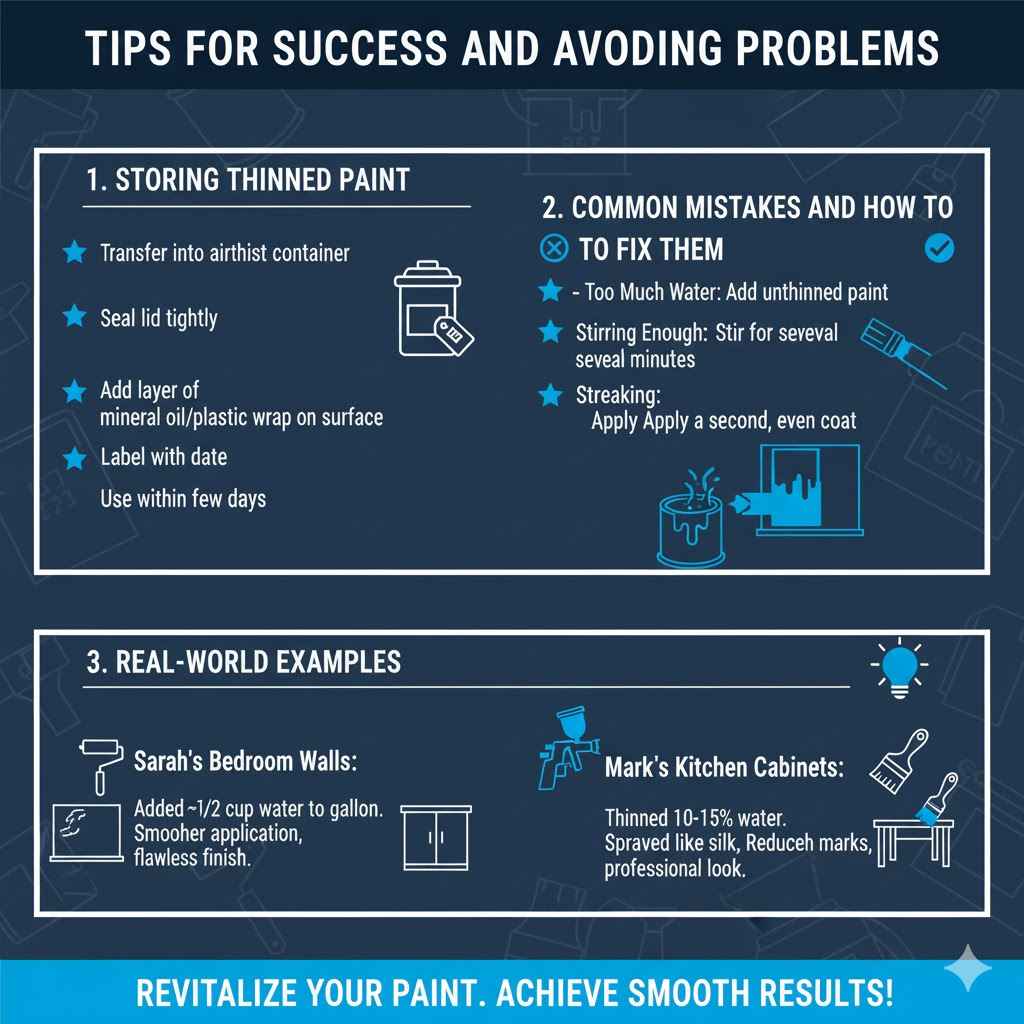
If you thin more paint than you need, store it properly. Transfer the thinned paint back into an airtight container. Ensure the lid is sealed tightly.
You can also pour a thin layer of mineral oil or a plastic wrap that touches the surface of the paint. This helps to prevent a skin from forming on top. Label the container with the date.
It’s best to use thinned paint within a few days. Over time, even properly stored thinned paint can degrade. The water content can affect its shelf life.
Common Mistakes And How To Fix Them
One common mistake is adding too much water. If you accidentally make the paint too thin, you can try adding more unthinned paint. This will help to restore some of the original consistency.
Another error is not stirring enough. If the water isn’t fully mixed, you’ll get uneven results. Make sure to stir for several minutes until the paint is uniform.
If you notice streaking after painting, it might be due to uneven thinning or applying the paint too thinly. Try to apply a second coat, ensuring consistent application.
Real-World Examples
Sarah wanted to paint her bedroom walls. She decided to use a roller but found the paint a bit thick, leaving slight roller marks. She added about half a cup of distilled water to a gallon of paint.
After stirring well and testing, she found it applied much more smoothly. The walls ended up with a flawless, even finish, much better than her previous attempts.
Mark was renovating his kitchen cabinets. He wanted a super smooth finish and opted for spray painting. He had to thin his latex paint considerably, adding about 10-15% water.
He used a viscosity cup to measure. The paint sprayed like silk, covering the cabinets evenly without drips. His cabinets looked professionally finished.
A DIY blogger, Emily, was experimenting with painting furniture for her online store. She used a high-gloss latex paint. When she tried to brush it, it was leaving visible brush marks, making the finish look less premium.
She cautiously thinned the paint with a small amount of water. This allowed the paint to level out better, reducing the brush marks significantly. Her furniture pieces sold quickly due to their professional appearance.
FAQ
Question: Can I thin latex paint with tap water?
Answer: While you can, it’s not ideal. Tap water contains minerals and impurities that can affect the paint’s performance and finish. Distilled water is the preferred choice for consistent results.
Question: How much water should I add to latex paint?
Answer: Start small, about a tablespoon per quart. The exact amount depends on the paint and application. Always test the consistency before painting.
You can always add more water, but you can’t easily take it out.
Question: Will thinning latex paint weaken it?
Answer: Yes, if you add too much water. Over-thinning can reduce the paint’s durability, adhesion, and hiding power. It’s important to add water gradually and only as needed.
Question: How do I know if my latex paint is too thick to use?
Answer: If the paint is hard to stir, drips off the brush or roller in globs, or leaves thick streaks, it’s likely too thick. A proper consistency allows for smooth application and even coverage.
Question: Can I thin primer with water?
Answer: Yes, most latex primers can be thinned with water using the same methods as latex paint. Check the primer’s can for specific instructions, as some might have limitations.
Conclusion
Yes, you can absolutely thin latex paint with water. It’s a straightforward process that helps achieve smoother application. Start with small amounts of distilled water and stir well.
Test the consistency on a scrap surface. This guide shows you how to thin latex paint for rollers, brushes, and sprays. It also covers when not to thin and how to store it.
Now you can confidently improve your paint projects.