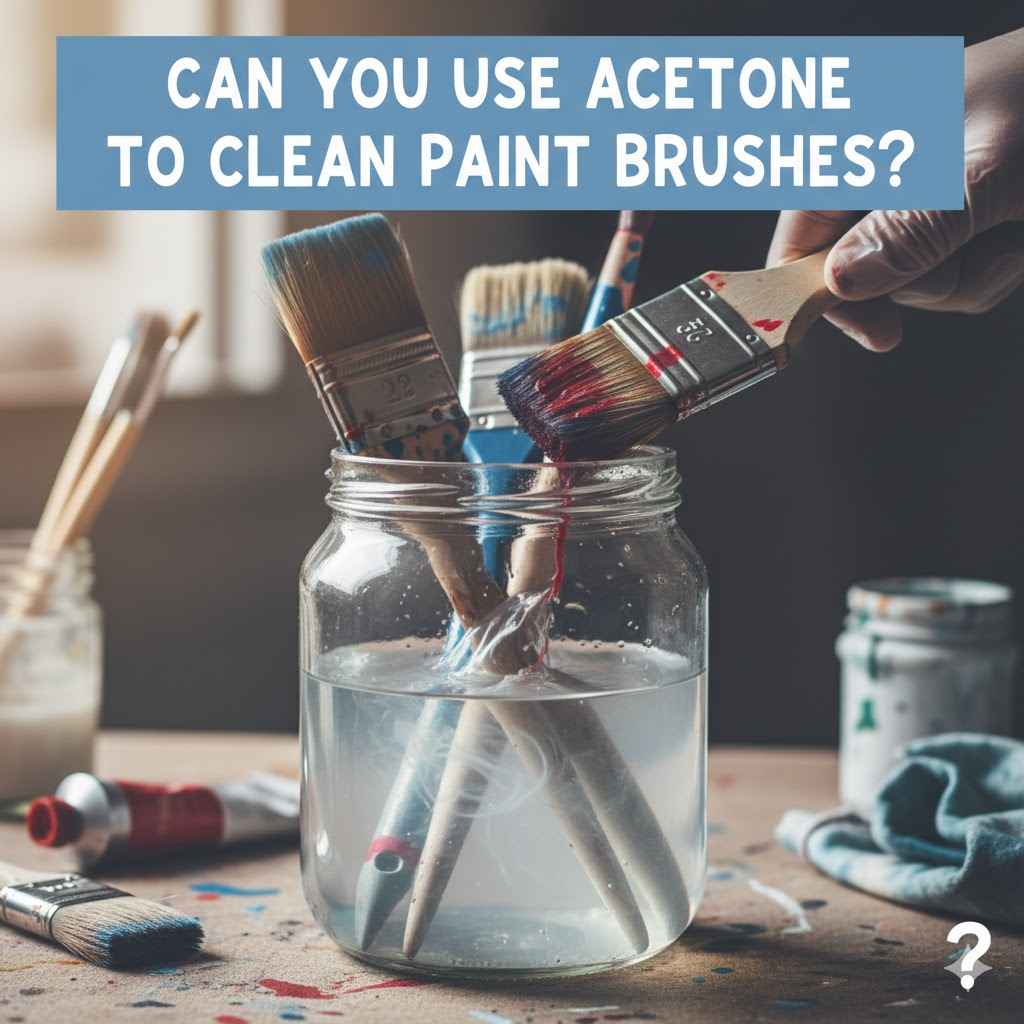
Can You Use Acetone to Clean Paint Brushes?
Figuring out how to clean paint brushes can be tricky, especially when you’re just starting out. Many people wonder, Can You Use Acetone to Clean Paint Brushes? This question pops up because acetone is a strong cleaner. It can feel a little confusing to know if it’s the right choice for your brushes.
Don’t worry, we’ll make it super simple. We’ll walk you through exactly what to do, step by step, so your brushes are ready for your next project.
Is Acetone Safe for Paint Brushes
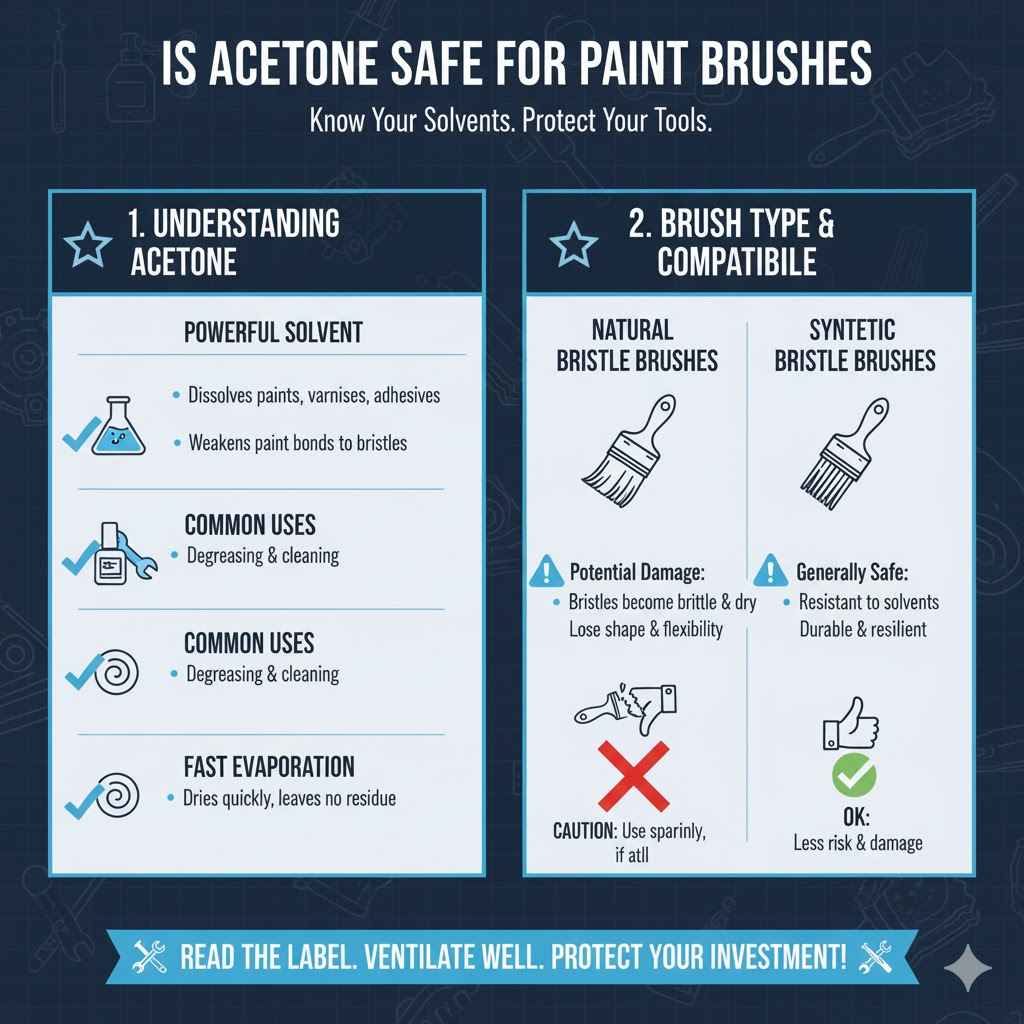
Acetone is a powerful solvent that many people consider when tackling tough paint jobs or when standard cleaning methods just aren’t cutting it. It’s a chemical often found in nail polish remover and certain industrial cleaners. Because it’s so effective at dissolving many types of paint, it’s natural to wonder if it’s a good option for your painting tools.
We will explore if acetone is a suitable cleaner for your paint brushes and what you need to know before using it.
Understanding Acetone as a Solvent
Acetone is a clear, colorless liquid with a strong, distinct smell. It belongs to a group of chemicals called ketones. Its primary characteristic is its ability to dissolve or break down other substances.
This makes it very effective for removing paints, varnishes, adhesives, and even some plastics. When it comes to paint, acetone works by weakening the bonds that hold the paint together and to the brush bristles. It essentially lifts the paint away, allowing it to be rinsed off.
The dissolving power of acetone is why it’s used in many cleaning products. It’s a common ingredient in nail polish removers because it can quickly and easily take off stubborn nail polish. In industrial settings, it’s used for degreasing, cleaning equipment, and as a solvent in the production of various materials like plastics and synthetic fibers.
Its volatility also means it evaporates quickly, leaving surfaces dry.
How Acetone Works on Paint
When acetone comes into contact with dried paint, it penetrates the paint film. It breaks down the resin or binder that holds the pigment particles together. This process turns the dried, hardened paint back into a more liquid or pliable state.
Think of it like melting butter; the solid form turns into a liquid. Acetone achieves a similar effect on dried paint, making it mushy and easier to remove.
The effectiveness of acetone depends on the type of paint. It works best on oil-based paints, lacquers, and varnishes. Latex or water-based paints can also be softened and removed with acetone, though it might require more effort and repeated applications.
The longer the paint has been on the brush and the more layers there are, the harder it can be to remove completely, even with a strong solvent like acetone.
Types of Paint Brushes
Paint brushes come in many varieties, and their materials play a big role in how they react to cleaning agents like acetone. Understanding the differences helps you decide if acetone is a good choice for your specific brushes. The two main categories are natural bristles and synthetic bristles.
Natural Bristle Brushes
These brushes are made from animal hair, most commonly hog or badger hair. Natural bristles are known for their ability to hold a lot of paint and create smooth, even strokes. They have a natural flag, or split ends, that helps them pick up and lay down paint beautifully.
Because they are organic materials, they can be more sensitive to harsh chemicals.
The fibers in natural bristles are made of protein. Strong solvents like acetone can potentially damage these protein structures. Over time, repeated exposure to acetone could make the bristles brittle, dry, and prone to breaking.
They might lose their shape and flexibility, which would negatively impact their painting performance. It’s generally safer to use gentler cleaning methods for natural bristles if possible.
Synthetic Bristle Brushes
Synthetic brushes are made from man-made materials like nylon, polyester, or other plastics. They are designed to mimic the performance of natural bristles but are often more durable and easier to clean. These brushes are engineered to withstand a variety of cleaning agents.
They are a popular choice for both professional painters and DIY enthusiasts due to their resilience and cost-effectiveness.
Because synthetic bristles are made from plastic polymers, they are generally much more resistant to solvents like acetone. Acetone is less likely to break down or damage these synthetic materials compared to natural fibers. This makes synthetic brushes a safer bet if you’re considering using acetone for cleaning.
You might still see some minor drying or stiffness with excessive use, but they typically hold up better.
Paint Types and Acetone Compatibility
The kind of paint you’ve been using on your brushes is a critical factor in determining whether acetone is an effective and safe cleaning solution. Different paint formulations have different chemical compositions, and acetone interacts with them in varying ways. Knowing your paint type is key to choosing the right cleaning method.
Oil-Based Paints and Lacquers
Oil-based paints, enamels, and lacquers are formulated with oils or alkyd resins as binders. These types of paints are inherently more resistant to water. Acetone is an excellent solvent for breaking down these oil-based binders.
It can effectively dissolve the paint, making it much easier to remove from brush bristles than water-based paints.
When using acetone on brushes that have been used with oil-based paints, you’ll find that it works quite rapidly. The dried paint will become gummy and can often be wiped or rinsed away with relative ease. This makes acetone a go-to choice for painters who frequently work with these types of coatings.
However, even with oil-based paints, it is important to use acetone with care to avoid damaging the brush itself.
Latex and Water-Based Paints
Latex paints and other water-based coatings, like acrylics and gouache, are formulated with water as the primary solvent. Once these paints dry, the water evaporates, leaving behind a flexible plastic film. While water is the main carrier, these paints still contain binders and additives that can be stubborn to remove.
Acetone can still be effective for cleaning latex and water-based paints, but it might require more time and effort compared to oil-based paints. Acetone will soften these paints, making them easier to scrub out. However, it doesn’t dissolve them as readily as it does oil-based products.
For these types of paints, especially if they are very dry and caked on, you might need to let the brush soak for a bit longer in the acetone or use a brush comb to work the loosened paint out.
Other Paint Types
Beyond the common oil and water-based paints, there are specialty coatings and finishes. Some two-part epoxy paints or industrial coatings might have specific solvent requirements. In these cases, it’s always best to consult the paint manufacturer’s instructions or the product’s safety data sheet (SDS) for recommended cleaning agents.
Acetone might be too mild for certain very tough industrial coatings or too harsh for delicate finishes. For example, some very soft or naturally-based artistic paints might be adversely affected by strong solvents. Always err on the side of caution and test a small, inconspicuous area if you are unsure.
For most common household paints, however, acetone can be a powerful cleaning ally.
How To Use Acetone To Clean Paint Brushes Safely
Using acetone requires careful handling to ensure both your safety and the longevity of your paint brushes. Because it is a flammable and volatile substance, taking proper precautions is paramount. Follow these steps to effectively clean your brushes with acetone while minimizing risks.
Preparation and Safety Measures
Before you even open the acetone bottle, set up your workspace. Ensure you are in a well-ventilated area, preferably outdoors or near an open window. Acetone fumes can be strong and irritating.
Avoid working near open flames, sparks, or any heat sources, as acetone is highly flammable. Have some old rags or paper towels handy for wiping.
Wear protective gear. This includes chemical-resistant gloves, such as nitrile gloves, to protect your skin from drying out and irritation. Safety glasses or goggles are also essential to prevent any accidental splashes from getting into your eyes.
Keep a fire extinguisher or a bucket of sand nearby as a safety precaution, although using acetone in a well-ventilated space significantly reduces fire risk.
Ventilation is Key
Acetone releases vapors into the air as it evaporates. These vapors can be inhaled and can also create a flammable atmosphere if the concentration becomes high enough. Good ventilation is not just about comfort; it’s a critical safety step.
Open doors and windows to allow fresh air to circulate freely. If you are working indoors and cannot achieve adequate airflow, consider using a fan to direct the fumes away from you and out of the room.
Working in a garage with the door open is often a good solution. If you are painting in a confined space without good ventilation, it’s best to postpone the cleaning of your brushes with acetone until you can move to a safer location. Never use acetone in a small, enclosed space without any way for fumes to escape.
Protective Gear
Your skin can become dry and irritated from repeated contact with acetone. Gloves act as a barrier, preventing direct exposure. Nitrile gloves are recommended because they offer good resistance to solvents like acetone.
Latex gloves may not provide adequate protection for extended use. Similarly, your eyes are sensitive. Splashes of acetone can cause immediate stinging and irritation, so safety glasses are a must.
Beyond gloves and eye protection, consider wearing old clothes that you don’t mind getting stained or potentially damaged. Acetone can sometimes affect certain fabrics. Having a clean water source nearby is also a good idea in case of accidental skin contact; rinsing with plenty of water can help remove any residual acetone.
The Cleaning Process Step-by-Step
Once you have your safety measures in place, you can proceed with cleaning your brushes. This process is straightforward but requires a methodical approach to ensure all paint is removed and the brush is not damaged.
Step 1 Pour Acetone into a Container
Pour a small amount of acetone into a glass or metal container. Avoid using plastic containers, as some plastics can degrade when exposed to acetone. A glass jar, an old metal can, or a dedicated solvent-safe plastic container will work well.
You only need enough acetone to submerge the bristles of the brush without the liquid reaching the ferrule (the metal part that holds the bristles to the handle).
Using too much acetone is wasteful and unnecessary. Start with a shallow layer, about an inch or two deep. You can always add more if needed.
It is important to have enough liquid to effectively loosen and rinse the paint, but not so much that it saturates the glue holding the bristles together in the ferrule.
Step 2 Dip and Agitate the Brush
Dip the bristles of the paint brush into the acetone. Gently swirl the brush around, allowing the acetone to work into the paint. You should begin to see the paint starting to dissolve and bleed into the acetone.
If the paint is very thick or dried, you may need to work it a bit more. You can press the bristles against the bottom of the container or gently rub them together.
Be careful not to bend the bristles too much or scrub aggressively, as this can damage the brush. The goal is to let the acetone do the heavy lifting. If you are cleaning a brush with a lot of caked-on paint, you might see clumps of paint coming off.
This is a good sign that the acetone is working.
Step 3 Rinse and Repeat
Once the majority of the paint has been loosened, lift the brush out of the acetone. Wipe away the dissolved paint and excess acetone with an old rag or paper towel. You can also rinse the brush under running water, but be aware that acetone is not water-soluble, so it will float on top.
A better option is to use a second, clean container with fresh acetone or a suitable brush cleaner to perform a second rinse.
Repeat the dipping and agitation process in the fresh solvent if paint is still present. You may need to do this several times until the acetone remains relatively clear and no more paint is coming off the bristles. This ensures that all traces of paint are removed from deep within the brush.
Step 4 Clean with Soap and Water
After you have removed as much paint as possible with acetone, it’s crucial to wash the brush thoroughly with soap and water. This removes any residual acetone and loosened paint particles from the bristles. Use a mild soap, like dish soap, and work it into the bristles, rinsing until the water runs clear.
This step is vital for protecting the brush’s bristles and ensuring they remain flexible and clean for future use.
Thoroughly rinsing out all soap is also important. Leftover soap residue can affect the paint application the next time you use the brush. Once clean, gently squeeze out excess water.
Avoid wringing or twisting the bristles too vigorously.
Step 5 Reshape and Dry
After washing, gently reshape the bristles of the brush into their original form. You can use your fingers to comb them into place. This helps maintain the brush’s shape and prevents splaying.
Hang the brushes upside down to dry, or lay them flat on a surface with the bristles facing downwards. This allows any remaining moisture to drip away from the ferrule, preventing damage to the glue and handle.
Allow the brushes to air dry completely. Do not place them near direct heat sources, such as radiators or in direct sunlight, as this can warp or damage the bristles and handles. Proper drying ensures your brushes are in good condition and ready for their next painting task.
When Not to Use Acetone
While acetone is a powerful cleaner, it’s not always the best choice. There are specific situations and brush types where using acetone could cause more harm than good. Knowing these exceptions will help you preserve your tools.
For Delicate Natural Bristles
As mentioned earlier, natural bristles are made of protein and can be damaged by harsh chemicals. If you have high-quality brushes made from fine animal hair, especially for oil painting or fine art, it’s generally best to avoid acetone. Gentler solvents or specialized brush cleaners designed for natural bristles are a safer option.
Forcing acetone on these delicate fibers can lead to brittleness, breakage, and loss of their natural properties, rendering them less effective for delicate work.
The cost of good natural bristle brushes often makes their preservation a priority. While acetone might clean them quickly, the long-term damage can be irreversible. Investing in milder cleaners tailored for these materials will extend the life and performance of your prized brushes.
Always check the brush manufacturer’s recommendations if you are unsure.
When Mild Cleaning Suffices
If you’ve only used water-based paints like latex or acrylics, and they haven’t dried completely, simple soap and water cleaning is usually sufficient. Acetone is a stronger solvent than needed for fresh, water-based paint. Overusing strong solvents when they aren’t necessary can dry out and damage the bristles over time, making them stiff and less effective.
It’s always best to start with the mildest cleaning method that will get the job done.
For example, cleaning latex paint immediately after finishing your project involves simply rinsing the brush with warm water and a little soap until all the paint is gone. This simple method preserves the brush’s flexibility and is much gentler than using acetone. Reserve acetone for more challenging situations like dried oil paints or very stubborn residues.
If You Lack Proper Ventilation
Safety is paramount when working with solvents. If you are in a situation where you cannot guarantee adequate ventilation, it is strongly advised not to use acetone. The fumes can accumulate, creating an unhealthy environment and a potential fire hazard.
There are many other cleaning methods available that do not rely on such volatile chemicals, and these should be used instead when ventilation is a concern. Your health and safety should always come first.
Many alternative cleaners are available, some of which are water-based or have much less potent fumes. If your painting project or cleaning space doesn’t allow for good airflow, explore these other options. Sometimes, a little extra scrubbing with soap and water or a specialized mild cleaner is a much better choice than risking exposure to harmful fumes.
Alternatives to Acetone for Cleaning Paint Brushes
While acetone is a powerful cleaner, it’s not the only option. Several alternatives can effectively clean paint brushes, especially when dealing with different paint types or when you prefer to avoid harsh chemicals. Exploring these alternatives can help you maintain your brushes while prioritizing safety and brush longevity.
Mineral Spirits and Paint Thinner
Mineral spirits and paint thinners are common solvents used for cleaning oil-based paints and varnishes from brushes and equipment. They are less volatile than acetone, making them somewhat easier and safer to handle, though they still require good ventilation and protective gloves. These solvents are very effective at breaking down oil-based paint binders.
When cleaning with mineral spirits, the process is similar to using acetone. You’ll dip the brush into the solvent, agitate, and wipe away the loosened paint. It’s essential to follow up with soap and water to remove all traces of the solvent and paint residue.
Mineral spirits are a standard choice for many oil painters and those working with oil-based enamels and varnishes.
How They Work
Mineral spirits and paint thinners work by dissolving the oil-based resins and binders in paints. They penetrate the dried paint, breaking down its structure and making it pliable. This allows the paint to be wiped or washed away from the bristles.
They are designed to be compatible with oil-based products.
The effectiveness of these solvents depends on the specific type of paint. Some heavier or industrial oil-based coatings might require stronger thinners or longer soaking times. It’s always wise to check the paint manufacturer’s recommendations for the most suitable thinner.
When to Use Them
These solvents are the go-to choice for cleaning brushes used with oil-based paints, alkyd paints, varnishes, and stains. They are also effective for removing dried oil-based primer. If your brush has been used with any of these products, mineral spirits or a compatible paint thinner will likely do a good job of cleaning it.
They are generally less harsh on natural bristles than acetone, though prolonged exposure can still cause some drying. Always clean with soap and water afterward to condition the bristles. They are a good middle ground for strength and manageability compared to acetone.
Specialized Brush Cleaners
The market offers a wide range of specialized brush cleaners formulated for specific paint types. These products are often less aggressive than pure solvents like acetone or mineral spirits, making them a safer choice for brush care, especially for synthetic and natural bristles.
These cleaners can be water-based or solvent-based, but they are typically designed to be effective while minimizing damage to brush hairs and handles. They often contain conditioning agents that help keep the bristles soft and flexible after cleaning.
Benefits of Specialized Cleaners
One of the main benefits is their targeted effectiveness. You can find cleaners specifically designed for latex and acrylic paints, oil-based paints, or even for removing dried paint. This specificity means they are optimized to break down the paint without being overly harsh on the brush materials.
Many are also formulated to be low-odor and environmentally friendlier.
These cleaners often include conditioning ingredients. After cleaning, your brush bristles will feel softer and more pliable, similar to how they felt when new. This is particularly important for maintaining the performance and lifespan of both natural and synthetic brushes.
Examples of Specialized Cleaners
Some popular types include brush cleaners for latex and acrylics that break down dried water-based paints. For oil-based paints, there are mild solvent-based cleaners that work similarly to mineral spirits but are often formulated with additives for better brush care. You can also find cleaners designed to tackle completely dried paint, which might require a longer soaking time.
Always read the product label carefully to ensure it is suitable for the type of paint you used and the material of your brushes. Many professional artists and hobbyists rely on these specialized products for their effectiveness and for protecting their valuable tools.
Soap and Water – The Gentle Approach
For many common painting tasks, especially with water-based paints, a simple cleaning with soap and water is all that is needed. This method is the most gentle and is always recommended as the first approach when possible.
The effectiveness of soap and water depends heavily on how quickly you clean the brushes after use. Fresh paint is much easier to remove than dried paint. Warm water helps to loosen the paint, and soap acts as a surfactant, helping to lift and emulsify the paint and binders so they can be washed away.
Cleaning Latex and Acrylic Paint
When you finish a project using latex or acrylic paints, immediately rinse the brush under warm running water. Work a small amount of mild soap, such as dish soap or a dedicated brush soap, into the bristles. Gently lather and rinse, repeating the process until the water runs clear and no paint residue remains.
This method is highly effective for keeping these types of brushes in excellent condition.
The key is promptness. Don’t let latex or acrylic paint dry in the brushes. The sooner you clean them, the easier it will be, and the less likely you are to need stronger cleaning agents.
This simple routine is the best way to care for brushes used with water-based paints.
When Soap and Water Isn’t Enough
If water-based paint has been left to dry in the brush for an extended period, soap and water alone might not be sufficient. In such cases, you might need to use a specialized cleaner designed for dried latex or acrylic paint. These cleaners are formulated to break down the hardened polymers more effectively than plain soap and water.
If you’ve tried soap and water and the paint is still stubborn, consider soaking the brush head in a dedicated cleaner for dried water-based paint. After soaking, gently work the bristles with a brush comb or your fingers, then wash thoroughly with soap and water. This layered approach can often salvage brushes that might otherwise be discarded.
Can You Use Acetone to Clean Paint Brushes Frequently
Using acetone to clean paint brushes can be an effective solution, but it’s important to consider how often you can do it without damaging your tools. Acetone is a powerful solvent, and repeated exposure can have cumulative effects on the materials that make up your brushes.
Impact of Frequent Acetone Use
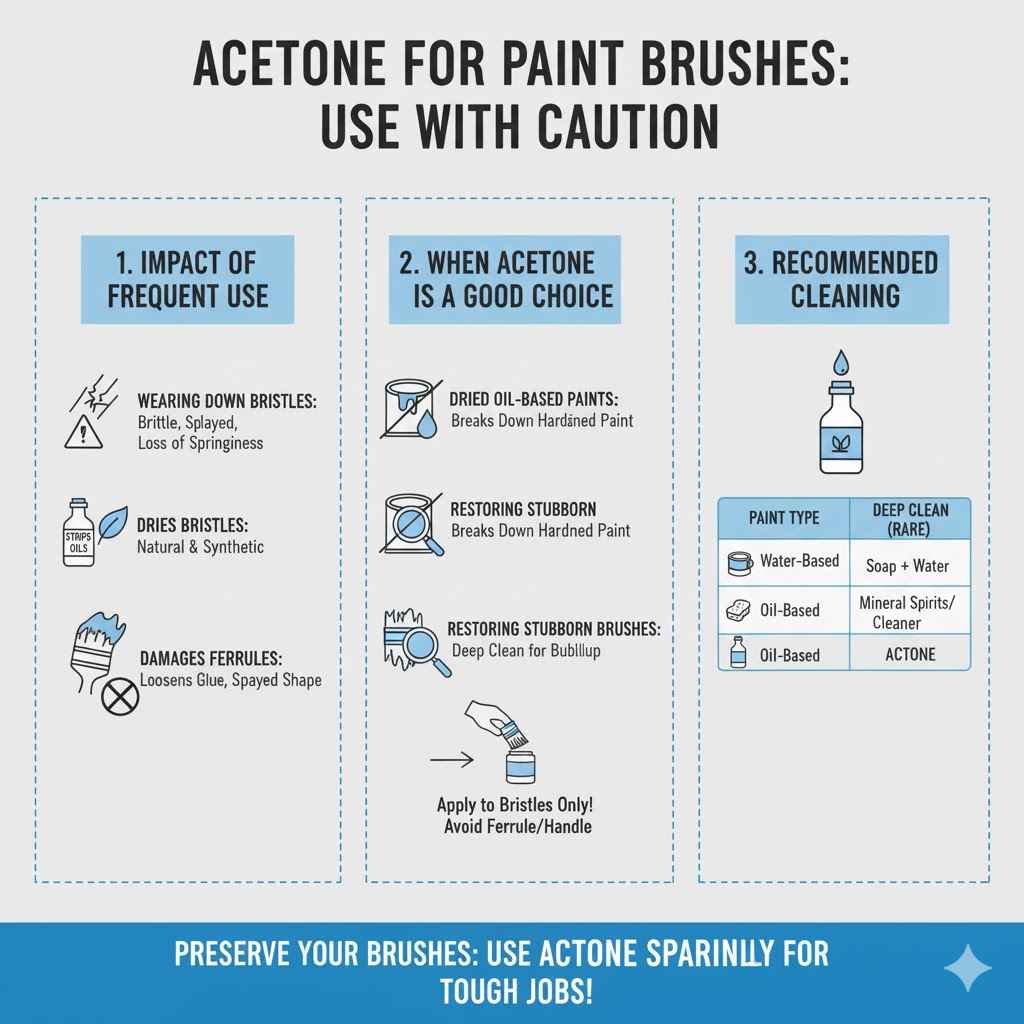
When you use acetone, it doesn’t just dissolve paint; it can also strip away natural oils from bristles, both natural and synthetic. For natural bristles, this leads to dryness, brittleness, and a loss of flexibility. Imagine over-washing your hair with harsh shampoo; it can become dry and damaged.
The same principle applies to natural bristle brushes exposed to frequent acetone cleaning.
Synthetic bristles, while more resistant, can also suffer. Acetone can sometimes cause them to become stiff or dull their sheen over time. While they might not break as easily as natural bristles, repeated harsh cleaning can shorten their overall lifespan and affect their painting performance.
It can make them less pliable, impacting how smoothly they apply paint.
Wearing Down Bristles
Each time you use acetone, you are essentially subjecting the brush bristles to a powerful chemical that breaks down certain compounds. While it effectively breaks down paint, it can also subtly degrade the bristle material itself. This degradation might not be visible after one use, but over many cleaning cycles, it adds up.
The bristles can lose their natural springiness and resilience.
This wear and tear can manifest as splayed bristles, which are bristles that no longer form a neat point or edge. Splayed bristles make it difficult to control your brush strokes, leading to uneven paint application and frustration. Frequent acetone use is a common culprit for this type of damage.
Damage to Brush Handles and Ferrules
Acetone is not only hard on bristles but can also affect other parts of the brush. While less common, prolonged or repeated soaking of the entire brush head in acetone can potentially damage the glue that holds the bristles to the ferrule. This can lead to loose bristles, a common problem that renders a brush unusable.
Furthermore, some lacquered or painted brush handles might also be affected, showing signs of dulling or peeling.
It is crucial to limit the immersion of the ferrule and handle in the solvent. Acetone is best used just on the bristles. If the glue is compromised, the bristles will eventually fall out, even if the bristles themselves are still in good condition.
Always try to keep the solvent level below the metal band of the brush.
When Acetone is a Good Choice
Despite the potential for damage, acetone has its place in a painter’s toolkit. It is particularly valuable for specific situations where other cleaners fall short. Understanding these situations helps you use acetone judiciously.
Tackling Dried Oil Paints
When oil paints have dried completely on your brushes, they become extremely difficult to remove with gentler methods. Acetone is one of the most effective solvents for breaking down hardened oil-based paint. If you have neglected cleaning your oil brushes and they are stiff with dried paint, acetone can often bring them back to life.
It can save brushes that might otherwise be ruined.
The process might require patience and repeated applications. You might need to let the brush soak for a while in acetone, then gently work the softened paint out with a brush comb or rag. Follow up with thorough washing in soap and water to remove all solvent and paint residue.
This salvaging process can be invaluable for recovering well-loved brushes.
Restoring Stubborn Brushes
Occasionally, even with regular cleaning, some paint might accumulate deep within the bristles, making the brush stiff and less responsive. Acetone can be used as a “deep clean” or restorative treatment for brushes that have become particularly stubborn. It can penetrate those hard-to-reach areas where paint has dried and hardened.
This is not something you should do after every painting session. Instead, reserve this type of cleaning for brushes that are showing significant signs of paint buildup and stiffness. A periodic deep clean with acetone, followed by proper conditioning, can help maintain the usability of certain brushes over a longer period.
Recommended Cleaning Frequency and Alternatives
For daily or frequent cleaning, especially with water-based paints, stick to soap and water. This is the gentlest and most effective method for maintaining brushes in good condition. If you use oil-based paints regularly, mineral spirits or specialized brush cleaners are a better choice for routine cleaning than acetone.
Consider using acetone as a rescue tool for severely dried or stubborn paint, rather than a regular cleaning agent. If you find yourself needing acetone frequently, it might be an indication that you’re not cleaning your brushes thoroughly enough with gentler methods immediately after use. A good habit of prompt cleaning after each painting session will significantly reduce the need for harsh solvents like acetone.
Here’s a general guideline:
- After every use with water-based paints: Soap and warm water.
- After every use with oil-based paints: Mineral spirits or a specialized brush cleaner, followed by soap and water.
- For severely dried oil paint or stubborn buildup: Acetone, used sparingly and followed by thorough cleaning and conditioning.
This approach ensures that your brushes are cleaned effectively while their lifespan and performance are maximized.
Frequently Asked Questions
Question: Can I use acetone to clean my natural bristle paint brushes?
Answer: It’s generally not recommended to use acetone frequently on natural bristle brushes. Acetone can be harsh and may dry out, damage, or make the natural hair brittle over time. It’s better to use gentler cleaners like soap and water or specialized brush cleaners for natural bristles.
Question: How much acetone should I use to clean a brush?
Answer: Use only enough acetone to cover the bristles without reaching the ferrule (the metal part). A small amount in a glass or metal container is usually sufficient. Avoid soaking the ferrule or handle to prevent damage to the glue and materials.
Question: What should I do after cleaning my brushes with acetone?
Answer: After using acetone, it is very important to wash your brushes thoroughly with soap and water. This removes any residual acetone and loosened paint. Then, reshape the bristles and allow them to air dry completely.
Question: Is acetone flammable?
Answer: Yes, acetone is highly flammable. Always use it in a well-ventilated area away from any open flames, sparks, or heat sources. Ensure good airflow to prevent fumes from accumulating.
Question: Can acetone clean dried latex paint from brushes?
Answer: Acetone can help soften and remove dried latex paint, but it might require more effort than with oil-based paints. You may need to soak the brush for a longer period and work the softened paint out. Specialized cleaners for dried latex paint might be more effective and less harsh.
Conclusion
So, can you use acetone to clean paint brushes? Yes, you can, but with careful consideration. Acetone is a powerful tool for dissolving tough paint, especially dried oil-based paints, and can revive neglected brushes.
However, it’s a harsh solvent that requires safety precautions like good ventilation and protective gear. For frequent cleaning or delicate natural bristles, gentler alternatives like soap and water or specialized cleaners are better choices. Use acetone sparingly as a rescue solution to preserve your brushes’ quality and extend their useful life.