Can I Paint Concrete? Yes, But Check These 4 Things First
Yes, you can paint concrete, but whether it actually sticks and lasts depends on four things most “how to paint concrete” guides skip: how old the slab is, whether it has already been sealed or painted, how much moisture is moving through it, and which paint you use. Get any one of those wrong and a fresh coat can start peeling within months.
Below I’ll walk through exactly how to check each one before you buy a single can, why ordinary exterior paint fails on concrete more often than on wood or siding, and which product actually holds up. If you’re already past the checks and want the full step-by-step painting and sealing process, jump to our complete guide to painting and sealing concrete after you’ve confirmed your slab is ready.
So, Can You Paint Concrete? The Short Answer
Yes. Concrete is a paintable surface, and painting it is one of the cheapest ways to upgrade a gray, dusty garage floor, patio, or basement wall. But concrete behaves very differently from drywall or wood. It’s porous, alkaline, and constantly exchanging moisture with the ground or the air around it. That’s exactly why “can I paint this” is the more useful question than “how do I paint this” — skipping the readiness checks below is the single biggest reason DIY concrete paint jobs fail early.
Best Self-Priming Masonry Paint
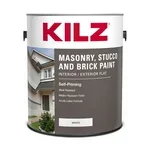 |
KILZ Self-Priming Masonry, Stucco & Brick Paint – $31.97 A real concrete/masonry-formulated paint (not repurposed exterior paint) that bonds to porous, alkaline surfaces without a separate primer coat.
|
That product is a genuinely concrete-appropriate paint, not a repurposed wall or trim paint — which matters more than most guides let on, for reasons I’ll get into below. First, let’s make sure your slab is actually ready for it.
4 Things to Check Before You Paint (Not Every Slab Is Ready)
Before you commit to a color or a product, walk through these four checks. Each one can be the difference between a coat of paint that lasts five years and one that’s bubbling by next summer.
1. How Old Is the Concrete?
New concrete needs to cure before it can be painted, and the wait is longer than most people expect. The industry-standard minimum is 28 to 30 days from the pour, and that’s only a floor. In cold, damp, or shaded conditions, or with an extra-thick slab, full cure can stretch to 60 days or more. Painting too soon is the single most common reason a coating fails on a brand-new driveway or patio — the slab is still releasing water vapor and alkaline salts as it hardens, and trapping that under a fresh coat of paint is a recipe for peeling within the first season.
If you’re not sure whether a slab has finished curing, don’t just count days on a calendar — run the moisture test in check #3 below before you paint.
2. Has It Been Sealed, Painted, or Densified Before?
Paint needs something porous to grip. A slab that’s already been sealed, waxed, or painted — or a garage floor that was professionally densified or polished — has had that texture closed off on purpose, and new paint will often peel off in sheets within weeks because it never actually bonded to anything. Run your palm across the surface: if it feels glassy-smooth or beads water when you splash it, treat it as sealed.
You have two options here: strip the old coating (see our guide on the best ways to get paint off concrete for methods that won’t gouge the slab), or mechanically or chemically etch the surface to open up a fresh profile for the new paint to grab onto. If you go the etching route, don’t rush the next step — etched concrete has its own required drying window before paint goes on, which we cover in detail in how long to wait after etching concrete before painting.
3. Is Moisture Moving Through the Slab? (The Plastic-Sheet Test)
Concrete sits on soil, and soil holds groundwater. Even a slab that looks bone-dry can be wicking moisture upward through capillary action, and that moisture has to go somewhere — if you seal the surface with paint, it gets trapped and pushes the coating off from underneath.
Here’s the same simple test flooring contractors use before installing anything moisture-sensitive: tape an 18-to-24-inch square of clear plastic sheeting to the concrete on all four sides with duct tape, and leave it for 16 to 24 hours.
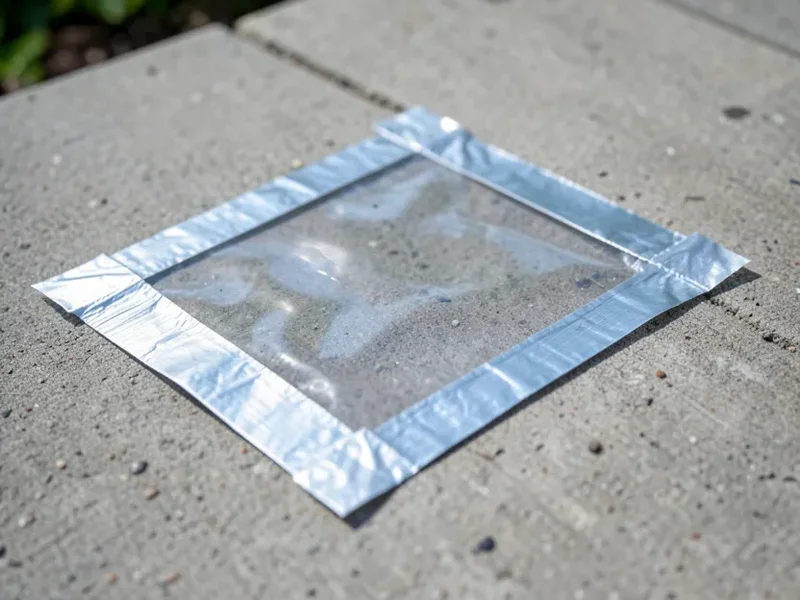
If you come back and see condensation beaded on the underside of the plastic, or the concrete underneath has visibly darkened, you’ve got active moisture movement. That doesn’t mean you can never paint that slab — it means you need a vapor-permeable masonry product (not a standard latex or oil paint) and possibly a moisture-mitigating primer, or you need to address the water source first (regrading, a French drain, or interior waterproofing, depending on where the slab is).
4. Indoors or Outdoors, Floor or Wall?
A garage or basement floor takes tire traffic, dropped tools, hot rubber, and standing water. A patio takes UV and freeze-thaw cycles. A basement or exterior wall takes neither, but does need to handle efflorescence and, outdoors, direct weather exposure. Don’t use the same product for all three:
- Floors (garage, basement, workshop): need a floor-rated epoxy or a 100% acrylic floor coating built to resist abrasion and hot tires. Wall paints wear through fast underfoot.
- Exterior walls, retaining walls, foundations: a self-priming masonry, stucco, and brick paint (like the pick above) is usually the better fit — it’s formulated for vertical, weather-exposed masonry rather than foot traffic.
- Patios and walkways: need UV-stable exterior floor paint or epoxy, since standard interior floor products chalk and fade outdoors within a year or two.
Why Regular Exterior Paint Often Fails on Concrete
This is the part most articles skip, and it’s the actual mechanism behind most of the “I painted my concrete and it peeled in a year” stories. Concrete is porous all the way through, and it’s constantly exchanging water vapor with the ground, the air, or both — this is called moisture vapor transmission. Standard exterior latex or oil paint, the kind made for siding or trim, forms a relatively tight, non-breathable film. On wood or vinyl siding, that’s fine, because those surfaces aren’t pulling groundwater up through themselves.
On concrete, that same tight film becomes a problem. Vapor pressure builds up underneath it with nowhere to go, and eventually it wins — pushing the paint up into bubbles, then flaking it off in sheets, often starting at the lowest or shadiest spot on the slab where moisture lingers longest.
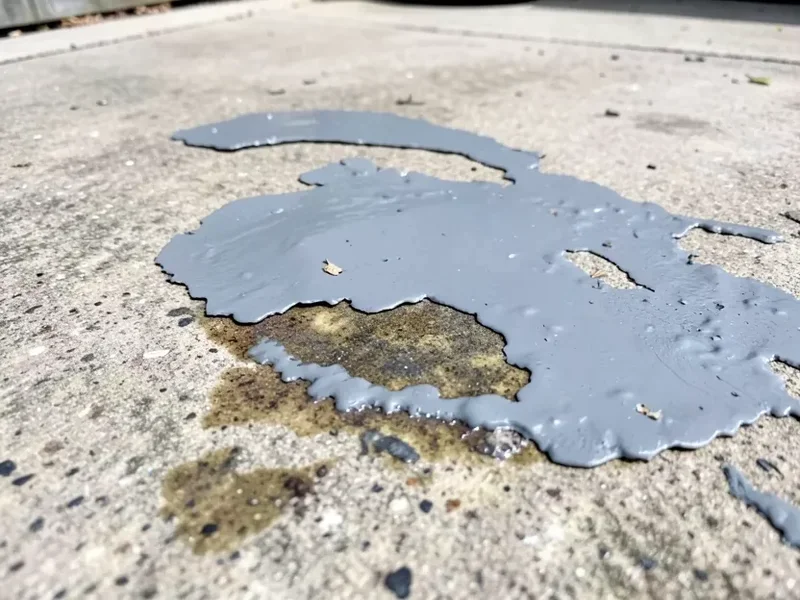
A genuine concrete or masonry paint is formulated differently: it’s designed to bond to an alkaline, porous substrate and, in most cases, to let some vapor pass through rather than blocking it outright. That’s the real reason “just use exterior paint, it’ll be fine” advice causes so many repeat failures — it’s not that the paint is low quality, it’s that it was engineered for the wrong substrate.
What Kind of Paint Actually Holds Up on Concrete
Once you know which category you’re in from check #4 above, the product choice gets simple:
- Self-priming masonry/stucco/brick paint: the easiest option for exterior walls and vertical surfaces — no separate primer coat needed on a properly prepped surface, and it’s built for concrete’s alkalinity.
- 2-part epoxy: the standard for garage and workshop floors — far more abrasion- and chemical-resistant than any paint, but it does require a properly cured, etched, and moisture-tested slab, since epoxy is even less forgiving of trapped moisture than paint.
- Elastomeric coatings: thicker, more flexible, and better at bridging small cracks — useful on older slabs with hairline cracking where a rigid coating would just crack along with the concrete.
Whichever category fits, read the can’s own cure-time and surface-prep instructions — manufacturers set those numbers based on real adhesion testing, and they’re usually a bit more conservative than generic “28 days” advice for a reason.
Ready to Paint? Here’s the Process in Brief
If your slab passed all four checks above, here’s the short version of what comes next:
- Deep-clean the surface (degreaser for garage floors, a scrub or pressure wash for patios).
- Etch or mechanically profile the surface if it’s smooth, troweled, or was previously sealed.
- Prime, unless your paint is self-priming.
- Apply two thin coats rather than one thick one — thick coats trap solvent and are more likely to bubble.
- Seal floors with a compatible topcoat for extra abrasion resistance.
For the full walkthrough of each of those steps — including specific etching techniques, dry times between coats, and sealer options — see our complete guide to painting and sealing concrete.
Common Mistakes That Make Concrete Paint Fail Early
- Painting before the cure window is up. 28 days is a minimum, not a target — when in doubt, run the plastic-sheet test.
- Skipping the etch on a sealed or troweled-smooth slab. Paint needs texture to grip; without it, adhesion fails regardless of how good the paint is.
- Using a wall or trim paint on a floor. It’ll look fine for a few weeks, then wear through at every tire track and footpath.
- Applying one heavy coat instead of two thin ones. A thick coat skins over on the surface while solvent is still trying to escape underneath — that’s a direct path to bubbling.
- Ignoring an active moisture source (poor drainage, no vapor barrier under a slab) instead of addressing it before painting. New paint won’t fix a moisture problem — it’ll just fail because of it, again.
Frequently Asked Questions
Can I paint concrete that’s already sealed?
Only after you strip the old sealer or paint, or mechanically/chemically etch the surface to give the new coat something to grip. Painting directly over a sealed slab is one of the most common causes of early peeling.
How soon can I paint new concrete?
Wait a minimum of 28 to 30 days after the pour, and longer — up to 60 days — in cold, humid, or shaded conditions. If you’re not sure the slab has finished curing, run the plastic-sheet moisture test before painting.
Will paint stick to smooth, troweled concrete?
Not reliably without etching first. A smooth, troweled or polished finish is too closed to give paint a mechanical grip, so it needs to be profiled with an etching product or mechanical abrasion before you paint.
Does a concrete driveway or patio need a different paint than a wall?
Yes. Horizontal, walked-on or driven-on surfaces need a floor-rated epoxy or exterior floor coating built for abrasion and UV exposure. Vertical surfaces like exterior walls can generally use a self-priming masonry paint instead.
How do I know if moisture is a problem before I paint?
Tape a clear plastic sheet to the concrete on all sides and leave it 16 to 24 hours. Condensation under the plastic, or darkened concrete underneath it, means active moisture — paint later, use a vapor-permeable product, or fix the moisture source first.
Bottom Line
Concrete is absolutely paintable, but it isn’t a drop-in substitute for wood or drywall — it’s porous, alkaline, and often moving moisture even when it looks completely dry. Run the four checks above before you buy paint, pick a product actually formulated for masonry or concrete floors, and you’ll get a finish that holds up for years instead of one season. Ready for the full process? Head to our step-by-step guide to painting and sealing concrete.
Sponsored / affiliate links. As an Amazon Associate I earn from qualifying purchases. I may earn additional commission from eligible campaigns.