Can You Use MDF for Trim?: Expert Insights & Tips
Are you planning a home improvement project and wondering if MDF is the right choice for your trim? You’re not alone.
Many homeowners find themselves puzzled when it comes to selecting the perfect material for their trim. MDF, or Medium-Density Fiberboard, often comes up in conversations about affordable and versatile options. But is it truly the best fit for your needs?
Before you make any decisions, consider the benefits and potential drawbacks of using MDF for your trim. Imagine transforming your living space with sleek, modern lines that promise both style and durability. But what if the material doesn’t hold up as expected? This article will guide you through everything you need to know about MDF for trim, helping you make an informed choice that you’ll be happy with for years to come. Keep reading, and let’s explore whether MDF is the right choice for your home makeover.
:max_bytes(150000):strip_icc()/Quarter-Round-Installed-on-Baseboard-164003254-57a500d85f9b58974a84b0f6.jpg)
Credit: www.thespruce.com
MDF Basics
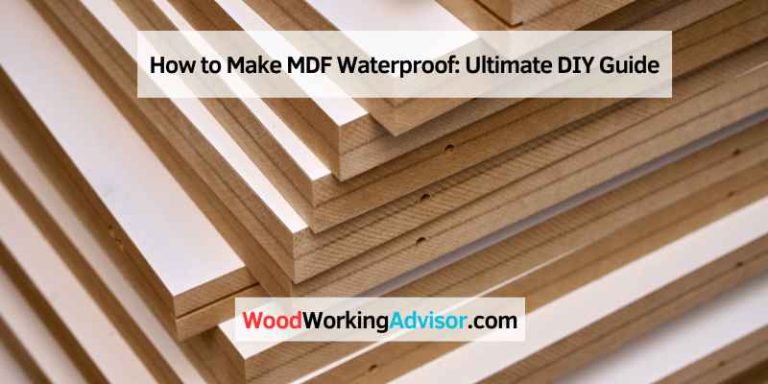
MDF stands for Medium-Density Fiberboard. It is made from wood fibers. These fibers are mixed with wax and resin. The mixture is then compressed into sheets. MDF is smooth and easy to cut. It can be shaped into many forms. It is less expensive than real wood. But it is not as strong as wood.
MDF is used in many building projects. It is often used for furniture. People use it for cabinet doors and shelves. MDF is also popular for trim work. It can be painted easily. This makes it look nice in homes. Many builders choose MDF for its affordability. It can be a good choice for many projects. Always remember, it must be kept dry. Water can damage MDF quickly.
Benefits Of MDF For Trim
MDF is cheaper than real wood. It saves money for home projects. Builders like using MDF because it is budget-friendly. Many families choose MDF for their homes. MDF makes homes nice without spending a lot. It is a smart choice for everyone.
MDF has a smooth surface. It is easy to paint. Paint looks nice on MDF. Colors stay bright and clear. No bumps or rough spots. Everyone can paint MDF easily. It is fun to decorate with MDF. Your home can look pretty with little effort.
MDF is made from recycled wood fibers. It helps save trees. Using MDF is good for the earth. Families care about the planet. Choosing MDF is a green choice. It helps nature stay healthy. Everyone wins with MDF.
Drawbacks Of Using MDF
MDF trim can be less durable than solid wood. It swells in humid conditions and may warp over time. Installing MDF requires careful handling to avoid damage, making it less ideal for high-traffic areas.
Susceptibility To Moisture
MDF is not good in wet places. It swells when it gets wet. Water can easily damage it. This makes it unsuitable for bathrooms or kitchens. Keep it away from rain or leaks. MDF can lose its shape if it gets wet.
Durability Concerns
MDF is not as strong as wood. It can break or chip. Heavy impacts can damage it. MDF is soft and easy to scratch. It doesn’t last as long as real wood. Think before using it in busy areas.
Installation Challenges
Installing MDF requires care. It is heavy and hard to move. Cutting MDF makes a lot of dust. Special tools are needed for a clean cut. MDF needs strong support when fixed. Nails can split MDF if not careful.
Comparing MDF With Other Materials
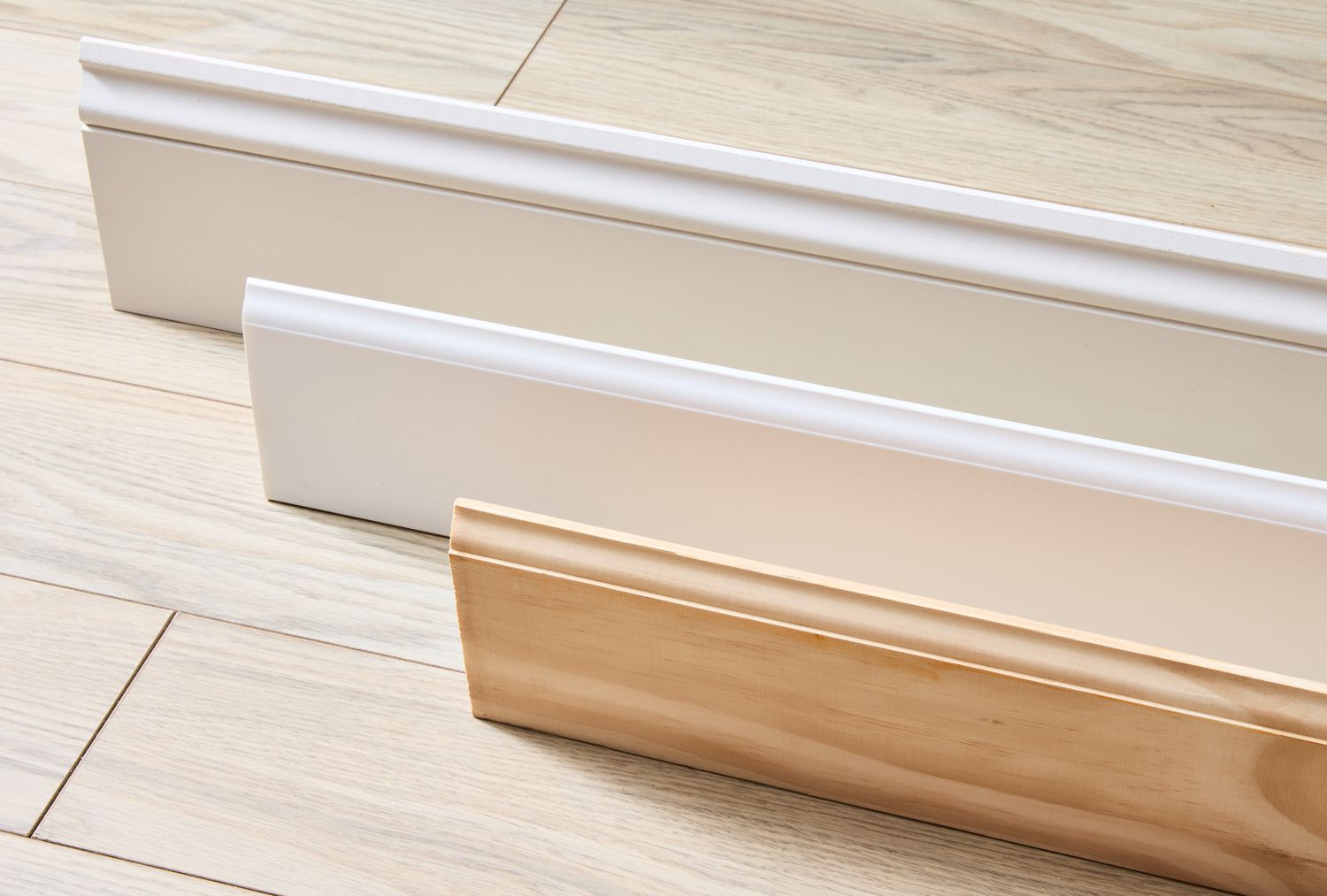
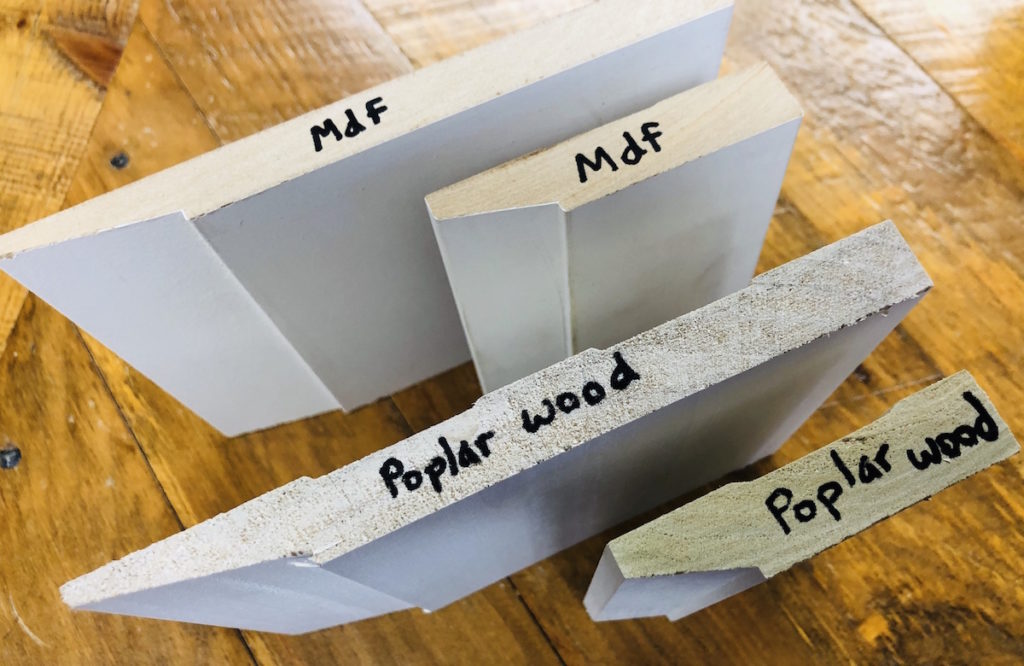
MDF is often smoother than solid wood. It does not have knots or grains. Solid wood is stronger and lasts longer. MDF is less expensive. It is also easier to cut and shape. Solid wood can warp. MDF stays flat. Both have their uses. Choose based on needs.
Plywood is made of layers. It is stronger than MDF. MDF is very smooth. Plywood can have rough spots. MDF is cheaper. Plywood can hold screws better. MDF is easier to paint. Use MDF for smooth surfaces. Use plywood for strength.
Composite materials include many types. MDF is one type. Some composites are waterproof. MDF is not. MDF is cheaper than many composites. Composites can be very strong. MDF is easy to cut. Choose MDF for easy work. Choose composites for special needs.
Expert Tips For MDF Trim Installation
Start by gathering all tools. A saw, tape measure, and pencil are needed. Measure twice to ensure accuracy.
Cut MDF slowly to avoid chipping. Use a mask to protect from dust. MDF is dense, so handle with care.
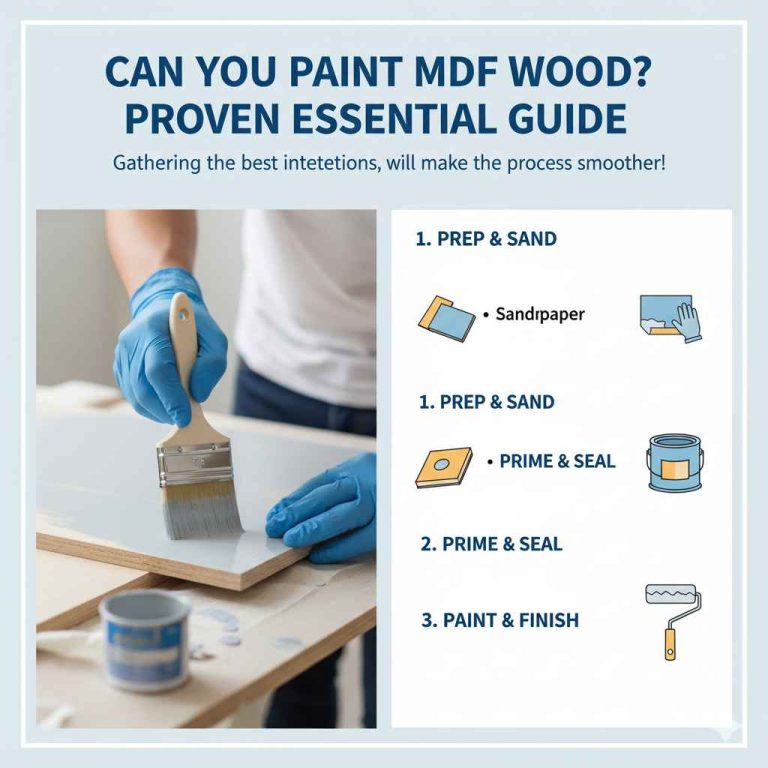
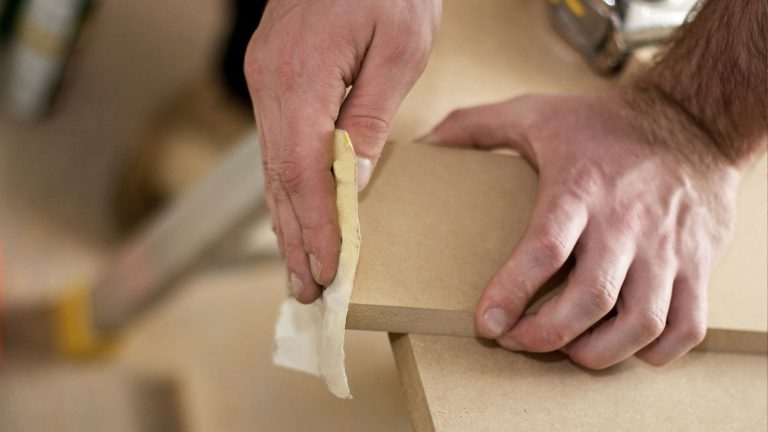
Apply a primer before painting. It helps in smooth finishing. Seal edges to prevent moisture damage. Use sandpaper to smooth surfaces.
Lightly sand between coats for a neat finish. Choose a high-quality paint for a long-lasting look.
Keep MDF dry to prevent swelling. Dust regularly with a soft cloth. Avoid harsh chemicals on the surface. Wipe spills quickly to avoid stains.
Check for damage often. Fix small chips with wood filler.
Case Studies And Real-life Applications
MDF is often used in homes for trim. It is easy to cut and shape. Homeowners like its smooth surface. Painters find it easy to paint. Some homes have MDF trim in every room. It is less expensive than wood. This makes it a good choice for budget projects. MDF lasts a long time if cared for well. It is not good for wet areas. Kitchens and bathrooms need careful planning.
MDF is used in office buildings. It creates nice trim and molding. It is cheaper than many other materials. This helps save money. Stores use MDF for shelves and displays. It is strong and looks nice. Hotels use MDF for decorative trim. It helps create a modern look. MDF is not good in wet places. It is best for dry areas. Proper care is important for long life.
Future Trends In MDF Usage
MDF, or Medium-Density Fiberboard, is becoming more advanced. New technology makes MDF stronger and more durable. It can now resist water and heat better. This means it lasts longer. Builders find it more useful for homes. Special treatments make MDF look like real wood. This is exciting for designers. They can create new styles easily. MDF is also easier to cut. Tools for cutting are improving too. This makes working with MDF faster. Faster work saves money and time. MDF is a top choice for many projects. It offers beauty and functionality at a lower cost.
MDF is getting more eco-friendly. Factories use recycled wood fibers to make MDF. This helps save trees. Less wood waste goes to landfills. Some MDF is even made from old furniture. This is great for the planet. New methods use less toxic glue. This keeps the air cleaner. People want materials that are safe for their families. MDF is now a safer choice. Many builders like this change. They want to build green homes. MDF fits their goals well. It helps the world and looks nice too.
Credit: www.royalwoodshop.com
Frequently Asked Questions
Can You Use MDF As Trim?
Yes, you can use MDF as trim. It is affordable, easy to work with, and provides a smooth finish. MDF is suitable for interior applications but not recommended for areas with high moisture exposure. Always prime and paint MDF trim for durability and protection.
Where Should You Not Use MDF?
Avoid using MDF in areas with high moisture, such as bathrooms or outdoor spaces, to prevent swelling. It’s unsuitable for load-bearing applications due to its weaker structural integrity compared to solid wood. MDF is not recommended for places requiring durability against heavy impacts or prolonged wear.
Is MDF Safe For Baseboards?
MDF is safe for baseboards. It is durable, cost-effective, and easy to paint. Ensure proper installation to prevent moisture damage. MDF baseboards are ideal for indoor use, providing a smooth finish and enhancing aesthetics. Regular maintenance will prolong their lifespan and keep them looking great.
What Are The Disadvantages Of MDF Trim?
MDF trim is less durable than wood and can swell with moisture exposure. It’s prone to damage from impacts. Installation requires careful handling to prevent chipping. It’s also unsuitable for high-humidity areas. MDF releases formaldehyde, which can be a concern for indoor air quality.
Conclusion
MDF can be a practical choice for trim. It offers affordability and ease of use. Its smooth surface makes painting simple. However, MDF isn’t ideal for moisture-rich areas. Wood might be better there. Always seal MDF edges to prevent swelling.
Consider your home’s needs before choosing. MDF works well in many settings. It’s important to weigh its pros and cons. With the right care, MDF trim can last long. Choose wisely for the best results. Your home deserves the best trim.