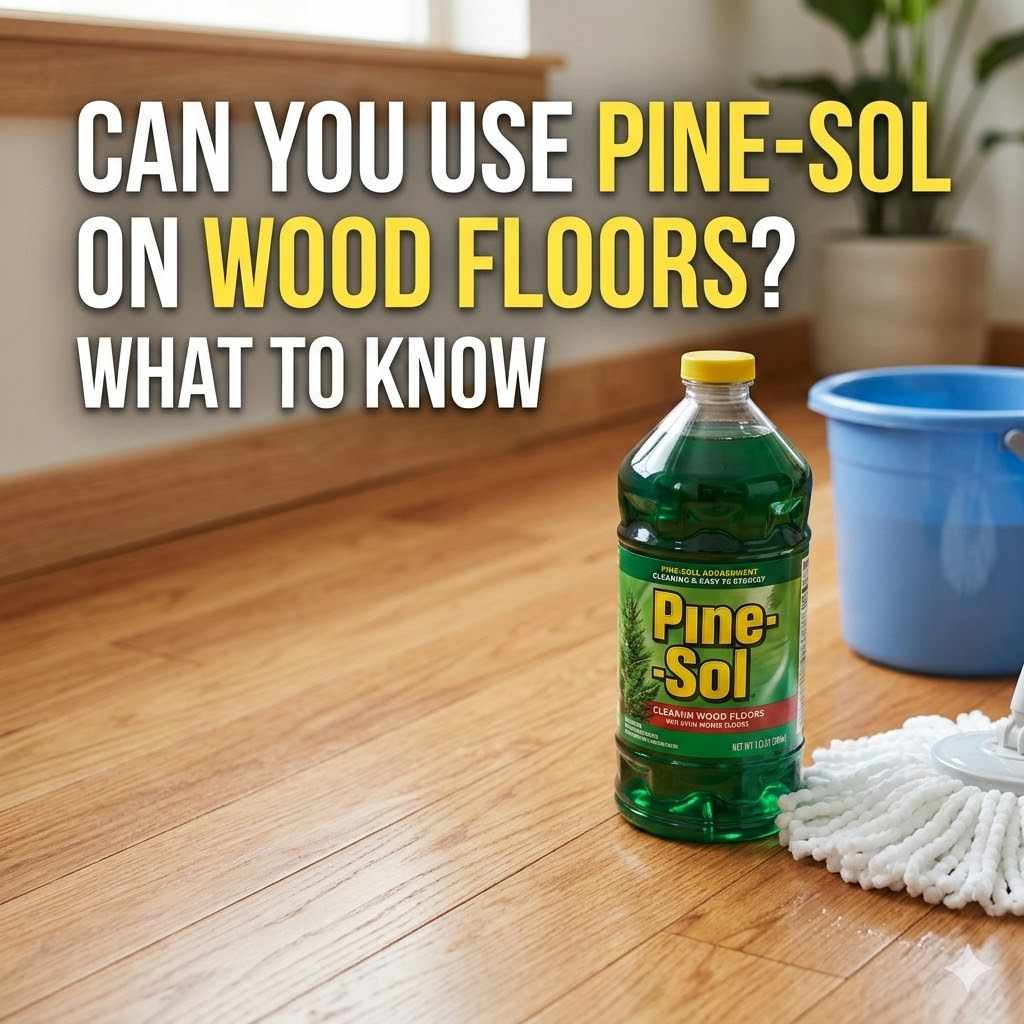
Can You Use Pine-Sol on Wood Floors? What to Know
Many people wonder, Can You Use Pine-Sol on Wood Floors? What to Know. It’s a common question because Pine-Sol is a popular cleaner, and wood floors are beautiful but need special care.
Sometimes, the best way to clean isn’t as simple as spraying and wiping. This guide makes it easy. We’ll walk through everything you need to know step-by-step so you can confidently care for your wood floors without worry.
Pine-Sol For Wood Floors Is It Safe
This section explores the safety of using Pine-Sol on wood floors. We will look at what makes Pine-Sol a common household cleaner and why its application on delicate surfaces like wood requires careful consideration. Understanding the ingredients and their potential effects is key to making informed cleaning choices.
We aim to provide clear answers that help you protect your flooring.
Understanding Pine-Sol Ingredients
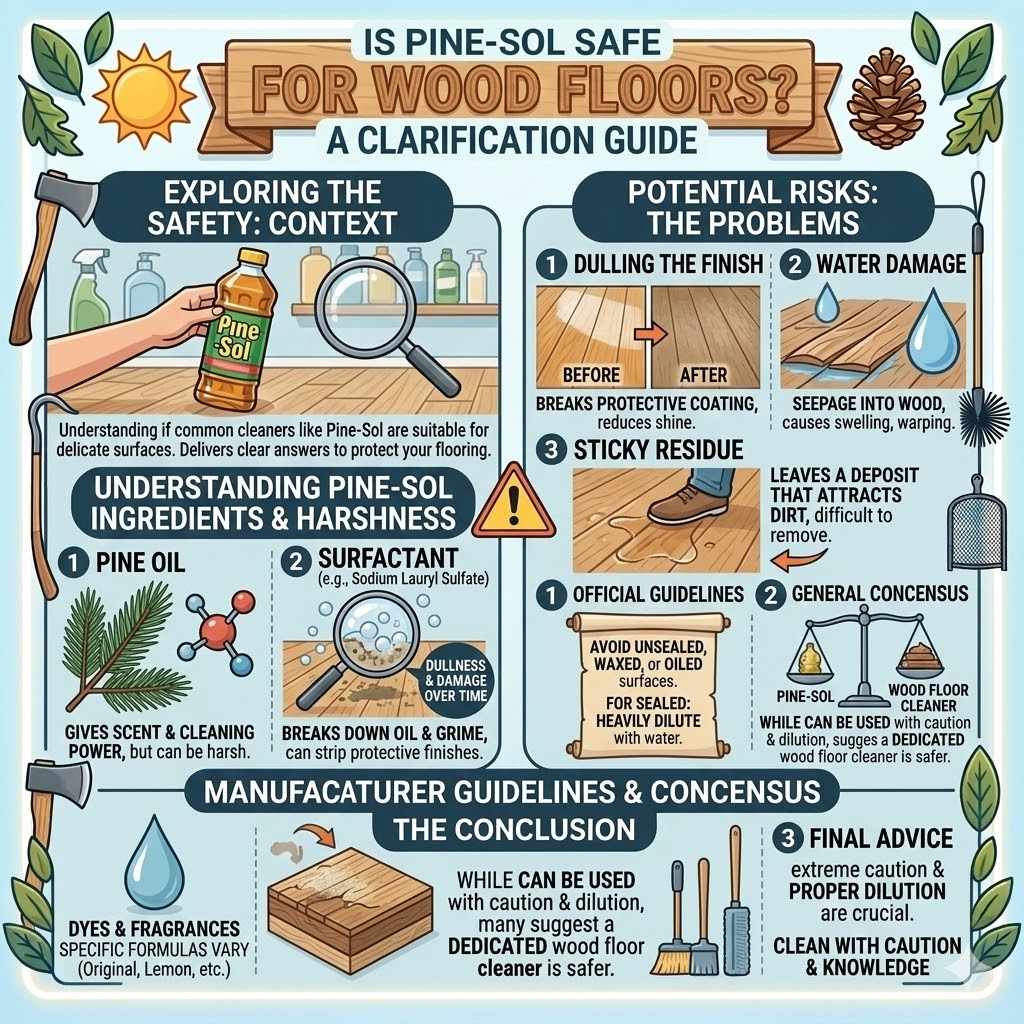
Pine-Sol is a well-known disinfectant and cleaner. Its primary active ingredient is typically pine oil, which gives it a distinct scent and some cleaning power. Other common ingredients include sodium lauryl sulfate, a surfactant that helps lift dirt and grease, and sometimes fragrances and dyes.
The specific formulation can vary slightly between different Pine-Sol products, like the original, lemon scent, or lavender scent.
The surfactant, sodium lauryl sulfate, is designed to break down oils and grime. Pine oil itself has some natural cleaning properties. However, these components can be harsh on certain finishes found on wood floors.
For instance, highly concentrated cleaning solutions can strip away the protective top layer of the wood, leading to dullness or damage over time.
Many wood floor finishes are polyurethane-based, acrylic-sealed, or waxed. These finishes are susceptible to damage from strong chemicals found in some cleaners. While Pine-Sol is effective on many non-porous surfaces, wood floors present a unique challenge due to their material and the type of finish applied.
It’s crucial to know that not all Pine-Sol formulas are the same, and this can impact their suitability for wood.
Potential Risks of Using Pine-Sol on Wood
Using Pine-Sol incorrectly on wood floors can lead to several issues. One of the most common problems is dulling the finish. The chemicals in Pine-Sol, particularly if used undiluted or left to sit on the surface, can break down the protective coating.
This coating is what gives your wood floors their shine and protects them from everyday wear and tear.
Another risk is water damage. Wood is a natural material that absorbs moisture. If too much Pine-Sol solution is applied and not properly dried, the excess liquid can seep into the wood.
This can cause swelling, warping, or even cupping of the floorboards. This type of damage can be expensive to repair and can permanently alter the look of your floors.
Some people have also reported that using Pine-Sol can leave a sticky residue on wood floors. This happens when the cleaner doesn’t fully rinse away or reacts with the floor’s finish. This residue attracts more dirt and can make the floors feel unpleasant underfoot.
In severe cases, the residue can be difficult to remove, requiring specialized cleaning methods.
Here are some potential issues:
- Dulling of the floor’s protective finish.
- Water damage leading to swelling or warping of wood boards.
- Sticky residue that attracts dirt and is hard to clean.
- Discoloration of the wood or finish over time.
- Damage to the sealant, requiring refinishing.
Each of these can detract from the beauty and longevity of your wood flooring. It is important to approach cleaning with caution and research recommended methods for your specific floor type.
What Does the Manufacturer Say
Pine-Sol’s official guidelines are important to consider. The manufacturer generally advises against using Pine-Sol on unsealed, waxed, or oiled wood surfaces. For sealed or finished wood floors, they often recommend diluting the product heavily with water.
However, the advice can be quite general, and specific product warnings might vary.
Many cleaning product manufacturers, including those for Pine-Sol, often include disclaimers about using their products on sensitive surfaces. These disclaimers are there to protect consumers and the company. They highlight that improper use can lead to damage.
It’s always a good practice to check the product label for any specific instructions or warnings related to flooring.
The general consensus from manufacturers is that while Pine-Sol can be used on some finished wood floors, it should be done with extreme caution and proper dilution. For many, especially those with antique or specialty wood floors, a dedicated wood floor cleaner is a safer bet. Understanding these recommendations helps avoid costly mistakes and keeps your floors looking their best.
Safe Alternatives to Pine-Sol For Wood Floors
Given the potential risks associated with using Pine-Sol on wood floors, exploring safer alternatives is a wise decision for maintaining their beauty and durability. This section focuses on cleaning solutions that are specifically designed for wood or are known to be gentle enough to avoid damage. We will discuss various types of cleaners, from commercial products to simple DIY solutions, ensuring your wood floors receive the best care.
Dedicated Wood Floor Cleaners
The market offers a wide range of cleaners specifically formulated for wood floors. These products are typically pH-balanced and contain mild ingredients that won’t strip or damage the floor’s finish. They are designed to remove dirt, grime, and scuff marks effectively while protecting the sealant and shine of the wood.
When choosing a dedicated wood floor cleaner, look for terms like “pH-neutral,” “safe for sealed wood floors,” or “no-rinse formula.” Many reputable brands offer these options. Some popular types include spray cleaners, concentrated liquids that you dilute with water, and even cleaning wipes. Each type has its own application method, but all aim to clean without harm.
These specialized cleaners often contain conditioning agents that can help maintain the luster of your wood floors. They work by gently lifting dirt and preventing the buildup of residue. Unlike harsher cleaners, they are less likely to cause streaks or dullness.
This makes them a reliable choice for regular maintenance and deeper cleaning tasks.
Here are some benefits of using dedicated wood floor cleaners:
- Specifically formulated to protect wood finishes.
- Gentle pH balance prevents stripping of sealants.
- Often contain conditioning agents for added shine.
- Reduce the risk of water damage due to controlled moisture.
- Designed to rinse clean and prevent residue buildup.
These cleaners provide peace of mind knowing that you are using a product tested and approved for wood flooring care, ensuring its long-term beauty.
DIY Wood Floor Cleaning Solutions
For those who prefer to make their own cleaning solutions, a few simple DIY recipes can be very effective for wood floors. These methods often use common household ingredients that are gentle and readily available. They offer an economical and natural way to keep your floors clean.
One of the most popular and safe DIY solutions involves mixing a small amount of mild dish soap with water. Use only a few drops of soap in a gallon of water. The key is to use very little soap, as too much can leave a residue.
Always use a well-wrung-out mop to ensure minimal moisture is applied to the wood.
Another effective DIY cleaner uses white vinegar. Mix one cup of white vinegar with a gallon of warm water. Vinegar is acidic, which helps break down grime.
However, it’s important to dilute it properly. For very sensitive wood finishes, using vinegar less frequently or in a weaker solution is advisable. Always test in an inconspicuous area first.
For a more natural approach, some people use a small amount of essential oil like lemon or tea tree oil mixed with water. These oils can add a pleasant scent and have some mild antibacterial properties. However, avoid using pure essential oils directly on the wood as they can be concentrated and potentially damaging.
Here are some simple DIY recipes:
- Mild Dish Soap and Water: Mix a few drops of pH-neutral dish soap with a gallon of warm water. Use a damp, not wet, mop.
- White Vinegar Solution: Mix 1 cup of white vinegar with 1 gallon of warm water. This is effective for general cleaning but use sparingly.
- Water with Essential Oils: Add a few drops of a preferred essential oil to a gallon of water for scent and mild cleaning.
These homemade cleaners are often more affordable and give you control over the ingredients.
Remember to always use minimal water and dry the floors thoroughly afterward.
How to Clean Wood Floors Correctly Step-by-Step
Proper cleaning technique is as important as the cleaning solution itself. For wood floors, the goal is to remove dirt without saturating the wood with moisture or damaging the finish. This step-by-step guide will walk you through the process safely.
First, you’ll want to prepare the area. Sweep or vacuum your wood floors to remove any loose dirt, dust, and debris. This prevents scratching the floor during the mopping process.
A vacuum with a soft brush attachment is ideal for this step.
Next, prepare your cleaning solution. Whether you are using a commercial wood floor cleaner or a DIY solution, make sure it is properly diluted according to the product instructions or your chosen recipe. Have a bucket ready with your cleaning mixture.
The crucial step is mopping. Use a microfiber mop or a mop designed for wood floors. Dip the mop into the cleaning solution, then wring it out thoroughly.
The mop should be damp, not soaking wet. Excess water is the enemy of wood floors.
Mop your floors in small sections. Work with the grain of the wood. After cleaning a section, immediately follow up with a dry microfiber cloth or a dry mop to absorb any residual moisture.
This ensures the wood dries quickly and prevents water damage.
Here is a typical cleaning process:
- Dry Clean First: Sweep or vacuum the floor to remove loose debris.
- Prepare Cleaning Solution: Mix your chosen cleaner with water according to directions.
- Damp Mop: Dip the mop in the solution and wring it out very well until it’s only damp.
- Clean in Sections: Mop a small area at a time, following the wood grain.
- Dry Immediately: Use a dry cloth or mop to wipe up any extra moisture.
- Allow to Air Dry Completely: Ensure the floors are fully dry before walking on them.
This method ensures that your wood floors are cleaned effectively while minimizing the risk of damage from too much moisture or harsh chemicals. Consistency with this approach will help keep your floors looking great.
When to Avoid Using Pine-Sol Entirely
There are specific situations and types of wood floors where using Pine-Sol should be avoided altogether. Understanding these exceptions can save your floors from irreversible damage. If you’re unsure about your floor’s finish or type, it’s always best to err on the side of caution.
Unfinished or unsealed wood floors are highly porous and will absorb almost any liquid they come into contact with. Using Pine-Sol on these surfaces would lead to deep staining, warping, and a breakdown of the wood fibers. These floors require specialized care and often oil or wax treatments.
Waxed wood floors can also be problematic. Pine-Sol contains degreasing agents that can strip away the wax coating. Once the wax is removed, the wood is exposed and vulnerable.
Reapplying wax after using Pine-Sol can be difficult, and the floor might lose its protective sheen.
Oiled wood floors are another category that requires specific cleaning products. These finishes are designed to nourish the wood, and harsh cleaners like Pine-Sol can interfere with this process, drying out the wood and compromising its natural oils. Always use cleaners recommended for oiled finishes.
Additionally, if your wood floors have a very delicate or antique finish, it is generally safer to avoid Pine-Sol. Even diluted, its ingredients might be too strong for older, more sensitive finishes. In such cases, a professional cleaner or a very mild, specialized product is the best course of action.
Avoid Pine-Sol if:
- Your floors are unfinished or unsealed.
- Your floors are waxed.
- Your floors have an oiled finish.
- You have antique or very delicate wood flooring.
- You are unsure about the type of finish on your floors.
When in doubt, consult the flooring manufacturer or a professional floor care specialist. Choosing the right cleaner is crucial for the longevity and appearance of your wood floors.
Can You Use Pine-Sol on Wood Floors What to Know About Different Finishes
The type of finish on your wood floors plays a critical role in determining whether Pine-Sol is a suitable cleaning agent. Different finishes offer varying levels of protection and react differently to cleaning chemicals. This section delves into how different wood floor finishes interact with Pine-Sol and what precautions you should take.
Polyurethane and Urethane Finishes
Most modern wood floors are finished with polyurethane or urethane. These finishes create a durable, protective barrier on the surface of the wood. They are generally more resistant to moisture and wear compared to older types of finishes.
For sealed floors with a polyurethane finish, Pine-Sol can sometimes be used, but only if heavily diluted and used with extreme caution. The key is that the finish must be intact and in good condition. If the finish is worn or has scratches, Pine-Sol can penetrate these weak points and damage the wood itself.
Diluting Pine-Sol significantly with water is essential. A common recommendation is 1/4 cup of Pine-Sol to 1 gallon of water. Even with dilution, it’s advisable to test a small, inconspicuous area first.
Look for any signs of dulling or discoloration after the floor dries.
Many professionals recommend that even for polyurethane-finished floors, a cleaner specifically designed for wood is a safer and more effective choice. These dedicated cleaners are pH-balanced and formulated to maintain the integrity of the polyurethane seal without the risk of chemical damage. They also tend to leave less residue.
Here are some considerations for polyurethane finishes:
- Pine-Sol should be heavily diluted.
- Test in an inconspicuous area first.
- Avoid using on scratched or worn finishes.
- Dedicated wood floor cleaners are generally safer.
- Ensure the floor is completely dry after cleaning.
While a heavily diluted Pine-Sol might not cause immediate damage to a robust polyurethane finish, repeated use or a stronger concentration can still degrade the seal over time. Therefore, caution is always advised.
Water-Based Finishes
Water-based finishes are another type of protective coating applied to wood floors. They are known for their clarity, low odor during application, and faster drying times compared to oil-based finishes. They also offer good durability and resistance to chemicals and wear.
Similar to polyurethane finishes, water-based finishes can tolerate very dilute solutions of Pine-Sol. However, the same precautions apply. The finish must be in excellent condition, with no cracks or wear marks.
A heavily diluted solution, like 1/4 cup of Pine-Sol per gallon of water, is the maximum recommended concentration.
It’s important to remember that while water-based finishes are durable, they can still be sensitive to prolonged exposure to moisture. Therefore, the principle of using a damp mop and immediately drying the floor remains critical. Leaving standing water or excessive cleaning solution on the floor can lead to issues like swelling or delamination of the finish.
Some manufacturers of water-based finishes specifically advise against using ammonia-based or high-pH cleaners, as these can sometimes dull or etch the surface. While Pine-Sol is not typically ammonia-based, its other chemical components could potentially react with certain water-based sealants. Again, a test spot is crucial.
Key points for water-based finishes:
- Use Pine-Sol only if heavily diluted.
- Ensure the finish is completely intact and without damage.
- Always damp mop and dry the floor immediately.
- Be aware of potential reactions with specific formulations.
- Consider using cleaners formulated for water-based sealants.
The long-term effect of Pine-Sol on water-based finishes is less documented than for polyurethane, so caution and observation are paramount.
Oil-Based and Wax Finishes
Oil-based and wax finishes are traditional methods of protecting wood floors. Oil finishes penetrate the wood to protect it from within, while wax provides a surface layer of protection and a beautiful sheen. These finishes require a different approach to cleaning than modern sealants.
Pine-Sol, with its degreasing properties, is generally not recommended for oil-based or wax finishes. These types of finishes rely on their natural oils or wax coating for protection and appearance. Using Pine-Sol can strip away these essential layers, leaving the wood vulnerable and dull.
For oiled wood floors, it is best to use cleaners specifically designed for oiled surfaces. These cleaners are typically oil-based themselves and help to replenish the wood’s natural oils while gently cleaning. They are designed to work with the finish, not against it.
For waxed floors, the primary concern is maintaining the wax layer. Cleaning should be done with as little moisture as possible. A dry mop or a very lightly damp mop with plain water or a pH-neutral cleaner designed for waxed floors is usually sufficient.
Any product that strips wax should be avoided.
Using Pine-Sol on oiled or waxed floors can lead to:
- Stripping of protective oils or wax.
- Dulling of the natural sheen.
- Increased porosity of the wood.
- Difficulty in reapplying or restoring the finish.
- Potential for the wood to dry out and crack.
It is always best to refer to the manufacturer’s recommendations for oiled or waxed wood floors. These finishes require specialized care to maintain their unique beauty and protective qualities.
Matte vs. Gloss Finishes
The sheen level of your wood floor’s finish, whether matte or gloss, can also influence how cleaning solutions appear on the surface. While the underlying chemical composition of the finish is more critical, the visible effect of a cleaner can differ.
Glossy finishes tend to show streaks and residue more prominently. If Pine-Sol is not rinsed perfectly, or if too much is used, the residue can create cloudy marks that are very noticeable on a high-sheen surface. This can detract from the polished look of the floor.
Matte finishes are generally more forgiving when it comes to minor imperfections or slight residue. However, this doesn’t mean they are more resistant to damage from harsh chemicals. The risk of dulling the finish or damaging the protective layer still exists, even if it’s less visually obvious than on a glossy floor.
Therefore, regardless of whether your floor has a matte or gloss finish, the principle of using gentle, diluted cleaners and minimal moisture remains the same. It’s always best to use products specifically designed for wood floors, as they are formulated to maintain the intended appearance of the finish, whether it’s high-gloss or a more natural matte.
Key differences to consider:
- Gloss finishes show streaks and residue more easily.
- Matte finishes can hide minor cleaning imperfections but are still susceptible to chemical damage.
- Both require careful cleaning to preserve their look.
- Using the wrong cleaner can affect sheen over time.
Ultimately, the best approach is to use a cleaner that respects the integrity of the finish, preserving its intended aesthetic, regardless of its sheen.
How Often Should You Clean Wood Floors
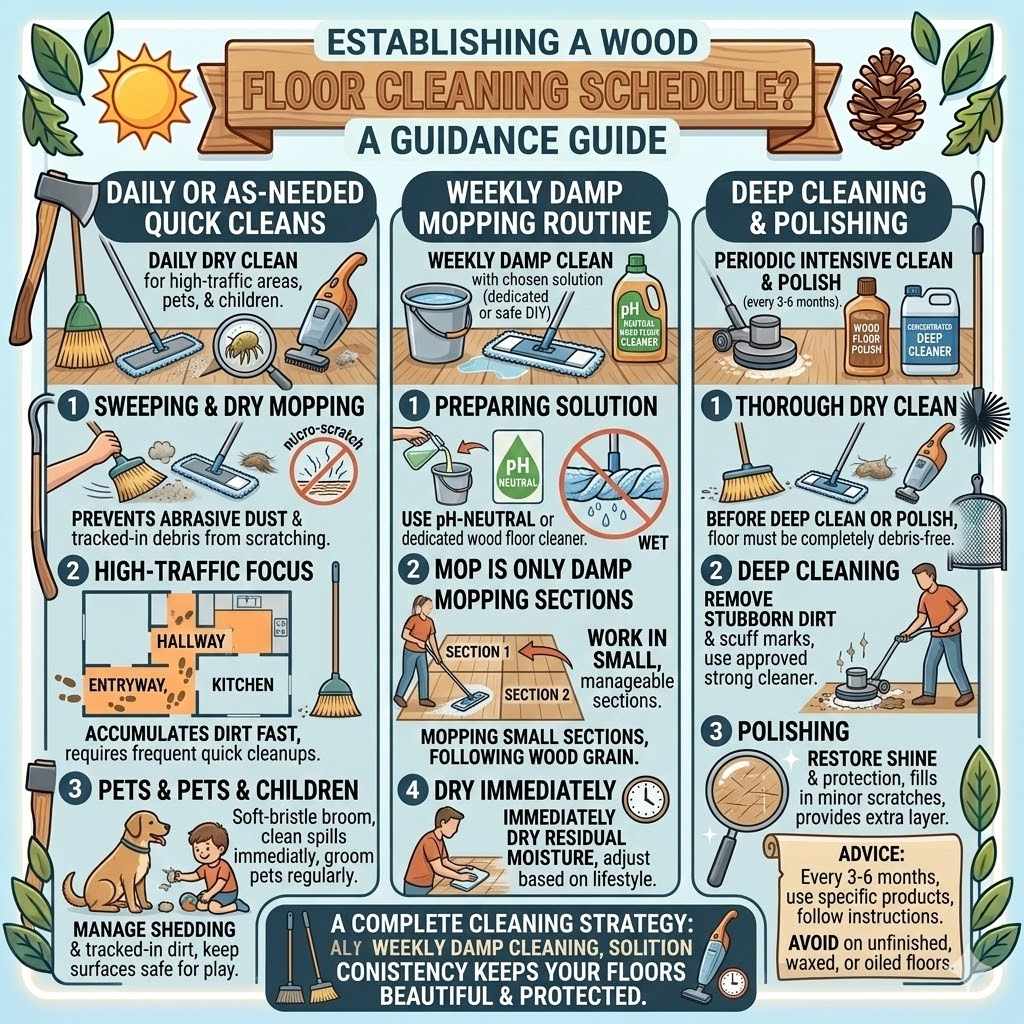
Regular cleaning is essential for preserving the beauty and longevity of your wood floors. However, the frequency of cleaning depends on several factors, including the amount of foot traffic, the presence of pets or children, and the type of finish on your floors. This section will provide guidance on establishing a cleaning schedule.
Daily or As-Needed Quick Cleans
For most households, a quick dry clean should be done daily or as needed. This involves sweeping or dry mopping the floors to pick up everyday dust, dirt, and pet hair. This simple step prevents abrasive particles from being tracked across the floor, which can cause micro-scratches over time.
Pay attention to high-traffic areas like entryways, hallways, and kitchens. These spots tend to accumulate more dirt and debris. Keeping a broom or a microfiber dust mop readily accessible makes it easy to perform these quick cleanups without much effort.
If you have pets, you’ll likely need to dry mop more frequently to manage shedding hair and tracked-in dirt. Similarly, if you have young children who play on the floor, regular dry cleaning is beneficial.
Consider these tips for daily cleaning:
- Use a soft-bristle broom or a microfiber dust mop.
- Focus on high-traffic areas.
- Clean spills immediately to prevent stains or water damage.
- Regularly groom pets to reduce shedding on floors.
This preventative maintenance can significantly extend the life of your wood floors and keep them looking their best with minimal effort.
Weekly Damp Mopping Routine
Beyond daily dry cleaning, a weekly damp mopping is generally recommended for most wood floors. This is when you’ll use your chosen cleaning solution (either a dedicated wood floor cleaner or a safe DIY alternative) to tackle grime and dirt that dry mopping can’t remove.
Remember to follow the step-by-step damp mopping process outlined earlier. Use a well-wrung-out mop, work in sections, and always dry the floor immediately after mopping. The goal is to clean without saturating the wood.
The frequency might need to be adjusted based on your lifestyle. If your home experiences heavy foot traffic or if you have pets that tend to track in a lot of dirt, you might need to damp mop more than once a week. Conversely, in low-traffic areas, you might be able to extend the time between damp mops.
Key aspects of weekly damp mopping:
- Use a pH-neutral cleaner or a dedicated wood floor cleaner.
- Ensure your mop is only damp, never wet.
- Mop in small sections, following the wood grain.
- Immediately dry any residual moisture.
- Adjust frequency based on household activity.
Consistent weekly damp mopping will help maintain the cleanliness and appearance of your wood floors, preventing the buildup of dirt and grime that can dull the finish.
Deep Cleaning and Polishing
Periodically, your wood floors might benefit from a deeper clean or polishing. This is typically done every few months, depending on wear and tear. Deep cleaning helps remove any stubborn dirt or buildup that regular mopping might miss, while polishing can restore shine and protection.
For deep cleaning, you might use a slightly stronger, yet still wood-safe, cleaner or follow a more intensive cleaning routine. Always ensure that the product is approved for your specific floor finish. Some deep cleaners are designed to lift embedded dirt and scuff marks.
Polishing is different from cleaning. Polishes often contain waxes or acrylics that can fill in minor scratches and provide an extra layer of protection and shine. These are applied after the floor is clean and dry.
Before deep cleaning or polishing, it’s crucial to thoroughly dry clean the floor. Ensure there is no loose debris that could scratch the floor during these more intensive processes.
Consider deep cleaning and polishing:
- Every 3-6 months, or as needed based on wear.
- Ensure the floor is completely clean and dry beforehand.
- Use products specifically designed for deep cleaning or polishing wood floors.
- Follow product instructions carefully for best results.
- Avoid these processes on unfinished, waxed, or oiled floors unless specifically advised by the manufacturer.
These periodic treatments can help rejuvenate your wood floors, keeping them looking beautiful and well-protected for years to come.
Frequently Asked Questions
Question: Can I use Pine-Sol on my laminate wood floors?
Answer: While this article focuses on solid wood floors, laminate floors have a different construction. Laminate flooring typically has a wear layer that is more resistant to moisture and chemicals. However, it’s still advisable to use cleaners specifically designed for laminate or a very dilute solution of a mild cleaner.
Check the manufacturer’s recommendations for your specific laminate flooring.
Question: How do I know if my wood floors are sealed?
Answer: A simple water drop test can help. Sprinkle a few drops of water on your wood floor. If the water beads up on the surface, it’s likely sealed.
If the water soaks into the wood quickly and darkens it, the floor is likely unsealed or the finish is worn.
Question: Can Pine-Sol damage the grout around my wood floors?
Answer: If you have wood floors installed with tile or stone grout in certain areas, Pine-Sol can be harsh on grout, especially if it’s unsealed. It might discolor or weaken the grout over time. It’s best to use a separate cleaner specifically for grout or a very mild solution and avoid prolonged contact with grout lines.
Question: What if I accidentally used undiluted Pine-Sol on my wood floors?
Answer: If this happened recently, immediately damp mop the area with plain water and dry thoroughly. If you notice dulling or damage, you might need to consult a professional floor care specialist. In some cases, the finish might need to be repaired or reapplied.
Question: Are there any specific Pine-Sol products that are better for wood floors?
Answer: The Pine-Sol manufacturer generally advises caution for all their products on wood floors. While some formulations might claim to be “milder,” it’s still crucial to dilute them heavily and test them first. Dedicated wood floor cleaners are always the safest and most recommended option.
Summary
So, can you use Pine-Sol on wood floors? The answer is complicated. While a heavily diluted Pine-Sol might be used with extreme caution on some sealed polyurethane or water-based finishes, it’s generally not the best choice.
Risks of dulling, residue, and even water damage are significant. For oiled, waxed, or unfinished floors, it’s a definite no. Always opt for cleaners specifically made for wood floors or simple, safe DIY alternatives to protect your investment and keep your floors beautiful for years to come.