Can You Use Pressure Treated Wood for a Vegetable Garden?
Have you ever considered building a vegetable garden and wondered if pressure-treated wood is safe to use? You’re not alone.
Many gardeners face the dilemma of choosing the right materials for their garden beds, especially when it comes to ensuring the safety of their homegrown produce. You want to ensure that what you eat is as healthy as possible, and the materials you use play a crucial role in that.
This article is here to guide you through the pros and cons of using pressure-treated wood in your vegetable garden. Discover how this popular material could affect your plants and what alternatives you might want to consider for a thriving, safe, and sustainable garden. Dive in to make informed choices that benefit both your health and your garden’s beauty.
Pressure Treated Wood Basics
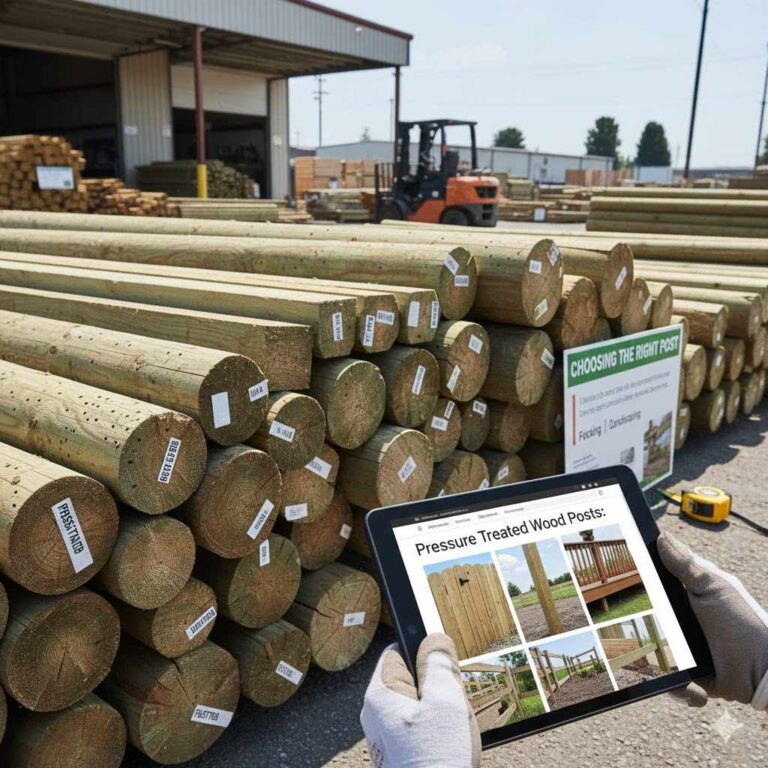
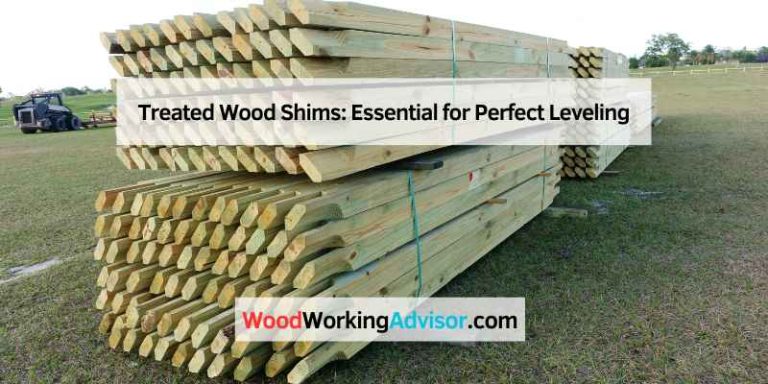
Pressure treated wood is wood that is treated with chemicals. These chemicals help the wood last longer. Wood is placed in a special tank. The tank pushes chemicals into the wood. This process makes the wood strong. It can resist bugs and water damage. The wood is used for many things. It is good for outdoor projects. It is safe if you use it the right way.
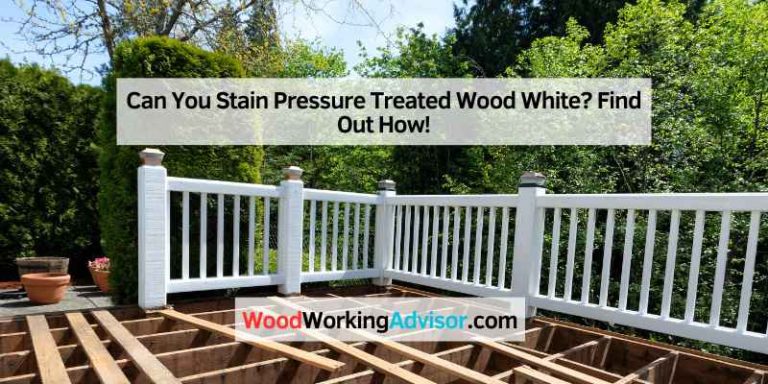
Pressure treated wood is used in many projects. It is often used for building decks. It can also be used for fences. People use it to build garden beds. It is good for making outdoor furniture. Builders like it because it is strong. It lasts longer than regular wood. This wood is also great for playgrounds. It helps keep kids safe. It does not rot easily.
Chemical Composition
Pressure treated wood has chemicals. These chemicals protect it from rot. Copper is the most common one. Chromium and arsenic are also used. These chemicals make wood last longer. They keep bugs away. But, they can be harmful. Arsenic is especially dangerous. It can cause health problems. Avoid using this wood in gardens. It may not be safe for vegetables.
Chemicals can leach into soil. They might get into food. Eating these foods can be risky. Children and pets are more at risk. They can get sick easily. Some chemicals can cause cancer. Others can hurt the liver. It is important to be careful. Choose safer materials for gardens. Untreated wood is better. It does not have harmful chemicals.
Impact On Soil And Plants
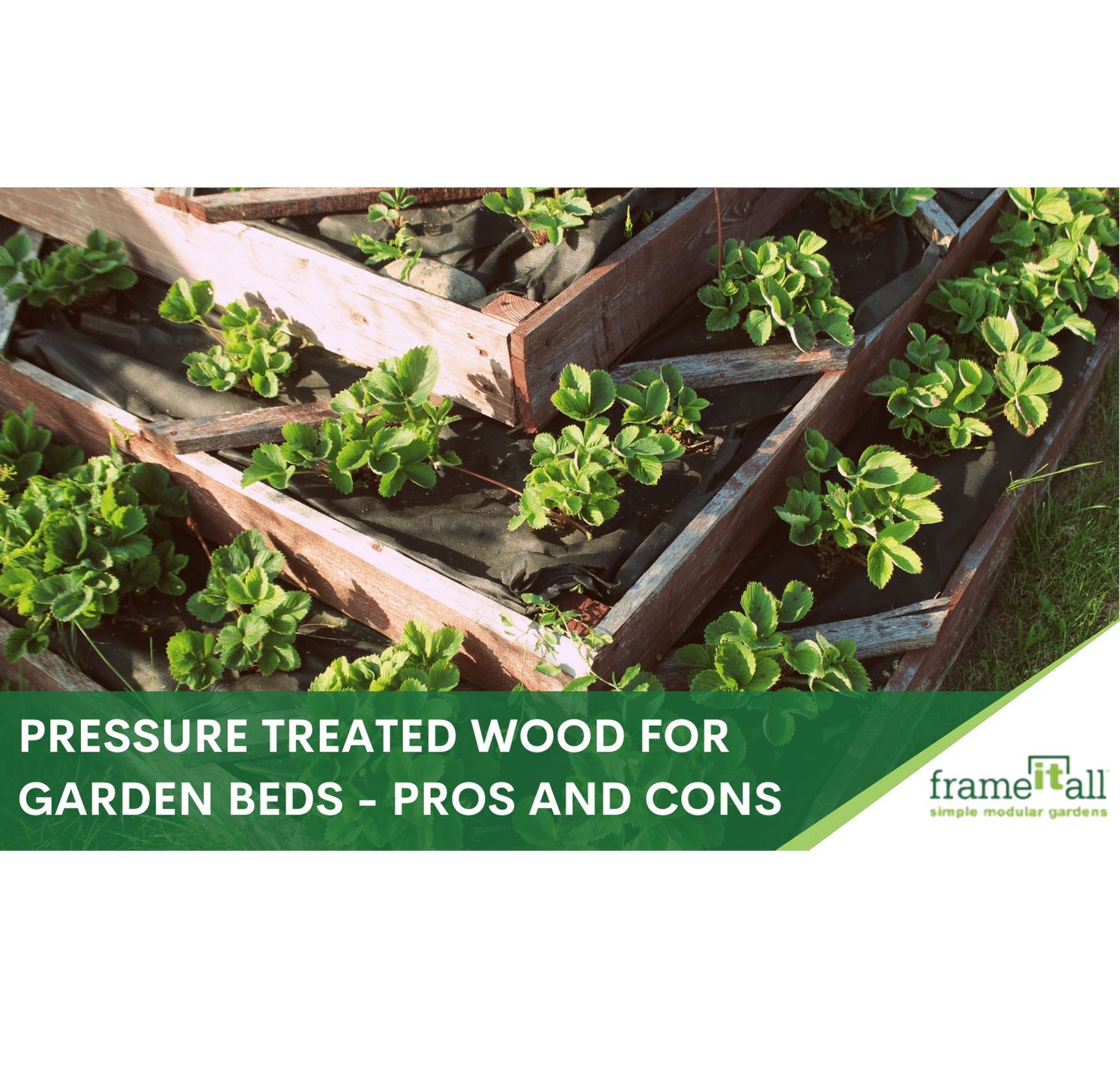
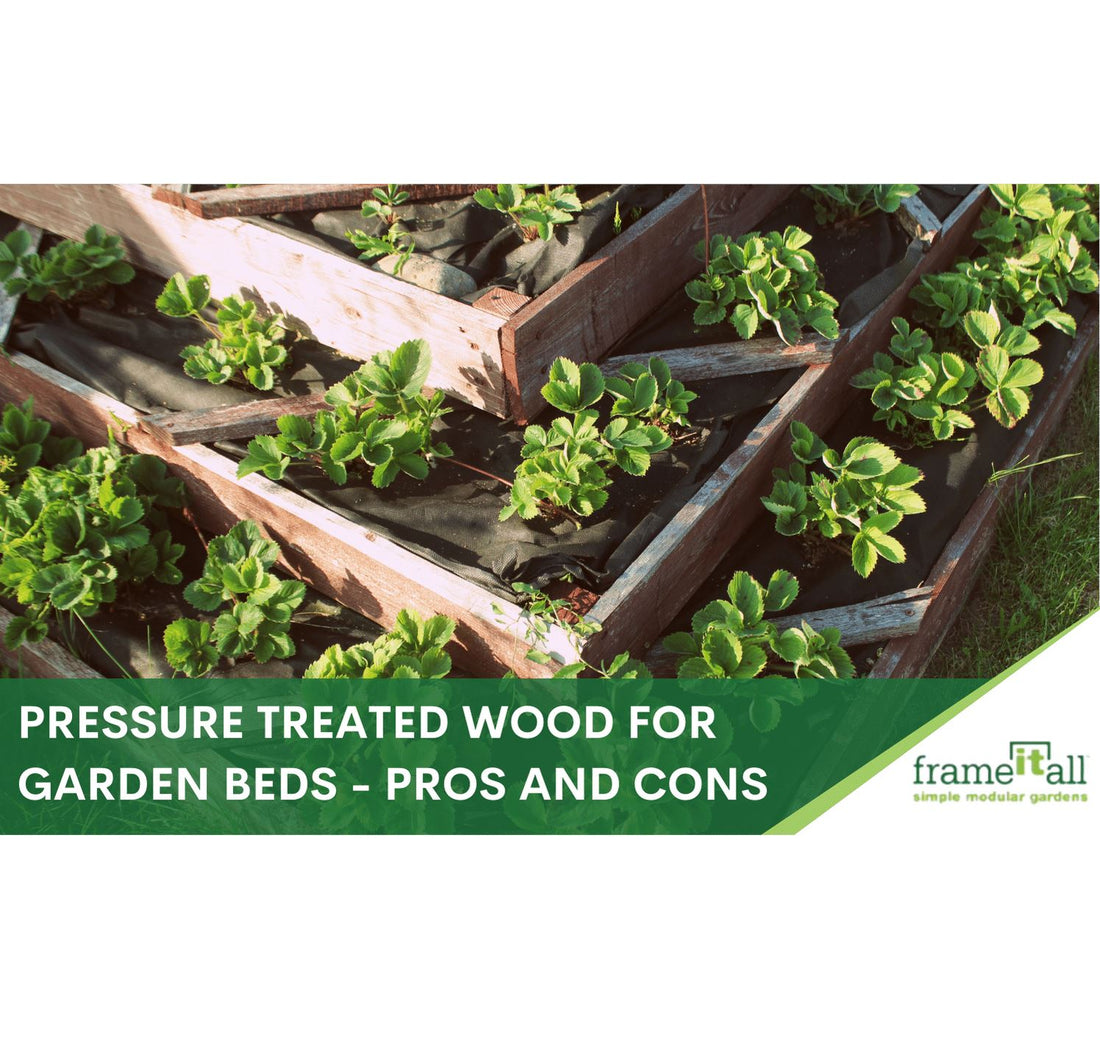
Pressure treated wood can release chemicalsinto the soil. These chemicals include arsenicand copper. They may affect the soil quality. Soil with chemicals might harm vegetables. This is because plants absorb nutrients from the soil. If soil has bad chemicals, plants might not grow well. Healthy soil is key for good vegetable growth. Choosing safe materials for garden beds helps. Consider alternatives like cedaror redwood.
Bad chemicals can slow down plant growth. They might affect how plants take in water. This can lead to weaker plants. These plants may produce fewer vegetables. Some chemicals can change plant colors. Bright colors might fade. Plants need clean soil to thrive. They need soil free from harmful substances. Using safe materials ensures better harvests. Plants grow best in clean and safe environments.
Credit: frameitall.com
Safety Considerations
Pressure treated woodhas chemicals. These chemicals can be harmful. It’s important to mitigate risksin vegetable gardens. Wood can leach chemicals into soil. This may affect plant health. Eating vegetables grown in such soil might be risky. To reduce risks, use safe practices. Line the garden bed with plastic. Use untreated wood for raised beds. Keep plants away from treated wood edges.
Mitigating Risks
Using a barrier between wood and soil can help. This prevents direct contact. Choose sealantsto coat wood surfaces. Sealants can minimize chemical leaching. Regularly check for signs of wear. Replace old treated wood promptly. Consider using concrete blocks. They are a safe alternative. This can help keep your garden safe.
Choosing Safe Alternatives
Consider cedar or redwood. These woods are naturally resistant to decay. They do not need chemicals. Metal or stone are excellent choices. They do not leach chemicals. These materials are long-lasting. They are safe for vegetable gardens. Choose wisely for a healthy garden.
Alternatives To Pressure Treated Wood
Pressure treated wood can contain chemicals harmful to vegetables. Cedar or redwood offer safer alternatives for garden beds. These natural woods resist decay, keeping your garden healthy.
Natural Wood Options
Cedar and redwood are great choices for gardens. They resist rot naturally. These woods last longer without chemicals. Cedar is very strong and smells nice. Redwood looks beautiful and is durable. Both are safer for plants and soil. They cost more than treated wood. But they are worth it for a healthy garden.
Composite And Recycled Materials
Composite wood combines plastic and wood fibers. It lasts long and needs little care. It’s made from recycled materials, which is eco-friendly. Plastic lumber is another option. It looks like wood but is made from plastic. It won’t rot or decay. These materials cost more than natural wood. But they are good for long-lasting gardens. They also help the planet by using recycled stuff.

Credit: www.kitchenplot.com
Best Practices For Garden Construction
Raised garden bedsmake gardening easier. They keep the soil warm. Plants grow better in these beds. You can use many materials for the frames. Pressure treated woodis one option. It lasts a long time. But, it might have chemicals. Some people worry about this. They think chemicals can harm plants. Cedar or redwoodis a safer choice. These woods do not need chemicals. They look nice too. Building with these is simple and safe.
Healthy soil is important for a good garden. It helps plants grow strong. You can test the soil first. Check if it has enough nutrients. Adding compostis helpful. It makes soil rich and full of life. Water the soil often. But not too much. This keeps plants happy. Healthy soil means a happy garden.
Expert Opinions
Many gardeners worry about chemicals in pressure treated wood. They fear these may harm vegetables. Some experts advise using untreated wood. It avoids possible risks. Others believe modern treated wood is safer. They say it has lower chemical levels. They suggest using it with caution.
Studies show minimal riskfrom treated wood. Chemicals rarely seep into soil. Scientists still recommend a barrier. Plastic or landscape fabric works well. This keeps plants safe from chemicals. Research backs these methods. It ensures healthy growth in gardens. Always check for the latest studies.

Credit: www.reddit.com
Frequently Asked Questions
Is Pressure Treated Wood Safe For Vegetables?
Pressure treated wood contains chemicals to prevent rot and insects. Modern treatments are safer than older ones. However, using a barrier like plastic between the wood and soil can prevent any potential leaching. Consider alternatives like cedar or redwood for more peace of mind.
Can Chemicals Leach Into Garden Soil?
Yes, chemicals from pressure treated wood can leach into soil. This is less of a concern with newer treatments. It’s wise to use a liner or barrier to minimize contact. Always ensure your vegetables are safe by maintaining good gardening practices.
What Are Alternatives To Pressure Treated Wood?
Alternatives include cedar, redwood, and composite materials. These are naturally resistant to decay and safer for vegetables. Cedar and redwood are more expensive but offer peace of mind. Composite materials are durable and eco-friendly, providing a sustainable choice.
How Long Does Pressure Treated Wood Last?
Pressure treated wood can last 15 to 20 years. Its longevity depends on conditions and maintenance. Regular checks for damage and rot can extend its life. It’s a cost-effective choice for long-lasting garden beds.
Conclusion
Choosing pressure treated wood for your vegetable garden has pros and cons. It offers durability and resistance to pests. Yet, chemicals in the wood may cause concern. Consider safer alternatives like untreated cedar or redwood. Lining the beds with plastic can reduce chemical exposure.
Always research and decide what feels best for your garden. Your veggies deserve a healthy start. Keep them safe and enjoy your gardening journey. Make informed choices for a thriving garden. Happy gardening!