Cedar Elm Wood Guide: Janka Hardness, Uses, Not Actually Cedar
Cedar elm (Ulmus crassifolia) is a true elm, not related to cedar despite the name, with a Janka hardness of 1,320 lbf and dense, interlocked grain that resists splitting better than almost any other domestic hardwood. That same interlocked grain makes it harder to plane cleanly but excellent for tool handles, flooring, and furniture that takes daily abuse. This guide covers its real numbers, where it stacks up against oak and hickory, and how to work around the grain.
Cedar Elm Wood Identity: Real Numbers, Not Marketing Copy
Best Moisture Meter for Cedar Elm Lumber
 |
Dr.meter 2-in-1 Pin and Pinless Wood Moisture Meter – $26.99 Cedar elm’s interlocked grain gives it a lopsided shrinkage ratio (nearly double the tangential shrinkage of radial), which is exactly what this guide’s grain section explains makes it more prone to unexpected movement if it isn’t properly dried before use.
|
The name is genuinely misleading — cedar elm is a true elm (genus Ulmus), the same genus as American elm and slippery elm, not a relative of cedar or juniper at all. It picked up the common name because it’s frequently found growing alongside Ashe juniper (“cedar”) in Texas and the southern U.S., where it’s especially common along the Blackland Prairie and Edwards Plateau.
By the numbers: cedar elm has a Janka hardness of roughly 1,320 lbf, a specific gravity of 0.54–0.66 at 12% moisture content, and an average dried weight around 41 lbs per cubic foot. Its grain is interlocked and somewhat coarse and uneven in texture — a structural trait that shows up repeatedly in how the wood behaves, covered next.
Why the Interlocked Grain Matters More Than the Hardness Number
Interlocked grain means the wood fibers spiral in alternating directions in successive growth layers, rather than running straight and parallel up the trunk the way they do in species like ash or hard maple. This is the actual reason cedar elm has “exceptionally good shock resistance” — a crack has to constantly change direction to follow the grain, which absorbs energy and stops it from running the full length of a board the way it would in straight-grained wood.
📊 Cedar elm’s shrinkage is uneven by direction: 4.7% radial vs. 10.2% tangential (a 2.2 ratio), versus roughly 2% and 4% for a more dimensionally stable wood like Douglas fir — Source: USDA Forest Service, Southern Research Station
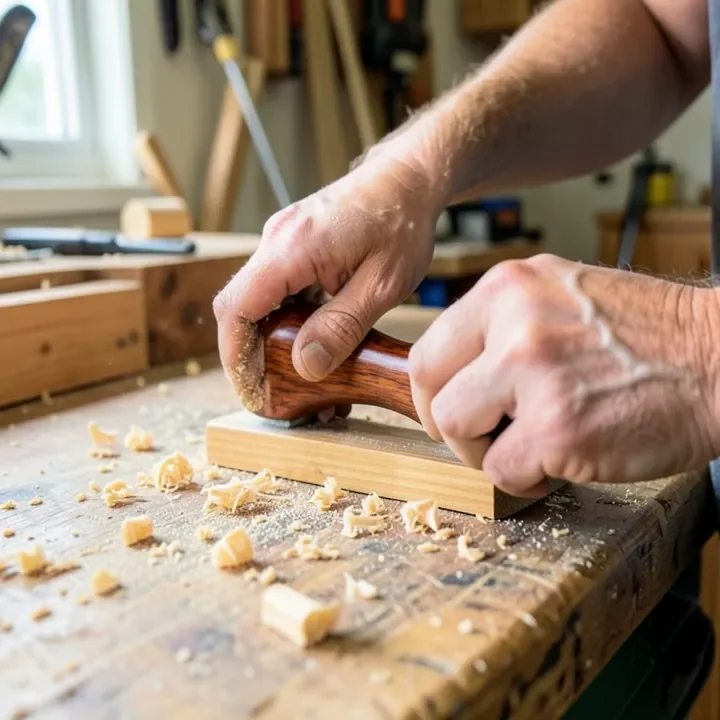
The tradeoff is workability. That same interlocked structure catches a hand plane or jointer blade and tears out fibers instead of shaving them cleanly, especially against the grain. Most woodworkers get better results with light, frequent passes, a very sharp blade, or finishing the surface with a scraper or sander rather than trying to plane it glass-smooth in one pass.
How Cedar Elm Compares to Other Hardwoods
| Wood | Janka Hardness | Notable Trait |
|---|---|---|
| American elm | 830 lbf | Softer, straighter-grained cousin of cedar elm |
| Cedar elm | 1,320 lbf | Interlocked grain, exceptional split resistance |
| White oak | 1,350 lbf | Similar hardness, straighter grain, more common |
| Hickory | 1,820 lbf | Hardest of the four, used for tool handles too |
Cedar elm sits almost exactly at white oak’s hardness level and well above its own straighter-grained relative, American elm — but its real advantage over both is the split resistance the interlocked grain provides, not the raw hardness number by itself.
Best Uses for Cedar Elm
- Tool and hammer handles — the interlocked grain is exactly what you want absorbing repeated shock without splitting along the length.
- Flooring — a 1,320 lbf hardness holds up to foot traffic and furniture legs about as well as white oak flooring does.
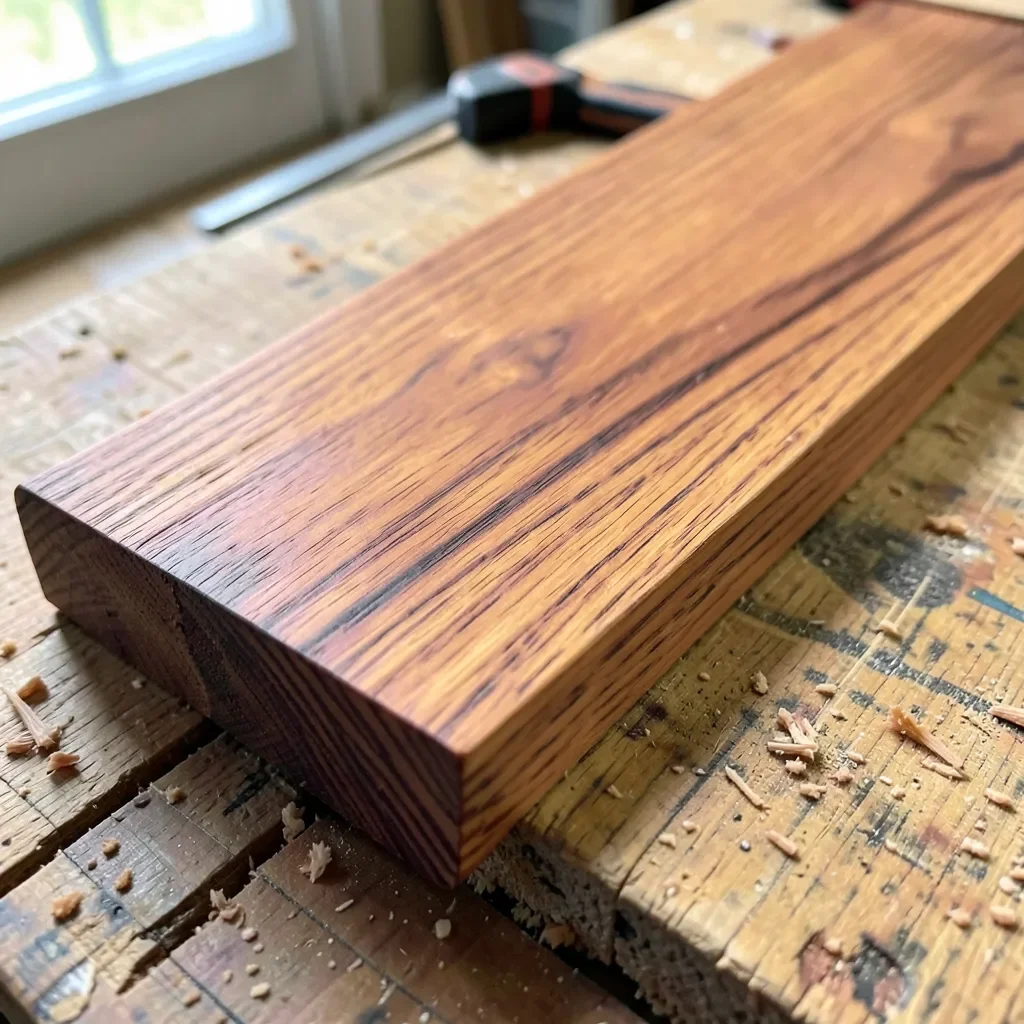
- Furniture that takes daily use — chairs, tables, and cabinetry benefit from both the hardness and the reddish-brown color with darker streaks.
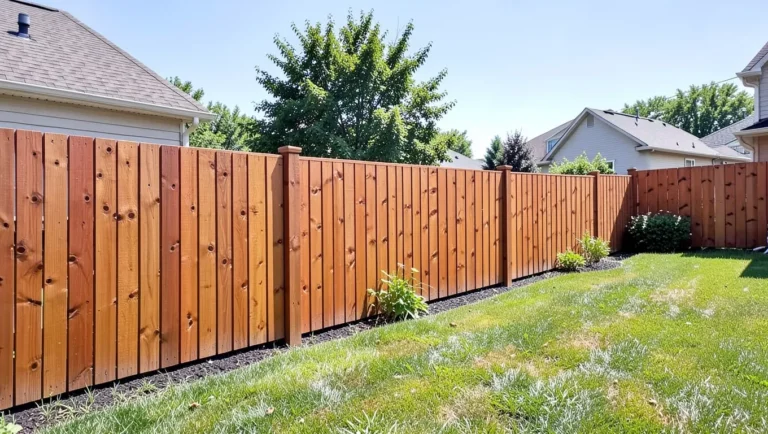
- Outdoor structures — natural decay resistance suits fences, benches, and pergolas when properly sealed.
- Less ideal for: fine hand-planed surfaces, steam bending, or any project relying on perfectly straight, predictable grain.
Sourcing and Working With Cedar Elm
Cedar elm is moderately available through regional lumber suppliers, especially in Texas and the southern U.S. where the tree is common, but it’s less commonly stocked than oak or maple outside that region. When buying, check for a tight grain with few knots, and ask about the drying process — because of the shrinkage imbalance between directions, properly kiln-dried or air-dried stock matters more here than it does for more dimensionally stable species.
Cedar elm accepts stains and finishes well once sanded past the interlocked-grain tearout, and it holds nails and screws firmly without splitting — the same trait that makes it good for tool handles. For outdoor pieces, apply a UV-resistant sealant and reapply on a regular schedule to protect the color from fading and to shed moisture.
Frequently Asked Questions
No. Cedar elm (Ulmus crassifolia) is a true elm in the genus Ulmus, in the same family as American elm and slippery elm. The name comes from where it commonly grows alongside cedar (juniper) trees in Texas and the southern U.S., not from any botanical relationship.
How hard is cedar elm compared to other hardwoods?
Cedar elm has a Janka hardness of about 1,320 lbf, close to white oak’s 1,350 lbf and well above American elm’s 830 lbf, though softer than hickory at roughly 1,820 lbf. That puts it solidly in the harder end of domestic hardwoods used for flooring and furniture.
Why is cedar elm hard to plane smoothly?
Its grain is interlocked rather than running straight, meaning fibers reverse direction in alternating layers through the board. That’s exactly what makes it so resistant to splitting, but it also means a hand plane or jointer can catch and tear out fibers unless you take light passes and watch grain direction closely, or finish with a scraper or sanding instead.
What is cedar elm wood best used for?
Its combination of high hardness and exceptional split resistance makes it well suited to tool handles, flooring, and furniture that takes repeated impact or stress, plus outdoor structures where its natural decay resistance helps it hold up over time. It’s less ideal for fine hand-planed surfaces or steam-bent work because of the interlocked grain.
Does cedar elm need to be kiln-dried before use?
Yes, more so than many species. Cedar elm’s shrinkage is uneven between directions (roughly a 2.2 tangential-to-radial ratio), so lumber that isn’t dried to a stable moisture content before cutting or gluing is more likely to warp or crack afterward than straighter-grained woods with more even shrinkage.
Cedar elm’s real selling point isn’t the “cedar” in its name (which is a geographic coincidence, not a botanical one) — it’s a genuinely hard, exceptionally split-resistant elm that trades easy hand-planing for durability most straight-grained hardwoods can’t match.
Sponsored / affiliate links. As an Amazon Associate I earn from qualifying purchases. I may earn additional commission from eligible campaigns.