Aromatic Cedar vs Western Red Cedar: What’s Different
Choose aromatic cedar for closets and chests where scent matters. Choose western red cedar for outdoor projects, because it stands up to weather better and needs less upkeep. The wrong species can mean weak scent, faster decay, or extra sanding and sealing. This guide compares scent life, decay resistance, appearance, and maintenance so you can match the wood to the job.
This guide is part of our Cedar wood guide: uses, costs, and durability series.
Aromatic cedar vs western red cedar: the core trade-off


Aromatic cedar is Eastern red cedar, Juniperus virginiana. Western red cedar is Thuja plicata. The first is often chosen for enclosed storage and scent; the second is commonly used for weather-exposed work such as siding, decking, and fencing.
The word “cedar” causes buying mistakes because the trade name is looser than the species name. At the yard, check the label, the board color, the heartwood-to-sapwood mix, and the intended service environment before you commit.
One-sentence project-fit summary
If the project needs odor, choose aromatic cedar heartwood. If the project needs outdoor durability, choose western red cedar. The rest of the decision comes down to humidity, finish schedule, and how much upkeep you want to accept.
📊 Aromatic cedar heartwood is rated about 900 on the Janka scale. Source: Aromatic Cedar vs. Western Red Cedar: What’s Best? (Material….
Side-by-side comparison table
| Decision factor | Aromatic Cedar | Western Red Cedar | Winner |
|---|---|---|---|
| Indoor scent retention | Strong natural aroma, especially in heartwood; commonly used for closets and chests | Mild aroma; not the usual choice for scent storage | Aromatic Cedar |
| Outdoor decay resistance | Poor choice outdoors without protection | Strong natural decay resistance; standard exterior wood in western Canada | Western Red Cedar |
| Humidity movement and dimensional stability | Needs moisture control; ideal moisture content is described as 6-10% or 8-12% for stability | Lightweight and dimensionally stable for exterior service | Western Red Cedar |
| Workability, dent resistance, and tool wear | Denser wood, Janka hardness about 900; more dent-resistant but harder on tools | Janka hardness of 350; easier to cut and fasten, but dents more easily | Tie |
| Total project cost and waste | May cost more in the wrong grade if you need clear, all-heartwood stock for scent | May cost more for exterior grades, but waste can be lower when the species matches the job | Tie |
Indoor scent retention
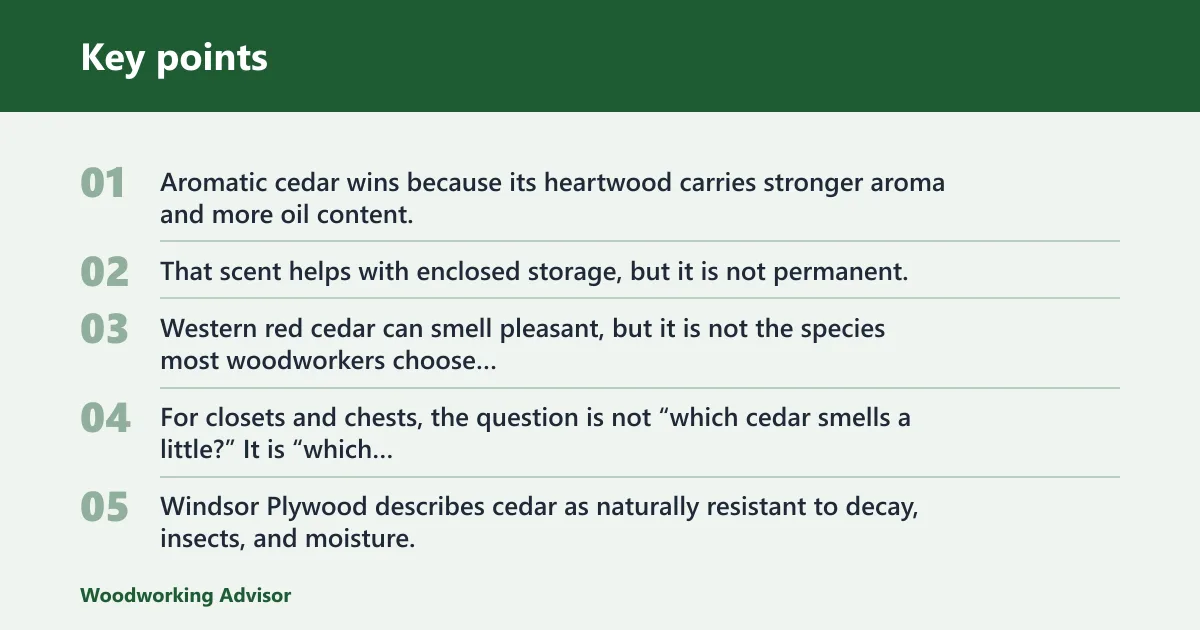
Aromatic cedar wins because its heartwood carries stronger aroma and more oil content. That scent helps with enclosed storage, but it is not permanent; the odor tends to fade after milling, exposure, and extended use.
Western red cedar can smell pleasant, but it is not the species most woodworkers choose when scent is the main requirement. For closets and chests, the question is not “which cedar smells a little?” It is “which one still smells enough after installation?”
Outdoor decay resistance
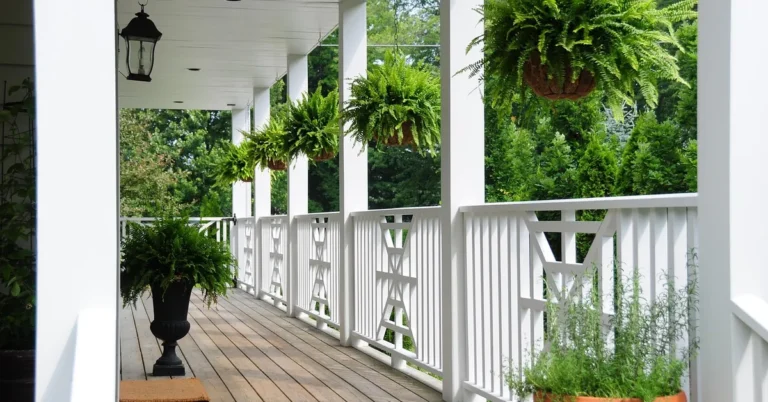
Western red cedar is the better exterior wood because it is naturally decay resistant and commonly used for siding, decking, and fencing. Windsor Plywood describes cedar as naturally resistant to decay, insects, and moisture, and says western red cedar is standard exterior wood in western Canada.
Aromatic cedar is a poor default outdoors. Even though cedar woods have useful natural oils, the species that performs best outside is the one built for exposure, not scent storage.
Humidity movement and dimensional stability
Exterior projects face wet-dry cycles, direct sun, and seasonal movement. Western red cedar’s lower density and stable behavior make it a safer choice for those conditions, especially where boards must stay flatter and joints must stay aligned.
Aromatic cedar can work in controlled interior spaces, but humidity swings can create more movement risk. Its moisture target matters at purchase and during acclimation, because wood that is too wet or too dry is more likely to cup, check, or split after installation.
Workability, dent resistance, and tool wear
Aromatic cedar heartwood is generally much harder than western red cedar, which is usually much softer by Janka scale comparisons. That means aromatic cedar resists dents better, but it also asks more from blades and cutters.
Western red cedar cuts and fastens more easily, which helps on siding and fence work. It is softer, so it marks more readily, but that trade-off is acceptable when the main goal is a durable exterior assembly rather than a hard, dent-resistant interior panel.
Total project cost and waste
Board-foot price alone does not tell you the real cost. Grade, heartwood percentage, waste from sorting, and finish or maintenance costs all change the final number.
If you need aromatic cedar for scent storage, paying for heartwood-rich boards can make sense. If you need exterior durability, western red cedar usually reduces downstream maintenance, which often matters more than a small difference in sticker price.
Which cedar is better for closets and storage chests?
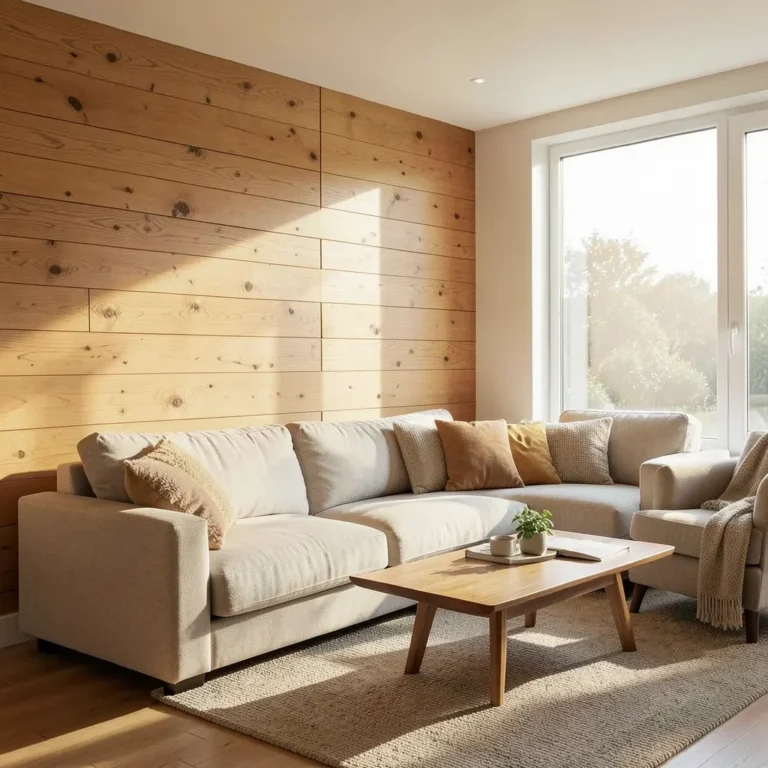
Aromatic cedar is usually the better fit for closets and storage chests because the scent is the point of the project. Its heartwood has stronger aroma and higher oil content, which is what people want in enclosed storage where air exchange is limited.
Why aromatic cedar is usually the better fit
For closet liners, blanket chests, and drawer parts, the goal is scent longevity and a naturally aromatic surface. Aromatic cedar’s heartwood gives you the strongest starting odor, and the closed environment slows scent loss compared with open-air use.
That said, the scent is not a forever feature. Plan for gradual fade, especially on thin parts, heavily sanded parts, or boards with a high sapwood share.
When western red cedar can still make sense
Western red cedar can work if you want a cedar look with less emphasis on aroma. It is also a practical choice where you want lighter weight, easy machining, and a stable panel, but not a strong storage scent.
For a cedar-lined closet where smell is secondary, western red cedar is acceptable. For mothball-style scent storage, it is the wrong species to buy first.
How heartwood and sapwood affect scent projects
Heartwood is the buying cue that matters most. It contains more odor and oil, and it is more decay resistant than sapwood. Sapwood is lighter in color, lower in aroma, and less desirable for scent-driven work.
Suppose you buy a stack of aromatic cedar boards for chest linings and half the faces are sapwood-heavy. The project can still look fine, but the scent will be weaker and the value per board foot drops fast.
Is western red cedar the better choice outdoors?
Yes. Western red cedar is the better choice outdoors because it tolerates weather, moisture, and repeated drying better than aromatic cedar. For siding, decking, fencing, and other exposed work, it is the species aligned with the environment.
Siding and trim
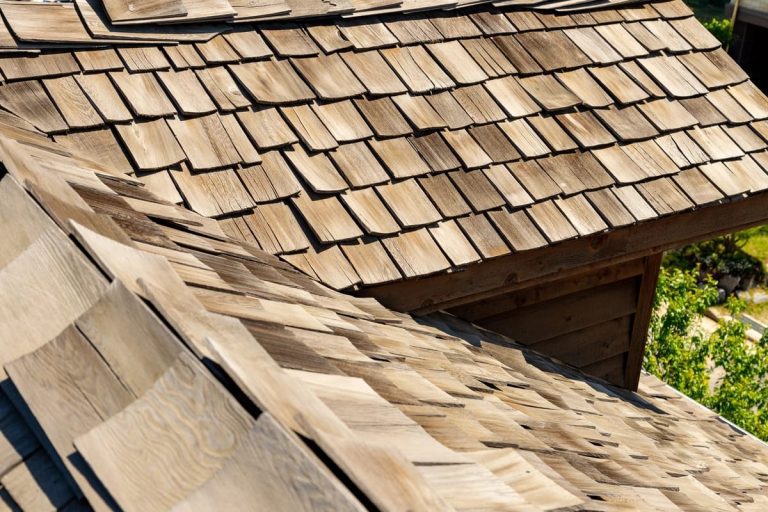
Western red cedar is a common siding and trim material because it is lightweight, stable, and naturally decay resistant. Windsor Plywood notes that it is available in dimensional lumber, decking, siding, and trim profiles, which matches real exterior use.
It also accepts stain, paint, and sealers well, so you can choose between a natural weathering look and a maintained finish. That flexibility matters more outdoors than aroma does.
Decking and fencing
Decking and fencing expose wood to sun, splash, and soil splashback. Western red cedar is the safer cedar choice because it tolerates that service better and does not ask for the same level of protection as aromatic cedar.
Aromatic cedar outdoors can fail in plain ways: faster checking, rougher weathering, and a shorter useful life unless it gets careful detailing and maintenance.
Why aromatic cedar is the wrong default outdoors
Aromatic cedar can be protected for outdoor use, but that protection changes the project. Once you add substantial finish, sealing, and upkeep, you are spending time to force a scent wood into a weather role that western red cedar already handles better.
A common first-timer mistake is using aromatic cedar for an exterior bench or planter box because the name sounds “cedar-like.” Months later, the boards may look tired, and the odor advantage is gone.
How to tell them apart at the lumberyard
Start with the label, then confirm with color, smell, and board makeup. Aromatic cedar is often sold as Eastern red cedar or Juniperus virginiana; western red cedar is Thuja plicata. If the species name is missing, ask for it before you buy.
Label and botanical-name checks
Do not rely on the word “cedar” alone. Trade names can be loose, and some stacks are grouped by appearance or intended use rather than by the precise species name.
If the tag says interior applications, scent storage, or aromatic red cedar, you are likely looking at the indoor species. If it says exterior, siding, decking, or western red cedar, it is probably the outdoor species.
Color, grain, and smell cues
Aromatic cedar heartwood is often deeper colored than its sapwood, and the scent is obvious when the board is freshly exposed. Western red cedar usually reads lighter overall, with a more restrained smell and a softer feel.
Grain can help, but it should not be your only cue. Use appearance to confirm the tag, not replace it.
Heartwood versus sapwood selection tips
For scent projects, choose boards with a high heartwood percentage and avoid pale sapwood-heavy stock. For exterior work, heartwood still matters, but the bigger issue is picking the correct species and the correct grade for exposure.
- Check the species name on the bundle or sticker.
- Look for heartwood-rich boards when aroma matters.
- Avoid sapwood-heavy stock for closets and chests.
- Match the species to exposure before you sort by color.
- Account for waste if you need clear, matching faces.
Choose aromatic cedar if… / Choose western red cedar if…
Choose aromatic cedar if you need enclosed storage with lasting scent, a harder surface, and a strong cedar smell at first install. Choose western red cedar if you need exterior durability, lower upkeep, and a species that fits siding, decking, fencing, or other weather-exposed work.
Choose aromatic cedar if you need indoor scent storage
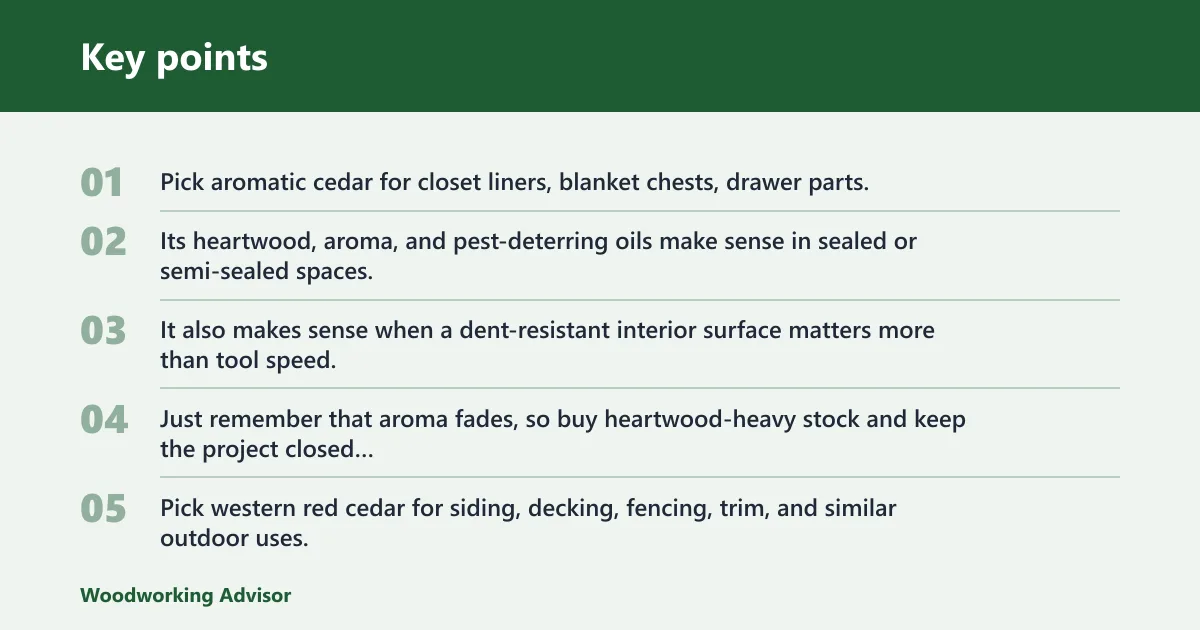
Pick aromatic cedar for closet liners, blanket chests, drawer parts, and other enclosed projects where smell is part of the function. Its heartwood, aroma, and pest-deterring oils make sense in sealed or semi-sealed spaces.
It also makes sense when a dent-resistant interior surface matters more than tool speed. Just remember that aroma fades, so buy heartwood-heavy stock and keep the project closed when possible.
Choose western red cedar if you need exterior durability
Pick western red cedar for siding, decking, fencing, trim, and similar outdoor uses. Its lower density, good dimensional stability, and natural decay resistance make it the safer long-term choice where moisture is part of the job.
It also fits projects that will be painted or stained. Windsor Plywood notes that it takes stain, paint, and sealers well, which gives you more finish options outdoors.
When neither species is the right answer
If the project sees standing water, direct ground contact without detailing, or severe abuse, cedar may not be the best material at all. If the project needs a very strong scent for many years, consider that even aromatic cedar loses odor over time and may need refreshed surfaces.
For sauna interiors, a cedar choice can work only when the grade, moisture content, and detailing fit heat and humidity. If those conditions are uncertain, buy by service condition first and species second.
Maintenance and finish guidance
To preserve aroma, minimize sanding, keep surfaces enclosed, and avoid heavy sealing that blocks odor release. For storage projects, periodic light abrasion can renew exposed heartwood, but only when the part can tolerate it.
To preserve exterior durability, focus on water shedding, end-grain protection, and finish upkeep. Western red cedar can weather well, but stain, paint, or sealer maintenance still matters if you want the wood to stay stable and presentable.
Frequently asked questions
What is the difference between aromatic cedar and western red cedar?
Aromatic cedar is Eastern red cedar, Juniperus virginiana, and western red cedar is Thuja plicata. The first is chosen mainly for indoor scent storage, while the second is chosen for exterior durability. The species names matter because “cedar” alone does not tell you performance.
Can aromatic cedar be used outdoors?
Aromatic cedar can be used outdoors only with care, but it is not the best default for exposed work. Weather, UV, and moisture cycling shorten its useful life and reduce the value of its scent advantage. If the project is exterior-first, western red cedar is the better species.
Is western red cedar good for siding, decking, and fencing?
Yes. Western red cedar is a common exterior wood because it is naturally decay resistant, lightweight, and dimensionally stable. It is available in siding, decking, fencing, and trim profiles, which matches the way wood is actually used outside.
Which cedar smells stronger and lasts longer?
Aromatic cedar smells stronger, especially when the board contains more heartwood than sapwood. The scent does not last forever, though. It fades with time, surface sanding, and air exposure, so enclosed storage and heartwood-rich stock help preserve the effect.
How do the two cedars compare on hardness and workability?
Aromatic cedar is much harder, with a Janka rating around 900, while western red cedar is 350. That means aromatic cedar resists dents better, but western red cedar is easier to machine and install. The right choice depends on whether you value durability of the surface or ease of work.
Which cedar costs more per board foot?
There is no single national answer. Price depends on region, grade, board size, and how much waste you expect to cut away. Aromatic cedar can cost more when you need clear heartwood for scent storage; western red cedar can cost more in certain exterior grades or local markets.
How do I tell aromatic cedar from western red cedar at the lumberyard?
Check the species label first, then confirm with color, smell, and board mix. Aromatic cedar is often sold as Eastern red cedar or Juniperus virginiana, and western red cedar is Thuja plicata. Heartwood-rich boards are the better buy for scent, while sapwood-heavy stock is less useful there.
Sponsored / affiliate links. As an Amazon Associate I earn from qualifying purchases. I may earn additional commission from eligible campaigns.
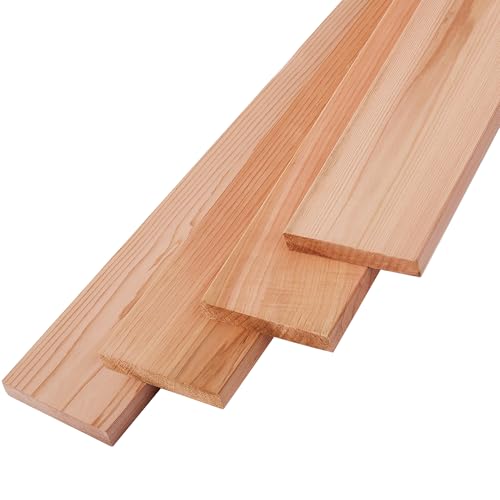
 Rustic Revival | Handmade Reclaimed Barnwood Craft Bundle | Unfinished Authentic Reclaimed Western Red Cedar Wood Planks for DIY, Home and School Projects (24" x 5.5" x .375") 6 Pack
 Rustic Revival | Handmade Reclaimed Barnwood Craft Bundle | Unfinished Authentic Reclaimed Western Red Cedar Wood Planks for DIY, Home and School Projects (24" x 7.25" x .375") 4 Pack