Cedar Shakes vs Shingles
Cedar shakes are thicker, rougher, and cost more; cedar shingles are thinner, more uniform, and usually the better choice for tighter budgets, stricter codes, and lower maintenance. Choose the wrong one and you can raise replacement cost, run into code issues, and shorten roof life if the assembly and climate do not fit. This guide compares cedar shakes vs shingles by roof fit, siding use, climate, code, maintenance, and total ownership cost.
| Decision factor | Cedar Shakes | Shingles | Winner |
|---|---|---|---|
| Appearance | Thicker, more dimensional, and more rustic | Smoother, flatter, and more uniform | Cedar Shakes |
| Installation complexity | More demanding because the thicker profile changes exposure and fastening detail | More straightforward on a standard cedar roof assembly | Shingles |
| Underlayment needs | Often requires felt underlayment and a thicker layered assembly | Typically uses a 3-ply overlap on the roof | Shingles |
| Maintenance burden | Higher cleaning and inspection burden; more prone to moisture-related wear if neglected | Lower upkeep when installed and ventilated correctly | Shingles |
| Climate fit | Better when the project can handle a heavier, more textured wood roof system and local code allows it | Better choice where drainage, code limits, and maintenance burden matter more | Shingles |
| Code and fire-treatment considerations | May need fire-retardant treatment and tighter specification review | Still may need treatment, but the product spec is often easier to standardize | Shingles |
Shake and shingle profiles, grading, and weathering
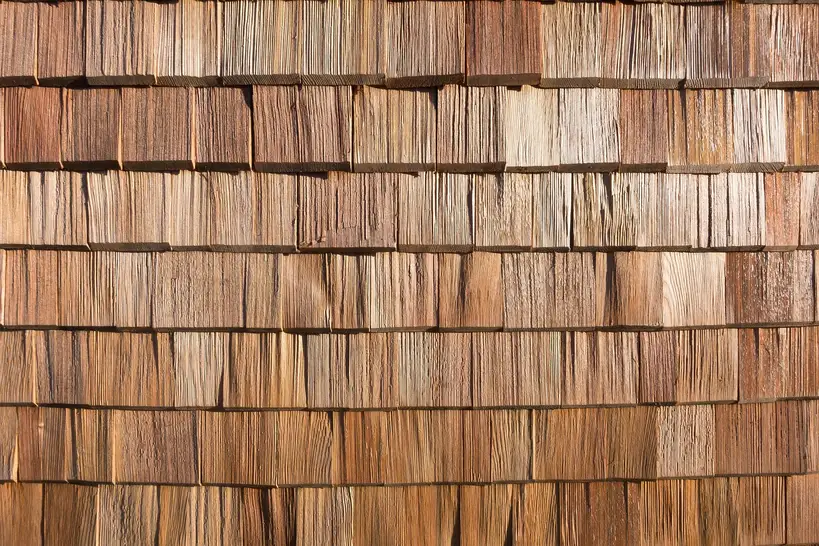
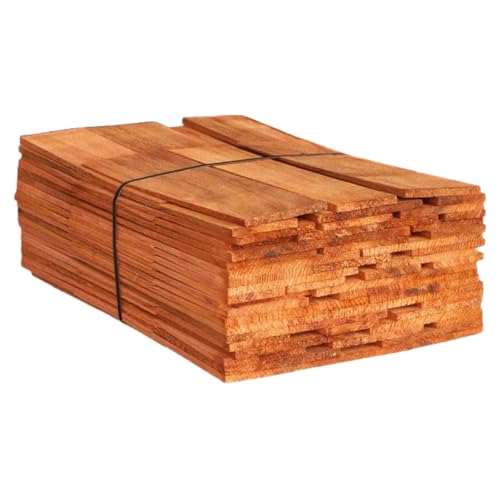
The main difference is profile and consistency. Cedar shingles are machine-sawn on both faces for a uniform look, while cedar shakes are split from the block and may be split or sawn in multiple ways. Shakes are thicker and more textured; shingles are smoother, flatter, and more regular.
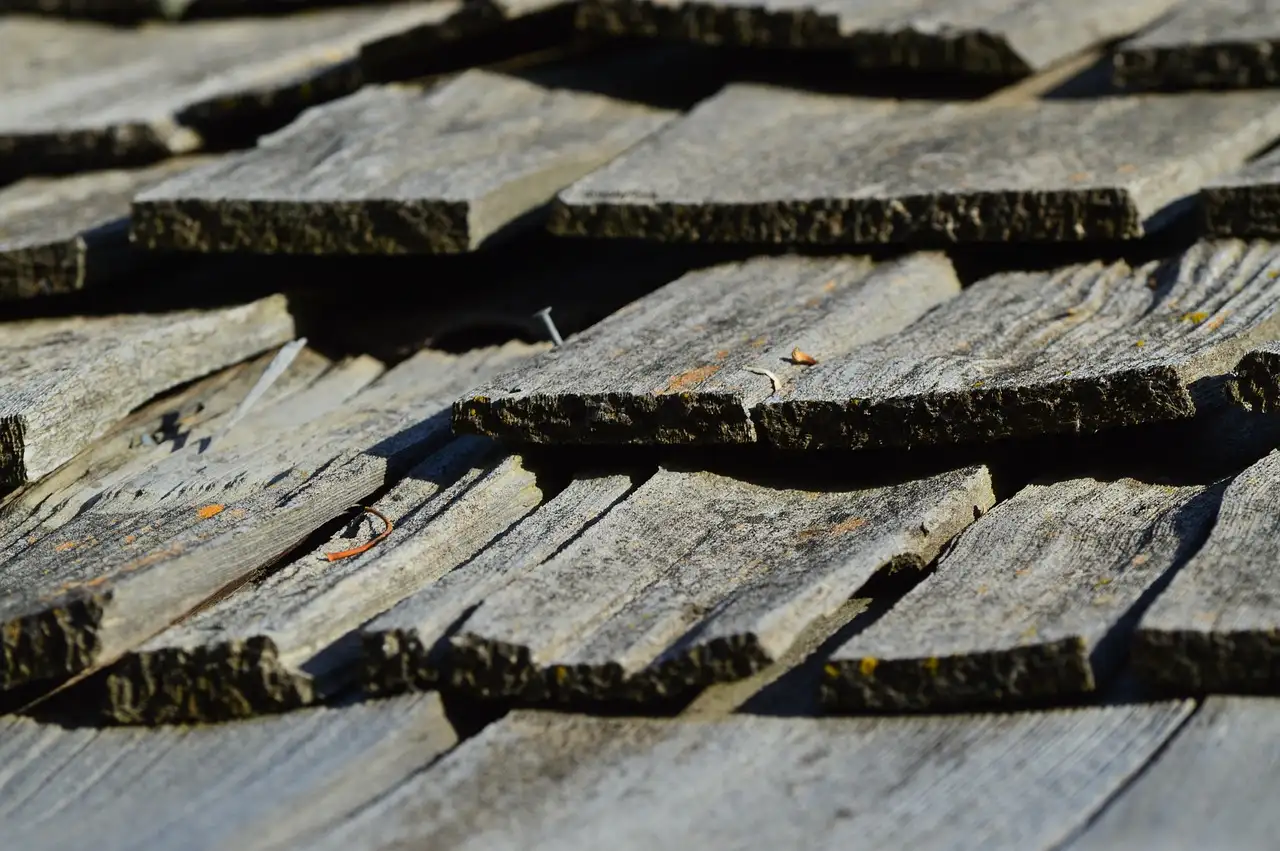
That difference changes more than appearance. It affects fastening, overlap, underlayment, maintenance, and how forgiving the roof is in wet weather. Cedar also ages visibly: western red cedar shingles weather to a medium grey, while yellow cedar weathers to a lighter, more silvery grey.
What cedar shingles
Cedar shingles are a milled wood product used on roofs and siding. Certigrade rules govern cedar shingles, and they come in 16-, 18-, and 24-inch lengths. Grade 1 is the highest classification for cedar shingles.
For a homeowner, the practical value is predictability. The pieces lay flatter, look cleaner, and are easier to spec when a project needs a more regular finish. That can matter on visible elevations, dormers, and historic work where the goal is a tidy wood surface rather than a highly textured one.
What cedar shakes
Cedar shakes are thicker wood pieces used on roofs and sometimes siding. Premium shakes are the equivalent top classification for shakes. Their heavier butt thickness gives them a deeper shadow line and a more rustic texture than shingles.
That thicker profile changes the assembly. It also changes the way the roof sheds water, especially where wind-driven rain, snow, or debris can linger on the surface. Shakes can work well, but they ask more of the installer and more of the owner over time.
Are cedar shakes better than shingles for a roof?
Cedar shakes are better only when you want the rustic look and the roof assembly, budget, and local code all support that choice. For many homes, shingles are the better roof product because they are more uniform, easier to detail, and usually easier to maintain over the long term.
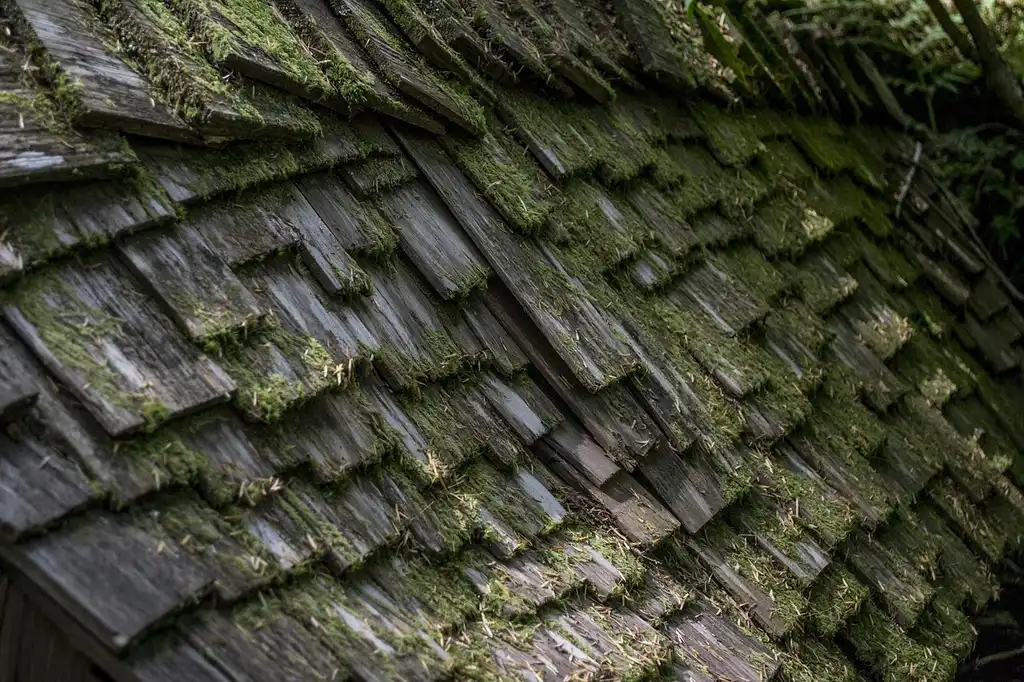
Roof pitch matters here. A steeper roof sheds water faster, so either product performs better when the slope is appropriate. On lower-slope roofs, cedar is a poor fit because water can sit on the surface longer, which increases risk of cupping, splitting, mold, and rot.
How do cedar shakes and shingles compare on a roof?
On a roof, the assembly detail matters more than the label on the bundle. Cedar shingles use a 3-ply overlap on the roof, while shakes use 2–3 layers plus felt underlayment. The thicker shake profile can create a stronger visual texture, but it also makes the roof assembly more complex.
Fastening and exposure also differ. Because shakes are thicker than shingles, the installer has less tolerance for sloppy spacing or inconsistent nailing. A common first-timer mistake is to buy on appearance alone and then discover the roof pitch, flashing plan, or underlayment spec does not match the product.
Say your home has a 9:12 roof and a simple gable shape. Cedar shingles are usually the easier quote to compare because the roof is less complex and the assembly can be specified more cleanly. If the same roof sits in a windy coastal zone, the contractor should also address fastening pattern, underlayment, and local fire rules before you sign anything.
Pitch and water shedding requirements
Roof pitch controls how quickly water leaves the surface. Steeper roofs shed water faster, which helps wood roofing stay drier between storms. Lower slopes keep moisture on the surface longer and raise the odds of decay, so pitch can be the difference between a durable wood roof and an expensive failure.
That is why you should ask the roofer for the minimum slope requirement for the exact cedar product being quoted. Do not assume a wood roof is acceptable just because the style looks right.
Underlayment and flashing considerations
Underlayment is not a minor detail with cedar. The guide says shakes use 2–3 layers plus felt underlayment, while cedar shingles use a 3-ply overlap on the roof. The roofing blog also says cedar shakes require a layer of felt paper, and cedar shingles can be layered three shingles thick.
Flashing matters at valleys, chimneys, skylights, and wall intersections. Those details often decide whether the roof stays dry. If the quote does not spell out underlayment, flashing, and step-flashing method, you do not yet have a complete cedar roof specification.
Which performs better in your climate?
Shingles are usually the safer default in difficult climates because their more regular profile is easier to specify and maintain. Cedar shakes can still work, but they are less forgiving where rain, humidity, freeze-thaw cycles, or strong sun push a roof harder. Climate should guide the pick more than style preference.
Look at moisture exposure first. Then look at ventilation, sun exposure, and local code. A cedar roof that stays wet too long, dries unevenly, or faces repeated freeze-thaw stress is more likely to cup, split, and loosen.
Should I choose cedar shakes or shingles for a roof in a wet climate?
In a wet climate, shingles are usually the more practical choice. Their flatter, more uniform profile makes the roof easier to detail, and that helps water move off the surface predictably. Shakes can still be used, but the margin for error is smaller when rain and humidity are constant.
Wet climates also raise mold and rot risk. If you live near the coast or in a damp region, ask whether the roof needs a treatment plan, stronger ventilation, or more frequent inspection than a drier site would require.
Freeze-thaw, snow, sun, and coastal exposure
Freeze-thaw cycles can split wood that holds moisture too long. Snow and ice create the same problem when meltwater refreezes at the eaves. In those settings, a cedar roof needs careful drainage, solid flashing, and enough slope to keep water moving.
Sun and UV aging also matter. Cedar will weather over time, but exposed faces dry, fade, and age unevenly if the roof has poor ventilation or patchy maintenance. Coastal exposure adds salt, wind, and storm-driven moisture, which can increase wind uplift and shorten the repair cycle.
Cedar shakes vs shingles siding
Siding guidance is different from roofing guidance because a wall does not shed water the same way a roof does. Cedar shakes and shingles can both be used on siding, but the installation details, finish expectations, and maintenance schedule should follow wall requirements rather than roof rules.
For siding, shingles usually give a cleaner, more regular wall surface. Shakes suit accent areas, gables, and historic facades when the goal is texture. If the wall sees a lot of splashback, shade, or coastal weather, ask how the siding assembly handles drying and repainting or recoating.
Maintenance and finish expectations on walls
Walls need inspection too. Check for split tabs, cupping, discoloration, and moss growth around shaded exposures. Cleaning frequency depends on tree cover, moisture, and paint or stain schedule, but cedar siding should never be treated as a set-and-forget surface.
Repairability is one of cedar’s strengths. Individual damaged pieces can often be replaced, but only if the product is still available in a matching grade and size. If you are planning a full facade, a contractor should confirm the product line before you commit.
Cedar decision matrix
Use this table to match the product to the project, not to the photo. The same house can justify different choices for roof and siding if the slope, exposure, and code requirements are different.
| Project condition | Cedar Shakes | Shingles | Best fit |
|---|---|---|---|
| Rustic exterior look is the priority | More dimensional and textured | More regular and restrained | Cedar Shakes |
| Cleaner, more uniform finish is the priority | Less consistent by design | Flatter and more even | Shingles |
| Budget is tight | Higher total ownership cost | Usually easier to justify over time | Shingles |
| High moisture, coastal, or frequent storm exposure | Possible, but less forgiving | Usually the safer pick | Shingles |
| Historic accent or textured gable siding | Strong visual match | Can look too regular for the goal | Cedar Shakes |
| Strict code or fire-treatment review | May require more review and treatment | Often easier to standardize in a quote | Shingles |
Buyer checklist for contractor quotes
- What grade is being quoted: Grade 1 shingles or Premium shakes?
- Is the product for roof use, siding use, or both?
- What minimum roof slope does the quoted system require?
- What underlayment, felt, and overlap pattern are included?
- Are fire-retardant treatment and local fire code compliance included?
- What fasteners are specified for the exact cedar product?
- What warranty applies to material, labor, and treatment?
- How often should the roof or siding be inspected and cleaned?
Cedar shakes vs asphalt shingles
Compared with asphalt shingles, cedar costs more up front and usually asks for more care over time. That does not make cedar a poor choice, but it does mean the buyer should look at material, labor, and maintenance together rather than comparing only the purchase price. Cedar can last a long time with proper maintenance, yet it is not the lowest-cost roof system.
Asphalt shingles are often the practical baseline when the goal is lower initial cost and simpler upkeep. Cedar may be worth the extra spend when a project needs wood texture, a historic look, or a material that fits a specific architectural style. If the roof is complex, wet, or code-sensitive, asphalt may be the smarter economic choice.
How much does cedar shakes vs shingles cost compared with asphalt shingles?
There is no honest one-number answer without the roof size, slope, region, and code requirements. In general, cedar shingles are less expensive than shakes, and both are often more costly than asphalt shingles once labor and the more involved assembly are included. Maintenance narrows the comparison further because cedar needs periodic cleaning, inspection, and occasional repair.
If you want a fair quote, ask for line items for material, labor, underlayment, flashing, treatment, and disposal. That tells you whether the higher cedar price is going into the product itself or into the assembly details that keep it working.
Choose Cedar Shakes if… / Choose Shingles if…
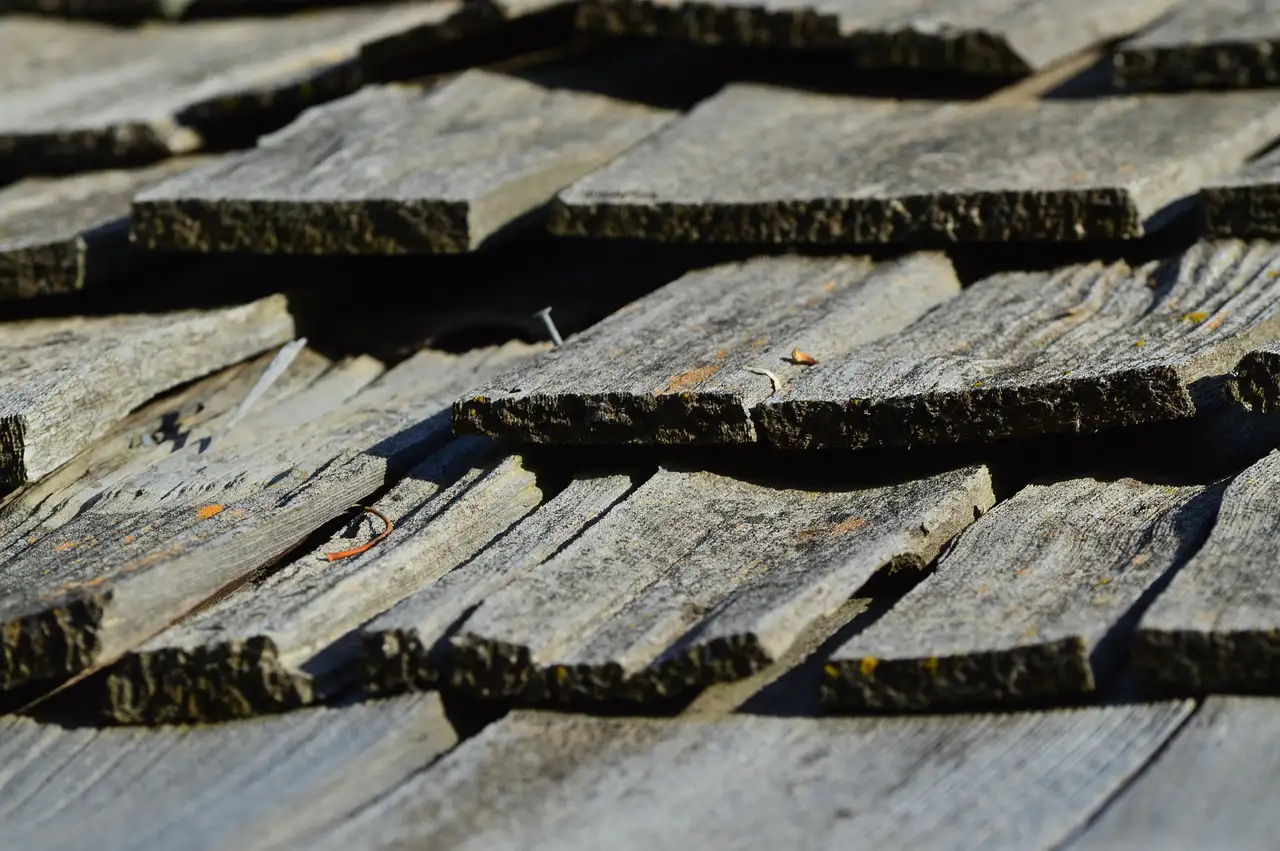
Choose Cedar Shakes if you want a more rustic finish, you are using the material as an accent or historic detail, and your roof assembly can support the thicker profile, the added underlayment detail, and the higher upkeep. Choose Shingles if you want a cleaner finish, easier quoting, simpler roof detailing, and a better fit for tighter budgets or stricter code review.
If the project is in a wet, coastal, or freeze-thaw climate, lean toward shingles unless the contractor can clearly explain the assembly, treatment, and maintenance plan for cedar shakes. If the goal is a cedar roof that balances appearance with lower risk, shingles usually win.
Best-fit scenarios for Cedar Shakes
Cedar Shakes make sense on steep roofs that need visual depth, on historic homes that call for a textured wood surface, and on facades where a more rustic look is part of the design brief. They also fit accent work where small-scale maintenance is acceptable and the owner is prepared for more frequent inspection.
Best-fit scenarios for Shingles
Shingles fit homes where the owner wants cedar without the highest maintenance burden. They are also a stronger choice when the roof must meet strict code requirements, when the budget is constrained, or when the project needs a more regular and predictable appearance on both roofs and siding.
Picture a house of about 2,400 square feet in a rainy suburb with a moderate roof pitch and features such as a chimney, dormers, and a couple of valleys. Shingles usually make quoting and maintenance easier because the assembly is more standard and the finish is more uniform. Change only one variable to a steep gable in a dry climate, and shakes become more plausible if the owner wants the rustic look and accepts the extra upkeep.
Frequently asked questions
What is the difference between cedar shakes vs shingles?
Cedar shingles are machine-sawn on both faces for a uniform look, while cedar shakes are split from the block and may be split or sawn in multiple ways. Shakes are thicker and more rustic; shingles are smoother, flatter, and more regular. That affects installation, maintenance, and weathering.
Cedar shakes vs shingles siding: which is better for my home?
For siding, shingles usually give a cleaner wall finish, while shakes create more texture and shadow. The better choice depends on whether the wall is an accent, a full facade, or part of a historic design. Maintenance, moisture exposure, and finish schedule matter as much as appearance.
Cedar shakes vs asphalt shingles: how do they compare on cost and lifespan?
Asphalt shingles usually cost less up front and are simpler to maintain. Cedar costs more, needs more care, and can last a long time with proper maintenance. If you want lower ownership cost, asphalt often wins; if you want wood character, cedar may justify the premium.
Cedar shakes vs wood shingles: what is the real difference?
Wood shingles are the smoother, more uniform cedar product. Cedar shakes are thicker and more textured, with a more rustic appearance. The real difference shows up in the roof assembly, not just the look, because thickness changes overlap, fastening, and moisture behavior.
Which looks more rustic, cedar shakes or shingles?
Cedar shakes look more rustic. Their thicker butt thickness and less regular profile create deeper shadow lines and a more dimensional surface. Shingles look cleaner and more even, which suits projects that need a neater wood finish.
Sponsored / affiliate links. As an Amazon Associate I earn from qualifying purchases. I may earn additional commission from eligible campaigns.