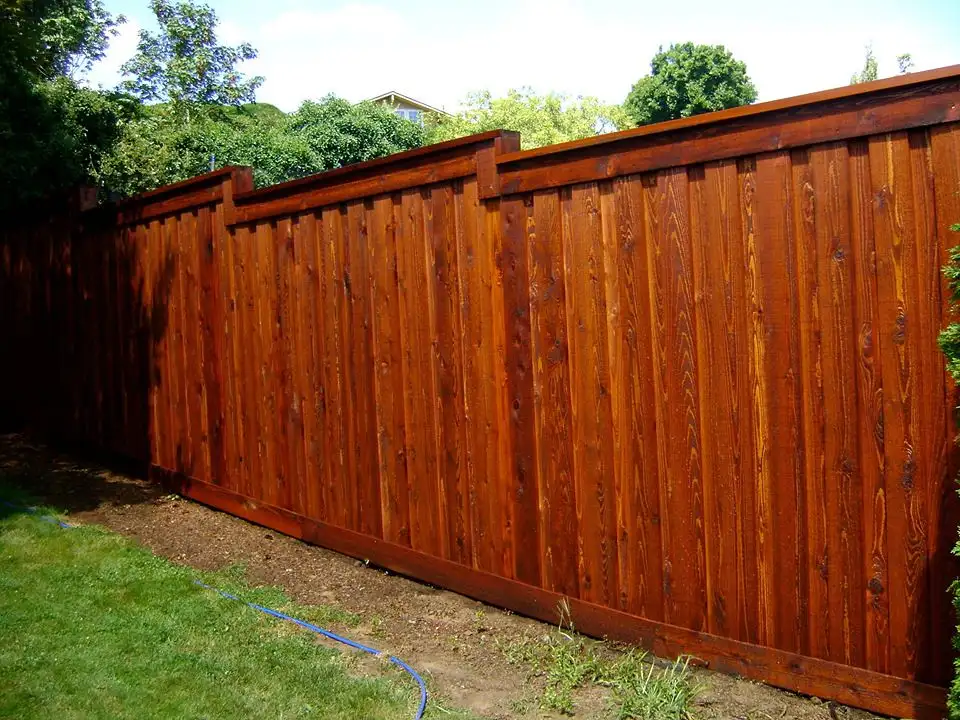
Best Cedar Fence Stain for Fences (2026): research shows
For most cedar fences, the best stain is a penetrating semi-transparent oil-based stain for fresh cedar, or a semi-transparent penetrating stain for weathered cedar, with solid stain reserved for heavily sun-damaged or color-matching jobs. Pick the wrong type and you can get blotching, uneven color, and faster gray-out, which means more labor and earlier recoating. This guide matches stain type, opacity, coverage rate, and application method to your fence condition and finish goal.
Quick comparison

| Product | Badge | Best for | Price | ||
|---|---|---|---|---|---|
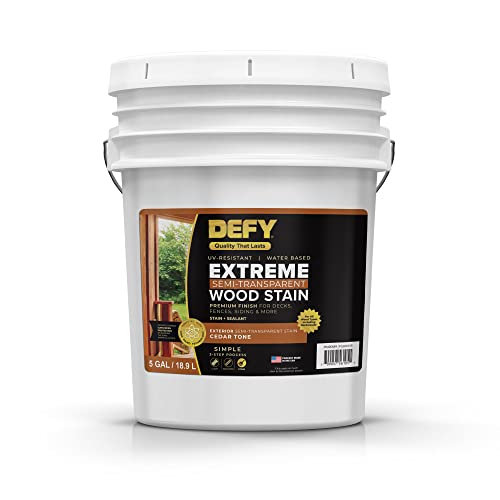 |
DEFY Extreme Wood Stain and Sealer in One – 5 GallonDEFY | Our pick | 5 Gallon · Semi-Transparent · Cedar Tone | $269.99
Price as of 9 Oct 2026
|
View |
 |
Olympic Wood Protector 1 gal. Cedar Solid Exterior StainOLYMPIC | Budget pick | 1 Gal · Solid Finish · Water-Based | $34.94
Price as of 9 Oct 2026
|
View |
 |
Cabot Transparent Wood Toned Stain + Sealer, Cedar, 1 QuartCabot | Also great | 1 Quart · Transparent · Resin & Oil | $35.46
Price as of 9 Oct 2026
|
View |
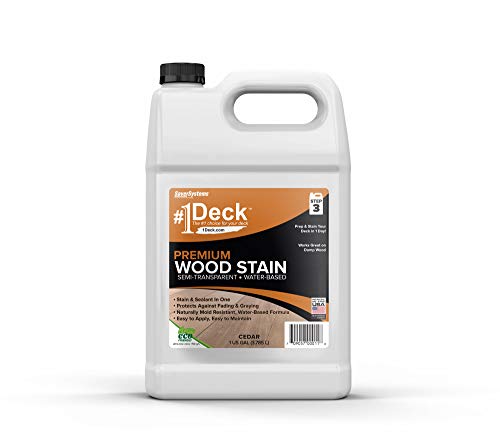 |
SaverSystems #1 Deck Premium Semi-Transparent Outdoor WoodSaverSystems | Also great | 1 Gal · Semi-Transparent · Damp Wood Ready | $37.99
Price as of 9 Oct 2026
|
View |
 |
Sashco Capture Log Stain (Red Cedar) 5 Gallon PailSashco | Upgrade pick | 5 Gallon · Log Stain · Elastic Formula | $436.99
Price as of 9 Oct 2026
|
View |
The core trade-off is simple: oil-based semi-transparent stain usually gives cedar the best balance of penetration, UV protection, and lower peeling risk, while water-based products trade some durability for easier cleanup and lower odor. Solid stain hides more grain and can help damaged cedar look even, but it moves closer to a paint-like finish.
Bob Vila tested seven different stains across cedar siding, fencing, and decking, and named Behr Naturaltone Penetrating Wood Stain the best overall pick, while Ready Seal 512 Natural Cedar Exterior Stain was the best bang for the buck. Bob Vila’s table lists Behr Naturaltone as oil-based and semi-transparent, Ready Seal 512 as oil-based and flat, and Defy Extreme as water-based and semi-transparent.
How we chose
The comparison below weighs cedar-specific fit first, not brand recognition. The key criteria are how well the finish sinks into cedar, opacity and grain visibility, coverage planning, cleanup, and how each approach fits sun, rain, and maintenance demands.
- Cedar compatibility: whether the formula suits cedar’s open grain and vertical fence boards.
- Opacity trade-off: how much grain stays visible versus how much color correction you get.
- Coverage and labor: how far the product goes and how much control it needs on fence boards.
- Maintenance interval: how often you should expect to recoat in real outdoor exposure.
- Climate fit: hot sun, wet exposure, and mixed weather all change the best choice.
Cedar fence stain decision table
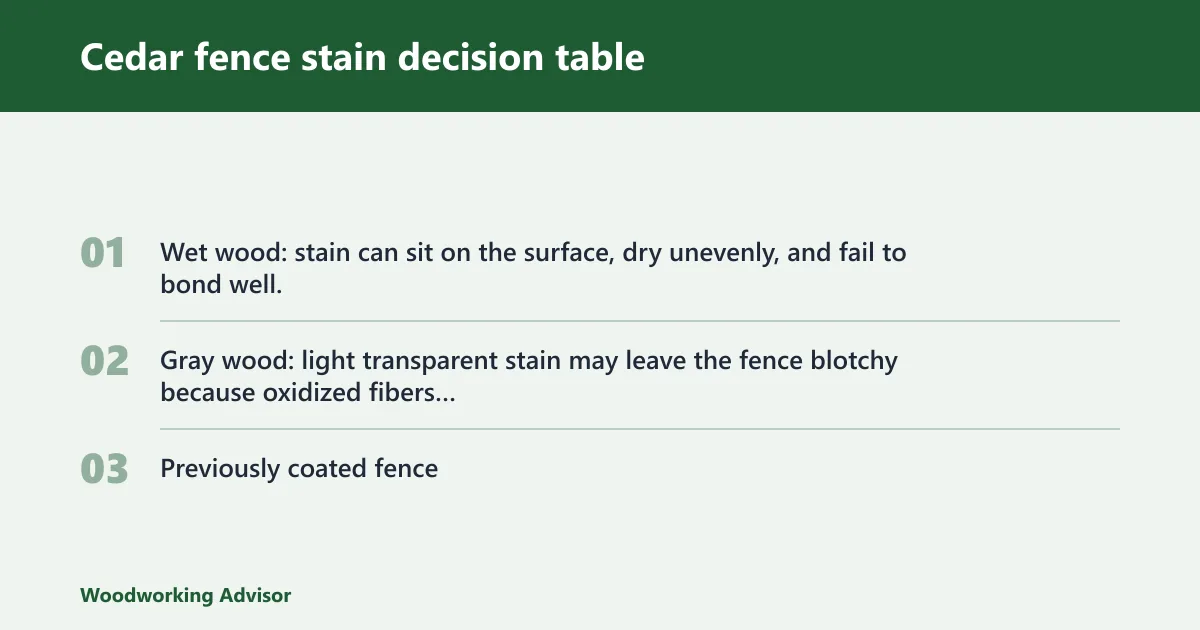
This table gives a practical stain choice based on fence condition, finish goal, and climate, along with rough coverage guidance. The gallon estimates assume a typical fence face area for a 6-foot fence, and rough-sawn cedar often needs more product than smooth boards because the texture tends to absorb more finish. Vertical surfaces usually take a little less than a deck, but rough grain can erase that advantage quickly.
| Fence condition | Desired look | Climate | Recommended stain type | Opacity | Coat count | Estimated gallons per 100 linear feet |
|---|---|---|---|---|---|---|
| New rough-sawn cedar | Keep cedar color visible, reduce UV fade | Hot, sunny, dry | Oil-based penetrating stain | Semi-transparent | 1 | 2.0 to 3.0 |
| New smooth cedar | Natural grain with lighter tone | Mixed weather | Oil-based penetrating stain | Transparent to semi-transparent | 1 | 1.5 to 2.5 |
| Weathered gray cedar | Restore color and hide uneven gray | Hot sun or exposed fence line | Penetrating semi-transparent or semi-solid stain | Semi-transparent or semi-solid | 1 to 2 | 2.5 to 4.0 |
| Previously coated or partially sealed cedar | Even out patchiness | Wet or variable weather | Solid stain only if old coating is sound and compatible | Solid | 1 to 2 | 3.0 to 4.5 |
Failure-case checklist:
- Wet wood: stain can sit on the surface, dry unevenly, and fail to bond well.
- Gray wood: light transparent stain may leave the fence blotchy because oxidized fibers absorb unevenly.
- Previously coated fence: fresh stain can bead or flash off if the old film is still intact.
Say your fence is roughly 120 linear feet long, about 6 feet tall, and made of rough-sawn cedar. A single semi-transparent coat may need roughly 2.5 to 3 gallons if the wood is thirsty, and more if the boards are extra textured. Suppose half the panels are still coated with an older film, those sections need compatibility checking before you buy anything.
Oil-based semi-transparent stain: best for most cedar fences
Oil-based semi-transparent stain is the default fit for cedar because it penetrates instead of forming a film on top. That lowers peeling risk, preserves grain visibility, and usually gives better UV and moisture protection than a thin clear coat. Woodworking Advisor’s guidance is straightforward: the best cedar fence stain is an oil-based, semi-transparent stain.
Where it works best
This is the strongest match for new, dry, vertical cedar boards and pickets where you want the wood to still read as cedar, not as painted lumber. It also suits rough-sawn surfaces that need finish to soak in rather than bridge over texture.
Where it falls short
Oil-based semi-transparent products are less forgiving on very weathered gray wood if you want major color correction. They can also look too light on fences that have old patchy stain or a mismatched repair section.
Water-based stain: best for fast cleanup
Water-based stain is worth considering when cleanup speed, lower odor, and a faster workflow matter more than maximum durability on cedar. It is often easier to wash up, and it can make sense for lighter maintenance jobs, but cedar fences often get better long-term results from oil-based formulas.
Solid stain: best for weathered fences
Solid stain is the right choice when hiding gray wood, blotchiness, or patchy repairs matters more than grain visibility. It gives more color correction and a more paint-like look, but that trade-off is real: once you hide the grain, you lose the natural cedar character that many homeowners want.
When to use it
Use solid stain for old fences with heavy sun damage, uneven previous coatings, or fence sections that have already gone soft in color and need a more uniform finish. Bob Vila listed Olympic Maintain Cedar Woodland Oil Stain and Sealer as low maintenance, and products in this class are often chosen when upkeep matters more than a pure wood look.
What to expect
Solid stain can reduce the visual effect of cedar’s grain and may feel closer to paint than stain. It is a practical fix, but it is not the first pick if you want the fence to read as cedar from the street.
Choose Behr Naturaltone if… / choose Ready Seal if…
Bob Vila’s comparison is useful for narrowing the market, even though your fence condition should still lead the decision. Behr Naturaltone Penetrating Wood Stain was Bob Vila’s best overall pick and is oil-based and semi-transparent, while Ready Seal 512 Natural Cedar Exterior Stain was the best bang for the buck and is oil-based and flat.
| Condition | Choose Behr Naturaltone if… | Choose Ready Seal 512 if… |
|---|---|---|
| Fresh cedar | You want a semi-transparent finish with clear grain visibility. | You want an easier-value option and accept a flatter look. |
| Maintenance goal | You want a penetrating stain with a more traditional semi-transparent appearance. | You want a cost-conscious oil-based choice for a large fence run. |
| Coverage planning | Bob Vila lists up to 400 sq. ft. per gallon. | Use the product label and adjust for rough cedar texture. |
Behr’s coverage figure is a useful planning anchor, but rough-sawn cedar and thirsty end grain can reduce real-world spread. Ready Seal’s flat look can work when you care more about broad color than about cedar’s exact grain pattern.
A common first-timer mistake is buying a clear or near-clear product for gray, sun-baked cedar and expecting even color. Another is using a solid finish on new cedar when the whole point was to keep the wood visible.
What stain should you use on your cedar fence?
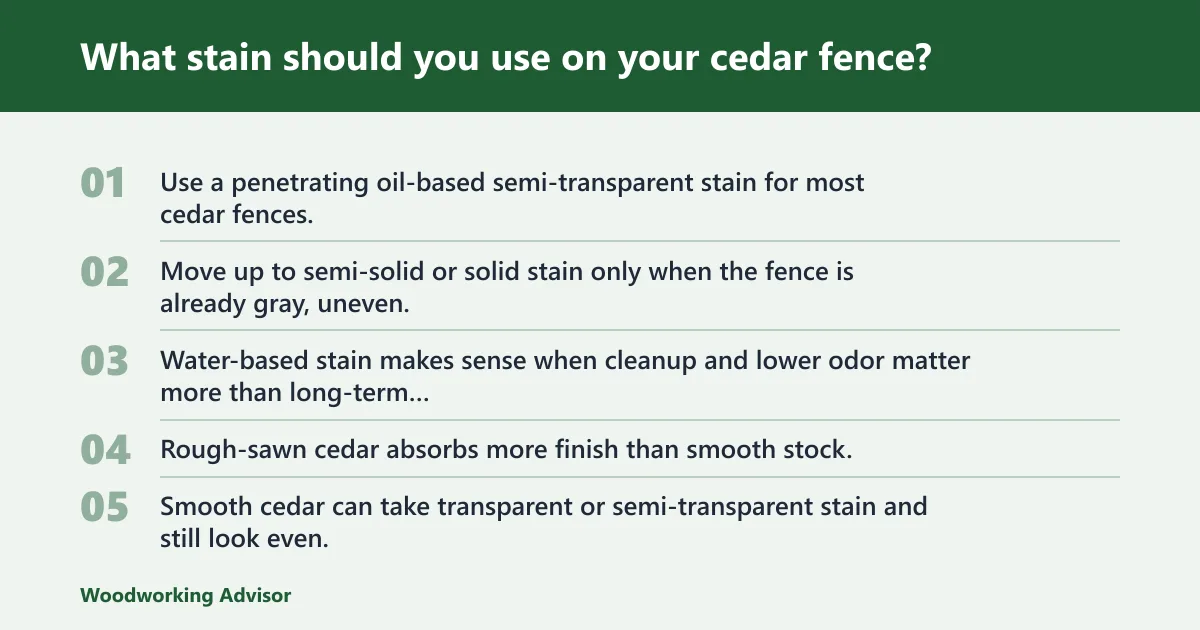
Use a penetrating oil-based semi-transparent stain for most cedar fences, especially if the boards are new, dry, and still have visible grain. Move up to semi-solid or solid stain only when the fence is already gray, uneven, or so weathered that color correction matters more than wood visibility. Water-based stain makes sense when cleanup and lower odor matter more than long-term durability.
Pick by fence condition
Rough-sawn cedar absorbs more finish than smooth stock, so it usually needs a little more product and often looks best with semi-transparent stain. Smooth cedar can take transparent or semi-transparent stain and still look even, as long as the boards are dry and clean.
Pick by finish goal
If you want the fence to keep its red-brown cedar character, stay in transparent or semi-transparent territory. If you want to soften the tone, use a cedar or light brown color. If you want the fence to read darker and more uniform, semi-solid or solid is the safer route.
Pick by climate
Hot, sunny areas can be hard on thin finishes and may lead to faster UV fading, so the fence may need recoating after a few years. Mixed or wetter climates can still land in the 2 to 5 year range, but mildew and moisture exposure usually shorten the comfortable interval. Cedar still weathers; stain slows the process, it does not stop it.
Best cedar fence stain and sealer
A stain-and-sealer combo can be a practical choice because it combines color with water resistance and often some mildew resistance in one application. It does not replace surface prep, and it does not mean the fence is maintenance-free. If the wood is sound and dry, a combo product can save time.
Stain-only versus stain-and-sealer
Stain-only products usually let you choose a cleaner wood look and recoat on a schedule that fits the fence. Stain-and-sealer products are convenient for homeowners who want fewer separate steps, but they still need dry wood and the right opacity to avoid blotching.
What to watch for
If a product claims both stain and sealer, check whether it still behaves like a penetrating finish or whether it builds more like a film. Cedar fence boards need breathability and controlled absorption more than they need a thick top layer.
Best wood fence stain for weather protection
The best weather protection comes from a stain that slows UV damage, repels water, and resists mildew without trapping moisture in the wood. For cedar, that usually means a penetrating semi-transparent oil-based formula, because it can protect the surface while still moving with the wood better than a film-forming coating.
Why UV and water matter
UV light breaks down color first, which is why cedar turns gray. Water then drives swelling, checking, mildew, and dirt pickup. A good exterior stain should help with both, but no stain makes a fence permanent.
How protection changes by opacity
Transparent stain shows the most grain and usually gives the least color correction. Semi-transparent balances grain visibility and protection. Semi-solid and solid hide more wood, which can help older fences but can also look less like cedar and may bring more coating-style maintenance concerns.
Best stain for cedar fence boards
For cedar fence boards, choose a penetrating semi-transparent oil-based stain when the boards are clean, dry, and still structurally sound. Boards are the visible field of the fence, so uneven absorption shows quickly there. A brush or back-brush pass helps keep the color even on rough grain.
Coverage and application on boards
Bob Vila says Behr Naturaltone covers up to 400 sq. ft. per gallon, but rough cedar often needs more product than smooth stock because texture increases uptake. On fence boards, a sprayer can speed the job, but back-brushing matters because it pushes stain into the grain and reduces lap marks.
Best stain for cedar fence pickets
For cedar fence pickets, the best choice is usually the same penetrating semi-transparent stain, applied in a controlled coat that does not puddle at edges or drips. Pickets are narrow and vertical, so runs show easily if you overload the surface or skip back-brushing.
Application control
A brush gives the most control on pickets, while a sprayer speeds the work on long runs. A roller can work on flatter stock, but it often needs follow-up brushing to prevent lap marks and to work stain into rough edges and end grain.
Best stain for cedar fence in texas
In Texas, the best cedar fence stain is usually a penetrating semi-transparent oil-based formula with strong UV resistance, because hot sun and rapid drying punish thin, clear finishes. If the fence gets full afternoon exposure, expect a shorter recoat window than you would in a milder climate.
Texas-specific trade-offs
High heat can make surface drying happen fast, which raises the risk of uneven lap marks if you move too slowly. In very sunny locations, a slightly darker semi-transparent tone or semi-solid finish may be better than a very light transparent look because it buys more fade resistance.
How to clean cedar fence before staining
Clean cedar with the goal of removing dirt, mildew, and loose gray fibers without leaving residue, and let it dry fully before any stain goes on. Cedar must be clean and dry to 12 percent moisture or less. If the wood is wetter than that, adhesion and finish quality both suffer.
- Clear the fence of dirt, cobwebs, and loose debris.
- Wash off mildew and grime with a fence-safe cleaner.
- Rinse thoroughly so no cleaner remains in the grain.
- Let the wood dry completely before testing moisture.
- Confirm moisture is 12 percent or less before staining.
- Remove loose fibers or failing old coating where needed.
What not to skip
If the fence is gray, cleaning alone will not make the color even. Gray wood often needs brighter prep or a more opaque stain choice because the outer weathered layer absorbs differently than fresh cedar underneath.
Does staining a cedar fence make it last longer?
Yes, staining a cedar fence usually helps it last longer by reducing UV damage, water intrusion, mildew growth, and dirt buildup. It does not make the fence permanent, and it cannot fix rot, but it can slow the weathering cycle enough to delay replacement and reduce maintenance labor.
What stain can and cannot do
Stain protects the surface, but it cannot restore failing wood fibers or stop long-term exposure from eventually breaking finish down. Recoat timing matters because a fence that waits too long fades, turns gray, and becomes harder to clean and recoat evenly.
Which one should you buy
Buy by fence condition first, then by finish goal and climate. For most cedar fences, start with an oil-based semi-transparent product if you want grain visibility and easier maintenance. Move to semi-solid or solid when the fence is heavily weathered, patchy, or already too uneven for a lighter finish to look right.
Pick by budget
If you want lower cost per gallon and a strong value angle, Ready Seal 512 is the kind of product to compare first. If you want a well-known best-overall type option with a semi-transparent cedar look, Bob Vila’s top pick was Behr Naturaltone. Behr’s table lists it at up to 400 sq. ft. per gallon.
Pick by labor tolerance
If you want easier cleanup and are willing to trade some durability, a water-based stain can fit. If you want fewer peeling problems and a more cedar-friendly finish, oil-based is the safer default. If the fence is already badly weathered or color goals matter most, solid stain is the compromise.
Pick by maintenance interval
Plan on recoating every 2 to 5 years, with hot sunny fences often needing attention on the shorter end and shaded or milder fences sometimes lasting longer. If the fence is in a wet zone, watch for mildew and early fade. Recoat before the color breaks down, not after the wood has already gone gray again.
Frequently asked questions
what’s the best stain for cedar fence
For most cedar fences, the best stain is a penetrating semi-transparent oil-based stain. It fits cedar’s grain, lowers peeling risk, and keeps the wood visible without going fully clear. Use semi-solid or solid only when the fence is already heavily weathered or you want stronger color correction.
what color should i stain my cedar fence
Choose the color based on the look you want: natural cedar, softer brown, or darker and more uniform. Transparent and semi-transparent stains keep the grain most visible, while semi-solid and solid hide more of it. On gray cedar, darker tones often hide uneven absorption better.
Sponsored / affiliate links. As an Amazon Associate I earn from qualifying purchases. I may earn additional commission from eligible campaigns.