Best Cedar Decking Boards for 2026: we compared grades
For most decks, the best cedar decking boards are vertical-grain Western Red Cedar in clear or #1 grade, with 5/4 x 6 for typical traffic and 2×6 for stiffer, cooler-feeling boards in high-wear areas. Choose the wrong grade or profile, and you get more cupping, splintering, fastener problems, and higher replacement costs. This guide compares species, grades, board profiles, and exposure so you can match cedar to traffic, climate, and maintenance tolerance.
Quick comparison
| Product | Badge | Best for | Price | ||
|---|---|---|---|---|---|
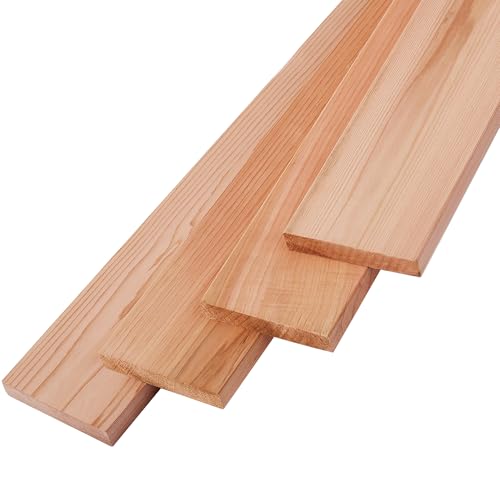 |
bingaai 7ft Western Red Cedar Decking Boards (4-Pack)bingaai | Our pick | 7ft Western Red Cedar 1x6x7′ Clear Grade | $339.99
Price as of 11 Oct 2026
|
View |
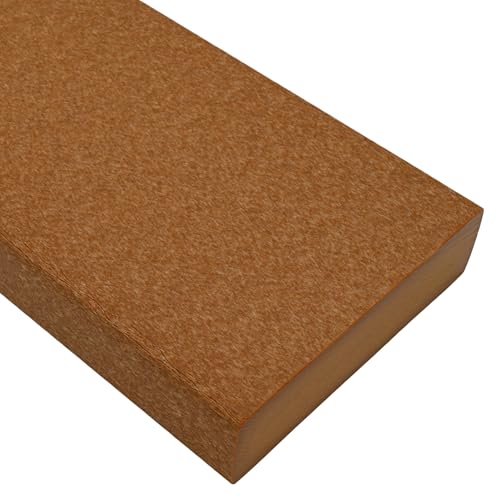 |
BuyPlastic Tangent Poly Lumber – Cedar, 2×4 (1.5" x 3.5"),BuyPlastic | Also great | HDPE Plastic Cedar 2×4 36" Length | $89.83
Price as of 11 Oct 2026
|
View |
 |
Prestige Smooth Finish Pine Tongue & Groove BoardsKimberly Bay | Budget pick | Smooth Finish Pine Tongue & Groove | $233.32
Price as of 11 Oct 2026
|
View |
Use the comparison table to sort the cedar species by use case before you look at finish grade, joist spacing, and maintenance. The right board on paper can still be the wrong board if the deck is coastal, heavily walked on, or built with wider joist spacing.
📊 Port Orford Cedar is described as about 40% stronger in impact bending. Source: Best Cedar for Decking: 5 Species by Cost & Hardness (2026).
How we chose
This guide ranks cedar decking by four buying filters: species durability, Janka hardness, exposure fit, and practical install details such as thickness, grade, fasteners, and upkeep. It also weighs finished-deck cost, not just board price.
Species data come from the supplied facts, while the buying advice reflects standard deck-building practice: match thickness to span, reject twisted or under-dimensioned boards, and use corrosion-resistant fasteners on cedar.
Where pricing is mentioned, treat it as a current lumberyard check rather than a fixed market number. Cedar pricing shifts by region, grade, and length.

Best overall cedar decking board: Western Red Cedar
Western Red Cedar is often a strong all-around pick for many decks because it balances workability, durability, and broad availability. Available information describes it as moderately hard and durable to very durable, with a joist-spacing rating that can work for 5/4 and 2x decking in some cases.
This is the right lane for clear, knot-free boards on family decks, outdoor living spaces, and projects where barefoot comfort matters more than maximum hardness. The drawback is that softer boards can show wear sooner in heavy-traffic zones, and lower grades are more prone to checking and cupping.
Best budget cedar decking board: Incense Cedar
Incense Cedar is the value choice when the deck sees moderate foot traffic and the buyer wants a lower-cost cedar look without moving to pressure-treated lumber. It is listed at 470 lbf Janka hardness and described as durable to very durable, but with low shock resistance underfoot.
That makes it a reasonable fit for lower-impact spaces such as side decks, garden walkways, and decorative platforms. The tradeoff is that it is not the first pick for hard-use stairs, busy pool decks, or places where dropped objects and repeated traffic are common.
Best cedar decking board for high-traffic use: Alaskan Yellow Cedar
Alaskan Yellow Cedar is the stronger-footed option for decks that get frequent use, thanks to its 580 lbf Janka hardness and durable to very durable rating. It also resists most insects, which helps when you want a tougher board without moving away from cedar.
Choose it when Western Red Cedar feels too soft for the duty cycle. The drawback is pricing and availability: harder cedar species often cost more and may be harder to source in the exact grade and length you need.
Western Red Cedar: best all-around choice
Western Red Cedar is the safest default for most buyers because it has the broadest balance of durability, appearance, and span flexibility. The species is listed at 350 lbf Janka hardness, described as durable to very durable, and rated for 16-inch joist spacing in 5/4 and 2x decking.
It fits standard backyard decks, seating areas, and stairs where comfort and appearance matter more than brute hardness. TimberClick’s supplier language also calls it an excellent choice for laying a deck and “the most durable and versatile of all timbers,” though that sort of wording should be treated as promotional, not a substitute for grade checks.
What to check before buying
Look for clear or #1 grade, straight grain, and boards that are not twisted, cupped, or under thickness. Vertical-grain stock generally holds flatter than flat-grain stock, which matters because cedar can move as it dries and weathers.
Confirm the actual thickness before you order. A board sold as 5/4 x 6 should be questioned if it arrives noticeably under-sized or roughly milled enough to leave uneven decking after installation.
Common tradeoffs
The downside is softness relative to the harder cedars. On a deck with kids, chairs, and constant traffic, Western Red Cedar can dent and check sooner than Alaskan Yellow Cedar or Port Orford Cedar.
Alaskan Yellow Cedar: best for high-traffic decks
Alaskan Yellow Cedar is the better choice when the deck gets a lot of foot traffic, because its 580 lbf Janka hardness gives it more resistance to dents and surface wear than Western Red Cedar. It is also durable to very durable and resists most insects.
Use it for busy family decks, stair runs, and entertaining spaces where repeated impact matters. The tradeoff is that it may cost more, and buyers often need to accept fewer size or grade options in local yards.
When to choose it over Western Red Cedar
Choose it when you want cedar, but the board will see daily use, rolling furniture, or a lot of footwear abrasion. That hardness difference is not cosmetic; it changes how quickly the surface shows wear.
What to watch for in pricing and availability
Harder cedar species often come with a narrower supply chain. That can affect lead time, matching lengths, and waste, which matters more than a small difference in per-board price.
Port Orford Cedar: best for coastal exposure
Port Orford Cedar is the coastal pick because it is listed at 590 lbf Janka hardness, described as durable to very durable, and noted as about 40% stronger in impact bending than Western Red Cedar or redwood. That combination suits exposed decks that face moisture, wind, and hard use.
Its higher impact strength matters on marine-adjacent projects where boards take abuse from traffic, furniture, and wet conditions. The caution is simple: coastal decks also demand excellent fastening, correct drainage, and a finish plan that is kept up.
Buying cautions for coastal projects
Do not treat stronger wood as a substitute for proper detailing. If the deck traps water, uses the wrong fasteners, or has too much span between joists, even a strong cedar species will fail early.
Incense Cedar and Eastern White Cedar: value and climate picks
Incense Cedar and Eastern White Cedar are the two cedar options that make sense when the deck’s use pattern matters more than absolute hardness. Incense Cedar is the value pick; Eastern White Cedar is the climate pick for humid and Northeast conditions.
Pick them only with the right expectations. Both are durable to very durable, but neither should be treated as a heavy-duty replacement for the harder species when traffic is high or spans are borderline.
Incense Cedar: best value for lower-impact decks
At 470 lbf Janka hardness, Incense Cedar sits in the middle of the group. It works best where the deck is mostly for sitting, light walking, or visual appeal, and where budget matters more than surface hardness.
The drawback is low shock resistance underfoot. That means it is less forgiving where dropped tools, moving planters, or concentrated furniture legs are common.
Eastern White Cedar: best fit for humid and Northeast climates
Eastern White Cedar is the softest of the five at 320 lbf Janka hardness, but it can still be durable to very durable when the exposure is appropriate. It is a strong fit for humid and Northeast climates where a lighter-duty cedar deck is acceptable.
Use it where climate compatibility matters and the deck will not see hard use. The tradeoff is obvious: the softest board can dent and wear faster than the other cedar species.
Cedar decking selection matrix
This matrix turns the species list into a buying decision. It compares board thickness, profile, grade, span, fasteners, and maintenance for three common scenarios so you can avoid buying the wrong cedar for the job.
| Scenario | Species | Board thickness / profile | Grade and grain | Joist spacing | Fasteners | Expected maintenance |
|---|---|---|---|---|---|---|
| Budget deck | Incense Cedar | 1-1/4-inch by 6-inch, smooth or lightly rough-sawn if appearance is rustic | #1 or appearance grade; accept some knots, reject twist, cup, and wane | 16-inch o.c. only if the board thickness and local code allow it | Stainless steel or other corrosion-resistant screws | Seal or coat on a regular interval to slow graying; inspect for checking and fastener staining |
| Family deck | Western Red Cedar or Alaskan Yellow Cedar | 5/4 x 6 for general use; 2×6 where you want stiffer, cooler-feeling boards | Clear or #1 grade, straight grain, minimal knots in traffic zones | Use the span rating for the board and confirm local code before nailing down the layout | Stainless steel recommended; use corrosion-resistant flashing and hardware | Clean, reseal, or recoat at regular intervals; watch for cupping on sun-exposed edges |
| Coastal deck | Port Orford Cedar | 2×6 for added stiffness in exposed locations; 5/4 x 6 can work where spans are tighter | Clear or high appearance grade, vertical grain if available | Follow the board’s span rating and confirm local code for salt-air exposure | Stainless steel fasteners and hardware; avoid mixed metals that stain cedar | More frequent inspection, coating upkeep, and fastener checks because salt and moisture increase wear |
Board thickness and profile
Thickness matters as much as species. A 1-1/4-inch by 6-inch board suits many decks, while 2-inch by 6-inch boards often feel stiffer underfoot and can help reduce bounce in higher-wear areas.
Smooth boards look more finished and are easier to sweep. Rough-sawn boards hide wear better and suit rustic use, but they still need the same span, fastener, and finish discipline.
Grade and grain
Clear grade gives you the cleanest appearance and usually the fewest knots. Knotty or appearance-grade stock can work on rustic decks, but you should reject boards with severe knots, cross-grain, bowing, or obvious internal stress.
Vertical grain generally moves less than flat grain. That matters because cupping and checking often start with poor grain selection long before the first season ends.
Joist spacing and span checks
Western Red Cedar has a 16-inch joist-spacing rating, but that does not override thickness, profile, or local code. Always match the board to the manufacturer’s span guidance and the deck’s actual framing.
Do not assume every cedar species or every board profile can run the same spacing. A wider span can turn a good board into a bouncy, cupped deck.
Fasteners and maintenance
Cedar needs corrosion-resistant fixings because the wood extractives can stain metal and shorten fastener life. Stainless steel is the safe recommendation, especially on coastal or wet projects.
Regular sealing or a protective coating helps slow graying. If the supplier offers a factory-applied treatment, that can buy time, but it does not cancel future maintenance.
Is cedar good for deck boards
Cedar is good for deck boards when you choose the right species, grade, and exposure match. It is a strong option for homeowners who want a natural wood deck and are willing to maintain it, but soft grades, poor fastening, and wide spans can shorten service life quickly.
That is why cedar should be selected as a system, not as a species alone. The board, the span, the finish, and the climate all have to agree.
Where cedar beats pressure-treated lumber
Cedar usually wins on appearance and bare-foot comfort. It also avoids the chemical-treated look that some buyers do not want on living areas and rooftop decks.
Pressure-treated lumber can win on cost and structural toughness, but the surface is often rougher and less refined. For a finished entertaining deck, cedar often just looks and feels like the better material.
Where cedar trails pressure-treated lumber
Pressure-treated lumber generally costs less and can be a smarter choice for substructure-heavy or utility-first projects. If the deck is large, very budget-driven, or expected to take abuse, treated lumber can make more sense.
Cedar also needs more attention to grade selection. A bargain cedar board with knots and warp can cost more in wasted material than a cheaper treated alternative.
Is cedar decking better than composite
Cedar is better than composite if you want a real wood surface, are willing to seal or coat it, and value a warmer natural look. Composite is better if you want lower maintenance and are willing to accept a manufactured surface and a higher upfront material cost in many cases.
The decision usually comes down to maintenance tolerance and aesthetics. Cedar asks for care; composite asks for a different budget.
When cedar makes more sense
Choose cedar when you want a deck that can be repaired board by board, can be refinished, and suits natural wood architecture. It is also a better fit when you want species-specific selection by climate or exposure.
When composite makes more sense
Choose composite when you want less seasonal upkeep and fewer finish cycles. If the deck is a rental, a vacation property, or a low-patience project, composite may be the better long-term fit.
What type of cedar is best for decking

Western Red Cedar is the best cedar type for most decks, while Alaskan Yellow Cedar is the better choice for high-traffic use and Port Orford Cedar is the stronger coastal pick. Incense Cedar is the value option, and Eastern White Cedar suits humid or Northeast conditions.
The best type depends on the deck’s traffic, climate, and maintenance tolerance. Species ranking changes once exposure gets harsher or the board gets more foot traffic.
Choose by budget
If budget leads the decision, start with Incense Cedar or a lower-grade Western Red Cedar only if the boards are straight, sound, and properly sized. Do not buy a warped board just because it is cheap.
Choose by foot traffic and barefoot comfort
For families, stairs, and seating areas, step up to Western Red Cedar clear or #1 grade, or move to Alaskan Yellow Cedar if the deck will be heavily used. Harder boards resist denting better, but they still need proper fastening and span control.
Choose by coastal or wet exposure
For salt air and persistent moisture, Port Orford Cedar is the strongest cedar choice in this brief. Pair it with stainless steel fasteners and a maintenance plan that does not slip.
Choose by maintenance tolerance
If you do not want regular coating cycles, cedar may not be the best fit. If you are willing to maintain a natural wood deck, cedar remains a sound choice, especially in a grade and species matched to the exposure.
When composite or pressure-treated lumber makes more sense
Choose composite when upkeep matters most. Choose pressure-treated lumber when the priority is lowest material cost or when the deck framing and use pattern make a hard-wearing commodity board more sensible than a premium cedar species.
How to choose cedar decking boards
Start with the species, then narrow by grade, board profile, and exposure. A good cedar board is straight, appropriately thick, corrosion-compatible, and sized for the span it will bridge.
- Match the species to the job: Western Red Cedar for most decks, Alaskan Yellow Cedar for traffic, Port Orford Cedar for coastal exposure.
- Choose the thickness: 5/4 x 6 for typical decks, 2×6 for stiffer or higher-wear areas.
- Inspect the grade: prefer clear or #1; reject twist, excessive knots, cupping, wane, and under-dimensioned boards.
- Check joist spacing: Western Red Cedar has a 16-inch joist-spacing rating, but always confirm the specific board and local code.
- Use stainless steel or other corrosion-resistant fasteners to avoid staining and corrosion.
- Plan the finish: clear coat, sealer, or protective treatment if you want to slow graying.
Say your deck is 12 by 16 feet, used for weekend family meals, with joists on 16-inch centers. Western Red Cedar clear grade in 5/4 x 6 is the sensible starting point, because it gives good appearance without forcing you into a harder, pricier species.
A common first-timer mistake is buying knotty cedar with uneven milling, then trying to force it into a tight pattern. That usually leads to more waste, more visible seams, and more complaints about movement after the first wet season.
How long will a cedar deck last
A cedar deck can last a long time when the species, grade, fastening, drainage, and maintenance plan all match the exposure. Durable to very durable cedar can still fail early if water sits on it, the boards are under-spanned, or the fasteners stain and loosen.
The practical answer is that lifespan depends more on detailing and upkeep than on species alone. Better species help, but they do not rescue poor installation.
What shortens cedar deck life
Cupping, checking, warp, and fastener staining are the common failure cases to watch. They are usually caused by a mix of moisture exposure, wrong grade, excessive span, and the wrong metal.
If you see board edges lifting, splits along the face, or rust streaks at the screw heads, treat those as installation or maintenance warnings, not cosmetic quirks.
Frequently asked questions
is cedar good for decks
Cedar is good for decks that are meant to look like real wood and can be maintained on a regular schedule. It is less suited to buyers who want a low-maintenance surface, but it performs well when drainage, fastening, and coating plans are handled correctly.
is cedar decking better than pressure treated
Cedar is better than pressure treated when appearance, barefoot comfort, and a premium wood look matter most. Pressure-treated lumber is often cheaper and can be a stronger budget choice. For visible living space, cedar usually wins; for cost-first projects, treated lumber often does.
what screws should I use on cedar deck boards
Use stainless steel screws or another corrosion-resistant fastener system rated for exterior cedar use. Cedar can stain reactive metals, and fastener corrosion becomes a long-term maintenance problem. Match the screw length and head style to the board thickness and framing details.
do I need to seal cedar decking
You do not have to seal cedar decking for it to be functional, but sealing or coating helps slow graying and can reduce moisture cycling. If you want to keep the original color, plan on regular reapplication. Factory-applied treatment from a supplier can help initially, not forever.
Sponsored / affiliate links. As an Amazon Associate I earn from qualifying purchases. I may earn additional commission from eligible campaigns.