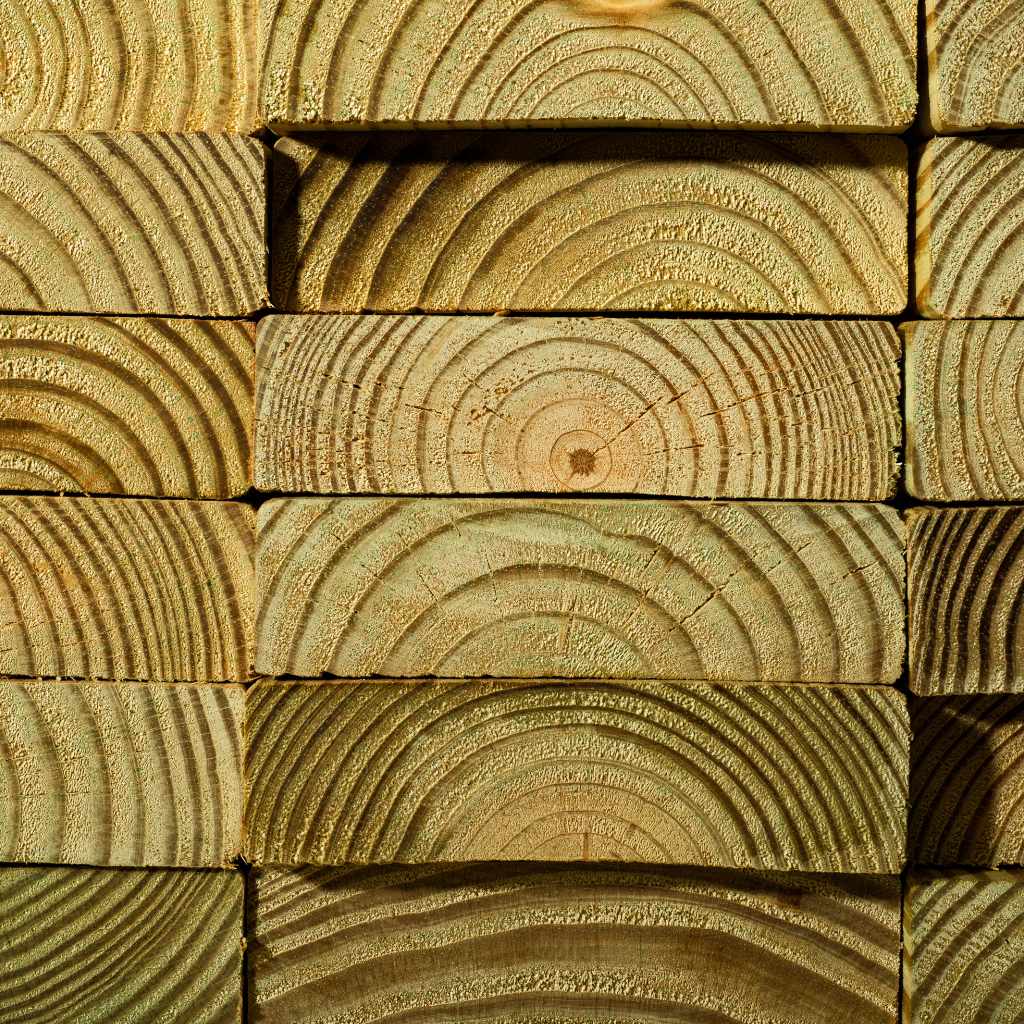
Cedar Tone Vs Pressure Treated: Ultimate Decking Showdown
Choosing the right wood for your outdoor projects can be confusing, especially when deciding between cedar tone and pressure treated lumber. You want your deck, fence, or garden bed to last long and look great, but which option truly fits your needs?
You’ll discover the key differences, benefits, and drawbacks of cedar tone versus pressure treated wood. By the end, you’ll feel confident making the best choice for your home and budget. Keep reading to find out what works best for you!
Cedar Decking Benefits
Cedar decking offers many benefits that make it a popular choice for outdoor spaces. It combines beauty, strength, and ease of care. This wood creates a welcoming atmosphere for any deck. It also stands up well to weather changes and pests. These qualities make cedar decking a smart investment for homes.
Choosing cedar means enjoying a natural look with less hassle. Its features keep decks looking great for years. This section explains the key benefits of cedar decking to help you decide.
Natural Beauty And Warmth
Cedar wood has a rich, warm color that brightens outdoor areas. Its grain patterns add unique charm to every plank. The natural scent of cedar also enhances the outdoor experience. This wood ages gracefully, developing a soft silver-gray patina over time. It blends well with plants and outdoor furniture.
Durability And Longevity
Cedar is strong and can last for many years with care. It handles harsh weather like sun, rain, and snow. This wood resists cracking and warping better than many other woods. Its natural oils help protect it from damage. Proper sealing extends cedar’s life even longer.
Resistance To Rot And Insects
Cedar contains natural oils that repel insects and pests. It resists decay caused by moisture and fungi. This makes cedar a healthier choice for outdoor decks. You can enjoy your deck without worrying about bugs or rot. It stays sound and safe for a long time.
Low Maintenance Needs
Cedar requires less work than many other decking materials. Occasional cleaning and sealing keep it looking fresh. It does not need harsh chemicals or treatments. This saves time and money over the years. The wood’s natural properties reduce the effort needed.
Pressure Treated Decking Benefits
Pressure treated decking is a popular choice for many homeowners. It offers strong protection against weather and pests. This type of wood is treated with chemicals to last longer outdoors.
Its benefits make it a practical option for decks, patios, and outdoor structures. Many people choose it for its durability and cost savings.
Cost-effectiveness
Pressure treated wood is usually less expensive than cedar. It provides good value for the price. You get a solid deck without spending too much money. This makes it ideal for large projects or tight budgets.
Enhanced Rot And Insect Resistance
The chemical treatment protects the wood from rot and insects. This keeps the deck strong and safe for years. It reduces damage from moisture and bugs, which can ruin untreated wood quickly.
Availability And Versatility
Pressure treated wood is easy to find in most stores. It comes in many sizes and shapes. You can use it for many outdoor projects, such as fences and garden beds. Its versatility helps with creative building ideas.
Longevity With Proper Care
With regular cleaning and sealing, pressure treated wood lasts a long time. Proper care prevents cracks and warping. This extends the life of your deck and keeps it looking good. A little maintenance goes a long way.
Comparing Appearance And Aesthetics
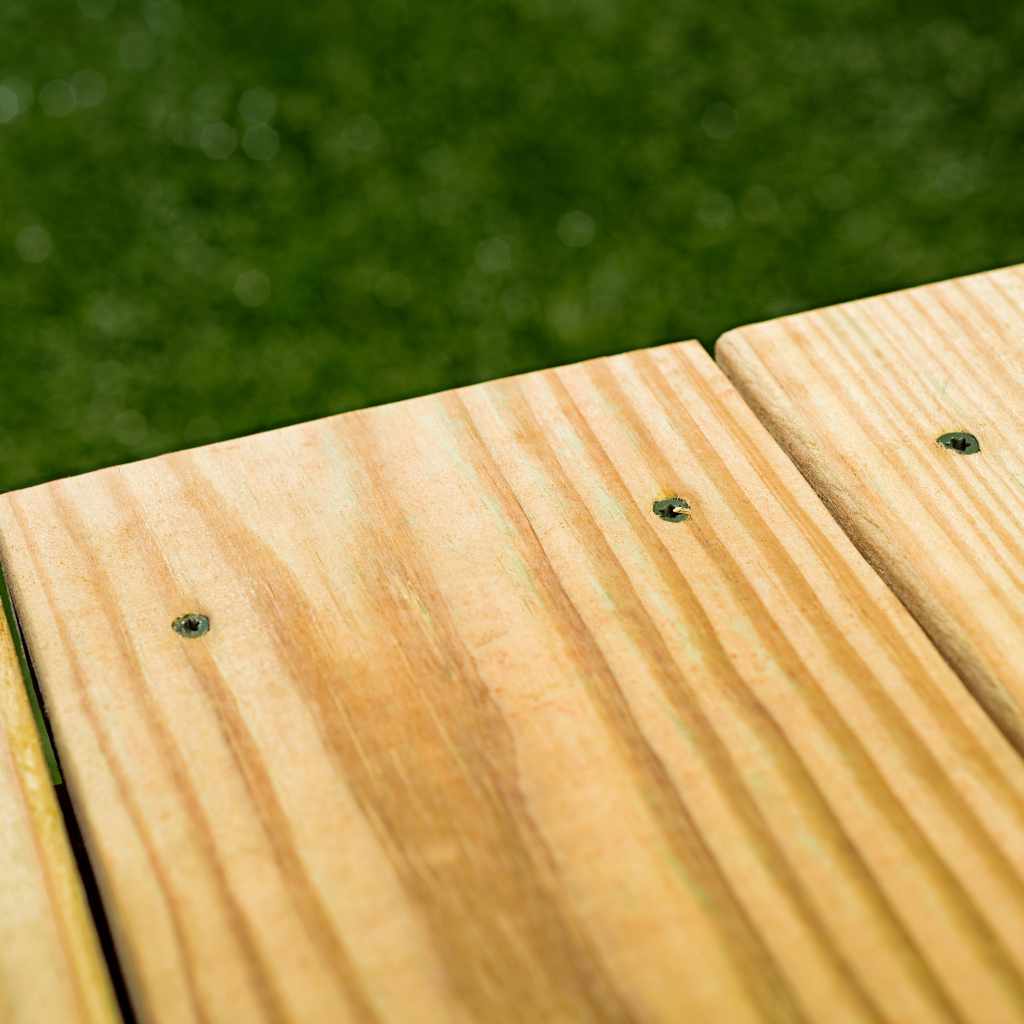
Choosing between cedar tone and pressure treated wood affects your space’s look. Each wood type has unique visual traits. These traits impact how your project fits with your style. Appearance and aesthetics play a big role in your choice. Let’s explore how these woods differ in color, texture, aging, and customization.
Color And Texture Differences
Cedar tone wood has a warm, natural color. It shows rich reds and browns. The texture is smooth with fine grain patterns. Pressure treated wood usually has a greenish or brown tint. It looks more artificial due to chemicals used in treatment. Its texture is rougher and less uniform than cedar tone.
Aging And Weathering Effects
Cedar tone wood ages gracefully over time. It fades to a soft silver-gray color. This change adds character and charm. Pressure treated wood can show signs of weathering differently. It may darken or develop spots. Sometimes it looks less attractive as it ages. Proper maintenance helps both woods keep their beauty.
Customization Options
Cedar tone wood accepts stains and paints easily. It lets you change color without losing texture. Pressure treated wood can also be painted or stained. It may need extra preparation for good results. Cedar tone offers more natural looks. Pressure treated offers durability with some design flexibility.
Maintenance And Upkeep
Maintenance and upkeep are key factors when choosing between cedar tone and pressure-treated wood. Both types require care to last long and look good. Understanding their cleaning, sealing, and repair needs helps in making the right choice.
Cleaning And Sealing Requirements
Cedar tone wood needs regular cleaning to remove dirt and mildew. A mild soap and water solution works well. Sealing cedar protects it from moisture and sun damage. It is best to seal cedar every 1-2 years.
Pressure-treated wood also needs cleaning but less often. Use a stiff brush and water to clean. Sealing pressure-treated wood helps prevent cracking and warping. Seal it every 2-3 years for best results.
Repair And Replacement Frequency
Cedar tone wood may require repairs more often than pressure-treated wood. It can crack or split in dry weather. Small cracks can be fixed with wood filler. Replace boards if they rot or warp badly.
Pressure-treated wood is more durable and needs fewer repairs. It resists rot and insect damage better. Replacement is rarely needed unless there is severe damage.
Impact Of Climate And Environment
In humid climates, cedar tone wood can absorb moisture quickly. This may lead to mold or rot if not sealed well. Dry climates can cause cedar to dry out and crack.
Pressure-treated wood holds up better in wet and humid areas. It is treated to resist moisture and insects. In very dry areas, it can still crack but less than cedar.
Cost Analysis
Cost is a key factor in choosing between cedar tone and pressure treated wood. Understanding the expenses helps you plan your project better. This section breaks down the costs into three parts: initial material costs, installation expenses, and long-term investment considerations.
Initial Material Costs
Cedar tone wood usually costs more than pressure treated wood. The price varies by quality and source. Pressure treated wood is affordable and widely available. It offers a budget-friendly option for many projects. Cedar tone’s natural look comes at a higher price.
Installation Expenses
Installing cedar tone wood can be pricier due to its softness and care needs. It may require special tools or fasteners. Pressure treated wood is easier to work with and installs faster. This lowers labor costs and time spent on the job. Both materials need proper handling for best results.
Long-term Investment Considerations
Cedar tone wood resists rot and insects naturally, reducing repair costs. It may last longer without chemical treatment. Pressure treated wood needs regular maintenance and sealing. This adds to overall expenses over time. Think about durability and upkeep when budgeting your project.
Environmental Impact
Choosing between cedar tone and pressure treated wood affects the environment differently. Understanding their impact helps make better choices for nature. This section discusses the environmental effects of both woods.
Sustainability Of Cedar Wood
Cedar wood grows naturally and can be harvested responsibly. It is biodegradable and breaks down without harming soil. Cedar forests can regrow, making cedar a renewable resource. Using cedar supports sustainable forestry practices. It requires less energy for processing compared to treated wood.
Chemical Treatment In Pressure Treated Lumber
Pressure treated wood contains chemicals to resist insects and decay. These chemicals can leach into soil and water over time. Some preservatives used may harm plants and animals. The treatment process uses more energy and resources. It prolongs wood life but impacts the environment negatively.
Recycling And Disposal
Cedar wood can be composted or burned safely. It returns nutrients to the earth without pollution. Pressure treated wood must be disposed of carefully. Burning treated wood releases toxic fumes. Landfilling treated wood may cause chemical leaks. Recycling options for treated wood are limited and costly.
Safety And Health Factors
Safety and health are important when choosing wood for outdoor projects. Different wood types affect your well-being. Cedar Tone and pressure-treated wood each have unique risks and benefits. Understanding these can help you make a better choice for your home and family.
Chemical Exposure Concerns
Pressure-treated wood contains chemicals to resist rot and insects. These chemicals can be harmful if touched or inhaled. Handling untreated pressure-treated wood needs gloves and masks. It is not safe to burn this wood, as toxic fumes release. Cedar Tone wood does not use harmful chemicals. It is naturally resistant to decay and pests. Cedar Tone is safer for people and pets around your home.
Slip Resistance And Surface Texture
Cedar Tone wood has a smooth yet natural texture. This texture helps reduce slipping when wet. Pressure-treated wood often has a rougher surface with small ridges. Rough surfaces can offer more grip but may cause splinters. Cedar Tone feels softer and is less likely to cause skin irritation. Both woods need cleaning to keep slip resistance over time. Choosing the right surface can prevent falls and injuries outdoors.
Choosing The Right Decking
Choosing the right decking material is important for your outdoor space. It affects the look, feel, and durability of your deck. Cedar Tone and pressure-treated wood are two popular options. Each has unique qualities. Understanding your needs helps you pick the best one.
Lifestyle And Usage Needs
Think about how you will use your deck. Cedar Tone offers a natural look and smooth finish. It works well for relaxing spaces and light use. Pressure-treated wood is tougher and resists insects and rot. It suits busy areas and heavy foot traffic. Your daily activities guide your choice.
Budget Constraints
Cedar Tone usually costs more than pressure-treated wood. It requires less maintenance but has a higher upfront price. Pressure-treated wood is cheaper initially but needs regular care. Consider long-term costs, including repairs and treatments. Balance price with durability and upkeep.
Local Climate Considerations
Weather affects decking materials differently. Cedar Tone performs best in mild climates. It can warp or fade under harsh sun or heavy rain. Pressure-treated wood handles moisture and pests better. It suits wet or humid regions. Know your local weather to choose a lasting deck.
Frequently Asked Questions
What Is The Main Difference Between Cedar Tone And Pressure Treated Wood?
Cedar Tone is naturally resistant to decay and insects, offering a warm aesthetic. Pressure Treated wood is chemically treated for durability and moisture resistance but may lack natural beauty.
Which Wood Lasts Longer, Cedar Tone Or Pressure Treated?
Pressure Treated wood generally lasts longer due to chemical preservatives. Cedar Tone lasts well but may require more maintenance to prevent weathering and damage.
Is Cedar Tone Safer For Outdoor Use Than Pressure Treated?
Cedar Tone is safer as it contains no harmful chemicals. Pressure Treated wood has chemicals that may leach, so proper sealing and handling are important.
How Do Cedar Tone And Pressure Treated Woods Compare In Cost?
Cedar Tone typically costs more due to its natural quality and appearance. Pressure Treated wood is more budget-friendly, making it popular for large outdoor projects.
Conclusion
Choosing between cedar tone and pressure treated wood depends on your project needs. Cedar offers natural beauty and resists decay without chemicals. Pressure treated wood provides strong protection against insects and rot. Both have pros and cons to consider. Think about your budget, appearance, and how long the wood should last.
Each type suits different uses and climates. Understanding these basics helps you make the right choice. Your wood decision will affect your project’s durability and look. Choose wisely for the best results and long-term satisfaction.