Can Cedar Be Used for Flooring? Janka Ratings by Species (2026)
Yes, cedar can be used for flooring, but it is a soft floor: Western red cedar rates just 350 lbf on the Janka scale, against 1,220 lbf for red oak. Aromatic red cedar, at 900 lbf, is the hardest common option. Pick the wrong species or room and dents show fast. This guide compares seven cedars by hardness, matches them to rooms, and covers installation and finishing.
Cedar Flooring: The Short Answer
Best Cedar Floor Finish Pick | |
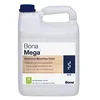 |
Bona Mega Wood Floor Finish, Satin, 1 Gallon A waterborne, one-component floor finish. Because cedar is soft, a floor-rated topcoat is the main thing standing between the boards and dents and scuffs.
|
As an Amazon Associate we earn from qualifying purchases. | |
Cedar works as a floor when three things line up: the species is on the harder end of the cedars, the room sees light traffic, and you accept that the surface will pick up marks. It does not work well as a whole-house floor with pets, kids and dining chairs, because the softest cedars have about a quarter to a third of red oak’s dent resistance.
The word “cedar” also covers very different woods. Several are not true cedars at all, which is why the numbers below vary so much. If you want the botanical detail, our guide to eastern red cedar vs western red cedar covers it.
Cedar Flooring Hardness by Species
Hardness is the number that decides whether a cedar floor is a good idea. The table lists seven cedars with four comparison woods, using Janka side-hardness at 12% moisture content from the Wood Database. The last column is our own arithmetic: each wood’s Janka rating as a share of red oak’s 1,220 lbf.
| Wood | Botanical name | Janka (lbf) | Dried weight (lbs/ft3) | Share of red oak hardness |
|---|---|---|---|---|
| Northern white cedar | Thuja occidentalis | 320 | 22.0 | 26% |
| Western red cedar | Thuja plicata | 350 | 23.0 | 29% |
| Incense cedar | Calocedrus decurrens | 470 | 24 | 39% |
| Alaskan yellow cedar | Cupressus nootkatensis | 580 | 31 | 48% |
| Port Orford cedar | Chamaecyparis lawsoniana | 590 | 29 | 48% |
| Spanish cedar | Cedrela odorata | 600 | 29 | 49% |
| Aromatic red (eastern red) cedar | Juniperus virginiana | 900 | 33 | 74% |
| Eastern white pine (comparison) | n/a | 380 | 25 | 31% |
| Douglas-fir (comparison) | n/a | 620 | 32 | 51% |
| Red oak (comparison) | n/a | 1,220 | 43.8 | 100% |
| Hard maple (comparison) | n/a | 1,450 | 44.0 | 119% |
Three things stand out. First, the cedar range is wide: aromatic red cedar is about 2.6 times harder than Western red cedar (900 vs 350 lbf). Second, the cedars usually sold as lumber in the Pacific Northwest sit between 350 and 590 lbf, in the same softness bracket as Douglas-fir and eastern white pine, both of which are common softwood floors. Third, no cedar reaches oak or maple. Hard maple at 1,450 lbf is over four times harder than Western red cedar.
Weight tells the same story. Western red cedar dries to about 23 lbs per cubic foot, roughly half the 43.8 of red oak. That light weight is why the boards are easy to carry and cut, and also why the surface crushes so easily.
Aromatic Cedar vs Western Red Cedar for Floors
These are the two woods most people mean when they ask about cedar floors, and they behave differently.
Aromatic red cedar is the harder floor, with trade-offs
Aromatic red cedar is the same wood as eastern redcedar. The Wood Database notes that despite the common name it is closer to the junipers than to true cedars, which is why it feels so different from Western red cedar. At 900 lbf it is the toughest cedar here. The catches are supply and appearance: the source notes that large, clear sections are much less common, and boards tend to be knotty and narrow, though smaller knotty boards are available at a modest price. Expect a rustic, busy look with many knots rather than long clear planks. See our page on aromatic cedar wood for identification tips.
Western red cedar is the softest realistic choice
Western red cedar is rated durable to very durable against decay, easy to work, and it glues and finishes well. The same source says it dents and scratches very easily because of its softness, and that it can sand unevenly because the earlywood and latewood zones differ in density. On a floor, uneven sanding shows up as a faintly wavy surface after refinishing.
The aroma trade-off most guides skip
The pleasant smell is the main reason people want cedar underfoot, but it conflicts with protecting the floor. The Wood Database notes that aromatic red cedar is frequently left unfinished in many applications to preserve its aromatic properties. A floor needs a film finish to resist wear, and a film finish will mute the scent from the surface. In practice you choose between a fragrant, unprotected floor that marks easily and a protected floor that smells much less. Do not count on the aroma when you decide.
Where a Cedar Floor Makes Sense
Match the softness to how the room is used. These verdicts are our judgment from the Janka figures above, not lab results.
| Room | Verdict | Why |
|---|---|---|
| Bedroom or guest room | Good fit | Light foot traffic and no dragged furniture, so a soft floor keeps its look |
| Closet, dressing room or study | Good fit | Very low wear, and the wood’s character is the point |
| Living room | Possible with care | Rugs and felt pads are needed under furniture; expect some marks |
| Hallway or entry | Poor fit | Heels, grit and shoes are the hardest wear a floor sees |
| Kitchen | Poor fit | Dropped items and chair scraping dent a wood near 350 lbf |
| Bathroom | Use with caution | Decay resistance helps, but keep the finish intact and wipe up standing water |
| Homes with large dogs | Poor fit | Claws scratch a soft wood quickly |
Cedar Flooring Pros and Cons
What cedar does well
- Decay resistance: the Wood Database rates Western red cedar, Alaskan yellow cedar, incense cedar and Port Orford cedar as durable to very durable, and aromatic red cedar as excellent.
- Easy to work: Western red cedar, Port Orford cedar and aromatic red cedar all cut with hand and machine tools without trouble.
- Light boards: at about 23 lbs/ft3, Western red cedar weighs around half as much as red oak.
- Appearance: warm reddish tones and fine, straight grain in the clearer grades.
What cedar does badly
- Dents and scratches: the softest cedars mark with heels, pet claws and furniture legs.
- Fastener staining: the Wood Database warns that iron-based fasteners can stain and discolor Western red cedar, especially with moisture present. Use stainless steel or coated fasteners.
- Poor screw hold in the softest species: northern white cedar is described as soft and weak with poor screw-holding, so nail or glue it rather than relying on screws.
- Allergy risk: Western red cedar sawdust contains plicatic acid and other compounds linked to a higher rate and severity of allergic reactions than most commercial woods, per the source. Wear a respirator and use dust collection when you sand.
- Cost of clear stock: the source says Alaskan yellow cedar, the cedar it lists for flooring, is limited in supply with high prices, especially for clear knot-free pieces.
How to Install a Cedar Floor
Cedar installs like other softwood flooring, with a few adjustments for how soft it is. This is general practice rather than a manufacturer specification, so follow the instructions supplied with your particular boards.
- Check the subfloor. It should be clean, flat and dry. Over concrete, add the vapor barrier your flooring maker specifies.
- Acclimate the boards in the room for as long as the maker recommends before you fasten anything.
- Use stainless or coated fasteners so the wood does not stain, and set nails or brads below the surface so they do not show.
- Leave an expansion gap at the walls and cover it with baseboard or trim.
- Handle boards gently. A soft board can be dented by a dropped mallet or a knee, so pad your work area.
For layout, moisture and fastener basics that apply to every species, see our wood flooring guide.
Sanding and Finishing Cedar Floors
Because earlywood and latewood differ in density, cedar can sand unevenly, so use a sharp abrasive, keep the sander moving and step through the grits without skipping. Remove all dust before finishing. Cedar sawdust is an irritant, so a dust mask or respirator is not optional.
For the topcoat, a waterborne polyurethane floor finish keeps the color closer to natural, while an oil-based finish generally adds an amber tone. That color difference is general finishing knowledge, so test on an offcut first. Choose a product rated for floors rather than a general furniture finish, and give every coat its full recoat and cure time before you put furniture back. Our article on the best finish for cedar wood covers more options.
Harder Alternatives to Cedar Flooring
If you like the cedar look but need more dent resistance, compare these options. Alaskan yellow cedar (580 lbf) and Port Orford cedar (590 lbf) are about 1.7 times harder than Western red cedar, but both are specialty woods. Douglas-fir at 620 lbf is a common, affordable softwood floor in the same range. For real durability, red oak or maple are in a different class: see our comparison of cedar vs oak, pine vs oak flooring, and the most durable hardwood flooring.
If you only want the smell and pest-repelling reputation, a cedar-lined closet or cedar accent is a far safer use than a full floor. See using cedar indoors for those options.
Frequently Asked Questions
How long do cedar floors last?
No reliable lifespan figure exists for cedar floors, and the numbers you see online are rarely sourced. Cedar’s decay resistance is rated durable to very durable, so rot is not what ends a cedar floor. Wear does: dents and scratches in a soft wood build up, and a floor can be sanded and refinished only a limited number of times.
Is cedar too soft for flooring?
Western red cedar is soft for flooring. It rates 350 lbf on the Janka scale, roughly 71% below red oak at 1,220 lbf. Aromatic red cedar at 900 lbf is about 26% below red oak and is the hardest of the common cedars, which makes it the most practical cedar for a floor.
Can you use cedar flooring in a bathroom or kitchen?
It is possible but not ideal. Cedar resists decay, so moisture rots it slowly, but kitchens add dropped pans, chair scraping and heel traffic that a 350 lbf wood will show quickly. A low-traffic bathroom is a better fit than a kitchen if you accept the dents and keep the finish sealed.
Is aromatic cedar good for flooring?
Aromatic red cedar (Juniperus virginiana) is harder than Western red cedar at 900 lbf, but boards are typically knotty and narrow. Leaving it unfinished preserves the scent, yet a film finish is what protects a floor, so you have to choose between the aroma and the protection.
How do you finish cedar flooring?
Sand through the grits to an even surface, remove all dust, then apply a floor-rated finish. A waterborne polyurethane keeps the wood’s color closer to natural, and a floor-grade product handles traffic better than a general wood finish. Follow the label for coats and cure time before moving furniture back.
Conclusion
Cedar can be a floor, but only a considered one. Choose aromatic red cedar if you want the hardest option, or Western red cedar if you accept a soft, marks-easily surface in a bedroom or closet. Compare the Janka numbers before you buy, use stainless fasteners, wear a respirator when sanding, and seal it with a floor-rated finish.
Sponsored / affiliate links. As an Amazon Associate I earn from qualifying purchases. I may earn additional commission from eligible campaigns.