Cedar vs Pressure Treated Wood Fence: Cost & Lifespan Compared
Quick answer: choose pressure-treated (PT) pine if budget and ground-contact strength matter most – it costs 20-40% less and is engineered specifically for soil contact. Choose cedar if you want a naturally insect-resistant, better-looking fence above ground and don’t mind paying more upfront. Below are the real per-foot costs, lifespan numbers, and maintenance schedules so you can decide with actual data instead of a lumber-yard sales pitch.
I’m Md Meraj, and I’ve priced out both materials more times than I can count for readers planning a first fence build. The honest truth is neither wood is “better” in every category – they trade off in exactly opposite ways. Cedar wins on looks and low-effort maintenance above ground; PT wins on price and ground-contact durability. Let’s get into the actual numbers.
Cedar vs Pressure-Treated Wood Fence: The Quick Answer
Best Sealer For Either Wood
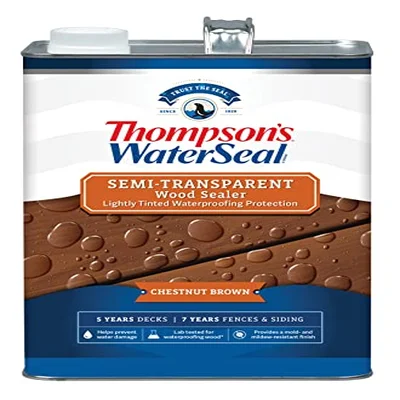 |
Thompson’s WaterSeal Semi-Transparent Wood Stain – $28.98 Whichever wood you pick, both need UV/water protection – this seals cedar or PT pine and is rated for 7 years on fences.
|
Pressure-treated (PT) wood is usually Southern Yellow Pine that’s had a liquid preservative forced deep into its fibers under high pressure. Older treatments used chromated copper arsenate (CCA); nearly all residential PT lumber sold today uses micronized copper azole (MCA) or alkaline copper quat (ACQ) instead, both approved for ground contact by the EPA (Source: U.S. Forest Products Laboratory). That treatment is what lets PT posts survive years buried in wet soil that would rot untreated wood.
Cedar, almost always Western Red Cedar for fencing, isn’t chemically treated at all. Its natural oils (thujaplicins) are mildly fungicidal and insect-repellent on their own, which is why cedar fences resist rot and bugs above ground without any coating. Below ground, though, cedar has no chemical advantage over any other untreated softwood – it still needs a sleeve, concrete footing, or PT post to handle the buried section.
Real Cost Per Linear Foot: What You’ll Actually Pay
Most articles just say “cedar costs more” without a number. Here’s what a standard 6-foot privacy fence actually runs installed, as of 2026:
| Material | Installed Cost (Per Linear Foot) | Material-Only Share |
|---|---|---|
| Pressure Treated Pine | $18 – $38/ft (commonly ~$25/ft) | Roughly half of the installed price |
| Cedar | $25 – $55/ft (20–40% more than PT) | $12 – $18/ft in materials alone |
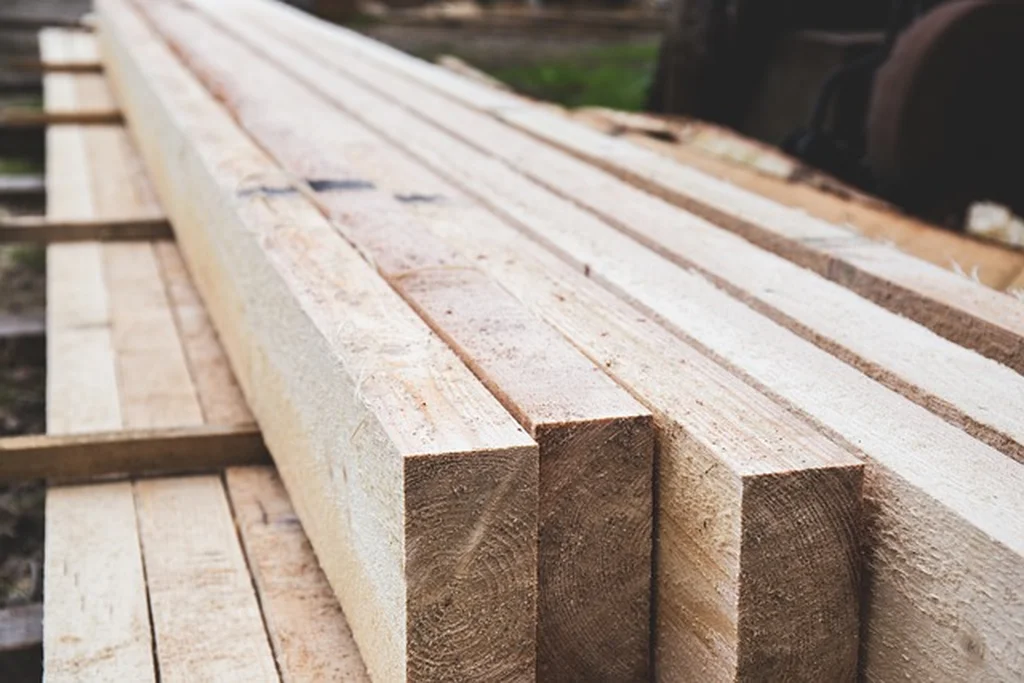
The price gap isn’t really about difficulty – it’s supply. PT pine comes from fast-growing plantation pine bred specifically for treatment. Cedar has to be harvested at greater maturity and can’t be farmed nearly as densely, so raw material cost stays consistently higher regardless of where you buy it. One real add-on cost people forget: PT lumber needs hot-dip galvanized or stainless fasteners (standard steel screws corrode fast against the copper preservative), which adds a small but real amount to the PT total that rarely shows up in “PT is cheaper” headlines.
Lifespan and Maintenance Schedule
Cost upfront is only half the decision – how long the fence lasts, and how much work it takes to keep it looking good, matters just as much.
| Material | Above-Ground Lifespan | Ground-Contact Post Lifespan |
|---|---|---|
| Pressure Treated (PT) | 20 – 40 years | 15 – 25+ years (properly installed) |
| Cedar (untreated) | 15 – 20 years | 5 – 10 years – should not go directly in soil without a sleeve |
Even for a PT fence, don’t bury posts directly if you can avoid it – setting posts in concrete-filled ground sleeves that lift the wood 4-6 inches above soil dramatically extends life for either material, since prolonged wood-to-soil contact is what actually drives rot, not the species (U.S. Forest Service research consistently backs this).
Cedar Maintenance
Left unsealed, cedar weathers to a silvery-gray with no structural harm – a fine, low-effort outcome for many homeowners. To keep the reddish-brown color, reseal every 3-5 years with a UV-blocking stain. Cedar accepts stain easily and evenly since it isn’t already saturated with a chemical preservative.
Pressure-Treated Maintenance
PT needs sealing more often – expect a fresh coat every 1-2 years if you want a consistent look, because the copper preservative fights fungus but does nothing against UV, so the surface grays and roughens faster than sealed cedar does. Skipping resealing for several years is the single biggest reason PT pickets split and splinter early.
Appearance, Weight, and How Each One Ages
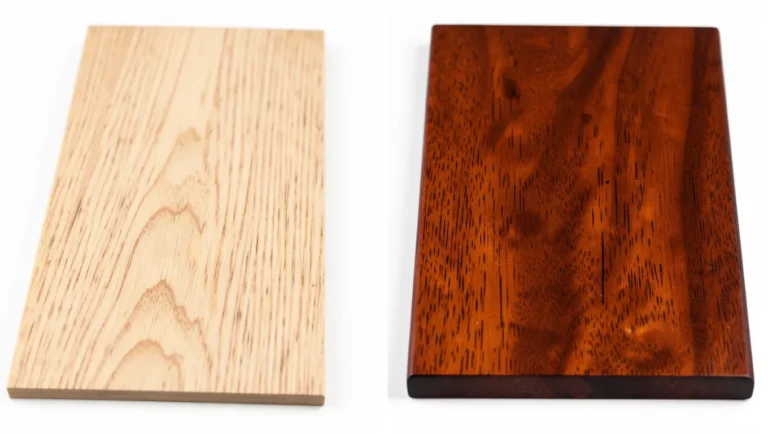
- Color out of the box: Cedar has a warm reddish-tan tone and straighter, smoother grain. PT starts with a slight green or yellow cast from the treatment chemical and often has rougher, wanier boards on lower grades.
- Weight and handling: Cedar is noticeably lighter, which matters if you’re setting panels solo or in wind. PT pine is denser and heavier to carry and hold in place while fastening.
- Warping: PT boards often cup or twist as they dry out after treatment – plan to fasten them down early and tight. Cedar holds its milled shape more reliably over time unless it takes on heavy, sustained moisture.
- Grade matters more than species: A high grade of either wood (clear/select cedar, or KDAT-stamped PT) will outperform a low grade of the other material in almost every category except the two each is fundamentally weak at – so don’t buy the cheapest boards of whichever you pick.
Safety and Environmental Notes
Modern residential PT lumber (MCA/ACQ) is considered safe for standard handling by current EPA guidance – wear a dust mask and gloves when cutting, same as with any wood. The real handling difference is disposal: treated offcuts shouldn’t be burned and should go out with regular waste per your local municipality’s rules, not a burn pile or garden mulch. Cedar produces no such restriction – offcuts and sawdust are safe to compost or burn normally.
For both materials, keeping the wood off direct soil contact with a concrete footing or metal post base does double duty: it extends lifespan and minimizes any chemical leaching concern near garden beds, which matters more to people planning to fence in an area near edible plants.
Which One Should You Build?
Choose Pressure Treated If:
- You need the lowest total installed price.
- Your yard has high ground moisture or heavy termite/insect pressure.
- You’re fine resealing every 1-2 years for the appearance you want.
Choose Cedar If:
- Appearance and low chemical exposure matter more to you than upfront price.
- You’re okay with a smaller maintenance window (every 3-5 years) or letting it weather to gray for free.
- You’ll protect the buried post sections separately (sleeve, PT post, or metal base) instead of relying on cedar alone in the ground.
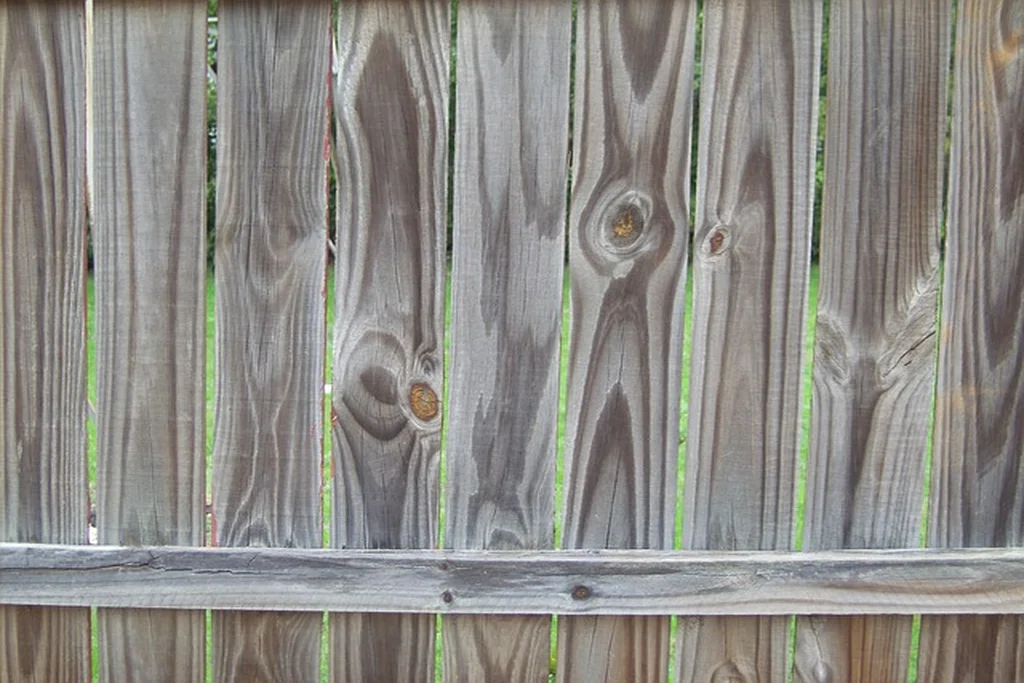
If your budget can stretch to cedar and you don’t mind the occasional resealing, it’s genuinely hard to beat for a fence people actually see every day. If you’re fencing a large yard on a tight budget, or dealing with damp, bug-heavy ground, pressure-treated is the more defensible pick – just commit to keeping it sealed so it doesn’t look neglected by year three.
Frequently Asked Questions
Can I paint or stain pressure-treated wood right after installing it?
No – wait until the wood has dried out, usually several weeks to a few months depending on climate and how wet the lumber was at purchase. Fresh PT is often still saturated with moisture from the treatment process; sealing or painting too soon traps that moisture and causes peeling as the wood dries out underneath. A quick test: if the surface has turned from dark green to a lighter tan/gray, it’s usually ready.
Does either wood naturally keep animals out?
Only marginally, and only against insects. Cedar’s oils make it a less attractive target for boring or burrowing pests than bare softwood, but neither material stops a determined dog from digging under or a squirrel from climbing over. If wildlife is the real concern, that’s a design and footing problem (buried mesh skirts, tight board spacing) more than a wood-species problem.
Why does cedar cost so much more depending on where I buy it?
Cedar pricing swings more than PT because it depends heavily on regional harvest proximity and board grade – clear, knot-free cedar costs noticeably more than knotty/utility grade. Specialty lumber yards that grade cedar carefully are usually a better value than big-box stores for a visible picket fence, even if the sticker price looks similar at first glance.
Should I still seal the bottom of a cedar fence even if I leave the rest natural?
Yes. The bottom 6-12 inches of any fence board – cedar included – sits closest to splash-back moisture and lawn irrigation, so it rots first regardless of species. A separate, heavier waterproof sealant on just that lower section (even if you leave the rest of the fence to weather naturally) meaningfully extends the life of the boards.
Can I stain pressure-treated wood to look like cedar?
Yes, a semi-transparent reddish-brown exterior stain applied after the wood has fully dried can get PT reasonably close to cedar’s look. It won’t match the grain pattern exactly, but it hides the greenish treatment tint effectively. Use a stain rated for PT specifically – the residual alkalinity from some treatments can cause premature peeling with the wrong product.
Does it matter if my posts sit on concrete piers instead of being buried in soil?
It closes most of the gap between the two woods. If posts rest on above-grade metal post bases rather than being sunk into soil, cedar’s ground-contact weakness mostly disappears, since neither material is actually touching wet earth. PT is still the stronger choice for buried, load-bearing posts on taller or heavier fence sections, but for post-base-mounted designs the choice comes down mostly to looks and budget again.
Both cedar and pressure-treated can build a fence you’re happy with for decades – the “right” choice really is just about which trade-off fits your yard, your climate, and how much maintenance you’re honestly willing to keep up with. Measure your run, get quotes on both, and factor the real numbers above into your decision instead of going on looks or price alone.
Sponsored / affiliate links. As an Amazon Associate I earn from qualifying purchases. I may earn additional commission from eligible campaigns.