How Much Does Cedar Fencing Cost Per Foot?
Cedar fencing usually costs about $25 to $55 per linear foot installed. Privacy styles, 6-foot height, and clearer-grade boards push totals higher. Miss the line items and your quote can jump hundreds of dollars after posts, gates, demolition, and permit fees appear. This guide breaks down cedar fence pricing by style, height, board grade, and the hidden charges that shape your per-foot budget.
Cedar fence quote table
Use the table below to compare the same scope. The biggest trap is mixing a plain 6-foot fence quote with a taller privacy build, upgraded posts, or a line item for tear-out. Those are not the same project, even when the per-foot number looks close.
| Build type | Materials | Posts | Concrete | Hardware | Labor | Add-ons | Typical installed total per foot |
|---|---|---|---|---|---|---|---|
| 6-foot cedar privacy, basic scope | $8–$14 | $5–$9 | $2–$4 | $1–$3 | $9–$20 | $0–$6 | $25–$55 |
| 8-foot cedar privacy, basic scope | $10–$18 | $6–$11 | $3–$5 | $1–$3 | $12–$28 | $0–$8 | $32–$74 |
The table is a budgeting model, not a universal bid sheet. It separates common cost buckets so you can see where labor, posts, and add-ons move the total.
What the table includes and excludes
The table assumes standard straight runs and normal access. It does not include a walk gate, a double drive gate, permit fees, demolition, stain, or special footing work for steep or rocky ground.
Materials-only pricing can sit far below installed pricing because labor, layout, digging, and cleanup often make up a large share of the bill. If a quote skips those items, it is not a full install quote.
How much does cedar fencing cost per foot?
For a broad installed range, cedar fencing often lands between $25 and $55 per linear foot, with style and height pushing it toward the high end. Picket and split-rail sit lower, while privacy patterns, taller fences, and cleaner board grades cost more. In some cities, labor alone can add several dollars per foot to the same design.
Why the same fence can price out differently
Two bids can both be “cedar fence” quotes and still be apples and oranges. One may include pressure-treated posts and no stain, while the other may include cedar posts, haul-off, and a permit allowance. That is why the per-foot number alone does not tell you much.
Say your 120-foot backyard fence comes in at $29 per foot and another quote comes in at $37. The lower bid may leave out gate hardware, old fence removal, or a taller post spec, which means the final total can end up higher after change orders.
When a low bid is missing scope
A low quote often leaves out one or more of these items: post concrete, gate hardware, cleanup, demo, stain, permit support, or steep-lot labor. Ask the contractor to state whether the price includes all line items for the same fence height, board pattern, and post type.
Which fence style changes the price most?

Style changes cost because it changes how much board stock, framing, and labor you need for each foot. Split-rail is usually the least expensive. Horizontal slat and taller privacy fences land higher because they use more material and more time to set, align, and fasten.
Split-rail and picket pricing
Picket USA lists split rail at $15–$25 per foot installed and 4-foot picket fencing at $22–$35 per foot installed. Picket fencing usually needs more board work than split rail, but it still costs less than full privacy builds.
Cedar Park Fence & Deck lists split-rail at $14–$22 per foot, which sits in the same low-cost band. That kind of spread is normal when labor, region, and post spec change.
Dog-ear privacy and board-on-board pricing
The same source lists dog-ear privacy fencing at $28–$42 per foot installed and board-on-board privacy fencing at $38–$52 per foot installed. Wood Wonders lists cedar, side-by-side at $25–$35 per linear foot in DFW, while cedar board-on-board with top cap and trim costs $45–$60 per linear foot. More overlap, more trim, and tighter spacing all add cost.
Horizontal slat and 8-foot privacy surcharge
The same source lists horizontal slat fencing at $40–$65 per foot installed. It also says 8-foot privacy fencing adds 25–35%. That surcharge is driven by more lumber, deeper posts, and more wind load, which can require stronger framing and more labor.
Height changes the project fast. A 6-foot fence is the common baseline for privacy, but 8-foot versions need taller posts and often more concrete, which raises both material and labor costs per foot.
What drives cedar grade and post costs
Cedar grade matters because board quality changes appearance and waste. Post choice matters because the post is the structure that keeps the fence standing. If a bid mixes a premium board package with the cheapest post option, the quote may look good but age poorly.
Standard or common-grade cedar usually has more knots, more color variation, and more visual defects than premium appearance grades. Knotty cedar is often less expensive, but the boards can show more character and may require more sorting to keep the face of the fence consistent.
Premium-grade cedar generally costs more because the boards are selected for cleaner faces and a more uniform look. That price premium is worth asking about when the fence faces a street or patio.
Pressure-treated, cedar, and steel posts
Pressure-treated wood posts are common and often the lowest-cost option. Cedar posts cost more, but they can better match the fence visually. Steel posts usually cost the most up front, yet they can improve ground-contact durability and reduce rot risk where the post is the first failure point.
Post choice changes lifetime cost per foot, not just the day-one quote. A cheaper post can rot sooner in wet soil, which means earlier repair or replacement. That is real cost, even if it does not show up in the first invoice.
How much does cedar fencing cost installed versus materials only?
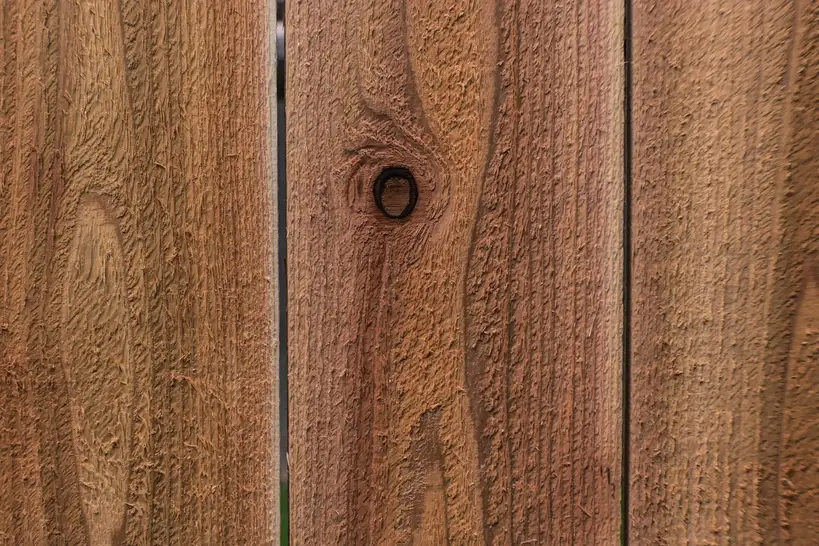
Materials-only pricing can look low because it excludes digging, setting posts, fastening, layout, and cleanup. Installed pricing is the number most homeowners need, because that is what gets the fence built from start to finish. Labor is often the largest swing factor between bids.
Materials-only pricing versus installed pricing
A materials-only number may cover boards, posts, concrete, and hardware, but not the crew time to set lines, dig holes, and assemble the fence. Once labor is added, the per-foot total can rise sharply. That is why installed pricing is the better comparison point.
For a true comparison, ask each bidder to price the same height, same post type, same board pattern, same gate count, and same cleanup scope. Otherwise the lowest number may only be the smallest scope.
What the quote comparison should show
| Apples-to-apples check | What to confirm |
|---|---|
| Fence height | 6 feet or 8 feet, stated in writing |
| Board pattern | Split-rail, picket, dog-ear privacy, board-on-board, or horizontal slat |
| Cedar grade | Standard/common-grade, knotty cedar, or premium appearance grade |
| Post material | Pressure-treated wood, cedar, or steel posts |
| Footing | Concrete included, and at what depth |
| Gate count | Walk gate and double drive gate priced separately |
| Removal | Tear-out, haul-off, and disposal included or not |
| Permits | Permit fees and inspection support listed |
| Site conditions | Slope, roots, rocky soil, and access limits included |
| Finish | Stain or seal included, excluded, or scheduled later |
What extra costs are usually missing?
Gates, permits, removal, and finish work are the line items most often left out of a simple per-foot quote. Those items can change the total fast because they are priced separately from straight fence runs. A bid that omits them is incomplete, not cheaper.
Walk gates and double drive gates
Walk gates cost more than a standard fence panel because they need framing, hinges, latches, and careful alignment. Double drive gates cost even more because the hardware is more complex and the opening usually needs stronger posts and extra bracing. Gates are quoted separately from linear footage for a reason.
Permits, inspections, and local fees
Some local building departments require permits or inspections for fence height, setback, or property-line placement. Fees vary by city and county, and the contractor may or may not include them. Ask who pulls the permit and whether inspection scheduling is part of the bid.
Old fence removal, haul-off, and disposal
Removal is often charged as a per-foot add-on because demolition, loading, dump fees, and cleanup take time. A replacement project can therefore cost more than a new install on a bare lot, even if the fence length stays the same.
A common first-timer mistake is comparing a new-build price to a replacement quote without removing the demo cost. That can make one bid appear inflated when it only includes more work.
How site conditions change labor pricing
Flat, open access keeps labor lower. Slopes, roots, rocks, and tight access slow digging and layout, so the installer spends more time per foot. That extra time shows up as a surcharge or a higher base rate.
Sloped yards and layout changes
Sloped ground can require stepped panels, custom cuts, or more careful post setting to keep the fence line clean. Those adjustments take longer than a level run and can add labor cost per foot. The steeper the yard, the more likely the quote needs a site-specific adjustment.
Tree roots, rocky soil, and digging limits
Tree roots and rocky soil make hole digging slower and can force hand work where augers would normally be used. That raises labor time and can also affect footing depth. If the contractor sees subsurface obstacles, the bid should note the surcharge instead of hiding it in a vague lump sum.
Access limits and contractor setup time
Narrow side yards, backyard access through the house, or long carries for materials can increase setup time. Even if the fence length is the same, hauling boards and posts by hand takes longer than driving up close to the line.
How much does cedar fencing cost by region?
Regional labor rates matter as much as material rates. West Coast and Northeast bids often run higher, while South and Southeast pricing tends to sit closer to the middle. The same cedar design can shift because labor, hauling, and permit costs are local.
West Coast and Northeast pricing
In higher-cost labor markets, the installed price often moves above the national middle, especially for privacy fences and taller builds. Picket USA’s national installed range of $25–$55 per foot gives a useful starting point, but many coastal bids land near the upper half of that band.
South and Southeast midpoints
South and Southeast pricing often sits nearer the middle, especially for standard privacy fences on level ground. South Sound Fencing lists standard cedar privacy fence costs at $30–$55 per linear foot installed in Tacoma, while Cedar Park Fence & Deck lists cedar fence installed pricing from $14 to $45 per foot in Cedar Park metro. Local labor and site conditions explain part of that gap.
How local labor rates affect bids
A contractor’s crew cost, insurance, haul distance, and permit handling all feed into the per-foot number. That is why one city may quote a fence at the low end of the national range while another city prices the same fence much higher. Compare bids within the same market whenever possible.
Frequently asked questions
How much should a cedar fence cost per foot?
A typical installed cedar fence falls around $25 to $55 per linear foot. Split-rail sits lower, while privacy styles, taller fences, premium boards, and harder site conditions push the number up. Gates, permits, and removal are usually separate and can change the final total.
How much does a 6 foot cedar fence cost per foot?
A 6-foot cedar fence often lands in the middle of the overall installed range because it is the common privacy baseline. For many projects, the price is driven more by board pattern, post type, and site conditions than by the height alone. Ask for a 6-foot line item in writing.
How much does a cedar fence cost per linear foot?
Per linear foot is the standard way to compare cedar fence bids, but it only works when the scope is the same. Installed cedar pricing can range widely by style and region. The safest comparison is the same height, same grade, same post material, and same add-ons.
How much does an 8 foot cedar fence cost?
An 8-foot cedar fence usually costs more than a 6-foot fence because it needs more lumber, taller posts, and more labor. The same source says 8-foot privacy fencing adds 25–35%. That increase can be even higher if the yard is sloped or the soil is difficult to dig.
What affects cedar fence cost per foot the most?
The biggest cost drivers are fence style, height, post choice, and labor conditions. Board pattern and grade change the material bill, while slope, roots, rocks, and access change labor time. Gates and removal can also swing the final cost by a large amount.
Is cedar more expensive than pine for fencing?
Yes, cedar usually costs more than pine for fencing because cedar is chosen for better appearance and natural durability. Pine can be cheaper up front, but cedar often wins on appearance and maintenance expectations. The better comparison is not just first cost, but replacement risk over time.
Sponsored / affiliate links. As an Amazon Associate I earn from qualifying purchases. I may earn additional commission from eligible campaigns.