Cedar vs Pine: Which Should You Choose
Cedar resists rot and insects on its own, thanks to natural extractives in the heartwood — pine does not, and needs pressure treatment or a maintained sealer to survive outdoors. Untreated pine left exposed to weather typically fails within 2 to 4 years, while cedar routinely lasts 15 to 25 years with little upkeep. Pine costs roughly a third to a half of what cedar costs per board foot. This guide covers real cost numbers, which projects fit each wood, and the fastener choice that prevents corrosion when the two are used together.

Cedar Wood vs Pine: Core Differences
Best Fastener Pick for Cedar & Treated Pine
 |
304 Stainless Steel Deck Screws, #10 x 2-1/2″ (500 pk) – $56.99 304 stainless resists the galvanic corrosion that eats plain steel or coated screws when driven into ACQ-treated pine, and won’t react with cedar’s natural tannins either — one fastener that works safely in both woods.
|
As an Amazon Associate we earn from qualifying purchases.
Cedar and pine are both softwoods, and both are easy to cut and shape by hand — the real difference is what happens once the wood gets wet. Western red cedar heartwood contains natural extractives (thujaplicins and plicatic acid) that make it toxic to decay fungi and many wood-boring insects. Pine has no equivalent built-in protection, so any pine used outdoors either needs pressure treatment at the mill or a maintained film-forming sealer to keep water out.
📊 The USDA Forest Products Laboratory rates western redcedar heartwood as “resistant to very resistant” to decay — one of the few North American species to earn that rating without any chemical treatment. — Source: USDA Forest Products Laboratory, Thuja plicata Technical Sheet
| Characteristic | Cedar (Western Red) | Pine (Untreated) |
|---|---|---|
| Rot/insect resistance | Natural, built into the heartwood | None — requires treatment outdoors |
| Weight | Lighter than most pine grades | Moderate, varies by species |
| Workability | Cuts easily, splits less at fastener points | Easy to cut, but knots can chip a dull blade |
| Outdoor lifespan untreated | 15–25+ years | 2–4 years before decay sets in |
Cedar and Pine Types Used in DIY Projects
Not every board sold as “cedar” or “pine” performs the same. The species and grade matter as much as the wood family.
- Western Red Cedar: The standard for outdoor cedar — siding, fences, raised beds, and outdoor furniture. Naturally decay-resistant heartwood.
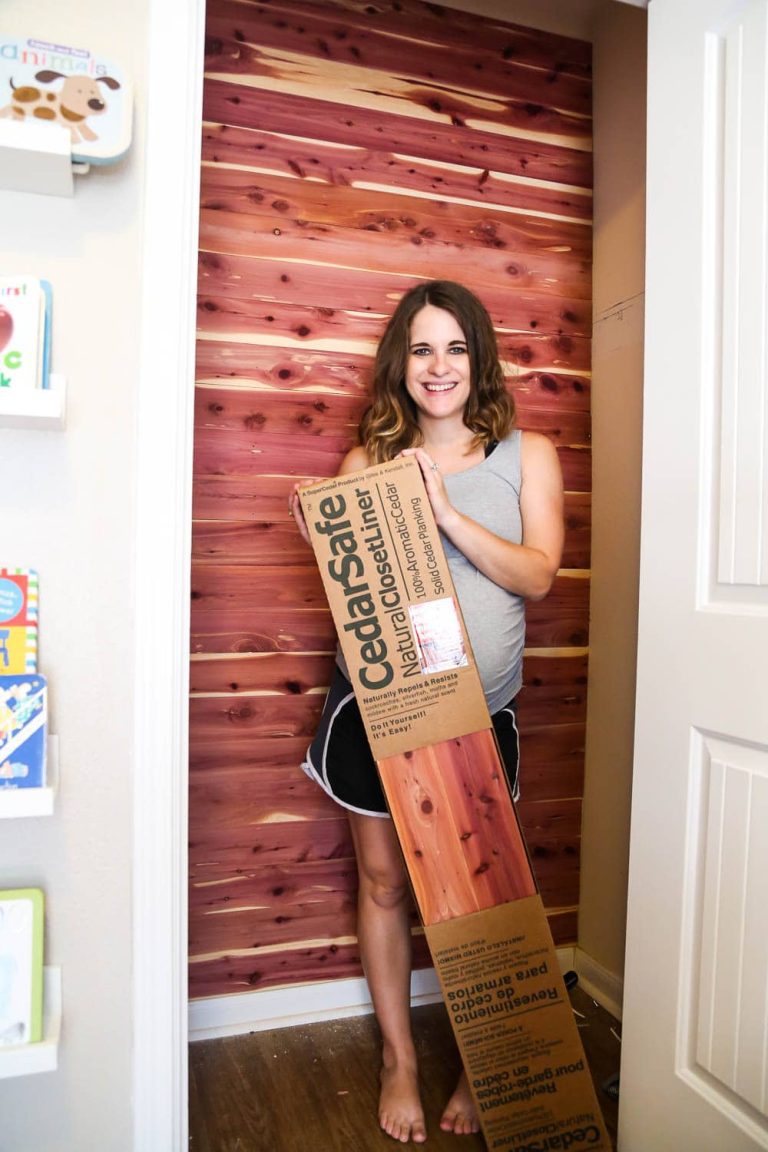
- Aromatic Red Cedar: Sold for closet lining and chests for its scent, not for outdoor durability — it does not carry the same rot resistance as Western Red Cedar. Don’t substitute it outdoors.
- SPF (Spruce-Pine-Fir): Standard dimensional lumber for framing (2x4s, studs). Cheap, indoor use only unless treated.
- Southern Yellow Pine (SYP): Denser than SPF and the species most often pressure-treated for decking and ground-contact use, since its open grain accepts preservative chemicals well.
If a board is labeled “pressure treated,” check the tag for the retention level and intended use (above-ground vs. ground contact) — ground-contact-rated lumber carries a heavier chemical load and costs more, but it’s the only grade rated for posts set directly in soil or concrete.
Cedar vs Pine Cost Comparison
Western red cedar typically runs $1.50 to $3.50 per board foot, roughly two to four times the cost of pressure-treated pine at the same dimension. That premium buys decades of maintenance you won’t have to do — pine needs a new coat of sealer or stain every 1 to 3 years outdoors, while cedar can go a decade or more between refinishing if it’s only cosmetic touch-up you’re after.
| Cost Factor | Cedar (Untreated) | Pine (PT for Exterior) |
|---|---|---|
| Material cost per board foot | $1.50–$3.50 | 30–50% less than cedar |
| Resealing interval outdoors | Rarely required for protection, cosmetic only | Every 1–3 years |
| Realistic outdoor lifespan | 15–25+ years | 25–40 years, but only if resealing is kept up |
Pressure-treated pine actually matches cedar’s long-term lifespan on paper — but that number assumes the sealing schedule never gets skipped for a decade. Cedar’s advantage isn’t lifespan, it’s that its durability doesn’t depend on you remembering to reseal it.
Working With Cedar and Pine: What Beginners Notice
Cedar cuts easily with basic hand saws or a jigsaw, and its cells are soft enough that it rarely splits at fastener points the way denser woods do. The tradeoff is that cedar sands and dents easily — going past 150-grit sandpaper tends to blur the grain instead of smoothing it, and a heavy clamp can crush the surface fibers near an edge.
Pine is denser at its knots than in the surrounding grain, so a blade can grab or chip when it hits one — slow down and, where possible, cut so the blade meets the knot perpendicular to the grain rather than along it. Pine also takes stain unevenly around knots because the resin-heavy wood there absorbs color differently than the surrounding fibers, producing dark blotches. A pre-stain conditioner or sanding sealer applied before staining fixes this.

Which Wood for Which Project
The decision comes down to one question: will this project sit outdoors exposed to rain and soil contact, or stay dry indoors or under cover?
- Choose cedar for: decking and planters, raised garden beds (safe near edible plants with no added chemicals), fence pickets, exterior siding/shiplap, and sauna paneling.
- Choose pine for: interior stud framing, indoor shelving and furniture, paint-grade trim, and anywhere protected from weather where cost matters more than natural rot resistance.
- Choose pressure-treated pine for: deck framing, posts, and any structural outdoor connection where cedar’s cost isn’t justified by the load-bearing role — check the tag for ground-contact vs. above-ground rating before buying.
For a raised vegetable garden specifically: untreated cedar is the safer default. Older CCA-treated lumber is no longer sold for residential use, and while current ACQ-treated pine is considered low-risk by EPA guidance, some gardeners still prefer to line ACQ-treated beds with plastic sheeting as an extra barrier, or skip treated wood near edibles entirely and use cedar instead.
Dust and Fastener Safety
Cedar dust is a stronger irritant than pine dust for most people — sanding indoors without ventilation commonly causes eye and airway irritation within minutes, even at low dust volumes. Wear at minimum an N95 mask when sanding cedar, and add eye protection if you’re running a belt sander. Pine dust is less irritating to breathe but burns readily; keep sawdust cleared from around motors and any heat source in an enclosed shop.
When cedar and treated pine are fastened together — a cedar deck board over pressure-treated pine joists, for example — use stainless steel fasteners. Plain or galvanized steel can corrode faster in contact with both cedar’s natural tannic acid and copper-based pine treatments (ACQ), and a corroded fastener head is one of the more common causes of a deck board coming loose years before the wood itself fails.
How fast will untreated pine fail if used outdoors?
Untreated pine exposed to rain and soil contact typically shows soft, decaying spots within 2 to 4 years, depending on local humidity. Cedar in the same conditions commonly lasts 15 to 25 years before structural repair is needed, thanks to its natural decay-resistant heartwood extractives.
Can cedar and pressure-treated pine be used together on the same structure?
Yes — this is common on decks, where treated pine framing supports cedar decking boards. Use stainless steel fasteners at the connection points; galvanized or plain steel can corrode faster than normal in contact with both cedar’s tannins and the copper compounds in ACQ-treated pine.
Is cedar too soft for shelving that holds heavy tools?
Cedar can sag or “creep” under sustained heavy loads across a wide unsupported span more than denser woods will. For shelving meant to hold heavy tools or paint cans, add a support cleat or bracket every 24 inches, or use a stronger structural-grade pine or plywood instead of cedar for that specific application.
Why does pine look blotchy after staining?
Pine’s resin-heavy areas around knots absorb oil-based stain faster than the surrounding grain, creating dark, uneven blotches. Applying a pre-stain wood conditioner or a thinned sanding sealer coat before staining evens out absorption and prevents this.
Which wood splinters less when cut?
Cedar tends to shred into finer, less sharp dust and fibers when cut or sanded, while pine’s denser knot areas can chip or splinter more sharply if a blade catches one. Both still require care and eye protection near cut edges regardless of species.
Conclusion
Choose cedar when a project will face weather and you don’t want to think about resealing it for a decade; choose pine when the project stays dry indoors or when a maintained sealing schedule on treated pine is genuinely part of your plan. Either way, use stainless steel fasteners at any connection where cedar meets treated pine, and always wear at least an N95 mask when sanding cedar indoors.
Sponsored / affiliate links. As an Amazon Associate I earn from qualifying purchases. I may earn additional commission from eligible campaigns.