Chestnut Vs Walnut Color: Essential, Proven Guide
Chestnut vs walnut color is a common puzzle for beginners! Walnut generally offers richer, darker chocolate-browns with deep purple undertones, while chestnut wood typically displays warmer, reddish-brown or golden-tan hues. This guide breaks down the visual, durability, and usage differences to help you choose perfectly for your next project.
Welcome to the workshop! Choosing the right wood color is one of the biggest decisions you’ll make, especially when you want that perfect finish. Are you aiming for a deep, moody look or a warm, inviting glow? It’s easy to mix up chestnut and walnut wood just by looking at a small sample. Don’t worry, making the right choice is simpler than you think. As your guide, I will walk you through the real differences in color, grain, and appearance.
By the end of our chat, you will know exactly how to spot the difference between these two beautiful hardwoods, ensuring your next cabinet, table, or shelf turns out exactly how you pictured it. Let’s stop guessing and start crafting with confidence!
Why Wood Color Matters: More Than Just Looks
When we talk about wood color, it’s not just about aesthetics; it impacts how light reflects in your room, how well a stain takes, and even how durable the piece feels. Both Chestnut (often referring to American Chestnut, though rare today, or European/Asiatic species) and Walnut (primarily Black Walnut in North America) are fantastic hardwoods, but they bring very different personalities to a project.
Understanding the subtle shifts in tone—from the deep, creamy sapwood to the dark heartwood—is crucial. Get it wrong, and your finished piece might look muddy or too light compared to your expectations. Let’s dive into the core visual separation between chestnut vs walnut color.
Here is what we will cover to become color experts:
- The true heartwood color of each species.
- How the grain pattern sets them apart.
- How aging and finishing affect the final look.
- Practical tips for selection in the lumberyard.
Peeking Under the Microscope: Chestnut vs Walnut Color Comparison
To truly understand the difference in chestnut vs walnut color, we need to look beyond just the dominant heartwood shade. We must consider the sapwood, the grain structure, and how these species age over time.
Walnut: The Rich, Deep Chocolate Standard
Black Walnut (Juglans nigra) is famous for its deep, luxurious color, making it a favorite among furniture makers and woodturners alike. It screams quality.
Heartwood Color Profile
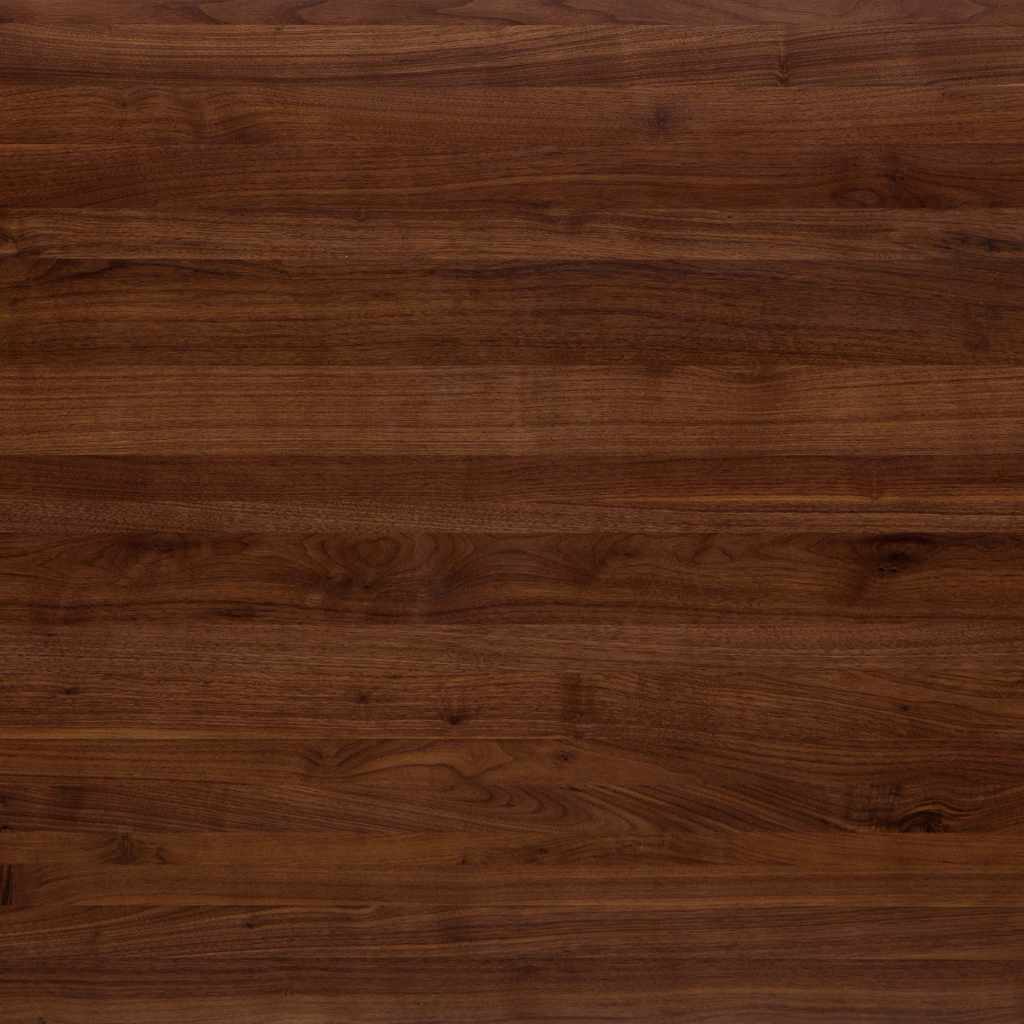
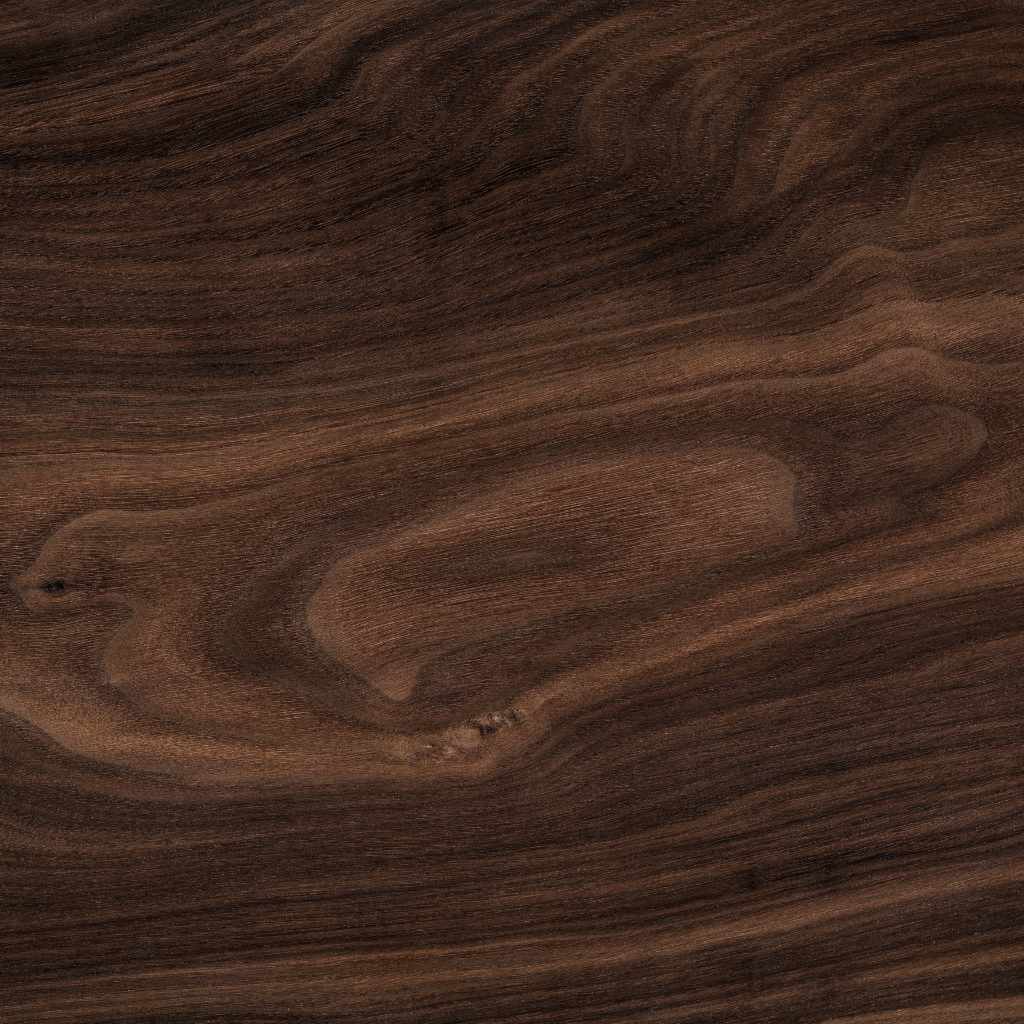
Walnut heartwood is characterized by its dark, rich browns. Think of dark chocolate or espresso. However, it’s not a flat color. You will often see fantastic variation, ranging from:
- Deep, almost purplish-browns.
- Medium, warm coffee tones.
- Occasional streaks of lighter tan or gray-brown.
Sapwood Distinction
The sapwood of Walnut (the outer, younger wood) contrasts sharply with the heartwood. It is typically creamy white or light tan. When working with large boards, this difference is noticeable and often requires consideration during milling or design to decide whether to leave the contrast or try to blend it.
Grain and Texture
Walnut generally has a straight, open grain, though it can be wavy or curly, creating beautiful “figure.” It finishes smoothly and accepts stains readily, though most builders prefer to keep Walnut natural or use only clear finishes to highlight its inherent color.
Chestnut: The Warm, Reddish Gold
It is important to note that American Chestnut (Castanea dentata) was nearly wiped out by blight in the early 20th century. Most modern “chestnut” lumber for furniture today comes from reclaimed wood or European/Asiatic species, which share similar color characteristics—warmter and generally lighter than walnut.
Heartwood Color Profile
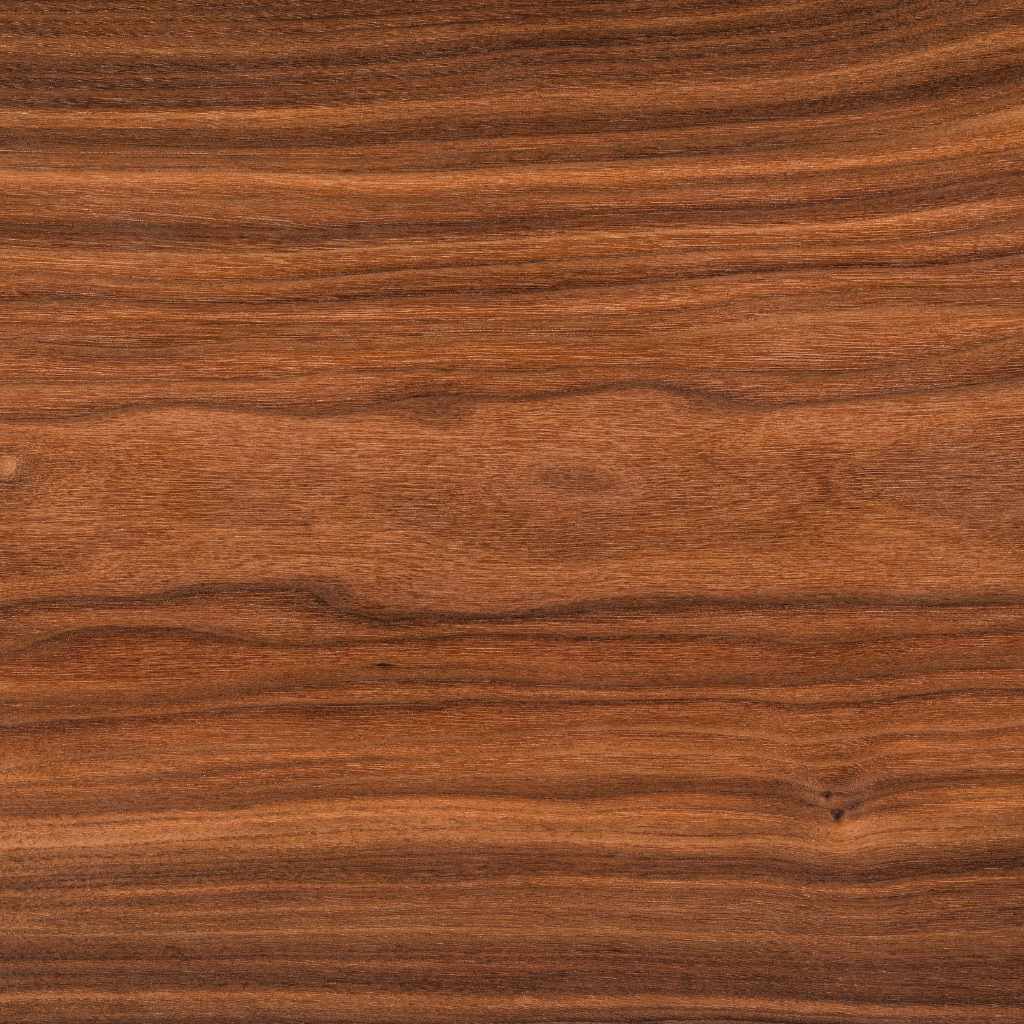
Chestnut heartwood leans distinctly warmer and lighter than Walnut. If Walnut is coffee, Chestnut is a rich caramel or toasted bread:
- Prominent reddish or golden-brown undertones.
- Tends toward medium tan or honey tones.
- Often displays subtle, dark, linear streaks resembling piano keys when aged.
Sapwood Distinction
The color difference between the heartwood and sapwood in Chestnut is usually less dramatic than in Walnut. The sapwood is lighter, often a pale yellow or cream, but it blends more gently into the heartwood.
Grain and Texture
Chestnut grain is usually straight and somewhat coarse, similar to Oak but less pronounced. It is known for having excellent stability once dried, which is a big plus for DIYers!
Color Comparison Table: At a Glance
Here is a quick reference chart to solidify the main differences when comparing chestnut vs walnut color—this is the information you want to keep handy while shopping for lumber.
| Feature | Walnut (Black Walnut) | Chestnut (Reclaimed/Common) |
|---|---|---|
| Dominant Heartwood Color | Deep chocolate brown, often with purple/gray streaks. | Warm reddish-brown, golden tan, or honey tones. |
| Sapwood Contrast | High contrast (creamy white/light tan). | Moderate contrast (pale yellow/cream). |
| Overall Visual Weight | Heavy, dark, luxurious. | Lighter, warmer, inviting. |
| Aging Tendency | Darkens slightly; maintains richness. | Can deepen to a richer reddish hue or mellow slightly. |
| Durability/Cost (General Note) | Very durable, premium cost. | Durable, cost varies greatly depending on source (reclaimed is often pricey). |
The Aging Factor: How Sunlight and Time Change the Hue
Wood color is rarely static. Sunlight (UV exposure) and oxidation fundamentally change the look of both Chestnut and Walnut over time. This is a critical point, especially when matching new pieces with old furniture.
Walnut’s Evolution
Walnut starts out looking beautiful and tends to darken slightly upon initial exposure to air and UV light. A board that looks slightly lighter when first milled will often deepen into that signature rich brown within a few months of being exposed to typical indoor light. It generally remains color-stable after that initial darkening period.
Chestnut’s Shift
Chestnut often shows a more dramatic transformation. New chestnut wood might appear light and golden, but over time, especially with UV exposure, those warm tones can intensify, pulling toward a deeper, ruddy reddish-brown. If you are working with reclaimed chestnut, some of that color transformation has already occurred, which can be an advantage!
For homeowners looking to match older pieces, always ask the lumber supplier about the wood’s history or how long it has been exposed to light. This knowledge is key to avoiding frustrating mismatches!
The Role of Grain Pattern in Color Perception
While we focus heavily on color, the pattern of the grain significantly influences how dark or light a board looks under your workshop lights.
Walnut Grain and Depth
Walnut’s open grain allows light to catch the surface differently based on the grain orientation. When cut flat-sawn, the dramatic growth rings create beautiful, sweeping arches. Quarter-sawn walnut shows very straight lines. Because the deep browns are mixed with lighter areas of sapwood or mineral streaks, the grain pattern adds visual depth that makes the whole board appear darker than a solid-colored, lighter wood.
Chestnut Grain and Uniformity
Chestnut tends to have a more uniform grain pattern. While still attractive, it generally lacks the dramatic variation and swirling figure often found in premium Walnut cuts. This uniformity means the color appears more consistent across the board, giving it a clean, less busy look.
Finishing Secrets: Enhancing Chestnut vs Walnut Color
The finish you choose—be it oil, varnish, or stain—will amplify or mute the natural color characteristics. For both woods, applying a finish is essential not just for protection but also for bringing out the wood’s true potential. Remember that clear finishes help stabilize the color against dust and minor daily wear.
Finishing Walnut
Most woodworkers agree: Walnut shines best with minimal interference.
- Natural Oil Finish: Tung oil or boiled linseed oil breathes life into the deep browns, enhancing the subtle purple and gray undertones without adding a yellow cast.
- Wipe-On Polyurethane: Use a satin or semi-gloss for good protection. Avoid heavy amber-toned finishes, as they can muddy the dark chocolate look.
- Oil-Based Stains (Use with Caution): Only use stains if you are trying to dramatically deepen the color or cover highly contrasting sapwood.
Finishing Chestnut
Since Chestnut leans warm, finishes are often chosen to lean into that warmth or provide a protective layer without darkening it too much.
- Water-Based Polyurethane: This is often preferred because it dries crystal clear and will not add the amber/yellow shift that oil-based finishes often impart, thus keeping the light, warm tone true.
- Danish Oil: This offers a good middle ground. It adds a slight amber glow, which complements the existing reddish tones beautifully, making the wood look sun-kissed.
- Controlling Redness: If you want to mute the reddish tones slightly, look toward finishes with a slight gray base or use a super-thin coat of white pigment stain first, followed by a clear topcoat.
Practical Selection Tips for Your Workshop
You are now armed with the theoretical knowledge. Here is how to apply it next time you are at the lumberyard or browsing online suppliers:
- Inspect the Heartwood: Always demand to see a freshly cut face or a sanding spot on the board you intend to buy. Look for the dominant dark brown/purple (Walnut) versus the medium reddish/gold (Chestnut).
- Check the Sapwood Ratio: If you hate high contrast, steer clear of highly figured Walnut with wide bands of white sapwood. Choose wood that is primarily heartwood, or look for Walnut that has been “live edge” milled to utilize distinct color zones deliberately.
- Ask About Source: If it’s labeled simply “Chestnut,” ask where it came from. Acknowledged reclaimed American Chestnut might have a different color profile than recently imported European stock. For reliable, premium domestic lumber, Black Walnut is the standard.
- Consider Movement: While both are stable, structural projects require knowing movement characteristics. For context on wood movement and stability related to moisture content, consult resources from the U.S. Forest Products Laboratory (FPL), which offers excellent guidance on wood behavior.
Durability and Application Differences
Color aside, these woods behave differently in your workshop. Knowing this helps you choose the right one for the job, saving you headaches later.
Walnut: Strength and Investment
Walnut is highly prized for its weight, strength, and excellent dimensional stability (it shrinks and swells less than many other hardwoods). This makes it ideal for projects where precision matters:
- High-end cabinetry and veneers.
- Fine furniture (dining tables, dressers).
- Anything meant to be heirloom quality.
Because of its density and prestige, Walnut is generally more expensive and should be reserved for pieces where you want that deep, dark foundation.
Chestnut: Workability and Reclamation Appeal
When we discuss common Chestnut, we are often talking about wood known for being softer than Walnut but still very workable. It machines easily, takes screws well, and its lighter color brings a breezy, rustic feel.
- Rustic shelving and mantels (especially reclaimed stock).
- Interior trim where a medium color blend is desired.
- Projects where you want a finish that slightly darkens over time without going fully black-brown.
If you are new to woodworking, Chestnut can sometimes be more forgiving on chisels and router bits than very dense Walnut.
When Color Isn’t Enough: Grain Figure Matters
Sometimes you find a board that is the “right” color, but the figure ruins the effect. The figure—the pattern made by the growth rings—can dramatically alter how the color presents itself.
Figured Walnut Examples
If a Walnut board has intense figure like curl or crotch grain, the color variations will be extreme. You might see swirling lines of nearly black next to cream-colored sapwood peaks. This dramatic contrast is often highly desirable but can be overwhelming for simple projects.
Uniform Chestnut Examples
Chestnut, particularly when plain-sawn, offers a much more predictable visual rhythm. If your goal is a smooth, homogenous background for carving or detailed inlay work, the uniformity of Chestnut is a huge advantage over highly figured Walnut.
Remember that figure is often determined by how the log was cut. A skilled mill operator can provide you with figured Walnut, whereas Chestnut often stays more consistent no matter the cut style.
FAQ for Beginner Woodworkers: Chestnut vs Walnut Color
Got last-minute doubts about selecting your wood? Here are quick answers to common beginner concerns regarding these two gorgeous materials.
Q1: Can I stain Chestnut to look like Walnut?
A: You can certainly stain Chestnut darker, but achieving the deep, rich chocolate-brown undertones characteristic of true Walnut is very difficult. Chestnut usually retains a reddish/gold cast even when stained dark, whereas Walnut naturally harbors those cool, purplish-brown tones.
Q2: Is reclaimed Chestnut a safer buy than fresh Walnut?
A: Reclaimed Chestnut is exciting because its color is already “set” by time and exposure. Fresh Walnut needs time to darken to its final richness. Neither is inherently “safer,” but reclaimed wood might save you waiting time on color development.
Q3: Which wood accepts a clear, non-yellowing finish better?
A: Both woods look fantastic with water-based, non-yellowing finishes. However, because Chestnut is naturally lighter, the clarity of the finish will be more obvious, helping to maintain its warm hue. Walnut looks great, but the finish will still make the inherent dark colors appear deeper.
Q4: If I sand Walnut too deeply, will I get rid of the dark color?
A: Yes, if you sand excessively deep into the board and expose a lot of fresh, pale sapwood, you will lose the rich heartwood color. Always leave a small margin of error (planing allowance) when dimensioning dark woods.
Q5: Do both woods fade significantly in direct, strong sunlight?
A: Both are susceptible to fading. Walnut tends to fade where the dark pigments are overwhelmed by UV, occasionally looking slightly washed out over decades. Chestnut’s red/gold tones can also shift. Protecting any wood exposed to direct sun with UV-blocking polyurethane is always the best practice for long-term color preservation.
Q6: Which wood smells stronger when cutting?
A: Black Walnut generally has a much more recognizable, pleasant, aromatic smell when sawing or sanding its heartwood compared to most common Chestnut varieties. Always wear appropriate dust protection, but enjoy the distinct fragrance!
Conclusion: Making Your Confident Choice
There you have it! You’ve mastered the essential guide to chestnut vs walnut color. By remembering that Walnut leans toward deep, cool chocolate browns and Chestnut leans toward warm, inviting golds and reds, you can navigate any lumberyard with confidence. It’s not just about picking the prettiest board; it’s about picking the board that works best with your project’s lighting, style, and longevity goals.
Whether you choose the deep elegance of Walnut for a treasured heirloom or the warm character of Chestnut for a cozy home accent, understanding these core differences ensures you get the result you envisioned right from the start. Go ahead, pick up that piece of wood—you know exactly what beautiful tones it holds now. Happy building, and enjoy the satisfying look of a perfectly matched project!