Claro Walnut Vs Black Walnut: Proven Wood Secrets
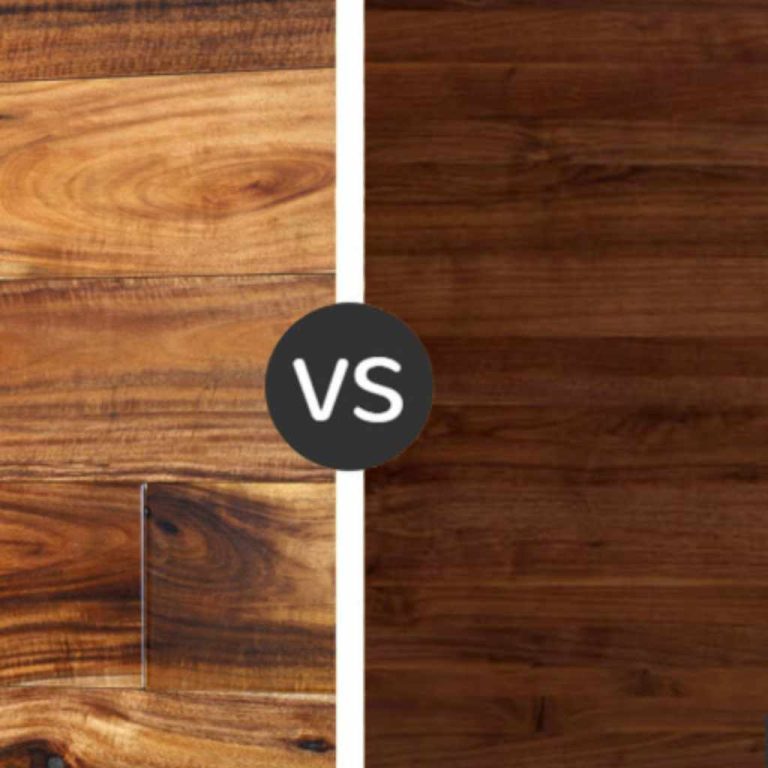
Claro Walnut vs Black Walnut: Both are stunning, dark hardwoods perfect for furniture. Claro Walnut is often faster-growing and wildly figured, while Black Walnut (American Walnut) is the classic, highly stable standard. Choosing between them depends on your budget, project scale, and desired figure pattern.
Welcome to the workshop! If you’re planning a beautiful piece of furniture, a custom cutting board, or stunning cabinetry, you’ve likely noticed how gorgeous both Claro Walnut and Black Walnut look. It’s easy to get these two dark, rich woods confused—and choosing the wrong one can sometimes mean paying too much or getting less stability than you hoped for. Don’t worry! As your woodworking mentor, I’m here to clear up the differences between Claro Walnut vs Black Walnut. We will explore what makes each special, how they behave in your shop, and which one is the perfect fit for your next rewarding project.
Understanding Walnut: Why This Wood is Worth the Hype
Walnut, in general, is a prized material in woodworking for very good reasons. It’s strong, machines beautifully, and offers that deep, chocolatey color that takes a finish like nothing else. When you see beautiful, deep brown wood used in high-end guitars or heirloom dining tables, you are often looking at a species of walnut.
However, not all walnut trees grow in the same place or the same way. The confusion usually lies between two main types readily available to woodworkers:
- Black Walnut (Juglans nigra): This is the classic American or Eastern Black Walnut. It is the standard benchmark for fine domestic hardwoods.
- Claro Walnut (Juglans hindsii): This is often called California Black Walnut. It is a different species native to the West Coast, and it’s famous for its wild, swirling grain patterns.
Getting the right wood means understanding its origin, workability, and cost before you cut the first board. Let’s dive into what makes each type truly unique.
The Essential Differences: Claro Walnut vs Black Walnut at a Glance
When standing side-by-side, the biggest differences are visual—especially the character of the grain. But there are also crucial differences in availability and price that you need to know as a beginner woodworker managing a budget.
Visual Comparison: Color, Figure, and Grain Pattern
This is where the fun begins! Both woods share a similar color palette, but an experienced eye can usually tell them apart based on the figure.
Black Walnut (American Black Walnut)
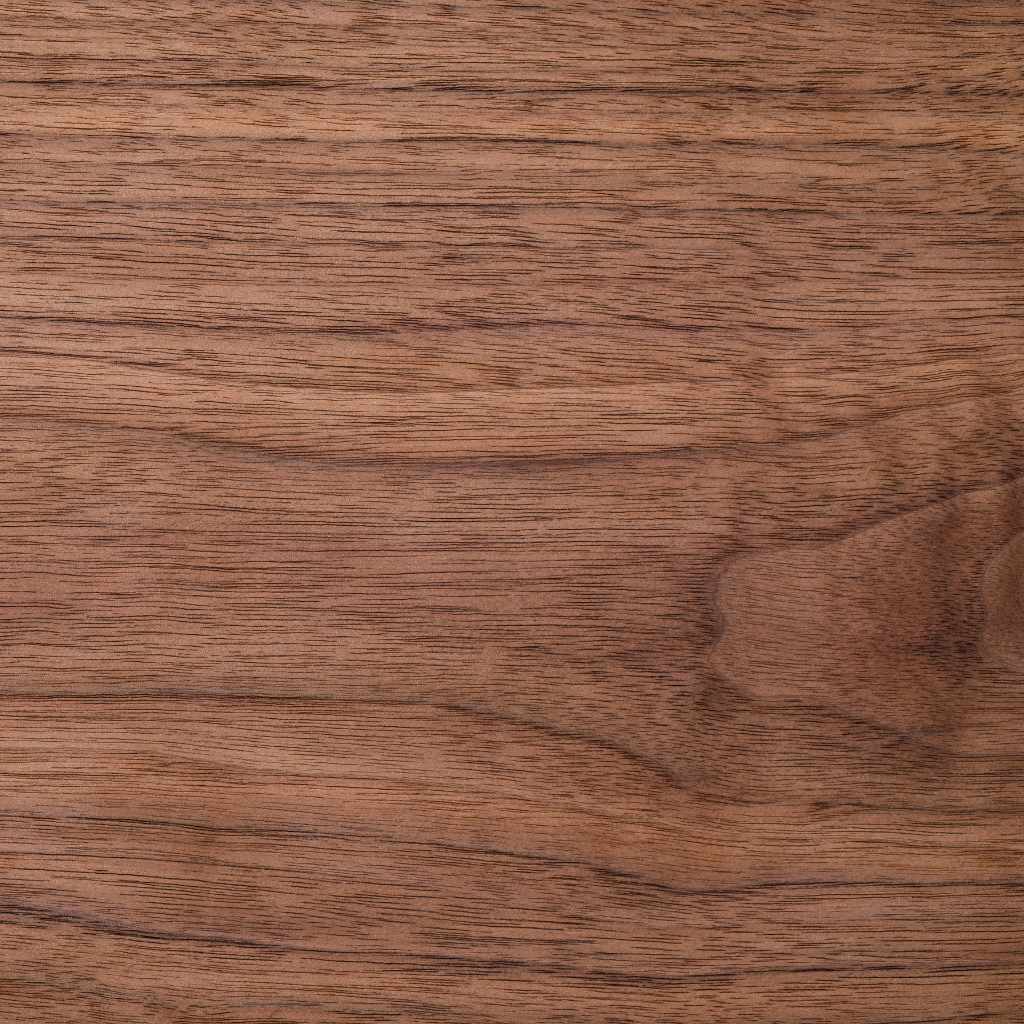
Black Walnut is the reliable classic. Its heartwood is deep brown, often with hints of purple or grayish tones when freshly cut, mellowing over time.
- Color Consistency: Tends to be more uniform in its deep, chocolate-brown color, especially away from the sapwood edges.
- Figure: Usually features straighter grain patterns unless it is taken from crotches or burl. It is highly stable.
- Grain: Generally a more consistent, traditional grain appealing to those seeking formality and timeless design.
Claro Walnut
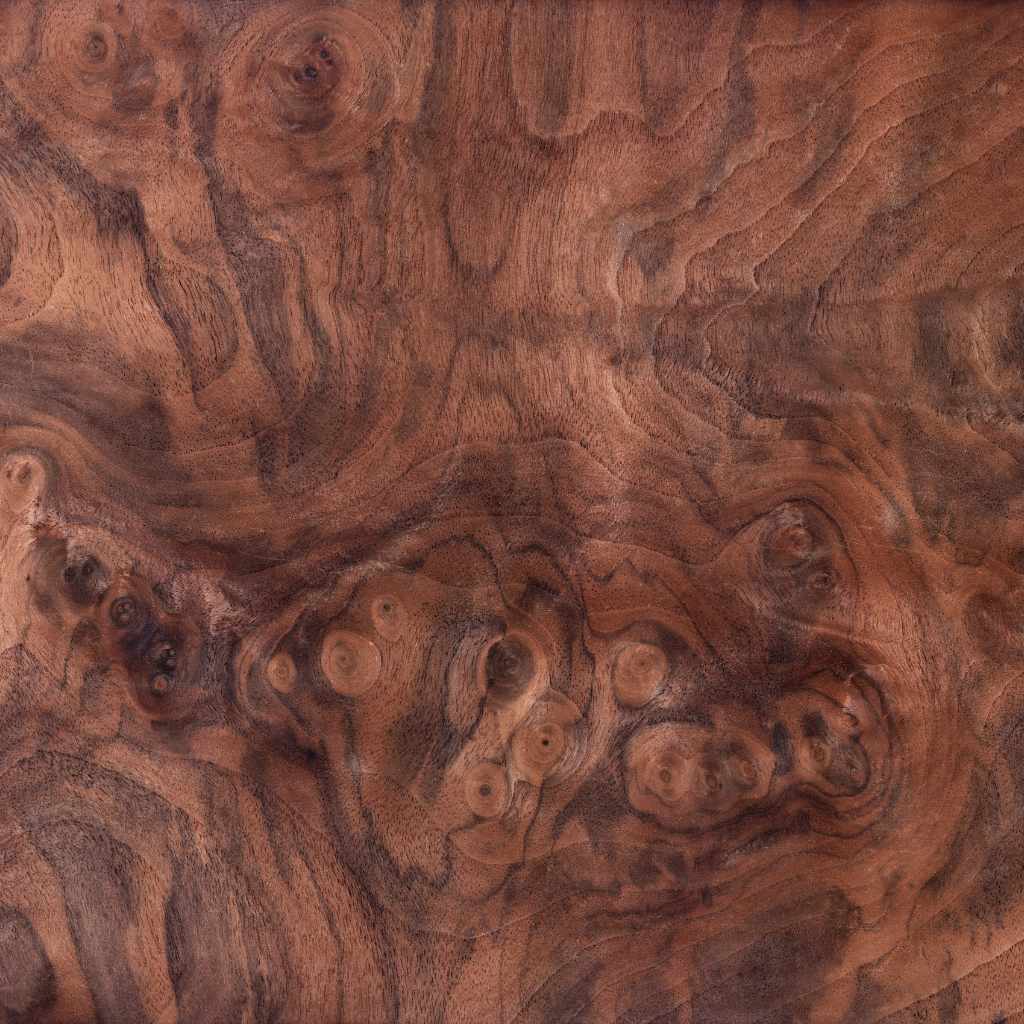
Claro Walnut is the wild artist of the walnut family. It is famous for highly dramatic figuring that often looks like waves or flames across the board.
- Color Variation: Can sometimes show more dramatic contrast between the heartwood and sapwood, and the color range might be broader, stretching from lighter tan to very dark brown.
- Figure: Often boasts incredible, complex swirl, crotch, and burl figures—even in standard lumber. This makes it highly sought after for knife handles, bowls, and small accent pieces.
- Grain: Tends to be less straight and more turbulent, which adds beauty but can sometimes make large, perfectly flat panels trickier.
Working Properties: Stability and Machining
How does the wood behave once it hits your planer or sander? Both are fantastic woods to work with, but one has a slight edge in predictability.
Black Walnut (The Stable Performer)
Black Walnut is highly regarded for its dimensional stability. This means once it acclimates and is properly dried, it resists the urge to warp, cup, or move significantly with changes in humidity.
- Durability: Excellent resistance to decay, though it is not typically used for exterior projects without sealing.
- Machining: Easy to saw, plane, and route. It holds edges very well and sands smoothly. Beginners often find black walnut very forgiving.
- Glue-up: Takes glue exceptionally well without specialized preparation.
Claro Walnut (The Figured Challenge)
Because it often comes from trees that grow faster or have more dramatic growth patterns (like crotch wood), Claro Walnut can sometimes exhibit slightly more movement or be prone to tear-out if the grain is highly interlocked.
- Machining: Generally machines well, but watch out for tear-out when planing boards with highly irregular, wild grain—go slow and take shallow passes.
- Drying: Needs very careful drying procedures due to the irregular grain structure, especially in burl or crotch pieces.
- Density: It can sometimes be slightly less dense than the heartwood of true Black Walnut, depending on the specific source tree.
Source and Availability: Geography Matters
Where your wood comes from heavily impacts its price and how easy it is to source large, clear pieces.
Black Walnut
Eastern Black Walnut (J. nigra) is native to the Eastern and Midwestern United States. It has a vast supply chain, meaning you can often find it in larger lumberyards across the country, giving it a wider range of pricing.
- It is often harvested from mature timber, meaning wide, long boards are usually available if you are willing to pay for them.
- For sourcing information on sustainable forestry practices related to domestic hardwoods, checking resources from organizations like the U.S. Forest Service can be very helpful.
Claro Walnut
Claro Walnut (J. hindsii) originates primarily on the West Coast of the United States, particularly California. Its availability to the general market depends on local harvesting from orchards or urban clearings.
- It is often sourced from burls or crotches cleared from walnut orchards, which is why it frequently shows up as highly figured slabs or smaller blanks.
- Finding large quantities of clear, quarter-sawn Claro can be harder than finding the same for Eastern Black Walnut, sometimes leading to a higher price tag for specific cuts.
Head-to-Head Comparison Table
To make things super clear, here is a direct comparison of the key factors when deciding between these two beautiful woods.
| Feature | Black Walnut (American) | Claro Walnut (California) |
|---|---|---|
| Scientific Name | Juglans nigra | Juglans hindsii |
| Primary Origin | Eastern & Midwestern USA | Western USA (California) |
| Typical Grain Pattern | Straighter, more uniform | Wild, highly figured, wavy, or burl dominant |
| Stability | Excellent (Industry Standard) | Good, but irregular grain can require more careful drying |
| Best Use Case | Fine furniture, cabinet carcasses, large flat panels | Epoxy river tables, turning blanks, highly decorative veneers |
| Accessibility | Widely available in most lumberyards | More commonly found through specialized slab dealers |
When to Choose Claro Walnut: Embracing the Wild Grain
If you walked into my shop and asked me which walnut to pick for a project that needs visual “pop,” I’d point you toward Claro Walnut—if the budget allows!
Claro excels when the wood is the centerpiece. It’s the perfect choice for hobbyists looking to create stunning heirloom pieces that stop people in their tracks.
Ideal Projects for Claro Walnut:
- Epoxy River Tables: The dramatic, swirling grain of Claro pairs perfectly with clear or colored epoxy, enhancing the sense of flowing depth.
- Cutting Boards and Serving Trays: Its figures shine through beautifully, even on smaller pieces like end-grain cutting boards or charcuterie boards.
- Wood Turning Projects: Bowls, vases, and pepper mills made from Claro often exhibit unique chatoyancy (light reflection) due to the complex grain structure.
- Accent Veneers: When you need a small patch of spectacular figure to dress up a drawer front or tabletop inlay.
Tips for Working with Figure
When dealing with wild Claro grain, remember this golden rule: Slow and shallow is the way to go.
- Always plane with the grain direction, or sneak up on your dimension with very light cuts.
- Using a high tooth-count planer blade (or a sharp hand plane) will prevent tear-out in those complex areas where the grain seems to switch directions randomly.
- For finishing, a wipe-on oil finish like Danish Oil often enhances the depth of Claro better than thick pore-filling varnishes, letting the figure really stand out.
When to Choose Black Walnut: Reliability and Timelessness
For the beginner woodworker, or anyone tackling large, structural furniture pieces, American Black Walnut is usually the safest, most reliable bet. It’s the definition of a premium domestic hardwood for a reason.
Ideal Projects for Black Walnut:
- Large Dining Tables: Its dimensional stability makes it excellent for large, solid panels that need to remain flat over many years.
- Cabinetry and Built-ins: Consistency in color and grain makes matching panels easier across multiple doors or drawers.
- Shop Furniture: Due to its good machinability and durability, it makes fantastic jigs or custom benches that you want to last forever.
- Traditional Joinery: Projects relying on extremely precise mortise and tenon joints benefit from the predictable nature of straight-grained Black Walnut.
Sourcing and Sustainability Note
While Black Walnut is a renewable resource grown across the East, it is still important to source it responsibly. Reputable lumber mills adhere to national guidelines to ensure sustainable harvesting. Always ask your supplier about the drying process—kiln-dried is always preferred for indoor projects to ensure maximum stability.
Finishing Secrets: How to Make Both Walnuts Pop
Regardless of which walnut you choose, the finishing stage is where the magic happens. Walnut contains natural oils that react beautifully with finishes, darkening the color and bringing out that rich chocolate tone.
Step-by-Step Finishing for Deep Color
Here’s a simple, foolproof process to maximize the beauty of both wood types:
- Sanding Perfection: Sand the wood thoroughly through 180-grit, and finish sanding at 220-grit. For Walnut, moving to 320-grit isn’t always necessary unless you are aiming for a mirror shine finish.
- Pre-Stain Conditioner (Optional but Recommended): While walnut usually accepts stain evenly, if you have varying sapwood sections, a light application of a pre-stain conditioner (or even a coat thinned shellac) can equalize absorption slightly.
- The “Pop”: Apply a light coat of mineral spirits or denatured alcohol to wipe down the wood. This is a powerful trick that lets you see the final color before applying the actual finish. Be amazed!
- Sealing and Coloring: For a natural look, use a penetrating oil finish (like boiled linseed oil or tung oil blend) applied generously and wiped off after 15 minutes. For more protection, use a clear polyurethane or conversion varnish.
- Building Coats: If using varnish or lacquer, build up thin coats, sanding lightly with 320 or 400-grit sandpaper between coats for a glass-smooth final surface.
Pro Tip from Meraj: If you want that classic, deep, almost black appearance often associated with antique furniture, use a wood dye or stain tinted with black pigment very lightly over the top of a natural oil finish. This helps deepen the existing dark color without obscuring the wood grain.
Tool Check: Setting Up for Walnut Success
Working with walnut is a pleasure compared to rougher woods like oak or maple, but having the right setup makes the work easier and safer. Remember, safety first, always!
Essential Tool Setup for Walnut Projects:
- Sharp Blades: Because walnut is a hardwood, even if it machines easily, dull tooling can cause burn marks or rough planing. Keep your planer blades and table saw blades razor-sharp.
- Dust Collection: Walnut dust can be an irritant, and prolonged exposure should be avoided. Ensure your dust collector is running efficiently; you can learn more about proper dust management from resources like OSHA regarding wood dust safety standards.
- Router Bits: When profiling edges, use good quality carbide-tipped router bits. Walnut cleans up beautifully, but cheap bits will leave burn marks that are hard to sand out later.
If you are new to routing, practice setup on scrap pieces matching the grain direction of your main project piece—especially true for Claro Walnut.
Cost Considerations: Which Walnut Fits Your Wallet?
As a beginner, budget matters. Generally, both Claro and Black Walnut will cost significantly more than common woods like pine or poplar. However, their prices fluctuate based on demand, board size, and figure.
| Lumber Type | Typical Price Comparison (Per Board Foot, Dressed) | Price Driver |
|---|---|---|
| Standard Black Walnut (Clear, Straight) | $$$ | High demand for domestic hardwood quality. |
| Highly Figured Black Walnut (Burl/Crotch) | $$$$+ | Scarcity of intensely figured cuts. |
| Standard Claro Walnut (Clear) | $$$ | Sourcing limitations compared to Eastern species, though sometimes variable. |
| Highly Figured Claro Walnut (Slab/Burled) | $$$$+ | High demand for extreme western grain patterns. |
The Bottom Line on Price: You might find a standard, straight-grained board of Claro Walnut slightly cheaper than an equivalent board of highly figured Black Walnut, simply because the wildest grain is often reserved for specialty slab vendors who mark up heavily. Always shop around and compare what the figure looks like, not just the species name!
Frequently Asked Questions (FAQ) about Walnut
Q1: Can I use Claro Walnut outdoors?
A: While walnut is naturally somewhat durable, it is considered an interior wood. For any exterior use, you must seal it thoroughly with high-quality, UV-resistant marine varnish or exterior paint. Both species perform better indoors.
Q2: Does Walnut wood need a grain filler before finishing?
A: Walnut has medium-sized pores. For a flat, smooth, modern look, yes, a paste wood filler tinted to match or slightly darker than the wood will give you a flawless surface. For an antique or natural look that celebrates the texture, skip the filler and use a heavy oil finish to fill the pores naturally.
Q3: Is Claro Walnut harder to sand than Black Walnut?
A: Generally, no. Both sand very well. The difficulty in sanding Claro comes only when the grain is drastically interlocked or wavy, which can cause tiny patches of tear-out that require careful sanding with higher grits to smooth out.
Q4: Which walnut is more prone to checking (cracking) after cutting?
A: Any wood with wild, interlocked grain (which is common in Claro) is more prone to checking during the drying process than straighter-grained Black Walnut. This is why buying Claro as air-dried or kiln-dried dimensional lumber is usually safer than buying rough-sawn Claro slabs unless you manage the drying process yourself.
Q5: Will my walnut project change color over time?
A: Yes! Both Black and Claro Walnut deepen beautifully when exposed to regular light, typically going from a lighter brown to a rich, consistent dark brown or deep reddish-brown. This natural aging is part of the wood’s charm.
Q6: If I have to choose one for my first large table, which should I pick?
A: I strongly recommend Black Walnut (American). It is more predictable in terms of stability, easier to mill into long, flat boards, and more consistently available across most regions, making your first major build less stressful.