Acacia vs Walnut Wood: Hardness, Grain and Best Uses
Acacia and walnut are closer in hardness than most guides admit: black walnut measures 1,010 lbf on the Janka scale, while common acacia species run from about 1,160 lbf (Australian blackwood) to 1,430 lbf (mangium). The bigger differences are color, decay resistance, price and the fact that acacia means hundreds of species. This guide compares them with real numbers and tells you which to pick for each project.
Which Is Better, Acacia or Walnut Wood?
Best Walnut Test Boards Pick | |
 |
Barrington Hardwoods Walnut Lumber, 3/4″ x 6″ x 24″ (2 Pcs) Two kiln-dried walnut boards, sanded two sides to 3/4 inch, small enough to test a finish or a joint before you commit to a full order.
|
As an Amazon Associate we earn from qualifying purchases. | |
Choose black walnut when you want a dark, uniform brown that machines predictably and finishes well: fine furniture, cabinets, turned pieces. Choose an acacia when you want golden to reddish-brown, wavy or ribboned grain, and you have confirmed which species you are buying. Neither wood wins on every measure, and the popular idea that acacia is far harder and more weather-proof than walnut does not hold up against published data.
| Property | Black walnut (Juglans nigra) | Koa (Acacia koa) | Mangium (Acacia mangium) |
|---|---|---|---|
| Janka hardness | 1,010 lbf | 1,170 lbf | 1,430 lbf |
| Dried density | 38 lb/ft3 (610 kg/m3) | 38 lb/ft3 (610 kg/m3) | 36.5 lb/ft3 (585 kg/m3) |
| Color | Pale to dark chocolate brown heartwood, pale yellow-gray sapwood | Golden to reddish brown with contrasting growth bands | Not documented by the source |
| Decay resistance | Very durable (but susceptible to insect attack) | Non-durable to perishable | No data available |
| Allergy note | Classified as a sensitizer | No specific concern beyond standard dust risk | No concern beyond standard dust risk |
All values are from the Wood Database black walnut page, koa page and mangium page.
Is Acacia Harder Than Walnut?
Slightly, for the species most people meet, and the gap is smaller than many articles claim. Janka hardness is the force needed to press a steel ball halfway into the wood, and a difference of a few hundred pounds is noticeable but not dramatic in a tabletop or cutting board.
| Wood | Janka hardness (lbf) | Density (lb/ft3) | Source page |
|---|---|---|---|
| Black walnut | 1,010 | 38 | Black walnut |
| Australian blackwood (Acacia melanoxylon) | 1,160 | 40 | Australian blackwood |
| Koa (Acacia koa) | 1,170 | 38 | Koa |
| Mangium (Acacia mangium) | 1,430 | 36.5 | Mangium |
| Gidgee (Acacia cambagei) | 4,270 | 72 | Gidgee |
Here is the myth worth retiring. The Wood Database describes the acacia genus as several hundred species, from woods lighter than black cherry to some of the heaviest and hardest on earth (acacia genus overview). So a number like acacia is 2,000 lbf describes some species, not the acacia board in your cart. If a product is labeled only acacia, you cannot tell whether it behaves like koa at 1,170 lbf or like something much denser, and that uncertainty matters more than the walnut comparison.
Rot Resistance: The Claim to Question
Many comparisons say acacia beats walnut outdoors because of natural oils. The published ratings point the other way for the two species where data exists. The Wood Database rates black walnut heartwood very durable for decay resistance, while koa is rated non-durable to perishable and is susceptible to termites. Walnut is still vulnerable to insects, so neither belongs outdoors without protection.
For mangium the Wood Database lists no decay-resistance data. Absence of data is not a pass. If you plan outdoor furniture, look at woods with documented durability, such as the species in our teak vs walnut comparison, or seal any acacia thoroughly and keep it off wet ground.
Grain, Color and Looks
Black walnut heartwood runs from pale brown to dark chocolate, sometimes with gray, purple or reddish tones, and the sapwood is pale yellow-gray to near white. The grain is usually straight but can be irregular, with medium texture and moderate luster. Sapwood is a real cost factor: plan for some waste when you buy.
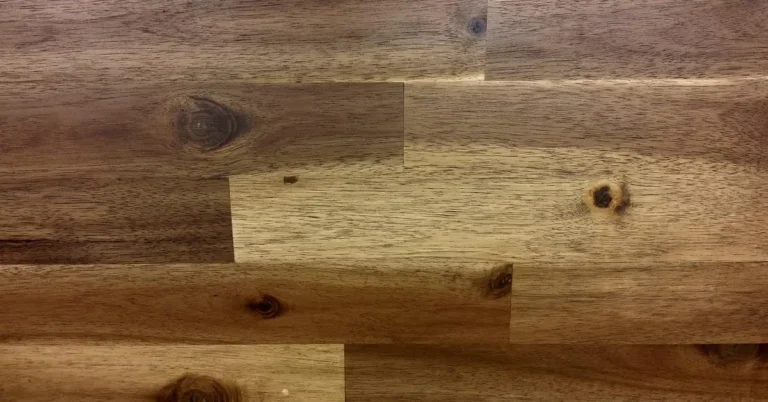
Koa is medium golden to reddish brown, with contrasting growth-ring bands and sometimes wavy or curly figure. Its grain is slightly interlocked. Other acacias vary, so when appearance matters, buy from a photo of the exact boards, not a species name. Our oak vs walnut grain guide shows how walnut compares with another common cabinet wood.
Working With Each Wood
| Task | Black walnut | Koa (typical acacia) |
|---|---|---|
| Machining | Straightforward when the grain runs straight; planer tearout can occur in figured stock | Generally straightforward, but figured or heavily interlocked pieces can tear or chip |
| Gluing | No special issue noted | Occasional gluing challenges noted by the Wood Database |
| Bending and finishing | Responds well to steam bending and finishing | No special note |
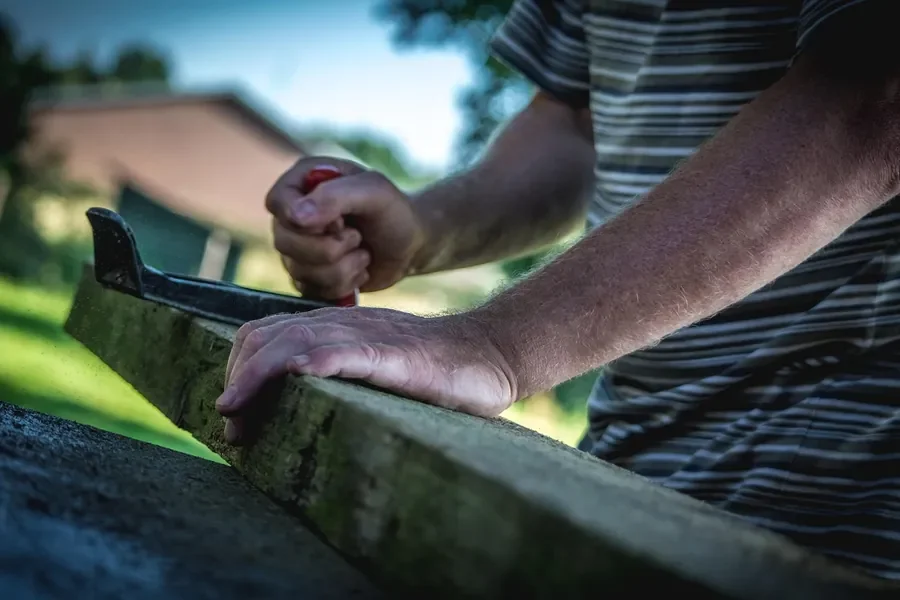
The practical shop habit is the same for both: check the grain direction before each pass, keep knives sharp, and make a test cut on an offcut. If you plan to mill a batch of acacia, mill a sample first, because two boards sold under one name can differ in density and grain.
Finishing Acacia and Walnut
Walnut takes clear finishes readily and is usually finished to show its natural color, so a clear oil or film finish is a common choice. Treat acacia as species-dependent: some boards may take stain evenly and others may not. The reliable method is to sand two offcuts to the same grit, apply your finish and compare before you touch the project itself. That test costs very little and settles more questions than any general rule.
If you are weighing finishes for a kitchen item, our walnut vs maple cutting board article explains how the same decision plays out for another pair of woods.
Cost and Availability
Black walnut is a premium domestic hardwood that commands high prices. Stock availability is good, but board widths can be limited and you should expect sapwood waste. Koa is expensive and increasingly scarce because of limited supply from Hawaii. That is the point most acacia-is-the-budget-choice claims miss: plantation acacia such as mangium and premium koa sit at opposite ends of the price range, and the label often does not say which you are getting.
In practice, price the exact species and thickness at your supplier. If you are choosing between woods for a big project, our maple hardness guide is another benchmark for a common alternative.
Dust and Safety
Wood dust is a hazard for every species. Black walnut is classified as a sensitizer, which means repeated exposure can trigger allergic reactions in some people, typically mild eye and skin irritation according to the Wood Database. The koa page notes that related Acacia species may cause respiratory or skin irritation. Mangium has no reactions listed beyond standard dust risk.
- Use dust collection at the tool and wear a properly fitted respirator when sanding either wood.
- Wear safety glasses and hearing protection around planers, routers and saws.
- If you develop rashes, watery eyes or breathing trouble after working a species, stop and change the setup or the wood.
If you are also curious about the tree itself, see our article on black walnut trees.
Which Wood for Which Project?
| Project | Better fit | Why |
|---|---|---|
| Dining table, dresser, cabinets | Black walnut | Dark, uniform color; predictable machining; finishes well |
| Turned bowls and small decorative items | Black walnut | Widely used for turned objects and responds well to finishing |
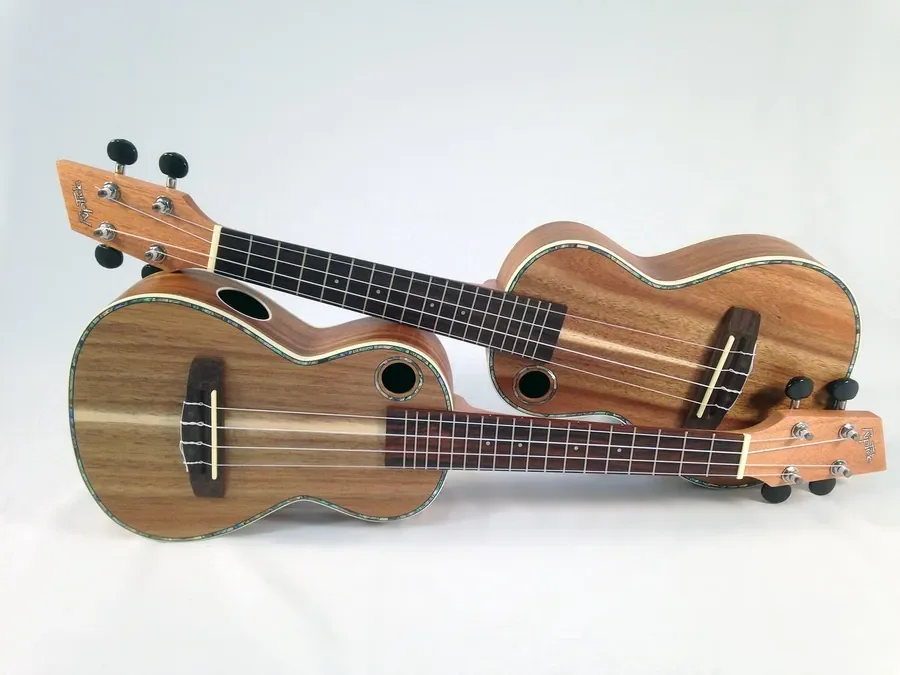
| Musical instruments and inlays | Koa or another figured acacia | Koa is used for guitars and ukuleles, and its figure and color are the point |
| Budget shelving or utility pieces | Confirmed plantation acacia (e.g. mangium) | Higher Janka number and moderate density, but get species and moisture details from the seller |
| Outdoor furniture | Neither, without protection | Koa is rated non-durable to perishable; walnut is susceptible to insects; mangium has no rot data |
| Kitchen boards | See the cutting board guide | Food-contact finish and construction matter more than species alone |
For a cutting-board-specific decision, use our acacia vs walnut cutting board guide. If you are also considering a very different material, our acacia vs bamboo comparison is next.
Frequently Asked Questions
Is acacia harder than walnut?
Usually a little, but not by much. Black walnut measures 1,010 lbf on the Janka scale. Koa (Acacia koa) is 1,170 lbf, Australian blackwood is 1,160 lbf and mangium is 1,430 lbf. Only a few outliers, such as gidgee at 4,270 lbf, are far harder. Ask which acacia species you are buying.
Which is better for a cutting board, acacia or walnut?
Both are used for boards, and the deciding factors are the species and the finish rather than hardness alone. Black walnut is generally straightforward to machine, while the acacia species differ widely. Our dedicated acacia vs walnut cutting board guide covers food-contact questions and board construction.
Is acacia wood good for outdoor furniture?
Do not assume it. Koa, one of the best-known acacias, is rated non-durable to perishable for decay resistance by the Wood Database, and its data page for mangium lists no decay-resistance data. Choose a species with documented durability, or protect the wood with an exterior finish.
Why is walnut more expensive than most acacia?
Black walnut is a premium domestic hardwood that commands high prices, according to the Wood Database. Plantation acacia such as mangium is a fast-growing species, but koa is priced as a specialty wood and is described as expensive and increasingly scarce, so acacia does not always mean cheap.
Can you use acacia and walnut in the same project?
Yes, and the color contrast between golden acacia and dark walnut can look good in inlays or a two-tone top. Keep the joinery tolerant of movement, because the species shrink differently. Black walnut shrinks 7.8 percent tangentially, koa 6.2 percent and mangium 7.8 percent, so long glued-up panels of mixed species need care.
Conclusion
Pick walnut for a dark, predictable, high-end look and accept the price. Pick an acacia when you value golden figure or need a budget hardwood, but confirm the species first, because hardness, rot resistance and cost vary across the genus. Sample the finish on an offcut, wear a respirator when you sand, and never trust a general claim that one wood is always harder or more weatherproof than the other.
Sponsored / affiliate links. As an Amazon Associate I earn from qualifying purchases. I may earn additional commission from eligible campaigns.