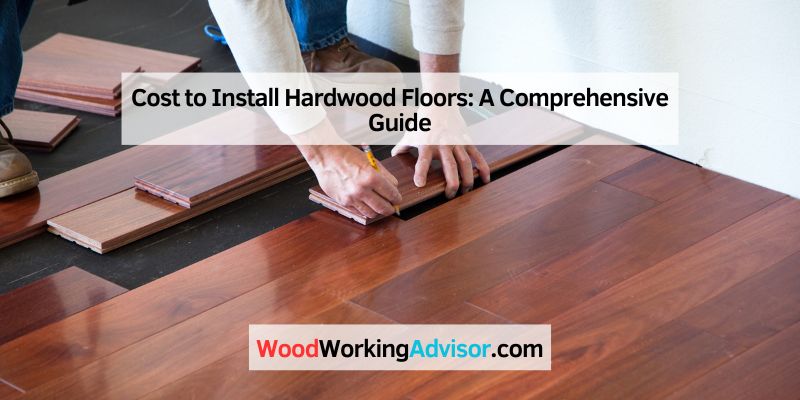
Cost to Install Hardwood Floors: A Comprehensive Guide
Hey there! If you’re thinking about giving your home a fresh, timeless look with hardwood floors, you’re in for a treat. I’ve been down this road myself, and let me tell you, hardwood floors can completely transform a space. They’re warm, elegant, and durable. But before you dive in, you’re probably wondering, “How much is this going to cost?” That’s the big question, right? The cost to install hardwood floors depends on so many factors—materials, labor, your location, and even the condition of your home. I’ve explored this topic thoroughly, and I’m excited to share everything I’ve learned with you. Let’s break it down step by step so you can plan your project with confidence.
What Goes Into the Cost of Hardwood Floor Installation?
When I first started researching hardwood floors, I was surprised by how many pieces make up the final price tag. It’s not just about the wood itself. You’ve got labor, preparation, and sometimes unexpected extras. Let’s look at the main factors that affect the cost.
First, there’s the type of hardwood you choose. Solid hardwood is different from engineered hardwood, and each comes with its own price range. Then, there’s the species of wood—oak, maple, walnut, and so on. Some are pricier than others. The quality and grade of the wood also play a big role. Are you going for a premium, hand-scraped finish or something more budget-friendly?
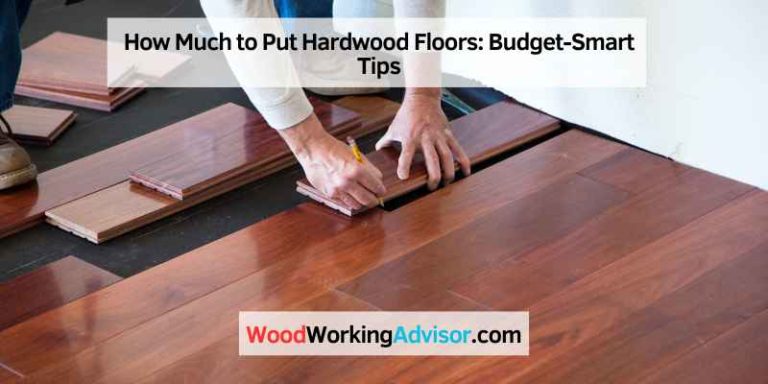
Labor costs are another big chunk. Installing hardwood floors isn’t a DIY project for most of us—it takes skill. Depending on where you live in the USA, labor rates can vary wildly. And don’t forget about subfloor preparation. If your existing floor needs work, that can add to the bill. Finally, there are extras like removing old flooring, adding underlayment, or installing trim. All these pieces add up, and I’ll explain each one so you know what to expect.
Types of Hardwood Flooring and Their Costs
Let’s talk about the flooring itself. When I was picking out hardwood for my home, I learned there are two main types: solid and engineered. Each has its pros, cons, and price points.
Solid hardwood is what you probably picture when you think of classic wood floors. It’s made from a single piece of wood, like oak or cherry. It’s super durable and can be sanded and refinished multiple times, which is great for longevity. But it’s pricier. On average, solid hardwood costs between $3 and $10 per square foot for the material alone. High-end options, like exotic woods, can go up to $15 or more.
Engineered hardwood, on the other hand, is made of a thin layer of real wood on top of a plywood base. It’s more resistant to moisture, so it’s great for basements or humid areas. It’s also cheaper, usually ranging from $2 to $8 per square foot. I went with engineered hardwood in my kitchen because I was worried about spills, and it’s held up beautifully.
Here’s a quick table to compare the two:
| Type | Cost per Square Foot | Pros | Cons |
|---|---|---|---|
| Solid Hardwood | $3–$15 | Durable, can be refinished | Sensitive to moisture, pricier |
| Engineered Hardwood | $2–$8 | Moisture-resistant, budget-friendly | Limited refinishing, less premium |
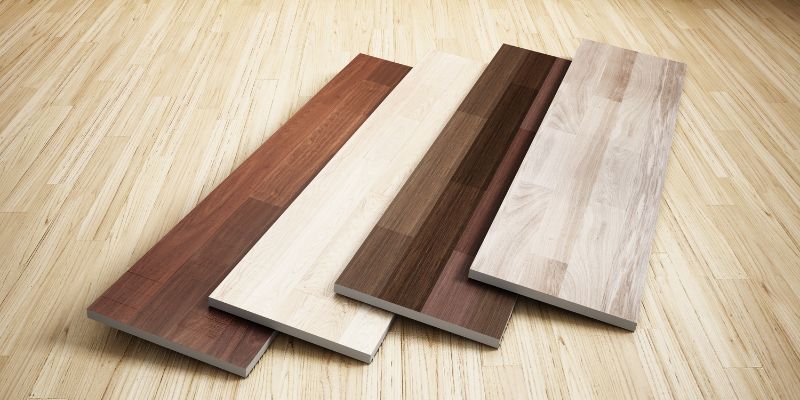
The wood species matters too. Oak is one of the most affordable and popular choices, while exotic woods like Brazilian cherry or teak can double the cost. I stuck with red oak for my living room—it’s classic and didn’t break the bank.
Labor Costs: What to Expect
Labor is where things can get tricky. When I got quotes for my flooring project, the labor costs varied a lot depending on the contractor and my location. On average, professional installation in the USA runs between $3 and $8 per square foot. If you’re in a big city like New York or San Francisco, expect to pay closer to the higher end. In smaller towns, you might get away with less.
What affects labor costs? The complexity of the job is a big factor. A straightforward installation on a flat, clean subfloor is cheaper than one that requires removing old carpet or leveling the floor. If you want a custom pattern, like herringbone or chevron, labor costs can climb to $10 or more per square foot. I went with a simple plank layout to keep things affordable, but those intricate designs are stunning if you’ve got the budget.
Another thing to consider is the contractor’s experience. I learned the hard way that going with the cheapest option isn’t always the best idea. A skilled installer will make sure your floors look flawless and last for years. Ask for references and check reviews before hiring anyone.
Subfloor Preparation and Additional Costs
Before the hardwood goes down, your subfloor needs to be ready. This was a bit of a surprise for me when I started my project. If your subfloor is uneven or damaged, it needs to be fixed, and that costs extra. Leveling a subfloor can add $1 to $3 per square foot. In my case, my old house had some uneven spots, and the contractor had to spend a day leveling things out.
Removing old flooring is another cost to factor in. Taking out carpet or tile can cost $1 to $2 per square foot. If there’s glue or adhesive involved, like with old vinyl, it might be more. I had to pay extra to remove some ancient linoleum in my dining room, but it was worth it for a smooth installation.
Underlayment is another potential expense. It’s a thin layer that goes between the subfloor and hardwood to reduce noise and add cushioning. It’s not always necessary, but it can cost $0.50 to $2 per square foot. I skipped it in some rooms to save money, but I added it in my bedroom for extra comfort.
Location, Location, Location
Where you live in the USA makes a huge difference in costs. I’m based in the Midwest, where prices are pretty reasonable. But if you’re in a high-cost area like California or New York, you’ll pay more for both materials and labor. For example, in rural areas, total installation costs (materials plus labor) might range from $6 to $12 per square foot. In urban areas, it could be $10 to $20 or more.
I called around for quotes in my area and found that local suppliers sometimes offer better deals than big-box stores. It’s worth shopping around and getting multiple estimates. If you’re in a competitive market, you might even negotiate a discount.
DIY vs. Professional Installation
I’ll be honest—I briefly considered installing the floors myself to save money. But after watching a few YouTube tutorials, I realized it’s a lot harder than it looks. Professional installation is worth it for most people. It ensures the job is done right, and you won’t end up with gaps or creaky boards.
That said, if you’re handy and have experience, DIY could save you $3 to $8 per square foot. You’ll need tools like a nail gun, saw, and plenty of patience. I decided to leave it to the pros, and I’m glad I did. My floors look amazing, and I didn’t have to stress about messing it up.
Hidden Costs to Watch Out For
One thing I wish I’d known going in is that there are always a few hidden costs. For example, moving furniture can add to the bill if you don’t do it yourself. Some contractors charge $100 to $500 for this, depending on how much stuff you have. I moved my own furniture to save a bit, but it was a hassle.
Transition pieces, like thresholds between rooms, can cost $50 to $200. Baseboards or trim might need to be replaced or painted, which adds another $1 to $3 per linear foot. And if your home is old, like mine, you might run into surprises like water damage or uneven floors that need fixing.
How to Budget for Your Hardwood Flooring Project
Planning a budget was a game-changer for me. Here’s how I approached it. First, measure your space to figure out the square footage. Don’t forget to add 5-10% extra for waste or cuts. For a 1,000-square-foot room, you might need 1,100 square feet of material.
Next, decide on your priorities. Do you want high-end walnut floors, or is oak good enough? Are you okay with engineered hardwood to save money? Get at least three quotes from contractors to compare prices. I found that some included extras like furniture moving, while others charged separately.
Here’s a rough estimate for a 1,000-square-foot project:
| Item | Cost Range |
|---|---|
| Material (mid-range oak) | $5,000–$8,000 |
| Labor | $3,000–$8,000 |
| Subfloor prep/removal | $1,000–$3,000 |
| Extras (trim, underlayment) | $500–$1,500 |
| Total | $9,500–$20,500 |
Your costs could be lower or higher depending on your choices and location. I spent about $12,000 for my 1,200-square-foot project, and it was worth every penny.
Tips to Save Money Without Sacrificing Quality
I love a good deal, so I looked for ways to keep costs down. One trick is to choose a more affordable wood species like oak or maple instead of exotic options. You can also shop for deals at local flooring stores or during seasonal sales. I scored a discount by buying my materials during a Black Friday sale.
Another tip is to handle some prep work yourself, like removing old flooring or moving furniture. If your budget is tight, consider using engineered hardwood in some areas and solid hardwood in high-traffic rooms. I also recommend getting multiple quotes and asking contractors if they can match a competitor’s price.
Maintaining Your Hardwood Floors
Once your floors are installed, you’ll want to keep them looking great. I’ve learned a few tricks to maintain mine. Regular sweeping or vacuuming prevents scratches from dirt and grit. Use a damp mop with a hardwood-safe cleaner for deeper cleaning, but don’t overdo the water—too much can damage the wood.
Area rugs are a lifesaver in high-traffic areas. I put one in my hallway, and it’s saved my floors from wear and tear. Also, avoid walking on your floors with high heels or muddy shoes. If you have pets, keep their nails trimmed to prevent scratches. Refinishing every 7-10 years can keep solid hardwood looking brand new, but engineered wood might need replacing sooner.
Why Hardwood Floors Are Worth the Investment
I can’t say enough about how much I love my hardwood floors. They’ve added so much warmth and character to my home. They’re also a great investment. Real estate agents say hardwood floors can boost your home’s value by 2-5%. Plus, they’re durable and easy to maintain, so you’ll enjoy them for years.
For me, the cost was worth it for the beauty and longevity. My floors make my home feel inviting, and I get compliments from everyone who visits. Whether you’re renovating for yourself or to sell your home, hardwood floors are a smart choice.
Conclusion
Installing hardwood floors is a big decision, but it’s one that can pay off in so many ways. From the timeless beauty to the boost in home value, it’s an investment that’s hard to beat. I’ve shared everything I learned from my own experience—choosing materials, budgeting, and avoiding surprises—so you can feel confident moving forward. Whether you go for solid oak or engineered maple, plan carefully, get multiple quotes, and hire a pro you trust. Your dream floors are within reach, and they’ll make your home feel like a million bucks. Ready to get started? I know I was, and I’ve never looked back.
Frequently Asked Questions
How long does it take to install hardwood floors?
It depends on the size of the project and the condition of your subfloor. For a 1,000-square-foot area, installation typically takes 3-7 days. My 1,200-square-foot project took five days, including prep work and cleanup. Complex patterns or extensive subfloor repairs can add time.
Can I install hardwood floors over existing flooring?
Sometimes, yes. You can install hardwood over a solid, flat surface like plywood or concrete. But carpet, loose tiles, or uneven floors need to be removed first. I had to rip out old linoleum to ensure a smooth installation.
Are hardwood floors pet-friendly?
They can be! Hardwood is durable, but pet nails can cause scratches. I keep my dog’s nails trimmed and use rugs in high-traffic areas. Choosing a harder wood like oak or maple can also help.
How often do hardwood floors need refinishing?
Solid hardwood can be refinished every 7-10 years, depending on wear. Engineered hardwood has a thinner top layer, so it can only be refinished 1-2 times. I plan to refinish mine in a few years to keep them looking fresh.
Is engineered hardwood as good as solid hardwood?
It depends on your needs. Engineered hardwood is more affordable and moisture-resistant, making it great for basements or kitchens. Solid hardwood is more durable and can be refinished more times. I used both in my home and love them equally.