Color Guard Railing Systems: What They Are and How They Work
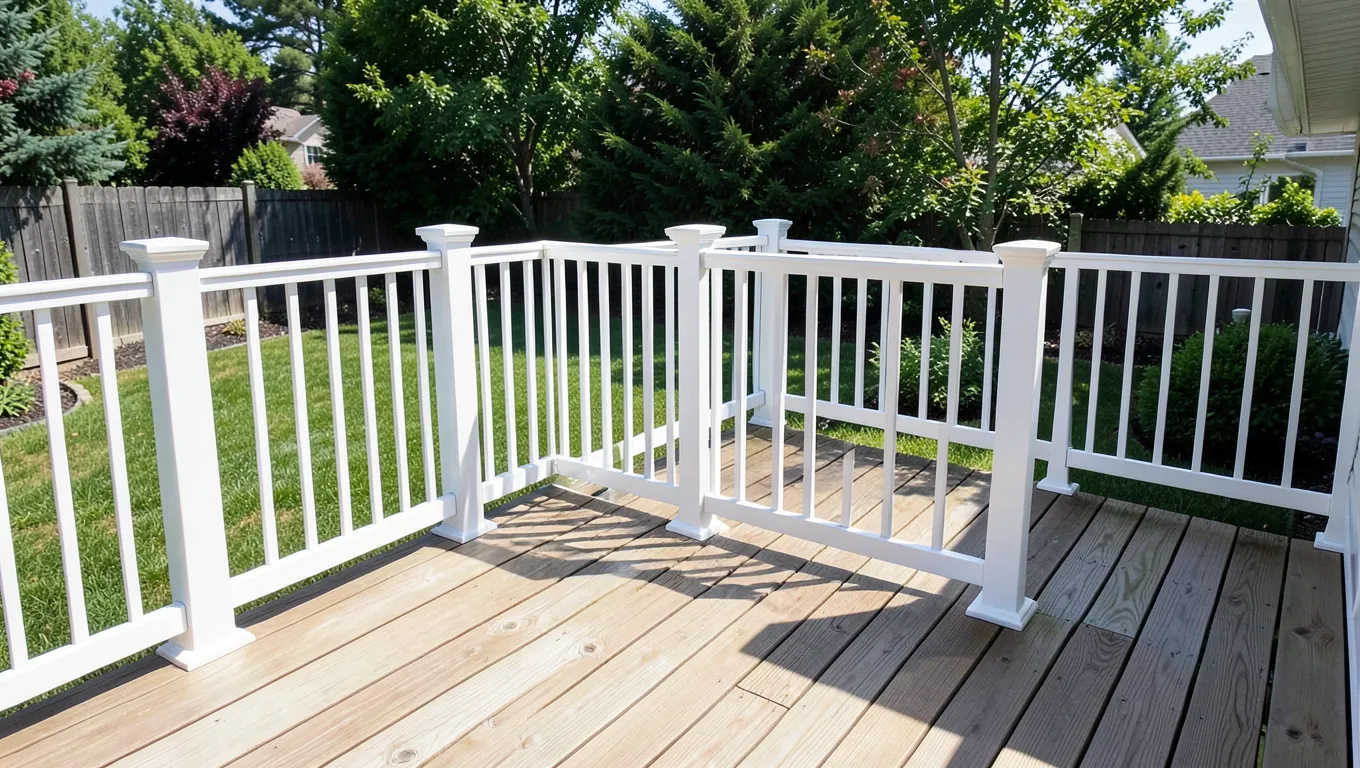
Color Guard is a real brand, made by Digger Specialties Inc. (DSI), that makes aluminum and vinyl deck and porch railing, including aluminum post sleeves that slide over an existing wood 4×4 or 6×6 post. For a woodworker or deck builder, the appeal is straightforward: keep the wood post doing the structural work, and let a weatherproof aluminum shell handle the part that faces the weather.
Here’s what the ColorGuard system actually is, how a post sleeve installs over a wood post you’ve already built, the material tradeoffs against solid wood railing, and a genuinely useful accessory if you just want to dress up the post bases you already have.
What Color Guard Railing Actually Is
Best Wood Post Dress-Up Kit
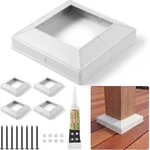 |
4-Pack Aluminum 4×4 Post Base Cover Kit – $44.99 Same idea as a full-height ColorGuard-style aluminum post sleeve, but sized for the base of the post: it snaps around your existing wood 4×4 and hides the raw post bottom, screws, and any concrete residue.
|
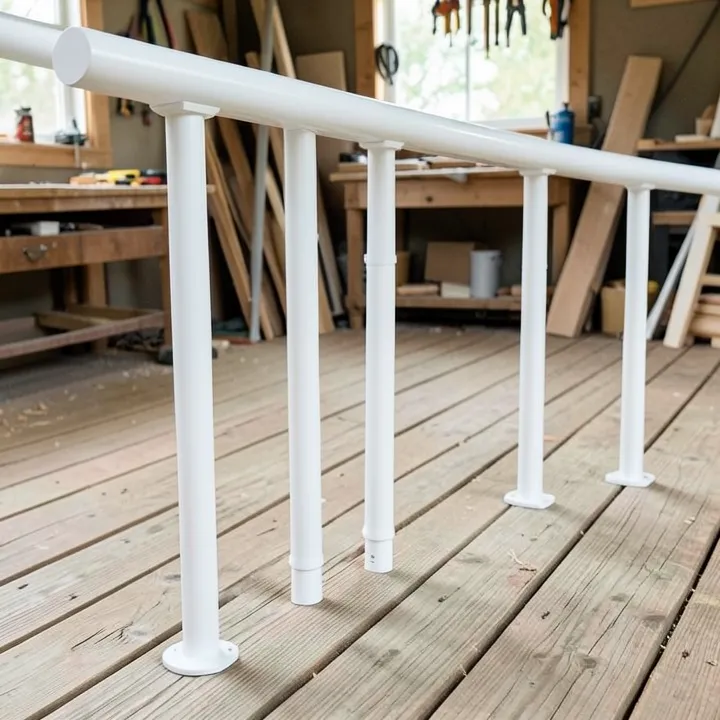
ColorGuard is a product line from Digger Specialties Inc., a manufacturer that also makes the Westbury aluminum railing brand. The core products are powder-coated aluminum railing panels (the Lincoln line is one specific style) and aluminum post sleeves sized to fit over standard 4×4 or 6×6 wood posts, sold in lengths like 44 inches or 108 inches depending on whether you’re covering a rail-height post or a full porch column. It’s sold through lumber yards and deck-specialty retailers rather than big-box shelves in most areas, so pricing and exact SKUs are typically quoted per project rather than listed as one fixed price.
Why Cover a Wood Post Instead of Building an All-Aluminum Rail
A solid wood 4×4 post is cheap, strong, and easy to set and brace correctly — framing skills most deck builders already have. The tradeoff is maintenance: exposed wood needs re-staining or re-painting every couple of years to resist checking, graying, and rot at the base where it meets the deck or ground. A post sleeve lets you build the structural frame in ordinary pressure-treated lumber, then slide a powder-coated aluminum shell over the finished, visible parts of the post. You get the low-maintenance look and color-matching of an aluminum system without engineering an all-metal post-and-footing design from scratch. If a fully see-through rail is more your style, our guide to stainless steel cable railing systems covers that alternative in the same wood-post-plus-metal-hardware spirit.
Material Comparison: Aluminum Sleeve vs. Solid Wood vs. Vinyl
- Aluminum (sleeve or full railing): Won’t rust, resists fading better than most paint, needs little more than an occasional soap-and-water wash. Costs more up front than an equivalent length of wood railing and, once powder-coated, isn’t something you can easily re-color yourself if you want a different shade later.
- Solid wood: Cheapest material, easiest to build and modify with standard tools, but needs recurring stain or paint and is the most exposed to rot, splitting, and insect damage over time, especially near ground contact.
- Vinyl: Low maintenance like aluminum and typically cheaper, but less rigid, so vinyl rail sections usually need more frequent post spacing, and vinyl can become brittle and crack in very cold climates over many years.
Installing a Post Sleeve Over an Existing Wood Post
- Confirm the wood post is sound, plumb, and properly set before covering it — a sleeve hides a rotting or leaning post, it doesn’t fix one.
- Measure the post’s actual dimensions; a 4×4 post is typically closer to 3.5×3.5 inches actual size, and sleeves are sized to that real dimension, not the nominal one.
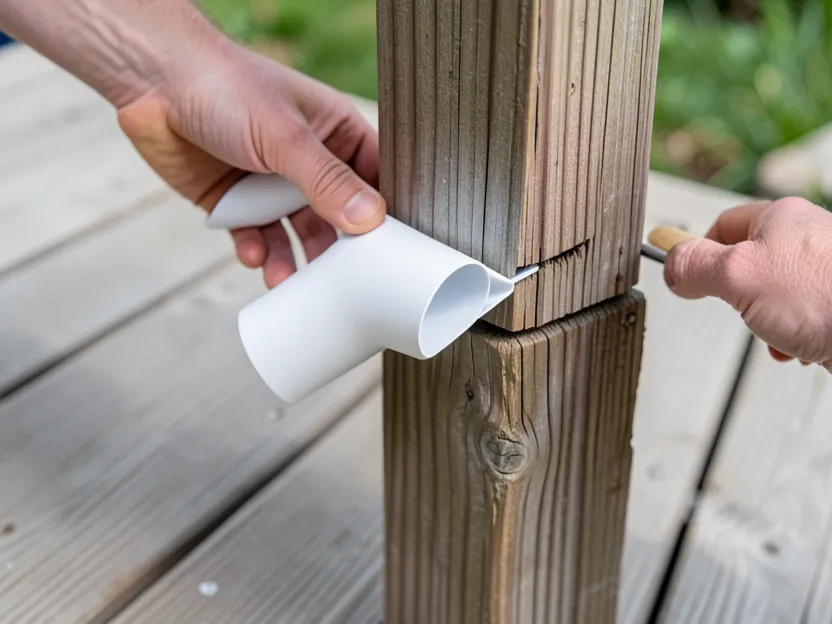
- Slide or snap the sleeve over the post from the top down, or use a split/hinged sleeve designed to close around a post that’s already capped or railed.
- Secure per the manufacturer’s instructions, which is usually a combination of a snug friction fit plus a few concealed screws or clips rather than screwing through the visible face.
- Cap the top with a matching post cap if the sleeve doesn’t include one, since an open top is where water intrusion starts.
Frequently Asked Questions
Is ColorGuard Aluminum Railing Or Vinyl?
ColorGuard, made by Digger Specialties Inc. (DSI), sells both aluminum and vinyl railing lines. Its aluminum post sleeves and railing (like the Lincoln line) use a powder-coated aluminum shell, while its vinyl products are a separate product family under the same brand.
Can You Put An Aluminum Post Sleeve Over An Existing Wood Post?
Yes, that’s the specific purpose of a post sleeve: it slides or snaps over an existing 4×4 or 6×6 wood post so the post keeps its structural wood core while showing a weatherproof aluminum exterior. You don’t need to remove or replace the post.
Do Aluminum Railing Systems Rust?
Powder-coated aluminum railing does not rust the way steel does, since aluminum doesn’t corrode the same way and the powder coat adds a further weatherproof layer. It can still show wear, chalking, or scratches through the coating over many years, but rust itself isn’t the failure mode.
How Much Does An Aluminum Deck Railing System Cost?
Aluminum railing sections and post sleeves are typically sold by the linear foot or per section through building suppliers and deck specialty retailers rather than as one fixed price, and cost varies by height, color, and whether you’re buying pre-assembled panels or a full post-and-rail kit. Get a quote for your specific run length and post count rather than assuming a flat per-house price.
Conclusion
ColorGuard and similar aluminum post-sleeve systems solve a specific problem well: they let you build a wood-framed deck the way you already know how, then dress the visible posts and rails in a weatherproof, low-maintenance aluminum shell instead of committing to a full metal or vinyl rebuild. If you just want to clean up the post bases you already have without a full sleeve, a base cover kit gets most of the visual benefit for a fraction of the cost.
Sponsored / affiliate links. As an Amazon Associate I earn from qualifying purchases. I may earn additional commission from eligible campaigns.