Fiberon Composite Decking: Product Lines, Real Warranty Terms, and Installation
Fiberon (owned by Fortune Brands Innovations) is one of the larger composite decking manufacturers in the US, with warranty coverage that genuinely varies by product line — from 25 years on entry collections up to Lifetime structural coverage on premium composite and PVC lines. That range matters more than most overview pages let on, since which collection you buy meaningfully changes what’s actually covered.
What Fiberon Decking Is Made Of
Made For Grooved Composite Boards Like Fiberon’s
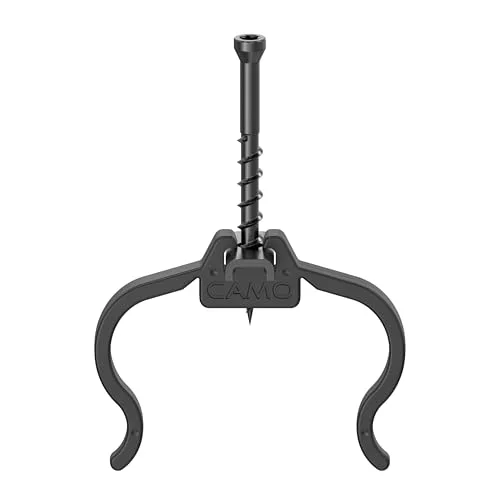 |
CAMO EDGEClip Universal Hidden Deck Fastener Clip, 90-ct – $47.99 Rated for wood, composite, capped composite, and PVC grooved deck boards — the fastener type most Fiberon composite lines are designed to install with, for a clean surface with no visible screw heads.
|
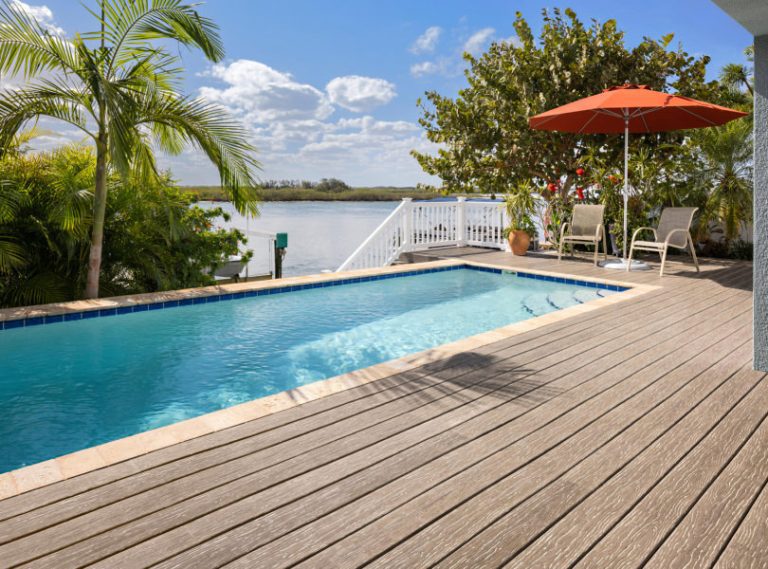
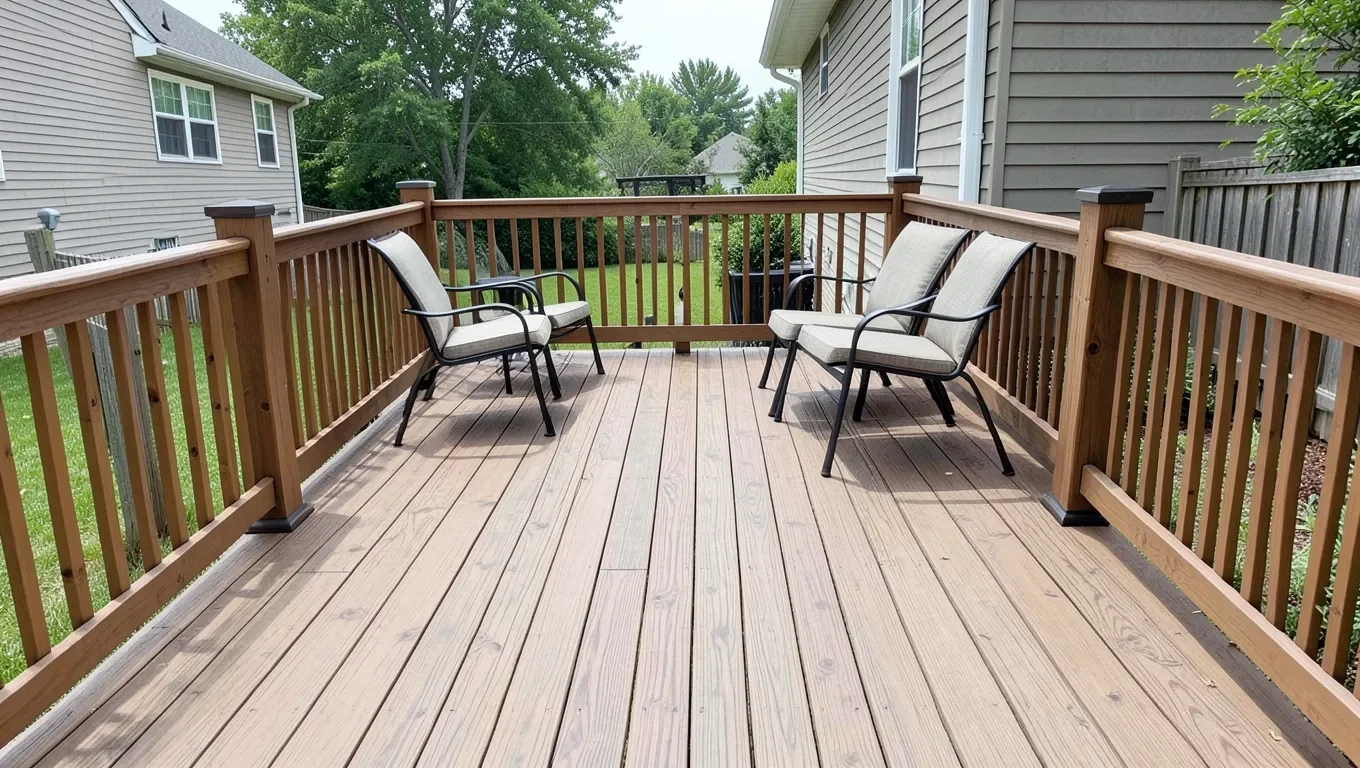
Fiberon’s composite boards are made from a blend of recycled wood fiber and recycled plastic, with premium lines adding a capped polymer shell around the board for extra fade, stain, and scratch resistance beyond the base composite core. Their PVC lines (Promenade, Paramount) are a different material entirely — 100% synthetic PVC rather than a wood-plastic composite — which trades a small amount of the “real wood fiber” feel for maximum moisture immunity, since there’s no wood content at all to absorb water.
Real Warranty Terms (They Vary A Lot By Line)
| Product Line | Performance/Structural Warranty | Fade & Stain |
|---|---|---|
| Good Life Weekender / Jatoba (entry composite) | 25 years | Included in performance warranty |
| Good Life Escapes | 30 years | Included in performance warranty |
| Sanctuary | 40 years | Included in performance warranty |
| Concordia Symmetry / Concordia Horizon | Lifetime | Included in performance warranty |
| Promenade / Paramount (PVC) | Lifetime | Included in performance warranty |
On top of the product-specific performance warranty, Fiberon also offers a separate 5, 10, or 15-year limited labor warranty on select products — a different coverage type that reimburses installation labor if a defect requires board replacement within that window, distinct from the product warranty itself. Always confirm current terms directly with Fiberon or the specific product’s documentation before purchase, since warranty terms are set by the manufacturer and can be updated between collections.
Installation: What’s Actually Different From Wood
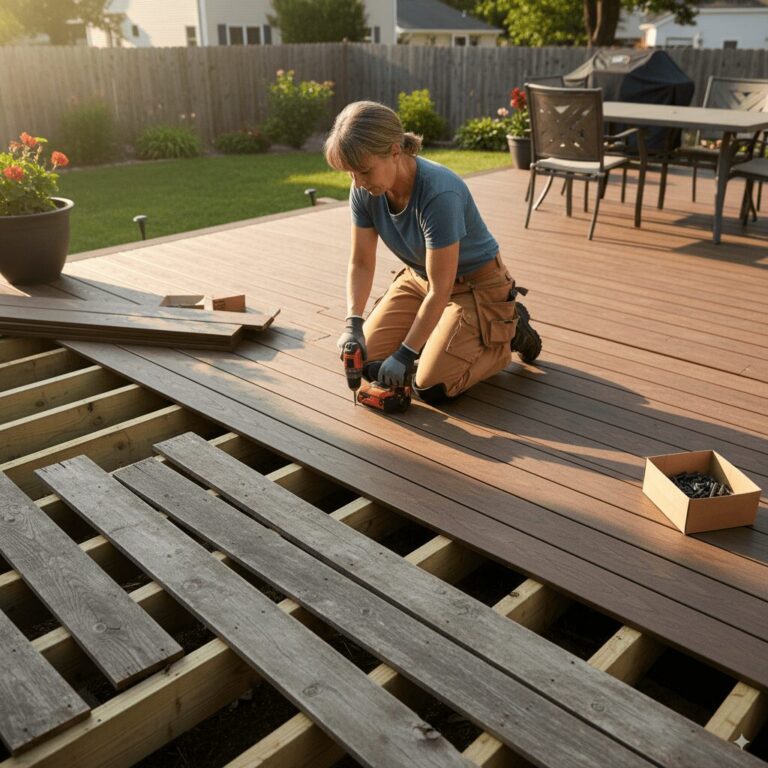
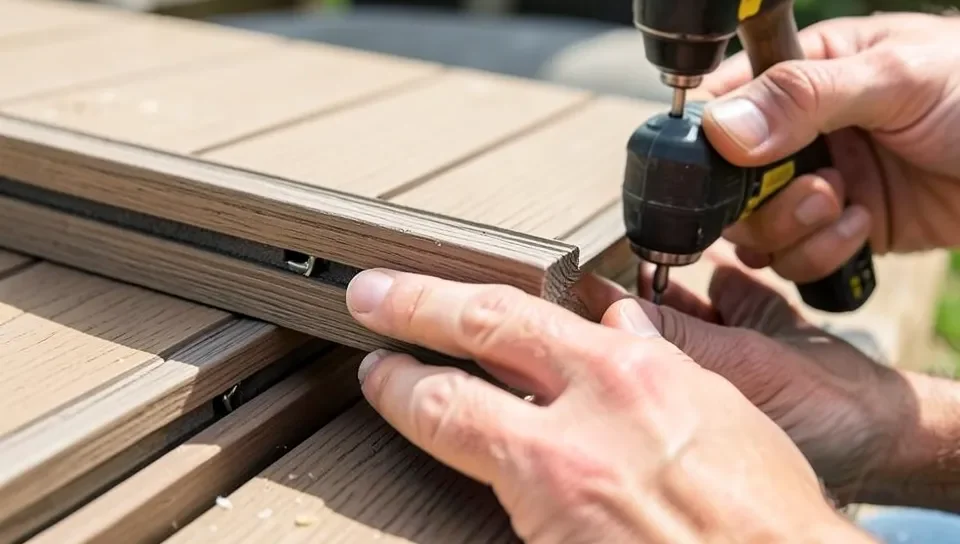
Most Fiberon composite lines use a grooved-edge board design meant for hidden fastener clips (like the CAMO clips above) rather than face-screwing through the board’s surface — this is what gives composite decking its clean, screw-free look compared to a traditional wood deck. The tradeoff is that hidden-fastener installation requires the joist spacing and clip spacing to be correct from the start; retrofitting hidden fasteners onto an existing frame not built with the right spacing is more work than it looks. Composite boards also need slightly different gap spacing than wood to account for thermal expansion, since composite material expands and contracts more with temperature swings than solid wood does — check the specific product’s installation guide for the exact gap recommendation rather than assuming wood-deck spacing applies.
Fiberon Vs. Other Major Composite Brands
Fiberon competes most directly with Trex and TimberTech (the other two large national composite decking manufacturers), and the honest comparison isn’t that one brand is definitively “better” — each offers a similar tiered structure of entry, mid, and premium capped/PVC lines with broadly comparable warranty ranges at each tier. The practical differences that actually matter for a buying decision are color/texture options in your specific region, local dealer availability and pricing, and which brand’s premium line best matches the specific look you want (wood-grain realism varies noticeably between brands and even between collections from the same brand). Comparing actual sample boards in person, rather than photos, is worth doing before committing, since composite color and texture render differently online than in daylight.
Cost: What To Actually Expect
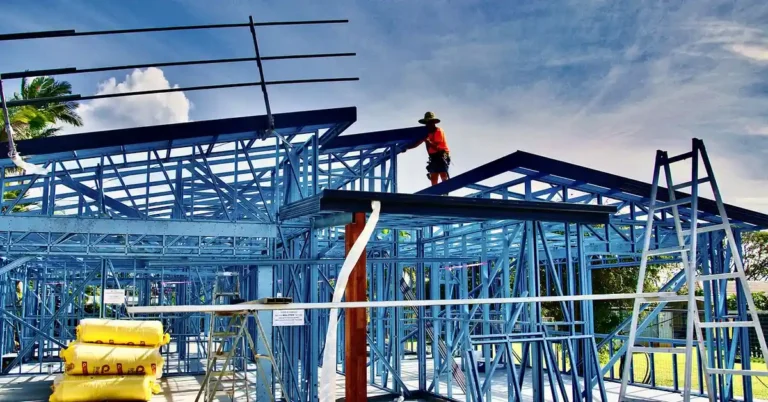
Composite decking, including Fiberon’s lines, typically costs more per square foot upfront than pressure-treated wood, with the gap widening further for premium capped composite or PVC lines. The tradeoff mirrors the steel-vs-wood framing tradeoff discussed elsewhere on this site: higher material cost in exchange for near-zero ongoing maintenance (no annual sealing/staining) and a warranty-backed structural lifespan that, on premium lines, is explicitly rated for decades longer than a typical wood deck’s practical service life. Get an actual quote for your specific board selection and region rather than relying on a generic per-square-foot figure, since composite pricing varies meaningfully by collection tier and local dealer.
Maintenance
- Regular cleaning: soap and water or a composite-specific deck cleaner removes surface dirt and mildew — avoid pressure washing at close range or high PSI, which can damage the board surface, especially on capped composite lines.
- No sealing or staining needed: unlike wood, composite decking doesn’t require annual sealing — this is one of its genuine, real maintenance advantages over a wood deck.
- Watch for surface debris buildup: leaves and organic debris left sitting on the surface can encourage mildew growth even on a stain-resistant composite — periodic sweeping matters even though the material itself resists staining.
- Check hidden fasteners periodically: a loose board is more often a fastener issue than a material failure — inspect clip connections during routine deck checks.
Sustainability: The Real Story
Composite decking’s genuine environmental case is diverting recycled wood fiber and plastic (often reclaimed film and packaging plastic) from landfill into a durable building product, rather than manufacturing new material from virgin resources for a product that will need periodic replacement like wood. The tradeoff is that at true end-of-life, composite decking is harder to recycle again than solid wood, since it’s a bonded blend of materials rather than a single recyclable substance. Neither material has an unambiguous sustainability win over the other — it depends on what you weigh more heavily: recycled-content diversion now (composite’s case) versus a single-material product that’s simpler to deal with decades from now (wood’s case).
Frequently Asked Questions
How long does Fiberon decking last?
Warranty coverage ranges from 25 years on entry composite lines up to Lifetime structural coverage on premium composite and PVC lines — check the specific product line’s current warranty documentation, since terms vary significantly by collection.
Can you paint Fiberon decking?
Generally not recommended and not necessary — Fiberon’s color is manufactured into the board itself, and paint typically won’t adhere well or last on a composite/capped composite surface. If color is a concern, that’s a reason to choose the right color at purchase rather than plan to repaint later.
Conclusion
Fiberon’s real differentiator between product lines is warranty depth and material (standard composite, capped composite, or full PVC) — not a single blanket spec that applies across their whole catalog. Matching the specific collection’s actual warranty and material to your project, rather than assuming “Fiberon” means one uniform product, is the real decision to make before buying.
Sponsored / affiliate links. As an Amazon Associate I earn from qualifying purchases. I may earn additional commission from eligible campaigns.