Compare MDF And Plywood: Ultimate Material Guide
When you’re planning your next home improvement project or tackling a bit of DIY around the house, choosing the right materials is crucial. Two of the most common choices you’ll encounter are MDF (Medium-Density Fiberboard) and plywood.
But how do you decide which one is best for your needs? Understanding the differences between MDF and plywood can save you time, money, and future headaches. You might be wondering which material offers the best durability, cost-effectiveness, and ease of use.
This article will break down the key differences, benefits, and drawbacks of MDF and plywood, helping you make an informed decision that aligns perfectly with your project goals. Stay with us to uncover insights that will transform your next project from ordinary to extraordinary.
Credit: cameroontimberexport.com
Material Composition
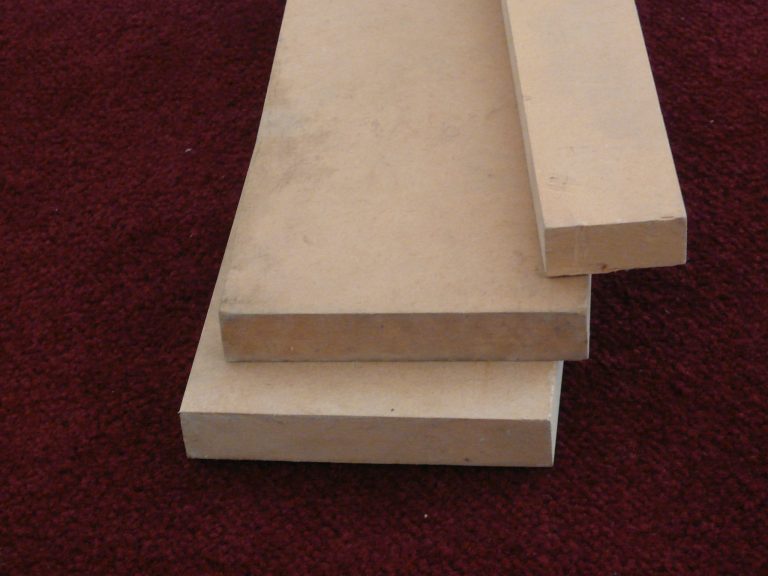
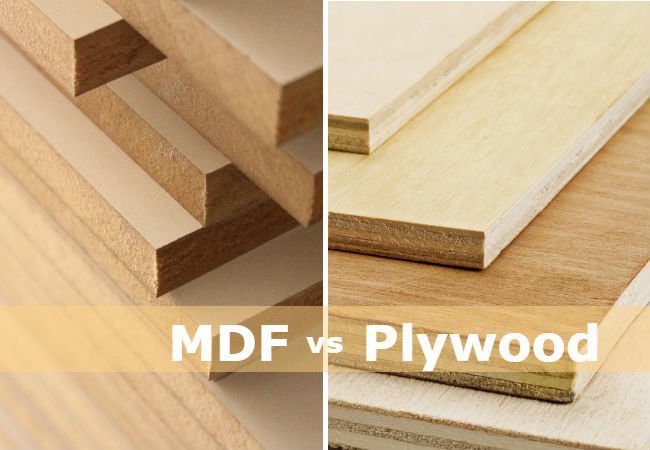
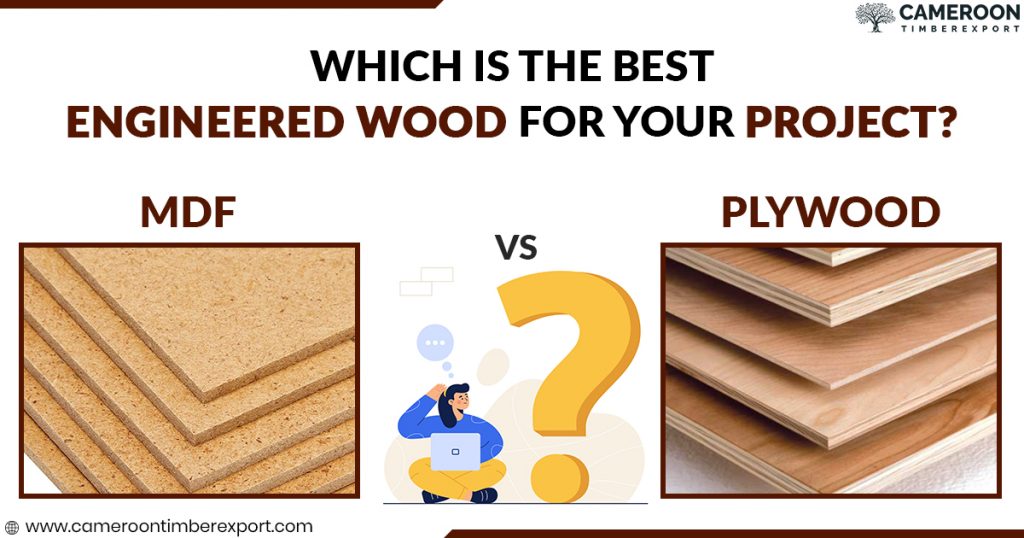
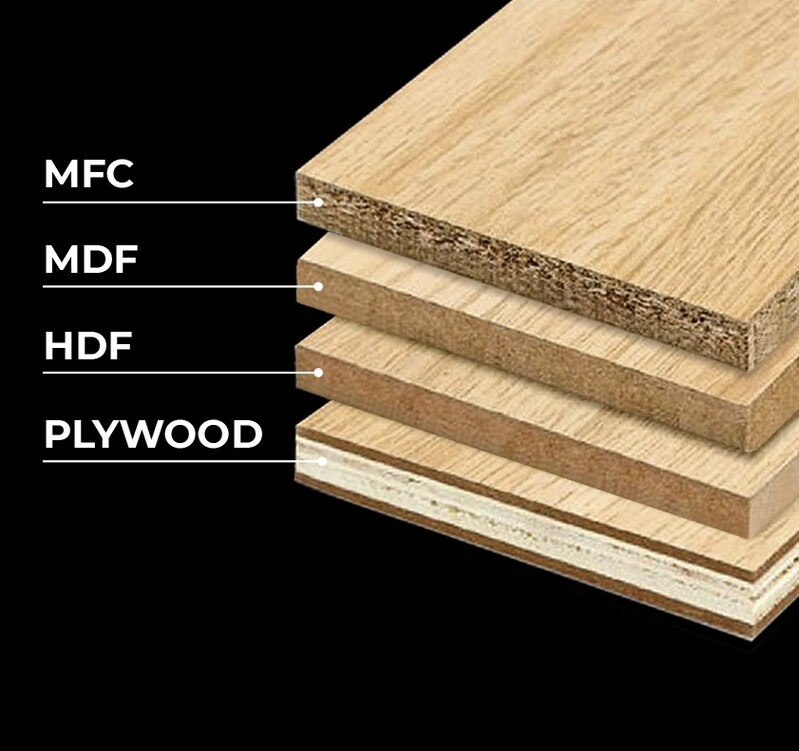
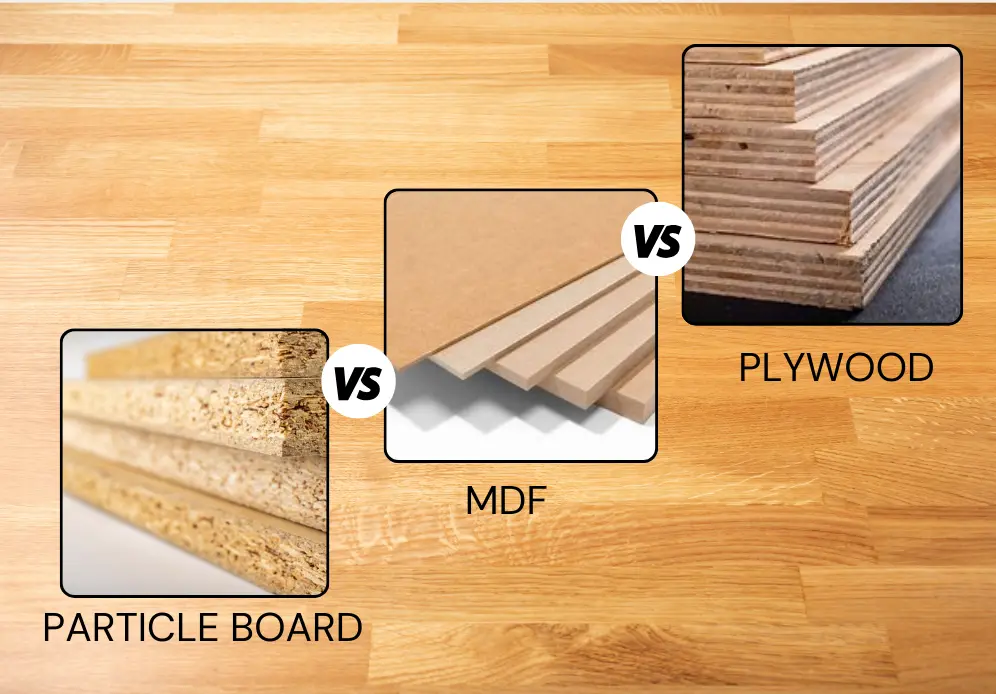
MDF is made from wood fibers. These fibers are mixed with wax and resin. The mixture is pressed into sheets. MDF is dense and smooth. It has no grain. It is easy to paint. MDF is used for furniture. It is less expensive than real wood.
Plywood is made of thin wood layers. These layers are glued together. The layers cross at angles. This makes plywood strong. It resists warping. Plywood is used in construction. It is good for shelves. Plywood has a natural wood look. It costs more than MDF.
Manufacturing Process
MDF is made from wood fibers mixed with wax and resin. Fibers are heated and pressed into sheets. These sheets are smooth and dense. MDF is strong and easy to cut. It is used for furniture and doors.
Plywood is made by gluing thin layers of wood together. Each layer is called a ply. Layers are crossed and glued to make sheets. Plywood is strong and flexible. It is used for floors and walls.
Physical Characteristics
MDF is made from wood fibers and glue. It is very dense. This makes it heavy. Plywood is lighter than MDF. It has layers of wood veneer. The layers are glued together. Weight can affect how easy it is to work with. MDF is often used for smooth surfaces. Plywood is better for strength.
MDF has a smooth surface. This is good for painting. It is often used for cabinets and shelves. Plywood has a rougher surface. You can see the wood grain. This gives a natural look. Surface texture matters in furniture design. MDF is easier to finish. Plywood needs more work for a smooth finish.
Durability And Strength
MDF is made from wood fibers. These fibers are glued together. This makes it dense. Its strength is good for indoor use. It doesn’t have layers like plywood. It can break if it gets too wet. MDF is smooth and easy to cut. But it isn’t as strong as plywood. It is best for furniture inside houses.
Plywood is made of thin wood layers. These layers are glued in crisscross. This makes plywood very strong. It can hold more weight than MDF. Plywood can also handle water better. It is good for making outdoor items. Its strength makes it a top choice for builders. Plywood is not as smooth as MDF. But it is more durable.
Environmental Impact
Comparing MDF and plywood reveals distinct environmental impacts. MDF, made from wood fibers and resins, often uses more chemicals. Plywood, constructed from thin wood layers, tends to be more eco-friendly due to its natural composition. Understanding these differences helps in making sustainable choices.
Sustainability Of Mdf
MDF uses wood fibers and glue. These fibers come from recycled wood. This makes MDF more sustainable. The glue can be less eco-friendly. Some glues release harmful chemicals. Formaldehyde is one of them. It can harm the air. Choosing low-formaldehyde MDF is better. Recycling MDF is hard. It can’t be reused easily. This can add to waste. Making MDF uses a lot of energy. This impacts the planet.
Plywood’s Eco-friendliness
Plywood uses thin sheets of wood. These sheets are glued together. Natural wood is used. This is better for the earth. The glue in plywood is safer. Less harmful chemicals are in it. Plywood is easier to recycle. It can be reused in many ways. Making plywood uses less energy. This helps the planet. Plywood can be more eco-friendly than MDF.
Credit: castacabinetry.com
Cost Comparison
MDF is often cheaper than plywood. It is made from wood fibers and glue. Low cost is a big reason people choose MDF. MDF can be a good choice for indoor projects. It is not as strong as plywood. Not waterproof, it can swell if wet. MDF is smooth and easy to paint. It is used for furniture and cabinets. Affordable for many people.
Plywood is more expensive than MDF. It is made from thin wood layers. It is strong and durable. Plywood is good for outdoor use. It is water-resistant and does not swell easily. Plywood is great for floors and walls. It is often used in building homes. Higher cost reflects its strength. People choose plywood for lasting projects.
Applications And Uses
MDF is used in making furniture. It is smooth and easy to paint. People use it for cabinet doors and panels. It works well for interior projects. You can find it in speaker boxes too. It is often used for craft projects because it cuts easily. MDF is also used in moldings and trim work. It is not good for places with water.
Plywood is strong and used in building construction. It is ideal for floors and walls. It is used in roofing and furniture. People use plywood for making boats and outdoor structures. It is good for areas with water. Plywood is also used in making musical instruments. It is light and easy to work with.
Maintenance And Care
MDF needs careful cleaning. Use a soft cloth to wipe dust. Avoid using water directly on MDF. Water can damage the surface. Choose a mild cleaner for stains. Spray cleaner on cloth, not MDF. Clean in circular motion gently. Dry with a separate cloth. Keep MDF away from moisture.
Plywood is strong but needs care. Dust it with a dry cloth. For stains, use a damp cloth. Never soak plywood in water. Use polish to keep the shine. Polish once a year. Check for scratches or dents. Fix them quickly. Plywood stays strong with proper care.
Pros And Cons
MDF is very smooth. This makes it great for painting. It does not have knots. So, it is easy to cut and shape. You can make detailed designs with it. MDF is also cheaper. It costs less than real wood. Many people like it for this reason. It’s also consistent in size and shape. No surprises here.
Plywood is strong and tough. It can hold weight well. It doesn’t break easily. This makes it good for shelves and floors. Plywood is also light. Easy to carry and move. It doesn’t swell much with water. So, it stays in shape. It comes in many sizes too. This helps in making different things.
MDF is not water-friendly. It swells and breaks in water. It is heavy. Harder to lift and move around. It can also release dust when cut. Breathing this dust is not good. So, a mask is needed. MDF is also not very strong. It can bend or sag over time. It needs support when used.
Plywood can have rough spots. Sanding may be needed. It can splinter. This can be a problem for kids. It costs more than MDF. Some people find it pricey. Plywood can also warp. Care is needed when storing it. It may not be as smooth as MDF. Painting might need extra work.
Credit: mrswoodcraft.com
Frequently Asked Questions
Which Is Better MDF Or Plywood?
MDF is smoother and easier to paint, ideal for indoor projects. Plywood is stronger, more durable, suitable for outdoor use. Choose MDF for detailed, indoor designs; plywood for strength and moisture resistance. Each has unique benefits depending on your project’s needs.
What Are 5 Disadvantages Of MDF?
MDF is prone to water damage and swelling. It has low resistance to heat and scratches. MDF emits formaldehyde, which can be harmful. It tends to sag under heavy weight. Cutting MDF generates dust, requiring proper ventilation.
When Should You Not Use MDF?
Avoid using MDF in high-moisture areas like bathrooms and kitchens. It can swell and deteriorate with water exposure. MDF is also unsuitable for heavy load-bearing applications due to its lower structural strength compared to solid wood or plywood. Choose alternatives for outdoor use to prevent weather damage.
Does MDF Sag More Than Plywood?
MDF tends to sag more than plywood due to its lower structural strength. Plywood’s layered construction provides better support and durability. MDF is suitable for indoor furniture, while plywood works well for weight-bearing projects. Consider your project’s needs before choosing between the two materials.
Conclusion
Choosing between MDF and plywood depends on your needs. MDF is smooth and great for painting. Plywood is strong and ideal for heavy-duty projects. Both materials have unique advantages. MDF is budget-friendly and easy to shape. Plywood offers durability and resistance to moisture.
Consider your budget, project, and environment. Each material serves different purposes. Both are useful in home improvement. Make an informed decision for the best results. Your choice impacts the final outcome. Always assess your project’s specific requirements. This ensures you pick the right material.
Happy building!