How to Dispose of MDF: Easy Eco-Friendly Tips
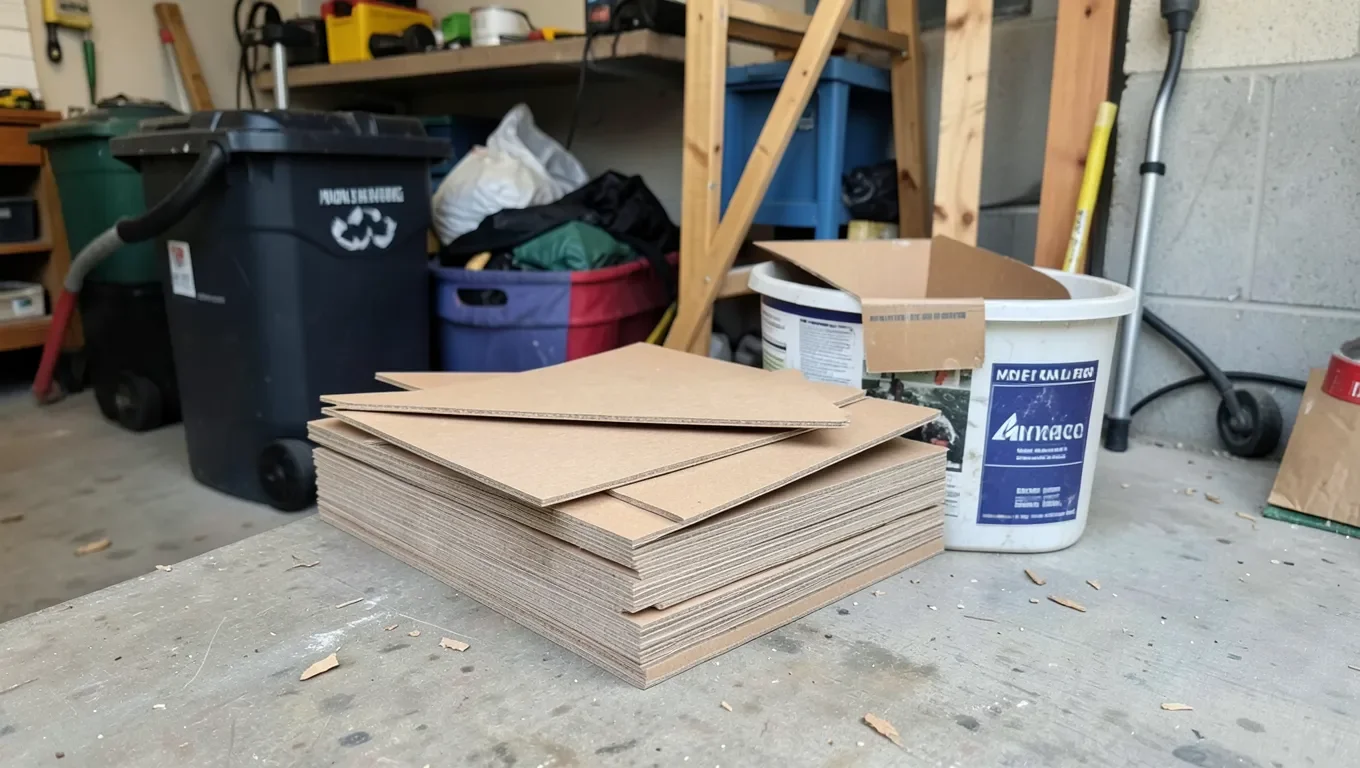
MDF almost always goes to a landfill or a construction & demolition (C&D) transfer station, not your curbside recycling bin. Genuine MDF recycling exists but is rare, since it means separating wood fiber from the cured resin binder – something only a handful of specialty facilities can do. Never burn MDF and never use scraps as garden mulch; both release or introduce the formaldehyde-based resin that holds the board together.
What MDF Actually Is (And Why It’s Hard To Get Rid Of)
Best For Cutting MDF Safely Before Disposal
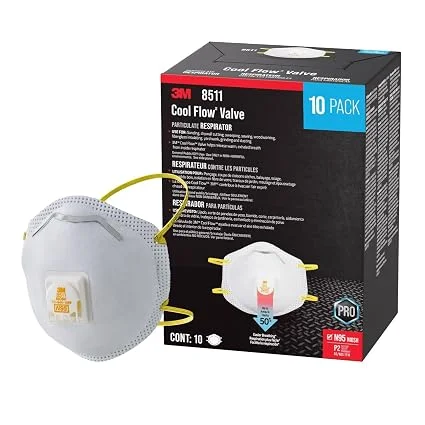 |
3M 8511 N95 Valved Respirator, 10-Pack – $24.34 NIOSH-approved for fine particulates – cutting or sanding MDF down to fit in trash bags kicks up dust bound with resin, which is worth not breathing.
|
MDF (medium-density fiberboard) is wood fiber pressed and bonded with urea-formaldehyde resin under heat and pressure. That resin is exactly what makes it dense, smooth, and easy to paint – and exactly what makes disposal more complicated than plain solid wood. Cutting or sanding it releases fine dust carrying resin particles, and because the fiber and resin are so thoroughly bonded, they can’t be separated by hand or with typical recycling-center equipment.
This is also why MDF is usually classified with construction and demolition (C&D) debris rather than ordinary household waste or single-stream recycling. Curbside recycling programs are built around paper, glass, metal, and certain plastics – they’re not equipped to process engineered wood panels, and putting MDF in a curbside recycling bin typically just gets it pulled out and landfilled anyway, or can contaminate the rest of that batch.
Where MDF Actually Goes: Your Real Options
In order of how available these actually are to most homeowners:
- Municipal transfer station or landfill, as C&D debris. This is the most common and most reliable option. Many charge by weight or by the truckload, and some have a specific C&D or “bulky waste” drop-off separate from regular household trash.
- Specialty MDF/panel recycling programs. These exist in some regions (mostly larger cities and parts of the UK/EU, where manufacturer take-back schemes are more established) but are genuinely uncommon in the US. Call ahead and ask specifically whether they take MDF, not just “wood” – many wood recyclers explicitly exclude engineered panel products.
- Reuse or donation, if the piece is still structurally sound. Habitat for Humanity ReStores, school art departments, and community makerspaces sometimes take clean offcuts for shelving, sets, or craft projects. This only applies to intact, usable pieces – not sawdust or small scraps.
- Regular household trash, for small amounts. Many municipalities allow small quantities of MDF in normal trash pickup, cut down to fit; check your local rules first since this varies by city.
Two Things You Should Never Do With MDF Scraps
Don’t burn it. Burning MDF – in a fireplace, wood stove, fire pit, or as kindling – releases formaldehyde and other combustion byproducts from the resin binder into the smoke. This is a real health hazard whether it’s happening indoors or outdoors, and it’s different from burning clean, unfinished solid wood.
Don’t use it as garden mulch or compost. This shows up as disposal advice online (including in an earlier version of this article), but it’s a mistake: mulch and compost are meant to break down into soil, and MDF’s resin binder isn’t something you want breaking down into the same soil you’re growing food in. Untreated solid wood chips are fine as mulch. MDF, particleboard, and other resin-bonded panel products are not – treat them as C&D waste instead.
Reusing MDF Before It Becomes Waste
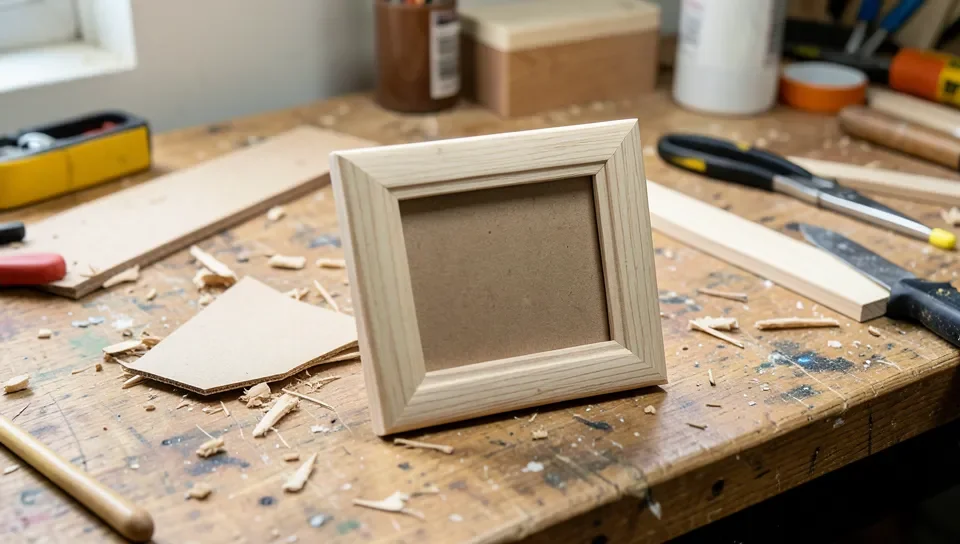
The best way to reduce MDF disposal is to not need to dispose of it in the first place. Offcuts too small for a current project still work well for shop jigs, drawer dividers, or backing boards where appearance doesn’t matter. Painted or sealed offcuts also hold up fine as small craft-project material – picture frames, coasters, simple boxes – since a light coat of paint or sealer covers the raw edge without needing to worry about resin exposure the way raw sawdust does.
Safety While Handling MDF
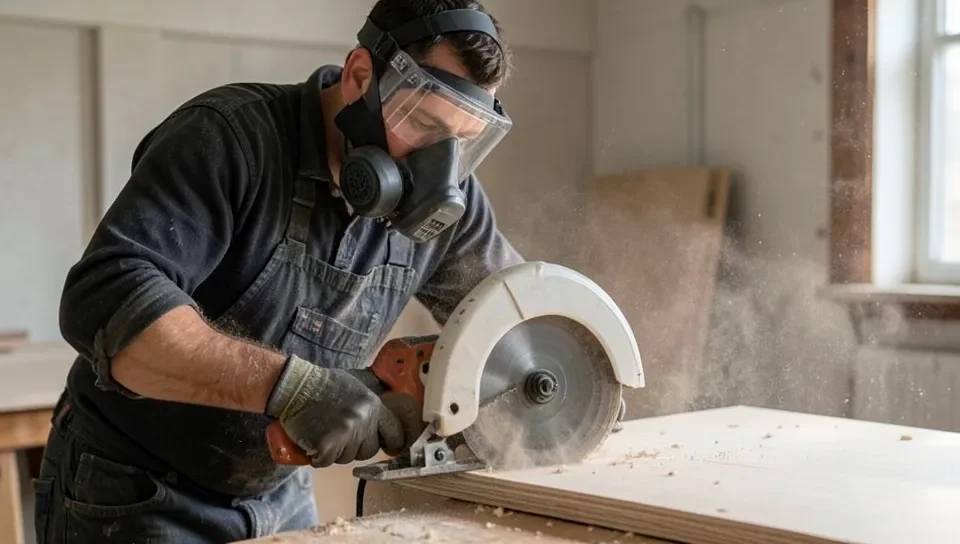
Cutting, sanding, or breaking down MDF for disposal produces fine dust that carries resin particles – wear a NIOSH-rated N95 respirator (not a basic cloth or surgical mask) and safety glasses, and work in a ventilated area or with a dust collector attached to your saw or sander. Keep the workspace swept rather than letting dust accumulate, and wash exposed skin after handling large amounts.
Reducing How Much MDF You Need To Dispose Of
Buying closer to the exact quantity a project needs, and planning cuts to use full sheets efficiently, cuts down on offcuts before they ever become a disposal problem. If a project doesn’t need MDF’s specific strengths (smooth paintable surface, consistent density), plywood or solid wood are both easier to recycle or reuse later, and don’t carry the same resin-content disposal complications.
What Disposal Actually Costs
Most transfer stations charge C&D debris by weight, often somewhere in the range of $30-$80 per ton, with many locations also setting a minimum charge (sometimes $10-$20) even for a single sheet’s worth of scraps – worth calling ahead to ask, since posted rates vary a lot by county and some facilities charge by volume (per pickup-truck-load) instead of weight. A few sheets of offcuts from a normal home project usually falls well under a ton, so the practical cost for most people is closer to that minimum charge than a large per-ton bill. Bulky-item curbside pickup, where a municipality offers it, is sometimes free or included in existing waste service, which is worth checking before assuming a paid drop-off is the only option.
Frequently Asked Questions
How Do You Get Rid Of MDF?
Most areas treat MDF as construction & demolition (C&D) debris rather than household recycling – check with your municipal transfer station or landfill, since curbside recycling almost never accepts it. Never burn it, and wear a respirator when cutting it down to fit in a regular trash bag or bin.
Can MDF Be Recycled?
Technically yes, but practically almost never for individual consumers – recycling MDF means separating wood fiber from the cured urea-formaldehyde resin binder, which requires industrial equipment that only a small number of specialty facilities operate. Call ahead before assuming a general recycling center takes it; most don’t.
Is It Safe To Use MDF Scraps As Mulch Or Compost?
No. MDF is bonded with urea-formaldehyde resin, and chipping it for garden mulch or compost risks introducing that resin and its breakdown products into soil. Untreated solid wood chips are fine for mulch; MDF, particleboard, and other resin-bonded panel products are not.
Can You Burn MDF In A Fireplace Or Fire Pit?
No. Burning MDF releases formaldehyde and other combustion byproducts from the resin binder, which is a real inhalation hazard indoors or out. It should go to a landfill or transfer station, not a fire.
Curious exactly why the resin blocks curbside recycling, and what real industrial MDF recycling looks like? See our deep dive on how MDF can actually be recycled.
Conclusion
Treat MDF as construction and demolition debris, not household recycling – your local transfer station or landfill is the reliable option, with genuine recycling and donation as bonuses when they’re actually available in your area. Never burn it and never mulch it into garden soil; both release the same resin binder that makes MDF useful in the first place.
Sponsored / affiliate links. As an Amazon Associate I earn from qualifying purchases. I may earn additional commission from eligible campaigns.