Corn Cob Vs Walnut Media: Proven Best
Corn cob vs walnut media? For general tumbling and cleaning in woodworking, corn cob media generally offers a gentler, more affordable finish, while ground walnut shells provide far superior aggressive cleaning and polishing for tough grime on metal parts or very hard woods. The “best” choice depends entirely on your specific finishing goal.
Welcome to the workshop! As makers, we all chase that perfect, smooth finish. Sometimes, achieving that look means tumbling small parts or cleaning up intricate carvings we just finished. When you search for tumbler media, two names keep popping up: corn cob and walnut shells.
It can be confusing. Which one should you buy? Will one scratch my delicate work? Don’t worry. Choosing the right media is just as important as picking the right sandpaper grit. I’m Md Meraj, and I’m here to break down the differences step-by-step. Soon, you will know exactly which media will give your next project that professional touch, safely and affordably.
Understanding Tumbling Media in Woodworking
Before we dive into the corn cob vs walnut media debate, let’s quickly cover what tumbling media is for. Tumblers—whether they are rotary tumblers for slow, long cycles or vibratory tumblers for faster work—use friction and media to smooth, clean, or polish items.
In woodworking, media isn’t usually for smoothing raw wood (that’s what sanding is for). Instead, we use media for specific finishing jobs:
- Cleaning dried glue out of joints or crevices.
- Removing light oxidation or tarnish from metal hardware (like hinges or screws).
- Lightly burnishing or shining very small, dense, turned wood pieces (like beads).
- Giving a final, soft polish to resin castings or acrylic parts.
The material you choose dictates how aggressive the action will be. Too gentle, and nothing happens. Too aggressive, and you risk damaging your piece.
Corn Cob Media: The Gentle Workhorse
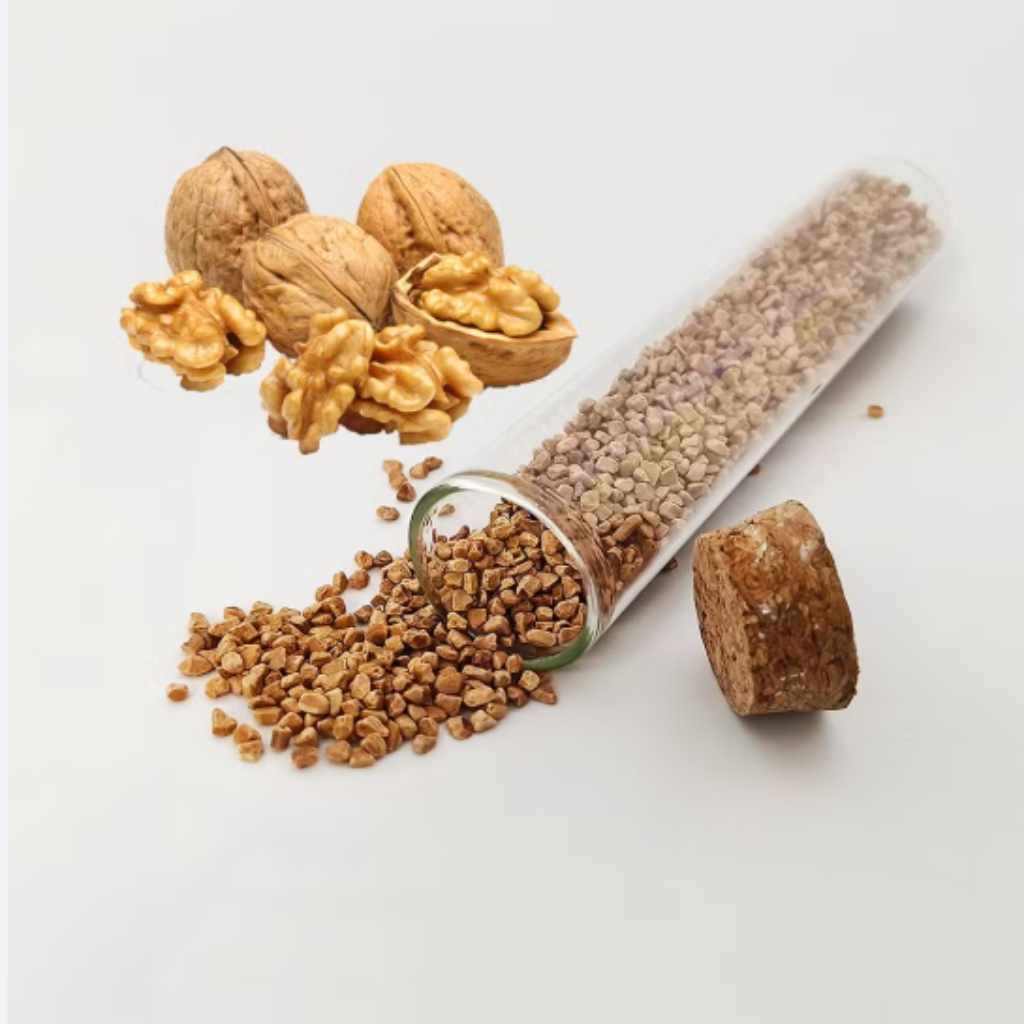
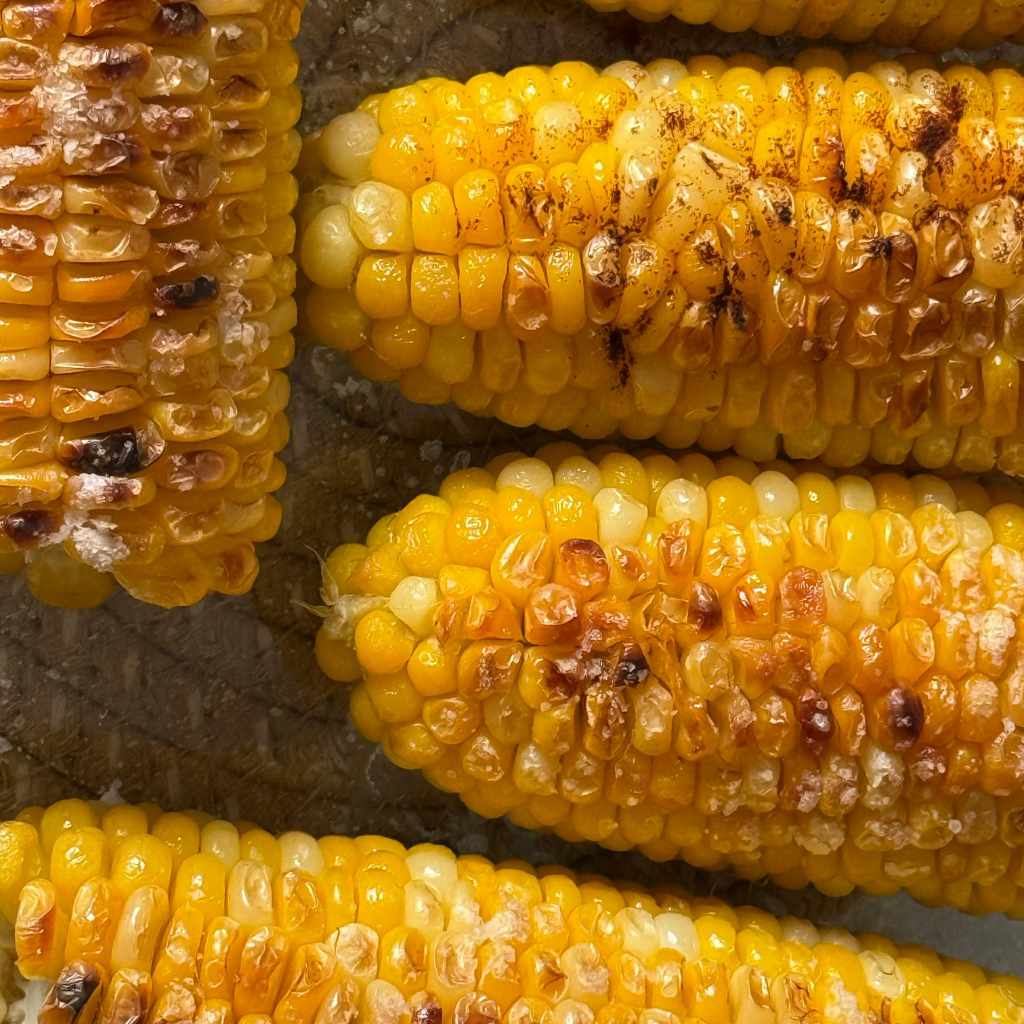
Corn cob material is exactly what it sounds like—dried cobs from field corn that have been ground down to a consistent size and shape. It is one of the most popular and economical media choices in finishing shops worldwide.
The Pros of Using Corn Cob Media
Corn cob media is favored for its low cost and high absorbency. It’s the go-to choice when you need a mild, non-aggressive finish.
- Affordable: It is significantly cheaper than walnut shells, making it ideal for large batches or shops running tumblers frequently.
- Absorbent: Ground corn cob soaks up liquid compounds like oils, waxes, and polishing pastes brilliantly. When used damp with a fine abrasive, it carries the compound into small details without excessive material removal.
- Gentle Action: Because it is softer than walnut, it provides a very mild tumbling action, perfect for light dusting, drying, or surface cleaning without risking damage to softer finishes or painted surfaces.
- Fast Drying: It tends to dry out relatively quickly after use.
- Eco-Friendliness: As a natural agricultural byproduct, it is biodegradable, which is a nice bonus for environmentally conscious makers.
The Cons of Corn Cob Media
While gentle, corn cob does have limitations, especially when facing tough jobs.
- Low Durability: It breaks down faster than walnut media, meaning you have to use more of it over time, and fines (dust) accumulate quickly, which can sometimes clog vibratory tumblers.
- Poor Aggressiveness: It will not cut through heavy corrosion, thick grime, or deep glue residue effectively.
- Dust Issues: If you run it dry, it creates a substantial amount of dust, requiring good ventilation or dry media separators.
Best Uses for Corn Cob Media
Save the corn cob for jobs where finesse comes before raw cutting power:
- Light buffing of freshly oiled wood beads or small turned items.
- Cleaning and drying small parts after a light wash.
- Using as a carrier for fine jewelers rouge or mild polishing compounds.
- Polishing plastics or acrylics that scratch easily.
Walnut Shell Media: The Tough Polisher
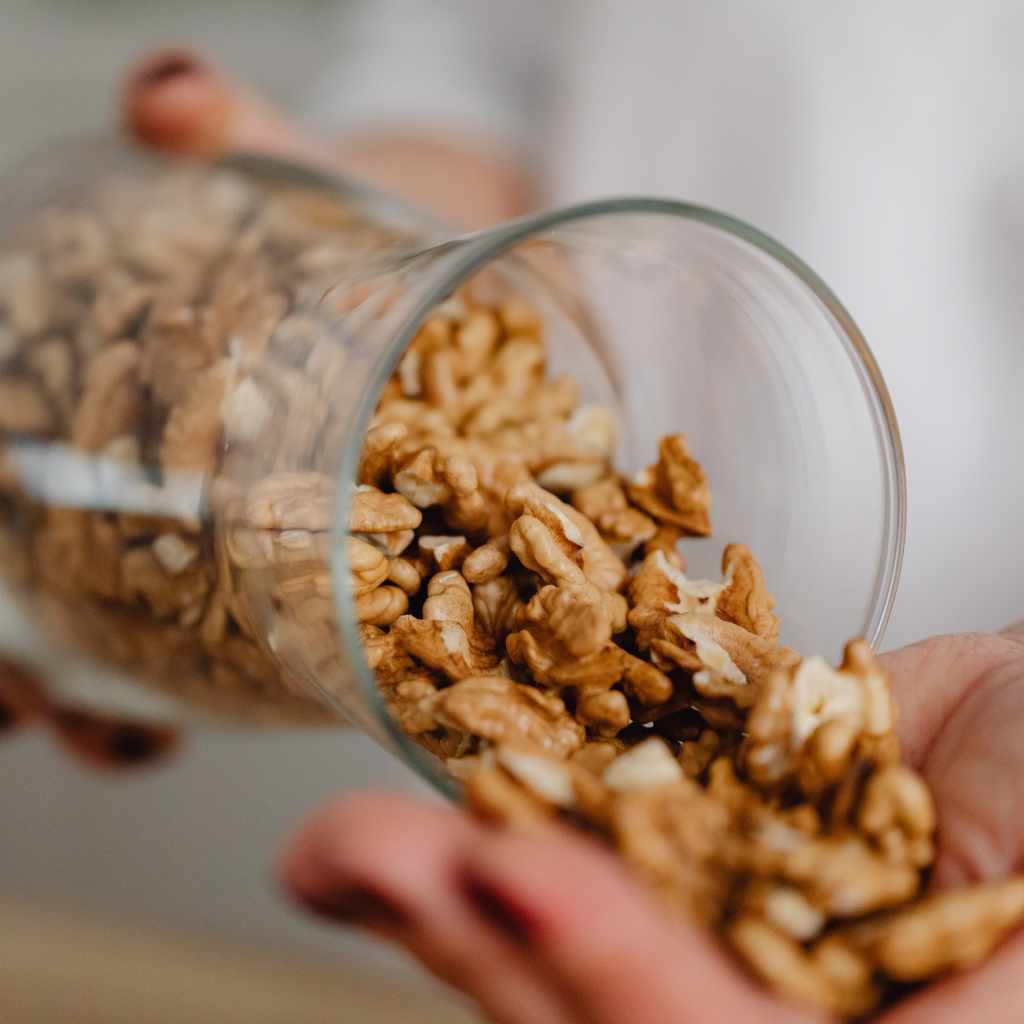
Walnut shell media is made from crushed, tumbled, and screened nutshells. These shells are significantly harder and denser than corn cobs. This difference in composition changes the entire dynamic of the tumbling process.
The Pros of Using Walnut Shell Media
When you need muscle in your tumbler, walnut shells deliver, especially for hardware cleaning.
- Durability: Walnut shells hold their shape much longer than corn cobs. They break down slowly, meaning fewer overall media replacements are needed.
- Good Cutting Action: Due to their hardness, they offer a more aggressive surface action suitable for light deburring, removing minor surface rust, or cleaning old paint residue from metal hardware.
- Natural Abrasive: When combined with a very fine abrasive compound, the walnut structure acts as a sturdy, natural polishing agent that creates a nice luster.
- Reduced Dust (Relative to Corn Cob): While all media creates dust, walnut shells tend to create fewer fine airborne particles compared to aged corn cob during tumbling cycles.
The Cons of Walnut Shell Media
Walnut shells aren’t the perfect solution for everything, especially if you are working with soft materials.
- Higher Cost: Walnut media is more expensive upfront than corn cob.
- Potential for Damage: Because it is harder, running walnut media too long or too fast on soft materials (like painted wood or very soft woods) can dull edges or cause minor scratching.
- Containment Concerns: While rare, if you are working with antique wood pieces or very delicate items, you need to be strictly aware of the abrasion factor.
Best Uses for Walnut Shell Media
Walnut is the preferred choice when you need actual material removal or polishing power:
- Cleaning and shining metal components (hinges, drawer pulls, screws) to remove light oxidation.
- Preparing metal surfaces for subsequent plating or finishing.
- Lightly burnishing very dense woods like exotic hardwoods or stabilized burl caps.
- Removing light surface buildup on cast resin pieces.
Corn Cob vs Walnut Media: Side-by-Side Comparison
To help you make your final decision quickly, here is a clear comparison table focusing on the core factors woodworkers consider.
| Feature | Corn Cob Media | Walnut Shell Media |
|---|---|---|
| Hardness/Aggressiveness | Soft (Mild abrasion) | Medium/Hard (More aggressive) |
| Cost | Very budget-friendly | Moderately higher cost |
| Durability | Low (Breaks down faster) | High (Longer lifespan) |
| Absorption | High (Great for carrying compounds) | Moderate |
| Ideal For | Drying, light cleaning, mild buffing, soft materials. | Cleaning grime, light rust removal, polishing harder materials. |
Choosing the Right Size and Grit
Neither corn cob nor walnut media comes in one size. How fine or coarse the media is will dramatically affect your results. Often, media is categorized by mesh size or referred to informally as “fine,” “medium,” or “coarse.”
Understanding Mesh Size
Mesh size refers to how many openings per linear inch the sifting screen has. A higher number means smaller particles.
- Fine Mesh (e.g., 12/30 Mesh): These particles are small. They penetrate tight spaces well and are best used for final polishing or smoothing very delicate objects. They tend to break down faster.
- Medium Mesh (e.g., 8/16 Mesh): This is a great all-around size. It balances cleaning power with the ability to get into medium-sized gaps. This is the most common size for general hardware cleaning.
- Coarse Mesh (e.g., 4/8 Mesh): These are large pieces. They offer the most aggressive tumbling action and are best for removing large amounts of buildup but should never be used on small, intricate items as they can cause damage or rounding.
Md Meraj’s Tip: For beginning woodworkers tackling hardware, start with a medium mesh walnut shell. If you find it too aggressive, switch to a medium mesh corn cob for a gentler approach.
When to Use Which Media: Practical Scenarios
Let’s look at three common workshop tasks to see which media wins the corn cob vs walnut media matchup.
Scenario 1: Cleaning Old, Rusty Drawer Pulls (Metal Hardware)
You’ve found beautiful, antique brass drawer pulls, but they are covered in years of grime and light rust. You need to remove the tough stuff without damaging the underlying metal.
Winner: Walnut Shell Media.
The density and hardness of the walnut shell provide the necessary surface scrubbing action to break down the oxidation layer. Mix the walnut with a mild buffing compound (like a bar compound designed for metal work) and run it for several hours in a vibratory tumbler. This will clean the recesses better than hand scrubbing ever could.
Scenario 2: Drying a Small Batch of Oil-Finished Jewelry Components
You just finished applying your final coat of oil (perhaps a product like Osmo Polyx-Oil) to tiny wooden beads. They feel slightly tacky, and you need to remove that surface stickiness quickly before handling them.
Winner: Corn Cob Media (Dry).
Since the wood is already finished, you don’t want any cutting action; you just need absorption and gentle movement. Run the beads with dry, fine-grained corn cob media for 30–60 minutes. The corn cob will wick away the excess surface tackiness, leaving a smooth, dry feel without dulling the sheen. This process is often cheaper and faster than a heat box for small parts.
Scenario 3: Polishing Small Resin Castings
You cast small acrylic or epoxy resin pieces (perhaps feet for a small keepsake box). They emerged from the mold with visible flashing and a dull surface, and you need a high gloss.
Winner: Corn Cob Media (with Compound).
Resin is relatively soft compared to metal. Walnut shells could potentially create micro-scratches or dull the high-gloss sheen if used too aggressively. A finer mesh corn cob, charged with a high-quality plastic or acrylic polishing agent (like a fine diamond slurry or specialized liquid polish), will gently buff the surface to a mirror finish over a long cycle (sometimes 12–24 hours in a rotary tumbler).
Setting Up Your Tumbler Safely
Regardless of whether you choose corn cob or walnut, safety and proper setup are paramount. Working with abrasive media exposes your tools and lungs to dust.
Essential Safety & Setup Checklist
- Ventilation First: Always run your tumbler in a well-ventilated area. For dry tumbling, consider using a media separator bag or running the cycle remotely if possible, as fine dust (from either media) can irritate the lungs. For reference on dust safety in workshops, consult guidelines from organizations like the National Institute for Occupational Safety and Health (NIOSH).
- Load Appropriately: Never overfill your barrel. Media should only fill the barrel about 50–60%. The parts need room to tumble against the media, not just sit on top of it.
- Compound Application: If using moistened media, always use compounds specifically designed for tumblers. Liquid compounds generally work better in vibratory tumblers, while solid bar compounds are often preferred for rotary tumblers, allowing the media to rub them into a fine paste.
- Segregate Media Types: Never mix corn cob and walnut media intentionally. They have different densities and break-down rates, leading to an inconsistent finish.
- Inspection: Before running any cycle, inspect your pieces. Remove any sharp spurs or excess glue before tumbling to prevent them from getting embedded in the media or damaging the barrel lining.
Maintenance: Cleaning Your Media
Media doesn’t last forever. Over time, it becomes saturated with old grime, polish, and broken-down particles (fines). This “dirty” media stops working effectively and can even scratch your new work because the fines act like sandpaper.
Cleaning Corn Cob: Since corn cob doesn’t hold onto aggressive oils as much, you can often sift it through progressively finer screens to remove the fines, then dry it thoroughly in the sun or a low-temperature oven. However, often replacement is more economical.
Cleaning Walnut Shells: Walnut shells hold onto polish better. A common technique is to run the used walnut media through a separation process using different screening sizes to lift out the fines. Some advanced users run their walnut media in a mild solvent bath, followed by an oven drying process to reactivate their polishing potential.
Addressing Common Beginner Tumbling Questions (FAQ)
Q1: Can I tumble finished wood pieces with either media?
A: Yes, but use extreme caution. Only use fine-mesh corn cob media, lightly dampened with a very mild, non-aggressive polish or just run dry for gentle burnishing. Never use walnut media on a final wood finish; it will scratch.
Q2: Is walnut media safe for cleaning brass hardware?
A: Absolutely. Walnut media, especially in combination with a dedicated metal polishing compound, is excellent for removing light tarnish and oxidation from brass, copper, and steel hardware.
Q3: How long should I run my tumbler?
A: It varies greatly. For drying wood, 30 minutes might be enough. For cleaning heavily soiled hardware with walnut media, you might need 2 to 4 hours. Always check your parts hourly until you learn the ideal time for your specific machine and media combination.
Q4: Can I mix my tumbler media with water?
A: Generally, no, unless you are using a dedicated wet-tumbling system, usually for metal finishing. For woodworking applications, media like corn cob and walnut are designed to work either totally dry or slightly damp with light polishing oils/compounds.
Q5: My corn cob media turned brown quickly. Is it ruined?
A: Yes, that’s a sign it has absorbed dirt, oil, or chemical residue. Once the color changes significantly and the media starts feeling slick or sticky, it’s time to discard it and recharge with fresh media. Dirty media leads to dirty parts!
Q6: Which product is better if I only want to remove light surface scratches from acrylic blanks?
A: Choose fine-mesh corn cob. Acrylic is softer than walnut shells. The corn cob will provide a gentler rub, especially when paired with a fine plastic polishing compound, minimizing the risk of introducing new scratches.
Conclusion: The Right Tool for the Right Job
When deciding between corn cob vs walnut media, remember this simple rule: Corn cob is for absorption and gentle buffing; walnut is for cleaning and light cutting. Neither is universally “better”—they are different tools designed for different finishing challenges in your workshop.
For the beginner woodworker, starting with a small bag of fine-mesh corn cob is an excellent, safe investment. Use it for drying, gently dusting carved pieces, or carrying mild finishes. As you move into restoring hardware or polishing dense materials, then bring in the heavier-duty walnut shells.
By understanding the hardness, absorption rate, and cost of these two common media types, you take another big step toward professional-level finishing right in your own shop. Happy tumbling, and enjoy the smooth results!