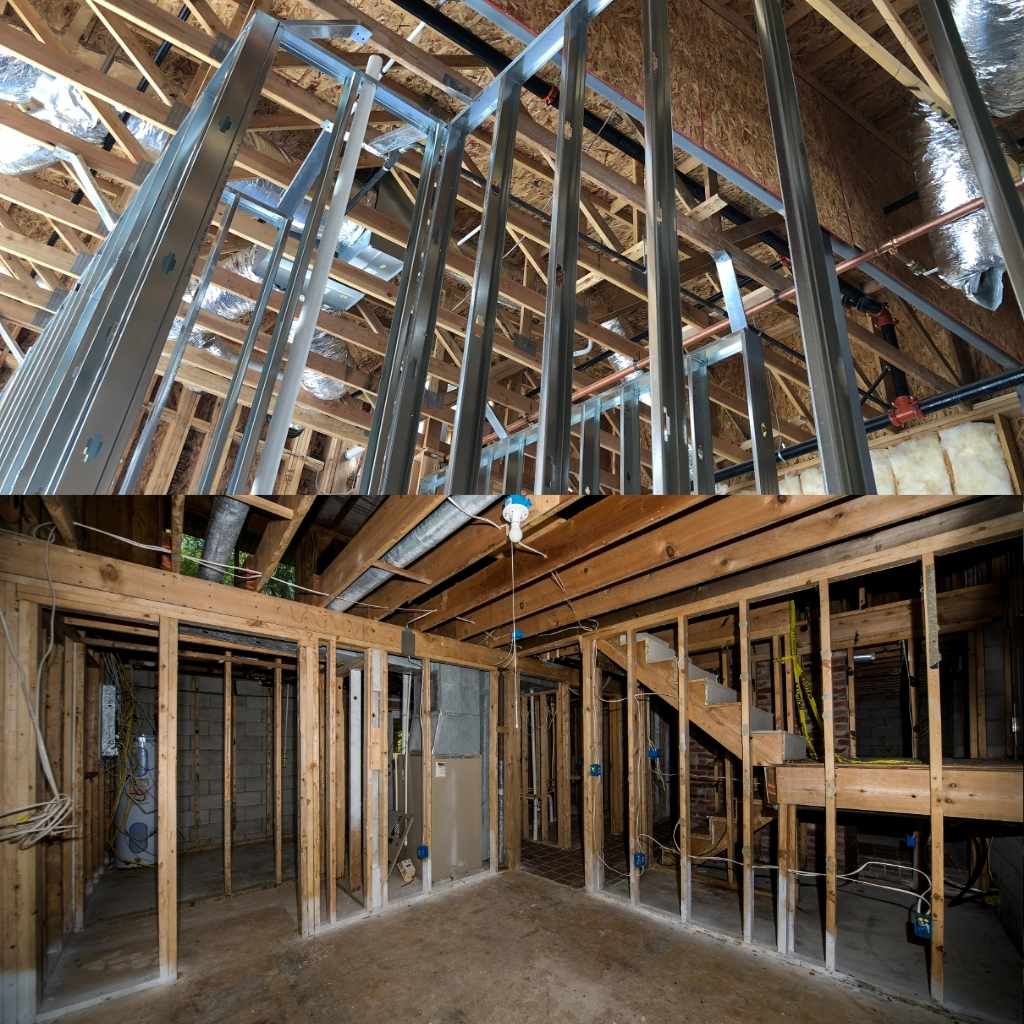
Cost Metal Studs Vs Wood: Ultimate Price Comparison Guide
Are you trying to decide between metal studs and wood for your next project? Understanding the cost differences can save you a lot of money and headaches down the road.
Choosing the right material affects not just your budget but also the strength and durability of your build. This article will break down the key cost factors of metal studs versus wood, so you can make the smartest choice for your needs.
Keep reading to discover which option gives you the best value and why it matters for your project’s success.
Material Costs
Material costs play a big role in choosing between metal studs and wood. The price affects the total budget for construction projects. Both materials have different prices per unit. Understanding these costs helps plan expenses better. It also guides buyers to pick the right option for their needs.
Price Per Unit
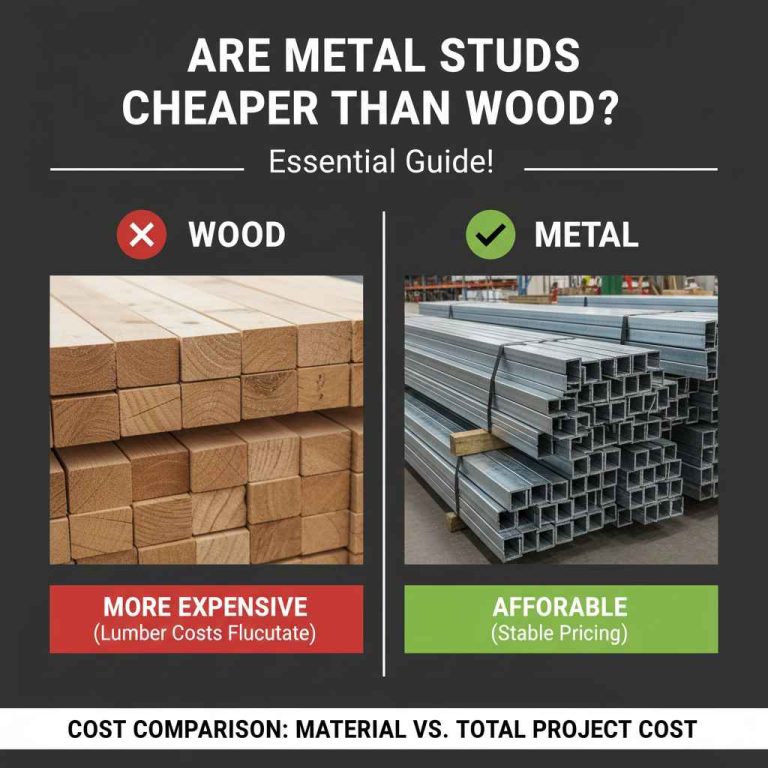
Metal studs usually cost more per unit than wood. This is because metal requires more processing and raw materials. Wood studs come from trees and are often cheaper. The price of wood can change with supply and demand. Metal prices depend on steel market trends. The price per unit affects small and large projects differently. For small jobs, the higher cost of metal may seem too high. For larger jobs, the price difference can add up quickly.
Bulk Purchase Discounts
Buying metal studs in bulk often leads to discounts. Suppliers give lower prices for larger orders. This helps reduce the cost per unit. Wood studs also get discounts when bought in large amounts. The discount size depends on the supplier and order size. Bulk buying is good for big projects. It lowers costs and saves money over time. Small projects may not benefit as much from bulk discounts.
Installation Expenses
Installation expenses play a big role in choosing between metal studs and wood. These costs include labor, tools, and equipment needed for the job. Understanding these expenses helps in making a smart decision for any construction project.
Labor Costs
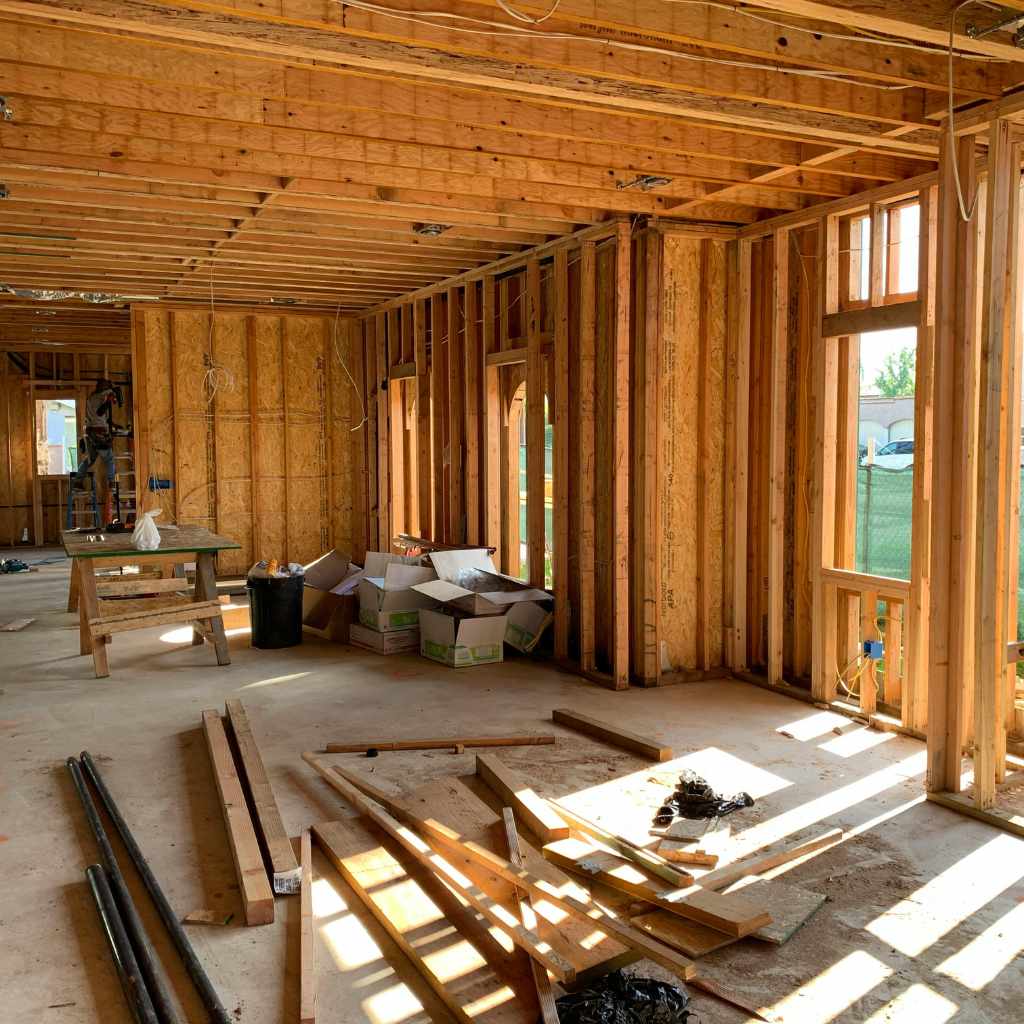
Metal stud installation often takes more time than wood framing. Workers need to handle metal carefully to avoid cuts and bends. This can increase labor hours and cost. Wood is easier to cut and nail, making the process faster. Many builders find wood framing less tiring and quicker to complete.
Required Tools And Equipment
Metal studs need special tools like metal snips and screw guns. These tools may add to the initial expense. Wood framing uses common tools such as saws and hammers. Most workers already have these tools on hand. Using wood can reduce the need for extra equipment purchases.
Durability And Maintenance
Durability and maintenance are key factors in choosing between metal studs and wood. Both materials offer different strengths and challenges. Understanding these can help you decide what fits your project best.
Longevity Of Metal Studs
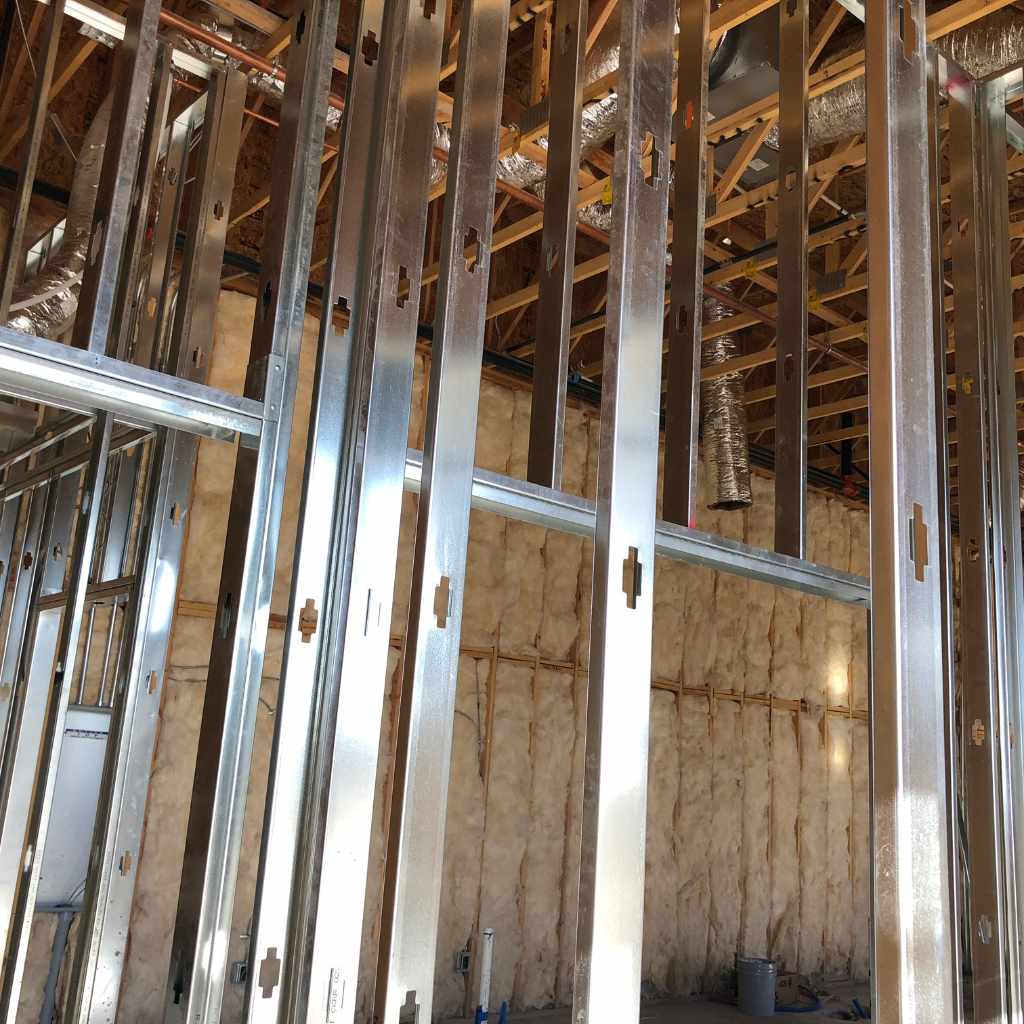
Metal studs resist warping, cracking, and pests. They last longer in damp or humid places. Metal does not rot or shrink over time. This makes metal studs a strong choice for lasting structures.
Longevity Of Wood Studs
Wood studs have a natural strength and flexibility. They can last many years if kept dry. Wood is prone to damage from insects and moisture. This may shorten their lifespan without proper care.
Maintenance Requirements
Metal studs need little maintenance once installed. They do not require treatment against pests or rot. Cleaning is simple and rare. Wood studs may need regular checks for damage. Treating wood to prevent rot and pests is common. Repairs can be more frequent with wood.
Environmental Impact On Costs
The environmental impact of building materials plays a big role in overall costs. Metal studs and wood differ in how they handle weather and pests. These factors affect maintenance and replacement expenses over time. Understanding these differences helps in making smart budget choices.
Weather Resistance
Metal studs resist moisture and do not warp. They hold up well in rain and snow. This lowers repair costs linked to water damage. Wood absorbs water and can swell or rot. This leads to frequent repairs or replacement. Weather resistance impacts long-term expenses significantly.
Susceptibility To Pests
Wood is vulnerable to termites and other insects. Pest damage can weaken structure and increase costs. Metal studs are not a food source for pests. They reduce risks of costly pest control treatments. Choosing the right material affects future pest-related expenses.
Additional Cost Factors
Additional costs affect the total price of metal studs and wood framing. These costs go beyond the base price of the materials. They can change the overall budget for your project. Understanding these factors helps make a better choice between metal and wood.
Transportation Expenses
Metal studs are lighter than wood but come in long lengths. This can increase shipping fees due to size. Wood is heavier but often easier to handle in smaller pieces. Transport costs depend on distance and delivery method. Bulk orders may reduce cost per unit for both materials.
Waste And Scrap Costs
Metal studs create less waste because they come in precise sizes. Scrap metal can often be recycled, lowering disposal costs. Wood waste tends to be larger and harder to reuse. Disposal fees for wood scraps can add up quickly. Efficient cutting reduces waste for both materials.
Cost Efficiency In Different Projects
Choosing between metal studs and wood affects project costs in many ways. Each material offers unique benefits that impact budgets. Understanding cost efficiency helps pick the right option for the project type. Examining residential and commercial projects shows clear differences.
Residential Construction
Wood studs are usually cheaper for small homes. They are easy to cut and handle on-site. Wood fits well with traditional building methods. Labor costs tend to be lower due to familiarity.
Metal studs cost more upfront but resist warping and pests. They last longer and need less maintenance. In humid or termite-prone areas, metal can save money over time. Metal studs are lighter, speeding up installation for some builders.
Commercial Construction
Metal studs dominate commercial building projects. Their fire resistance meets strict codes. Metal frames support larger and taller structures safely. Though initial costs are higher, metal reduces long-term repair expenses.
Wood is less common in commercial builds due to durability concerns. It may require extra treatments or replacements. Metal studs also allow easier changes during construction. This flexibility can cut costs in complex projects.
Frequently Asked Questions
What Is The Cost Difference Between Metal Studs And Wood?
Metal studs usually cost more upfront than wood but last longer. Wood is cheaper initially but may require more maintenance and replacement over time.
Are Metal Studs More Cost-effective Than Wood In The Long Run?
Yes, metal studs can be more cost-effective long-term due to durability and resistance to pests, reducing repair costs compared to wood.
How Does Installation Cost Compare For Metal Studs Versus Wood?
Installation of metal studs can be faster but may require specialized tools. Wood installation is generally easier and less expensive for labor.
Do Metal Studs Or Wood Studs Affect Overall Building Costs More?
Metal studs may increase material costs but lower maintenance expenses. Wood has lower material costs but may add to long-term repair expenses.
Conclusion
Metal studs often cost less and resist pests and fire better. Wood studs feel warmer and are easier to cut on site. Both materials suit different building needs and budgets. Think about your project size, climate, and skills. Choose the option that fits your plan and wallet best.
This helps you build smart and save money.