What Is Plytanium Plywood? Georgia-Pacific’s Exposure 1 Sheathing, Explained
Plytanium is Georgia-Pacific’s plywood brand, sold primarily through Home Depot, made from southern yellow pine and rated Exposure 1 — which means it’s built to survive moisture during construction, not permanent outdoor weather exposure. That distinction matters more than most product pages make clear, and it’s the difference between using Plytanium successfully and having it fail early in the wrong application.
What “Exposure 1” Actually Means
For Real Outdoor Exposure, Beyond Exposure 1
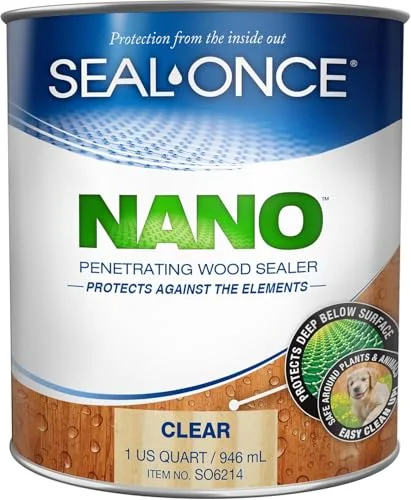 |
Seal-Once Nano Penetrating Wood Sealer, Clear (Quart) – $28.99 Exposure 1 plywood is rated for construction-delay moisture, not permanent weather exposure — a real penetrating sealer closes that gap for genuinely outdoor projects.
|
Exposure 1 is a real APA/industry glue-bond classification, and it’s easy to misread as “waterproof” or “outdoor-rated” — it isn’t either. It means the adhesive bond is designed to resist the kind of moisture a panel might see during a construction delay (a roof deck rained on before the shingles go down, for example), not years of direct weather exposure. For a project that’s genuinely outdoors and uncovered long-term, you want exterior-grade or marine-grade plywood instead, which use a fully weatherproof glue bond rated for sustained exposure. Plytanium’s own Sanded Panels line is a reasonable fit for covered exterior applications like porch ceilings and soffits — sheltered from direct rain but still outside — which is a real, appropriate use case within Exposure 1’s actual rating.
What It’s Made From
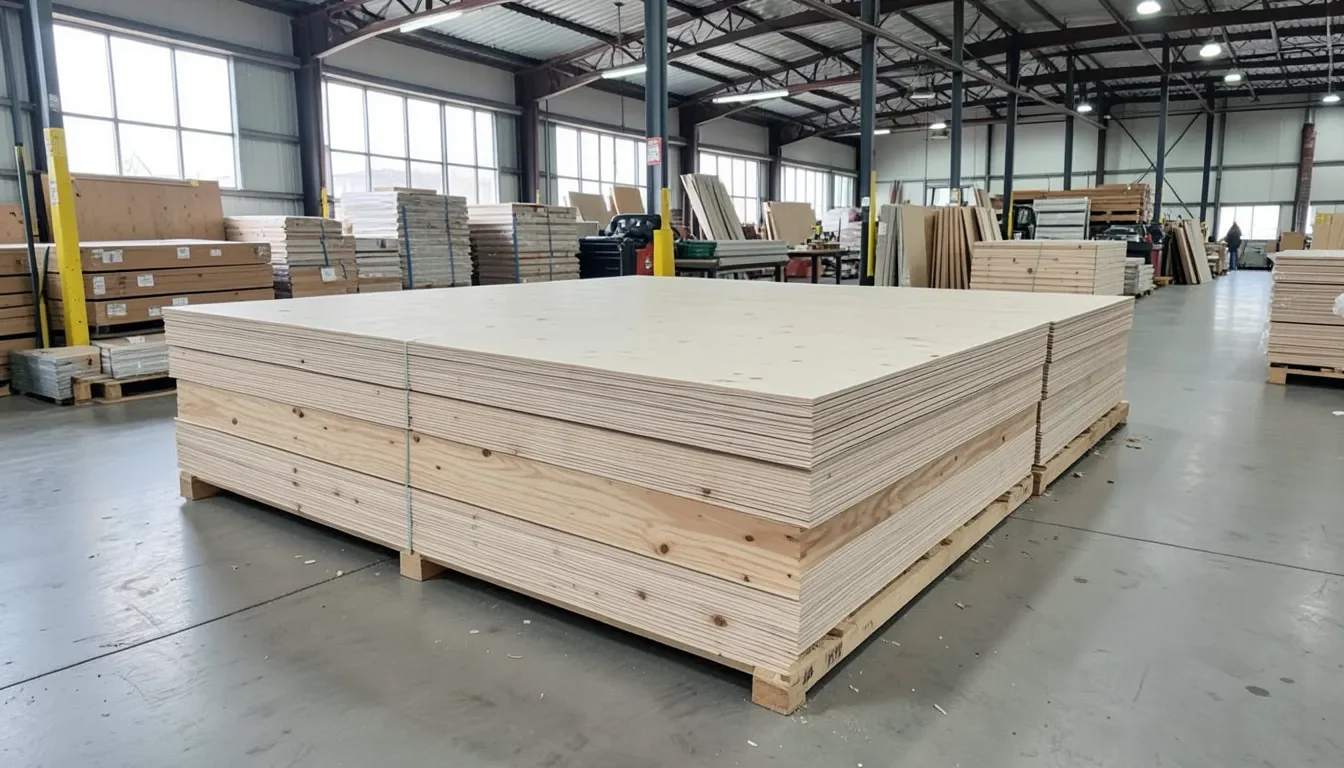
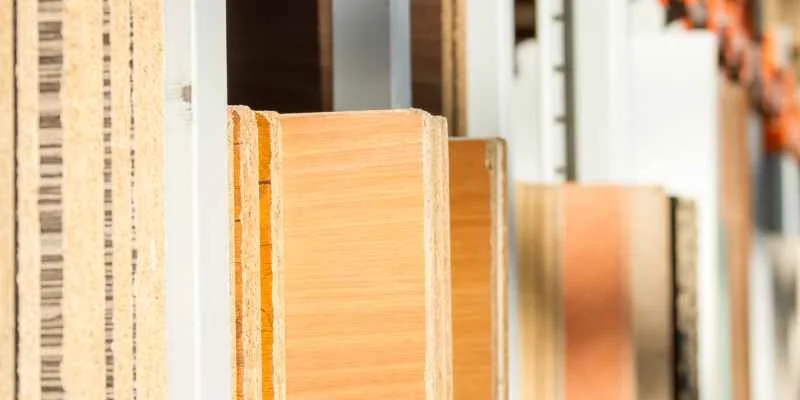
Plytanium is manufactured from southern yellow pine veneers, cross-laminated (each layer’s grain running perpendicular to the one beneath it) and bonded with a moisture-resistant adhesive that Georgia-Pacific states contains no added urea-formaldehyde resins, keeping it exempt from stricter EPA and California formaldehyde emission rules. It comes in two main product lines: rated sheathing (structural, used under roofing and siding, typically left unfinished since it’s covered by other materials) and sanded panels (a smoother face intended to be seen, used for shelving, furniture backs, and covered exterior trim work).
Real Applications
- Roof and wall sheathing: the structural core use case — covered quickly by roofing or siding, so Exposure 1’s construction-delay protection is exactly the right amount of moisture resistance.
- Subflooring: underneath finished flooring, similarly protected from direct weather.
- Shelving and cabinetry (sanded panels): indoor use where the smooth face and consistent thickness matter more than moisture resistance.
- Covered exterior trim — soffits, porch ceilings: sheltered from direct rain, a legitimate fit within Exposure 1’s real rating.
What it’s not well-suited for without additional protection: fence panels, uncovered deck surfaces, boat components, or anything else sitting in standing water or direct, unsheltered rain exposure long-term. Sealing the edges and faces with a real penetrating sealer and proper fastening extends its usable range into more exposed covered applications, but it doesn’t turn Exposure 1 into a true exterior-grade panel.
How It Compares To Other Construction Plywood
Plytanium competes directly with other big-box structural plywood lines (like the store-brand and CDX sheathing sold at Lowe’s and other lumber yards) more than with premium cabinet-grade or marine plywood — they’re built for a similar job at a similar price point, not competing tiers. What differentiates Plytanium in practice is availability (it’s the default structural plywood stocked at most Home Depot locations) and Georgia-Pacific’s consistent manufacturing, rather than a fundamentally different product category. If you’re comparing panels side by side, the numbers that actually matter are the exposure rating (Exposure 1 vs. exterior) and the span rating stamped on the panel (how far apart the supports can be for a given load), not the brand name alone.
What It Costs
Pricing tracks the broader structural-plywood market, which moves with lumber commodity prices more than with brand, so exact numbers shift over time — check current Home Depot pricing for your local store rather than relying on a fixed figure here. As a rule of thumb, rated sheathing in common thicknesses (like 1/2″ or 5/8″) runs toward the lower end of the structural-plywood range, while sanded panels cost more per sheet due to the extra finishing step on at least one face.
Installation Tips
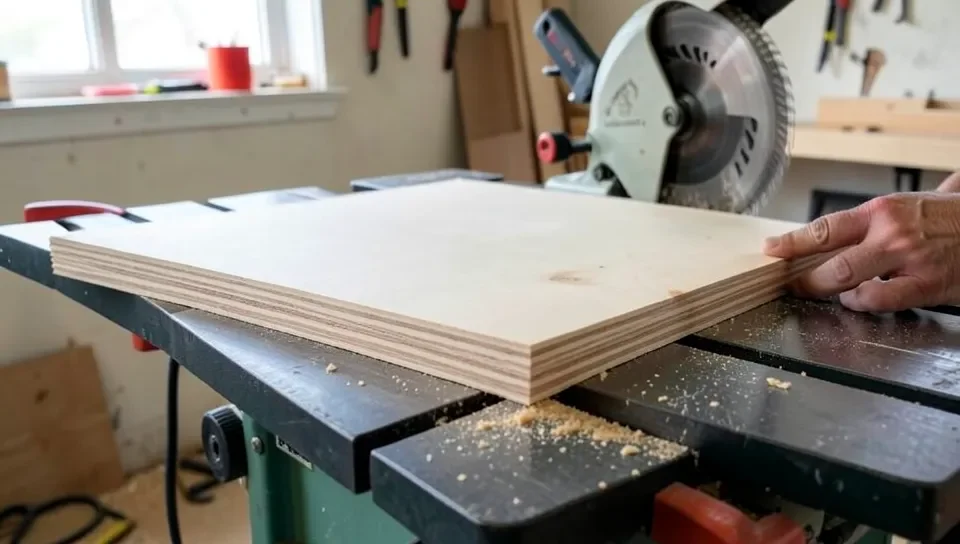
Store sheets flat and off the ground before installation — leaning sheets against a wall for an extended period can cause them to bow. Use a fine-toothed blade for clean cuts with minimal splintering, and seal cut edges on any panel that will see even occasional moisture, since the factory edge seal doesn’t extend to a field cut. Wood glue at the joints adds real strength beyond fasteners alone, and spacing screws roughly every 12 inches along supports keeps sheathing and subfloor panels from squeaking or working loose over time.
Common Buying Mistakes
- Assuming “moisture-resistant” means “outdoor-rated”: Exposure 1 protects against construction-phase moisture, not years of weather — check for exterior or marine grade if the project stays uncovered long-term.
- Skipping edge sealing on cut panels: the factory face is treated, but a field-cut edge is bare wood exposed to whatever moisture reaches it.
- Buying sanded panels for a structural job, or sheathing for a visible-finish job: the two product lines are built for different purposes — check which one a listing or shelf tag actually specifies.
Formaldehyde And Emissions
One genuinely useful, verifiable claim: Georgia-Pacific states its plywood panels use adhesives with no added urea-formaldehyde resins, which puts them below the emission thresholds that trigger stricter EPA and California formaldehyde regulations. That’s a real, checkable manufacturing detail (not a vague “eco-friendly” claim) worth knowing if indoor air quality is a factor in your project, such as built-in shelving or cabinetry in a bedroom.
Frequently Asked Questions
What is Plytanium plywood made from?
Southern yellow pine veneers, cross-laminated and bonded with a moisture-resistant adhesive. It’s manufactured by Georgia-Pacific and sold primarily through Home Depot.
Is Plytanium plywood waterproof?
No. It’s rated Exposure 1, which resists moisture during construction delays, not permanent outdoor weather exposure. For uncovered, long-term outdoor use, exterior or marine-grade plywood is the correct choice instead.
What’s the difference between Plytanium sheathing and sanded panels?
Rated sheathing is structural, used under roofing, siding, or flooring where it’s covered and unseen. Sanded panels have a smoother, finish-ready face meant to be visible, used for shelving, cabinetry, and covered exterior trim like soffits.
How thick does Plytanium plywood come?
Common thicknesses range from about 1/4 inch to 3/4 inch, depending on the specific product line and intended use. Check the specific listing or in-store label for exact available sizes, since not every thickness is stocked in both sheathing and sanded panel lines.
Does Plytanium plywood off-gas formaldehyde?
Georgia-Pacific states its plywood adhesives contain no added urea-formaldehyde resins, keeping emission levels below the thresholds that trigger stricter EPA and California regulations. That’s a real manufacturing detail worth checking against the specific product’s spec sheet if indoor air quality is a concern for your project.
Conclusion
Plytanium is a solid, real southern yellow pine plywood for the applications it’s actually rated for — sheathing, subflooring, and covered interior or exterior trim work. The mistake to avoid is treating its Exposure 1 rating as full weather protection; for anything left permanently uncovered outdoors, step up to exterior or marine-grade plywood, or seal it properly and understand the real limits of that approach.
Sponsored / affiliate links. As an Amazon Associate I earn from qualifying purchases. I may earn additional commission from eligible campaigns.