Can Toddlers Have Tart Cherry Juice? Age And Safety Guide
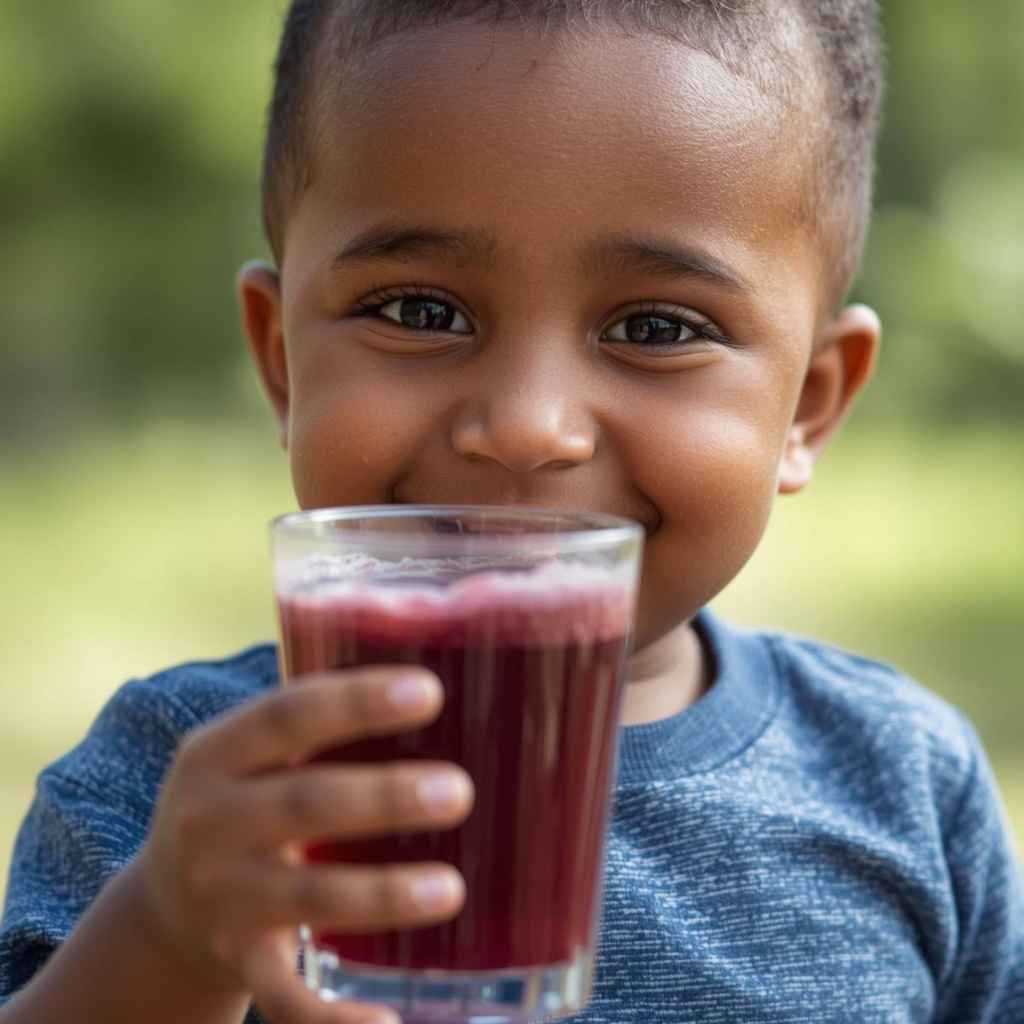
Yes, toddlers can have tart cherry juice, but with important considerations. It’s best introduced after 12 months of age, in small, diluted amounts. Always consult your pediatrician before adding new foods or drinks to your toddler’s diet. Focus on whole fruits and water as primary hydration and nutrient sources.
Understanding Tart Cherry Juice for Little Ones
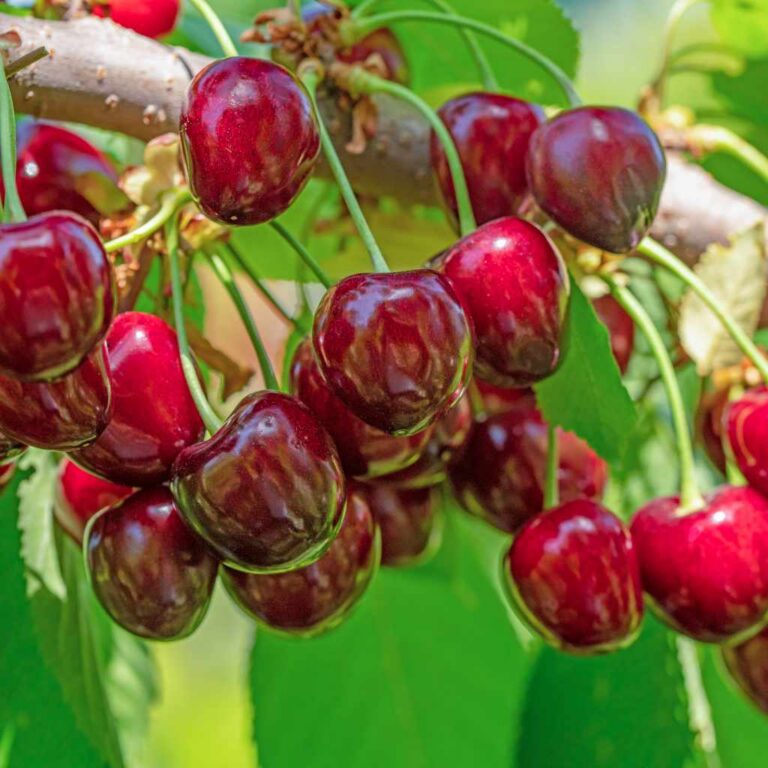
Tart cherry juice is made from the Montmorency cherry. These cherries are known for their vibrant red color and slightly sour taste. They are also packed with natural compounds.
These compounds include antioxidants like anthocyanins. Many people drink it for its potential health benefits. These benefits include helping with sleep and reducing muscle soreness.
But when it comes to toddlers, we need to be extra careful. Their bodies are still growing and developing. What’s good for an adult might not be right for a tiny tot.
It’s all about the right timing and the right way to give it.
The main thing to remember is moderation. Toddlers need a balanced diet. This diet should focus on whole foods.
Milk and water are their main drinks. Juice, even 100% fruit juice, should be a small part of it. Too much juice can lead to health issues.
These can include tooth decay and weight gain. It can also displace the intake of more nutrient-dense foods. So, while tart cherry juice can be a part of a toddler’s diet, it’s not a staple.
It’s more of a occasional treat or supplement, and only when age-appropriate.
When Can Toddlers Start Drinking Tart Cherry Juice?
The American Academy of Pediatrics (AAP) has guidelines about juice for young children. Generally, they recommend avoiding juice for babies under 12 months old. Once a child turns one, diluted 100% fruit juice can be introduced.
This includes tart cherry juice. However, it’s still best to offer it in very small amounts. For a toddler between 1 and 3 years old, the AAP suggests limiting juice to no more than 4 ounces per day.
This amount should be diluted. This means mixing it with water.
So, the general rule is: wait until your toddler is at least 12 months old. Before that age, their digestive systems are still maturing. They are also more prone to certain health issues related to high sugar intake.
After their first birthday, you can start offering it. But always start small. A tiny sip here and there is enough at first.
This lets you see how they react. It also helps them get used to the taste. Remember, water and milk are still their primary drinks.
Juice is a bonus, not a replacement for these essentials.
It’s always wise to talk to your pediatrician about this. They know your child’s health history best. They can give you advice tailored to your little one.
Every child is different. What works for one might not work for another. Your doctor can confirm the best age and the safest way to introduce tart cherry juice.
Potential Benefits of Tart Cherry Juice for Toddlers
Tart cherries have a good reputation for health. They are rich in antioxidants. These can help fight cell damage in the body.
For toddlers, this means supporting their overall health as they grow. One commonly discussed benefit is sleep. Some studies suggest tart cherry juice may help improve sleep quality.
This is due to its natural melatonin content. Melatonin is a hormone that helps regulate sleep cycles. For toddlers, good sleep is super important for development.
It affects their mood, learning, and physical growth.
Another potential benefit is its anti-inflammatory properties. The anthocyanins in tart cherries can help reduce inflammation. This might be helpful for toddlers who are generally healthy.
It’s not meant to treat any specific medical condition. But supporting a healthy inflammatory response is good for everyone. It helps their bodies function well.
This can contribute to overall well-being as they play and explore their world.
It’s important to remember that research on these benefits specifically in toddlers is limited. Most studies are done on adults. So, while the potential is there, we shouldn’t rely on tart cherry juice as a magic cure.
Think of it as a small, natural boost. It’s part of a healthy lifestyle that includes good food, lots of sleep, and plenty of activity. The focus remains on whole foods and balanced nutrition for your little one.
Safety Concerns and What to Watch Out For
While tart cherry juice can be beneficial, there are safety concerns. The biggest one is sugar content. Even 100% fruit juice contains natural sugars.
For toddlers, too much sugar can be harmful. It can lead to:
- Tooth Decay: The sugars can feed bacteria in the mouth. This can damage developing teeth.
- Weight Gain: Liquid calories from juice don’t make kids feel as full as solid food. This can contribute to unhealthy weight gain over time.
- Digestive Issues: Some toddlers might be sensitive to the acidity or sugars in juice. This can cause upset tummies or diarrhea.
- Nutrient Displacement: If a toddler drinks a lot of juice, they might drink less milk. They might also eat fewer fruits and vegetables. This means they miss out on important vitamins and minerals.
Another thing to consider is dilution. Serving tart cherry juice straight can be too concentrated for a toddler. It’s often very tart, and the sugar content per ounce is higher.
Diluting it with water is key. This reduces the sugar concentration. It also makes it easier for them to drink and digest.
A common ratio is 1 part juice to 1 part water, or even more water. You can adjust this as your child gets older and your pediatrician approves.
Also, be aware of any added ingredients. Always check the label. Make sure it’s 100% tart cherry juice.
Avoid juices with added sugars, artificial sweeteners, or other additives. These are not suitable for toddlers. Reading labels carefully is a good habit for any parent.
How to Safely Introduce Tart Cherry Juice to Your Toddler
Introducing any new food or drink to your toddler requires a gentle approach. Here’s how to do it safely with tart cherry juice:
Step-by-Step Introduction Plan
1. Consult Your Pediatrician: Before you even buy the juice, talk to your doctor. Get their go-ahead and ask for specific advice on quantity and frequency for your child.
2. Wait Until 12 Months: Ensure your toddler has passed their first birthday. This is the general safety guideline from health experts.
3. Start with Dilution: When you first offer it, mix a tiny amount of tart cherry juice with a lot of water. Try a 1:4 ratio (1 ounce juice to 4 ounces water).
See how your child likes it and if they have any reactions.
4. Offer Small Amounts: Even when diluted, keep the total amount of juice very low. Stick to the AAP recommendation of no more than 4 ounces per day for toddlers 1-3 years old.
And this total often includes all juice types, not just tart cherry.
5. Serve with Meals: Instead of giving juice between meals, offer it with food. This can help reduce the impact of sugar on teeth.
It also helps the child feel fuller with a meal.
6. Watch for Reactions: Keep an eye out for any signs of tummy upset, rash, or changes in behavior after they drink it. If you see anything concerning, stop offering it and consult your doctor.
It’s also a good idea to offer tart cherry juice in a cup rather than a bottle. Sippy cups with straws or open cups are better for dental health. Bottles can contribute to prolonged exposure to sugars.
This increases the risk of cavities. Make it a part of a balanced diet. Don’t let it become the go-to drink.
Water should always be the main thirst quencher.
Dilution Guide: Making Juice Toddler-Friendly
Why Dilute? Diluting juice lowers the sugar concentration. It also makes it less acidic. This is gentler on a toddler’s developing digestive system and teeth.
Starting Point (1-2 years):
- 1 ounce tart cherry juice
- 3-4 ounces water
Slightly Older Toddlers (2-3 years):
- 1 ounce tart cherry juice
- 2 ounces water
Important Note: Always adjust based on your child’s preference and your pediatrician’s advice. Some toddlers may prefer even more water. The goal is to make the tart cherry flavor a mild hint, not the main event.
Comparing Tart Cherry Juice to Other Drinks
When choosing drinks for your toddler, it’s helpful to compare options. Water is always the best. It hydrates without any calories or sugar.
Milk (breast milk or formula for younger babies, cow’s milk or fortified alternatives for older toddlers) is also essential. It provides crucial nutrients like calcium and Vitamin D.
Other fruit juices like apple juice, grape juice, or orange juice have similar concerns. They all contain natural sugars and acids. Tart cherry juice is often thought of as slightly healthier due to its antioxidant profile.
However, the sugar content can be comparable to other fruit juices. Some juices are also sweeter than tart cherry juice, making them potentially more problematic.
What about sugar-sweetened beverages? These are drinks like sodas, sports drinks, and sweetened teas. These should be completely avoided for toddlers.
They offer no nutritional value and are very high in added sugars. This makes them far worse than 100% fruit juice, even tart cherry juice.
The main takeaway is that while tart cherry juice might offer some unique benefits, it’s still a juice. It should be treated with the same caution as other fruit juices. Prioritize water and milk.
Use juice sparingly and always diluted. Whole fruits are always a better choice than juice. They provide fiber, which is missing in juice.
Fiber helps with digestion and makes you feel fuller.
Juice vs. Whole Fruit: A Quick Look
Whole Fruit:
- Fiber: Yes, lots! Aids digestion, helps feel full.
- Nutrients: Rich in vitamins, minerals, antioxidants.
- Sugar: Natural sugars, released slowly due to fiber.
- Hydration: Contributes to fluid intake.
100% Fruit Juice (including Tart Cherry):
- Fiber: Almost none.
- Nutrients: Still has vitamins and antioxidants, but less than whole fruit.
- Sugar: Concentrated natural sugars, absorbed quickly.
- Hydration: Contributes to fluid intake, but often too much for toddlers.
Bottom Line: Always offer whole fruit over juice when possible. Juice should be a limited addition, not a primary source of fruit intake.
Real-Life Experiences and Expert Opinions
I remember a friend telling me about her toddler’s sleep struggles. Little Leo would wake up multiple times a night. She was exhausted.
She’d read about tart cherry juice online. She was hesitant because Leo was only 15 months old. She talked to her pediatrician.
The doctor gave her the okay to try a very small, diluted amount. She mixed about half an ounce of tart cherry juice with four ounces of water. She gave it to Leo about an hour before bedtime.
For the first week, she didn’t notice much difference. Then, slowly, Leo started sleeping a bit longer stretches. It wasn’t a miracle cure, but it seemed to help him settle a bit better.
She was careful not to give him too much. She made sure it was always diluted. And she still offered whole fruits during the day.
This story highlights the importance of a doctor’s advice and starting small.
Dr. Sarah, a pediatrician I know, often shares advice on this topic. She says, “Many parents are looking for natural solutions.
Tart cherry juice can be one option, but it’s crucial to understand its limitations for toddlers. The risks of excessive sugar intake are significant. We must prioritize water and milk.
If a parent chooses to offer tart cherry juice, it should be heavily diluted, served in small quantities, and only after consulting with me. I always recommend focusing on establishing good sleep habits first. Juice should never be the sole solution for sleep issues.”
This perspective from a medical professional is vital. It balances the potential benefits with the known risks. It reinforces the idea that tart cherry juice isn’t a primary solution.
It’s a potential small helper in a broader context of healthy habits. The focus should always be on overall well-being and age-appropriate nutrition.
What This Means for Your Toddler’s Diet
So, what does all this mean for your toddler’s daily diet? It means you have a new option, but it’s a limited one. Tart cherry juice can be a healthy addition if handled correctly.
Here’s how it fits in:
Integrating Tart Cherry Juice Smartly
Primary Drinks: Water and milk (or milk alternative) should make up the bulk of your toddler’s fluid intake.
Juice Limit: If offering tart cherry juice (or any juice), keep it to 4 ounces total per day for ages 1-3. This often means less than that. Always check with your pediatrician.
Dilution is Key: Never give undiluted tart cherry juice. Mix it well with water.
Timing Matters: Offer juice with meals, not as a standalone drink or before bed without doctor approval.
Whole Foods First: Prioritize whole fruits like cherries themselves, berries, or apples. They offer more fiber and nutrients.
Think of tart cherry juice as a treat or a supplement. It’s not a
It’s also important to consider your child’s overall health. If your toddler has specific health conditions, like diabetes or a sensitive stomach, discuss juice consumption thoroughly with their doctor. For most healthy toddlers, following the guidelines will ensure it remains a safe choice.
When to Worry and When It’s Just Fine
Most of the time, giving your toddler a small, diluted amount of tart cherry juice, after consulting your pediatrician and past 12 months old, is perfectly fine. It’s when you deviate from these guidelines that you might need to worry.
When It’s Probably Fine:
- Your toddler is over 12 months old.
- You’ve spoken with their doctor about it.
- You dilute it significantly with water.
- You give them only a small amount (e.g., 1-2 ounces of diluted juice per day max).
- You offer it with a meal.
- They enjoy it and don’t show any negative side effects.
- It’s not their primary drink; water and milk are still preferred.
When to Be Concerned:
- Your toddler is under 12 months old.
- You haven’t talked to their doctor about it.
- You give them undiluted juice or large amounts.
- You give them juice between meals or right before bed frequently.
- They show signs of tummy upset, diarrhea, or gas after drinking it.
- You notice changes in their teeth (spots, decay).
- They are filling up on juice and eating less solid food.
- Your child has underlying health conditions like diabetes or reflux issues.
- The juice has added sugars or other ingredients.
If you are ever in doubt, err on the side of caution. It’s always better to wait or choose a different option. Your toddler’s health and development are the top priorities.
A small amount of properly prepared tart cherry juice won’t harm them. But excessive or improperly given juice can lead to problems.
Quick Tips for Serving Tart Cherry Juice
Making tart cherry juice a positive part of your toddler’s routine is easy with a few simple tips. These are practical ways to manage its use effectively.
Smart Serving Strategies
Measure Carefully: Use measuring cups or even a small shot glass to ensure you’re not over-pouring. It’s easy to pour too much.
Make it Fun: Serve the diluted juice in a special cup or with a fun straw. This can make it more appealing.
Dilute Ahead: You can pre-dilute a larger batch for the day and keep it in the fridge. This makes it quick and easy to serve — see how long opened cherry juice stays good so you know when to toss the batch.
Taste Test: Let your toddler help decide the water-to-juice ratio within your approved limits. If they prefer it more watery, that’s even better!
Pair with Fiber: Always serve juice with food, especially meals rich in fiber. This helps slow sugar absorption.
Remember that toddlers are learning about flavors and textures. Sometimes they might reject something new. Don’t be discouraged if they don’t like it at first.
You can try again another time, perhaps more diluted. Or, they might just not be a fan, and that’s perfectly okay! There are plenty of other healthy options available.
Frequently Asked Questions About Toddlers and Tart Cherry Juice
Can I give my baby under 12 months tart cherry juice?
No, it is generally not recommended to give any juice, including tart cherry juice, to babies under 12 months old. The American Academy of Pediatrics advises against it due to potential risks like tooth decay and displacing nutrient-rich milk.
How much tart cherry juice can a 2-year-old have?
For toddlers aged 1-3 years, the American Academy of Pediatrics suggests limiting total daily juice intake to no more than 4 ounces. This amount should always be diluted with water, and it’s best to consult your pediatrician for personalized advice.
Is tart cherry juice good for toddler sleep?
Tart cherry juice contains melatonin, a hormone that can help regulate sleep. Some studies suggest it may improve sleep quality in adults. While potential benefits exist for toddlers, research is limited.
It should not be relied upon as a primary sleep aid and always given in small, diluted amounts after consulting a doctor.
What are the risks of giving toddlers too much tart cherry juice?
Giving too much tart cherry juice to toddlers can lead to several risks, including tooth decay from sugar and acid, unhealthy weight gain, digestive issues like diarrhea, and displacing nutrient-dense foods and drinks like milk and water from their diet.
Should I dilute tart cherry juice for my toddler?
Yes, it is highly recommended to dilute tart cherry juice for toddlers. Undiluted juice is too concentrated in sugar and acid. A common starting ratio is 1 part juice to 3 or 4 parts water, adjusting based on your child’s preference and doctor’s advice.
Are there any specific brands of tart cherry juice that are better for toddlers?
When choosing tart cherry juice for toddlers, look for 100% pure tart cherry juice with no added sugars, artificial sweeteners, or other additives. Always check the ingredient list carefully. The brand itself is less important than ensuring it’s pure and unsweetened.
What if my toddler doesn’t like tart cherry juice, even diluted?
If your toddler doesn’t like tart cherry juice, don’t force it. There are many other ways to ensure they get nutrients. Offer whole cherries when in season, other berries, or simply focus on water and milk as their primary drinks.
Their taste preferences can change over time.
Final Thoughts on Toddlers and Tart Cherry Juice
Navigating the world of what our toddlers can and cannot consume can feel overwhelming. Tart cherry juice is one of those items that sparks curiosity. It holds potential benefits, but also comes with important considerations for very young children.
The key takeaway is that with careful introduction, proper dilution, and your pediatrician’s approval, it can be a small, healthy part of a toddler’s diet. Always prioritize water and milk, offer whole fruits, and remember that less is often more when it comes to juice for little ones.
Sponsored / affiliate links. As an Amazon Associate I earn from qualifying purchases. I may earn additional commission from eligible campaigns.