Deep Base Vs White Base: Choosing the Perfect Paint Foundation
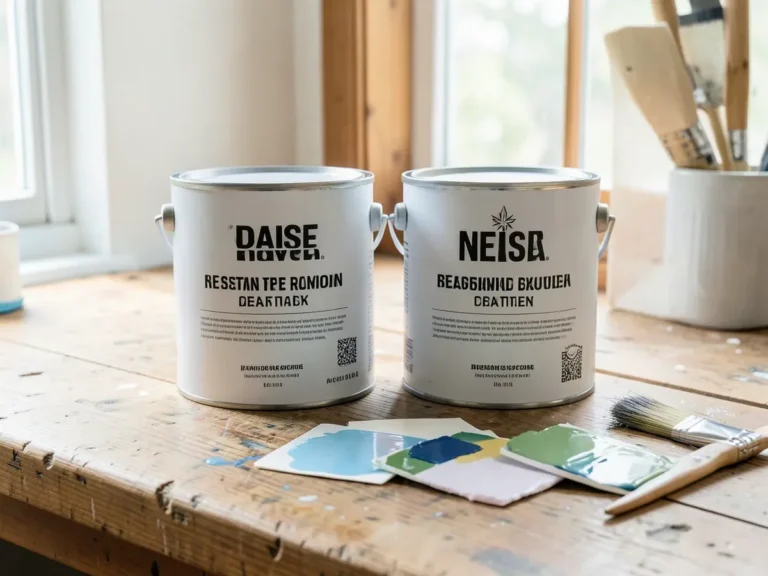
Deep base and white base aren’t different paint qualities — they’re the same paint formula with different amounts of white opacifying pigment (titanium dioxide) already in the can, which controls how much room is left for the store to add colorant. White base has the most white pigment and the least room for tint, which is why it’s used for pastels and light colors. Deep base has the least white pigment and the most room for tint, which is why it’s used for saturated, dark colors — but that same lack of opacifying pigment also means deep base colors often need an extra coat for full hiding power.
Here’s what that actually means for your project, your budget, and how to mix the paint once you get it home.
How Paint Bases Actually Work
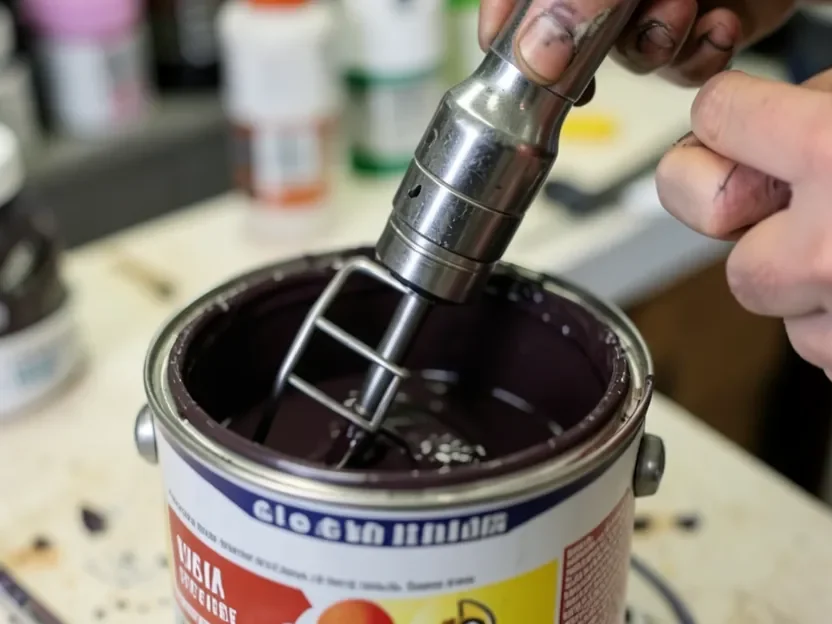
Needed To Fully Blend Settled Deep-Base Colorant
 |
AYZOTEK Paint Mixer for Drill – $12.49 Deep base paints hold a heavier load of colorant, which can settle harder than a white base — hand-stirring often isn’t enough to fully re-blend it.
|
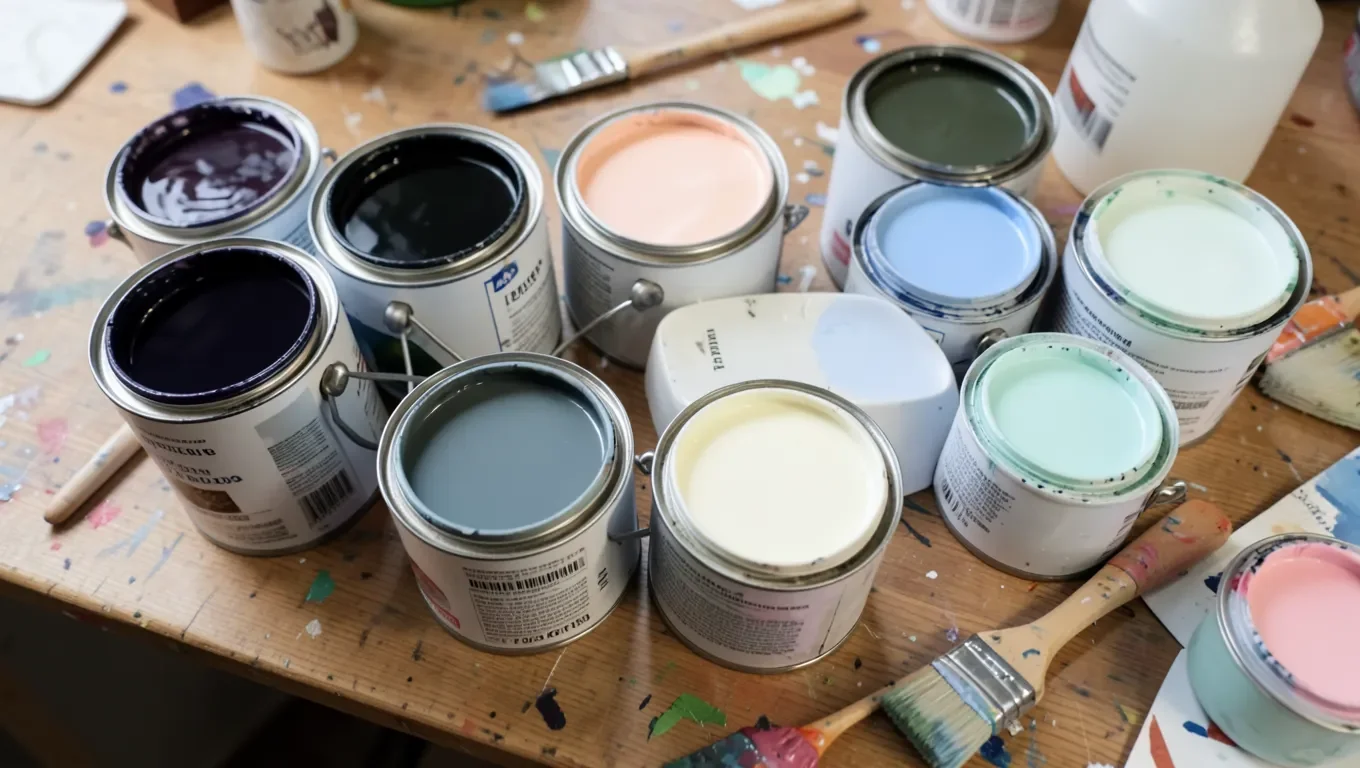
Paint manufacturers sell the same base formula in several tint capacities, usually labeled white, pastel/light, medium, and deep (some brands also offer an ultra-deep or accent base for the darkest colors). Each step down from white base swaps out some of the titanium dioxide opacifier for empty capacity that the paint store’s tinting machine fills with colorant to hit your chosen color. This is also why a swatch chip and the actual dried paint on your wall can look slightly different — the base and tint ratio genuinely change the paint’s covering behavior, not just its color.
Deep Base: What It’s Actually Good For
Deep base is what makes navy, forest green, charcoal, or any other saturated, dark color possible — white base simply can’t hold enough colorant to reach those shades convincingly. The trade-off is real: with less opacifying pigment in the can, deep base colors are more likely to need a second coat for even coverage, especially over a lighter existing color. Budget for that extra coat rather than being surprised by it mid-project.
White Base: What It’s Actually Good For
White base carries the most opacifying pigment of the standard bases, which is why it covers well in fewer coats and is the base used for whites, pastels, and other light, soft colors. It’s also generally the least expensive of the base options, since less colorant is needed to reach a light shade.
Cost and Coverage
Deep base typically costs a bit more per can than white base, and its lower opacity often means you’ll need more total paint to cover the same wall — a real cost difference beyond just the base price. White base costs less and usually covers in fewer coats for light colors, but isn’t an option at all for anything genuinely dark or saturated; trying to force a deep, rich color out of white base simply won’t reach full intensity no matter how much colorant is added, since the base doesn’t have room for enough of it.
Application Tips
- Box your paint for large projects. If a job needs more than one can of the same deep-base color, mix all the cans together in one larger bucket first. Colorant loads can vary slightly can to can, and boxing prevents a visible seam where you switched cans mid-wall.
- Mix thoroughly before use. Deep base colorant settles harder than white base’s lighter pigment load — a drill-mounted mixer blends it back evenly in a way hand-stirring often doesn’t fully achieve.
- Prime based on the surface, not the base type. Whether you need a primer depends on what you’re painting over (bare wood, glossy old paint, a stain-prone surface), not on whether the topcoat is deep or white base.
- Plan for an extra coat with deep colors. Budget one more coat than you think you need for saturated deep-base colors, especially over a lighter existing wall color.
Choosing Between Them
The decision is really made by the color you want, not a stylistic preference between the two bases — your paint store’s tinting system will typically select the correct base automatically once you pick a color from the fan deck. Available finishes (matte, eggshell, satin, semi-gloss, gloss) are a separate choice from the base and apply the same way regardless of whether you’re using deep or white base.
Frequently Asked Questions
What Is Deep Base Paint Used For?
Deep base paint is used for dark, saturated colors like navy, forest green, or charcoal. It contains less white opacifying pigment than other bases, leaving more room for colorant, but that also means it often needs an extra coat for full, even coverage.
What Is White Base Paint Used For?
White base paint is used for whites, pastels, and other light, soft colors. It carries the most opacifying pigment of the standard bases, which gives it strong coverage in fewer coats, but it can’t hold enough colorant to produce genuinely dark or saturated shades.
Can I Use Deep Base Paint Without Tinting?
Technically yes, but it isn’t meant to be used untinted. Deep base without added colorant has very little opacifying pigment, so it goes on thin, covers poorly, and won’t produce a usable finished color on its own.
What Do the Different Paint Bases Mean?
Paint bases indicate how much room is left in the formula for tint colorant, from white (most opacifying pigment, least tint capacity) through pastel and medium to deep or ultra-deep (least opacifying pigment, most tint capacity). Your paint store’s tinting system selects the correct base automatically once you choose a color.
Conclusion
Deep base and white base aren’t a style choice — they’re determined by how dark or light your chosen color is, since the base controls how much colorant the paint can actually hold. Pick the color first and let the base follow, budget an extra coat for deep colors, and mix thoroughly before applying either one.
Sponsored / affiliate links. As an Amazon Associate I earn from qualifying purchases. I may earn additional commission from eligible campaigns.