Can I Use White Base Paint Without Tint

Can I Use White Base Paint Without Tint? Expert Review 2026

Painting your home can feel a bit tricky, especially when you’re just starting out. A question many beginners ask is: Can I Use White Base Paint Without Tint? Expert Review 2026.

It’s a common point of confusion because paint can seem so simple, but there are layers to it. Don’t worry, though! This guide will break it all down for you.

We’ll walk through everything you need to know in easy steps so you can feel confident about your paint choices and get that perfect look for your walls.

Understanding White Base Paint

Base paint, often called a primer or a base coat, is the foundation for your final paint color. It serves several important jobs. It helps your topcoat stick better, makes the color truer, and can even cover up old colors or stains.

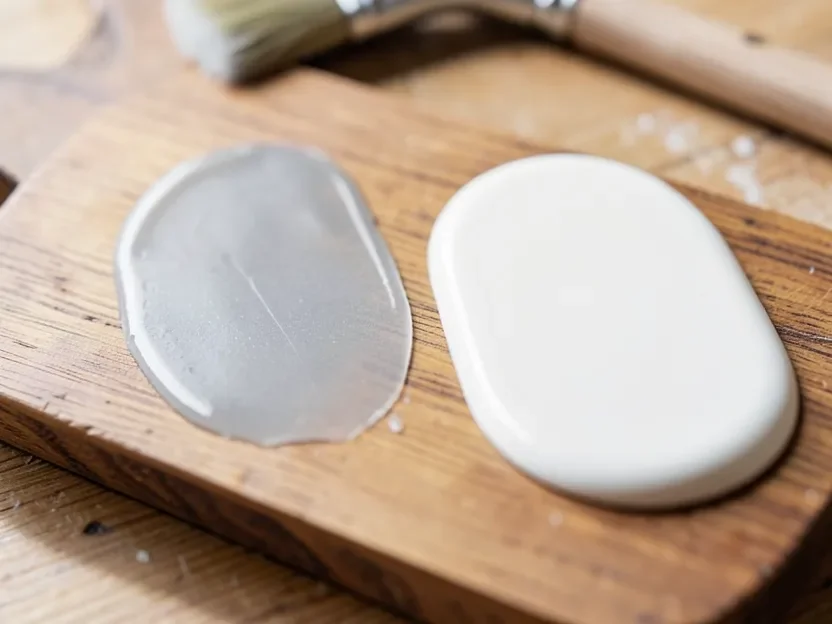
When paint is mixed, it starts with a base. This base can be white, clear, or sometimes even gray or another neutral color. The tint is what gives the paint its final hue.

Without tint, the base paint is essentially just that – the base.

The Purpose of Base Paint

The primary purpose of a paint base is to prepare the surface for the final color. Think of it like a canvas for an artist. A good base ensures that the colors applied on top will look their best.

It creates a uniform surface that absorbs the topcoat evenly, preventing splotchy results. It also seals porous materials like drywall, so they don’t soak up too much paint from your topcoat, which would mean you need more paint and more coats.

  • Surface Preparation: Base paint helps cover imperfections on the wall, like minor cracks or old paint drips. It smooths out the surface, making it ready for a clean application of your chosen color. This step is key to a professional-looking finish.
  • Adhesion Improvement: A good base coat helps the new paint stick firmly to the wall. This is especially important if you’re painting over a glossy surface or a dark color. Without good adhesion, paint can peel or chip over time.
  • Color Accuracy: The base coat ensures that the color you picked from the swatch looks exactly like it does on the wall. Without it, the underlying wall color can affect the final appearance of your topcoat, making it look different than you expected.
  • Stain Blocking: Some base paints can also act as stain blockers. If you have water stains, grease marks, or crayon scribbles on your wall, a stain-blocking primer can cover them so they don’t show through your new paint.

Searching for more on Paints? Take a look at this comprehensive post. Can I Use Spray Paint on Wood? Best Local Professional Tips

What Happens Without Tint

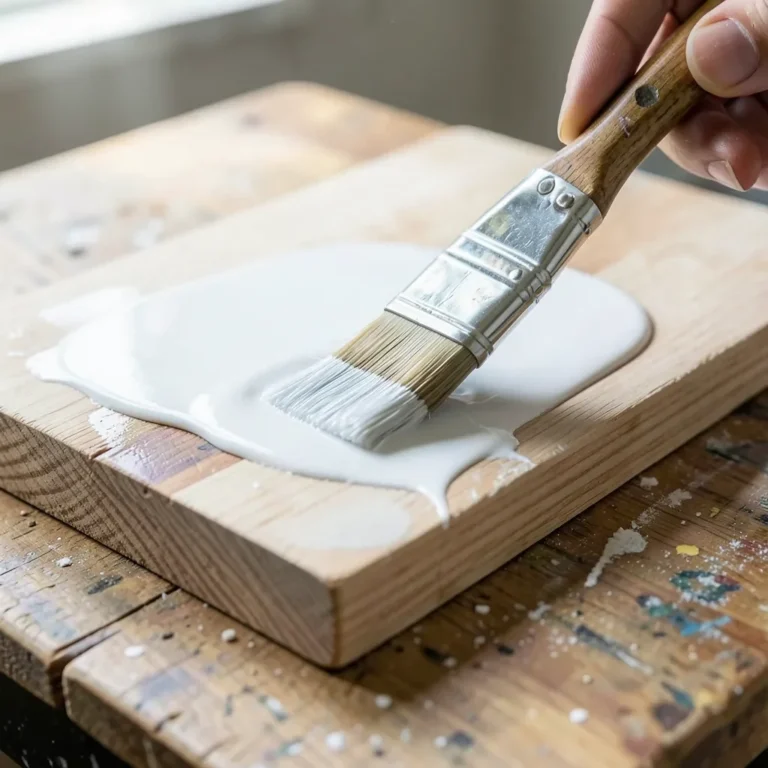
When you use a white base paint without any added tint, it remains white. This white can vary slightly in its undertones, some being a crisp, cool white, while others might have a warmer, off-white feel. However, its primary function remains that of a base.

Applying it as your final color might result in a very light, subtle shade, but it will likely lack the depth and vibrancy of a specifically tinted color. It essentially acts as a very pale, unfinished layer.

The visual effect of using untinted white base paint as a final coat is usually a flat, stark white. While some people might like this minimalist look, it’s generally not what people aim for when they choose a specific color. The goal of tinting is to achieve a desired hue, and without it, you’re missing that crucial step.

Imagine a baker using only flour for a cake instead of adding sugar, eggs, and flavorings – it’s the building blocks, but not the finished product.

Understanding White Base Paint

Can I Use White Base Paint Without Tint as a Topcoat

This is where the main question really gets interesting for DIY painters. You’ve bought your paint, you’re ready to go, and you’re wondering if that can of white base paint you have can do the job as your final color. The short answer is: yes, you can, but it might not give you the result you’re hoping for.

It’s like using printer paper as a canvas for a painting – it serves a purpose, but it’s not ideal for the final artistic expression.

The Visual Outcome of Untinted White Base

When you apply untinted white base paint as your final color, the result is a very basic white. This white will look different depending on the specific base you used. Some bases are a pure, bright white, which can make a room feel very clean and spacious.

Others might have a slightly warmer or cooler undertone, giving a softer or crisper feel. However, it will not have the specific color character that tint provides. It’s essentially a very light, unadorned white.

The finish of the paint also plays a role. If the white base paint has a matte finish, it will absorb light and appear softer. A satin or semi-gloss finish will reflect more light, making the white seem brighter and more prominent.

Without any tint, the color will appear very uniform. You won’t get the subtle variations or richness that a tinted paint color often provides. It’s a practical choice if you want a very simple, bright white, but it’s important to know you’re not getting a colored finish.

Interested in more about Paints? Here's an article you might find helpful. Can I Use Outdoor Paint Inside Expert Guide

When Using White Base Without Tint Makes Sense

There are specific situations where using white base paint without tint as a final coat can be a good idea. For instance, if you are painting a utility room, a garage, or a basement where aesthetics are not the primary concern, a simple white finish is perfectly fine and cost-effective. It will brighten up the space and make it feel cleaner without the need for expensive colored paints.

Another scenario is when you plan to add decorative elements later, like stencils or murals, that will be painted over the white base. In this case, the untinted white serves as a neutral backdrop. You might also consider it if you’re preparing a room for sale and want a universally appealing, bright look that doesn’t impose a specific color preference on potential buyers.

It’s a safe and neutral choice.

  • Budget-Friendly Option: White base paints are often less expensive than specially tinted paints because they haven’t undergone the additional tinting process. If you’re on a tight budget and just need a clean, white finish, this is a smart way to save money.
  • Preparing for Future Decoration: If you intend to use the walls as a canvas for art, stencils, or even to hang a lot of pictures, a plain white background is ideal. It won’t compete with your artwork and will make it stand out.
  • Brightening Small or Dark Spaces: For areas that lack natural light or are very small, a bright white can make the space feel larger and more open. Untinted white base paint can achieve this effect effectively.
  • Temporary Painting Needs: If you only need to paint a space for a short period, such as a rental property that you’re about to vacate or a room for a temporary event, using a white base as a topcoat is a practical and less permanent solution.

Want to learn more about Paints? This post could provide more insights. Can Kilz Primer Be Used as Paint? Professional Local Guide

Potential Downsides to Consider

While it’s possible, there are some downsides to using white base paint as your final color. The most significant is that it might not look like a “finished” color. It can appear flat and uninspired compared to a professionally tinted paint.

The color might also be more susceptible to showing dirt and scuffs because it lacks the durability and specific formulations found in topcoat paints.

Furthermore, the quality and finish might not be as good. Base paints are formulated for adhesion and coverage, not necessarily for the aesthetic appeal or washability of a final paint color. You might find that it’s harder to clean or that it doesn’t hold up as well to everyday wear and tear.

The overall look can be less sophisticated than what you would achieve with a dedicated topcoat.

The Science Behind Paint Tinting

Understanding how paint gets its color helps explain why using just the base isn’t always the best choice for a final coat. Paint is made of pigment, binder, solvent, and additives. The pigment is what gives paint its color.

In white base paint, the pigment is typically titanium dioxide, which provides opacity and brightness.

When you tint paint, small amounts of concentrated colorants, also called “color pastes” or “tints,” are added to the base. These colorants are highly concentrated pigments. The amount and type of colorant added determine the final color.

A skilled paint mixer uses specific formulas to achieve precise shades. This process ensures the color is stable, consistent, and has the desired visual effect.

Pigments and Their Role

Pigments are tiny particles of colored matter suspended in the paint. They are the heart of a paint’s color. Different pigments create different colors.

For example, iron oxides create reds and yellows, while carbon black creates black. Titanium dioxide is a white pigment, giving white paint its opacity and brightness. In a white base paint, titanium dioxide is the primary pigment.

When colorants are added, they are essentially introducing more pigments into the mix. These new pigments interact with the titanium dioxide and with each other to produce the desired hue. The quality and type of pigments used in both the base and the colorants significantly impact the final color’s vibrancy, durability, and how it looks in different lighting conditions.

Topcoat paints often use higher-quality pigments designed for color retention and fade resistance.

Intrigued by Paints? Here’s a related post to explore further. Can Kilz Be Used as Paint? Local Expert Priming Secrets

The Tinting Process Explained

The tinting process is a precise operation. Paint stores have specialized machines that dispense small, accurate amounts of color pastes into the base paint. The amount of each color paste is measured to the milliliter or even smaller increments.

This ensures that if you need to touch up a wall later, you can get an exact color match. The paint is then mixed vigorously in a paint shaker to ensure the colorants are evenly distributed throughout the base.

Without this process, a white base paint remains just that – white. It has the inherent properties of a base, like good coverage and adhesion, but it lacks the specific hue and depth that tinting provides. This is why a can of “base white” will not look the same as a can of “tinted white” or any other color.

The colorants are what transform a neutral base into a specific color.

Expert Tips for Using White Base Paint

Even though using white base paint as a topcoat might not be ideal for every situation, there are ways to make it work effectively if you choose to do so. Experts recommend understanding its limitations and preparing your surfaces well. Think of it as using a good quality canvas that is ready for a simpler design.

Surface Preparation is Key

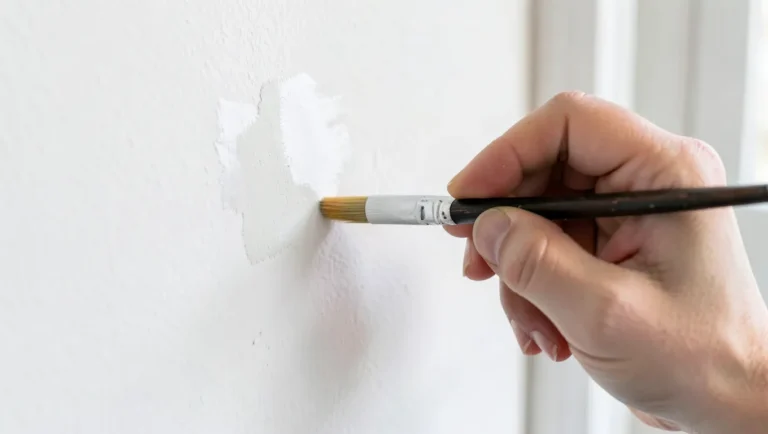
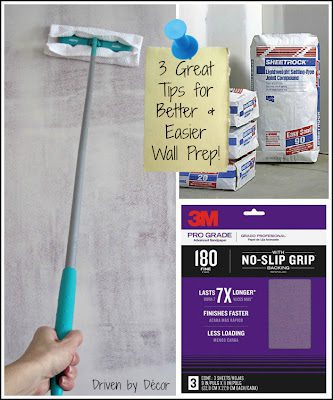
Before applying any paint, including white base paint as a topcoat, proper surface preparation is essential. This means cleaning the walls thoroughly to remove any dirt, grease, or dust. Sanding down any rough spots and filling in holes or cracks with spackle will ensure a smooth finish.

A well-prepared surface is crucial for any paint job, especially when you’re relying on a less specialized product for your final color.

This cleaning and smoothing process is vital. If you skip it, imperfections will show through your white paint, and the finish will look amateurish. For example, if there are greasy fingerprints on the wall, they can prevent the paint from adhering properly, leading to peeling or a dull finish.

A clean, smooth surface is the foundation for any successful painting project.

  • Clean the Walls: Use a mild detergent and water to wash down walls. Rinse thoroughly and allow them to dry completely. This removes any residues that could interfere with paint adhesion.
  • Fill and Sand Imperfections: Patch any holes or cracks with spackle. Once dry, sand the patched areas smooth. This ensures an even surface, preventing the patches from showing through the paint.
  • Lightly Sand Glossy Surfaces: If you are painting over a previously glossy surface, lightly sanding it will create a “key” for the new paint to adhere to. This prevents the new paint from simply sliding off.
  • Apply a Separate Primer If Necessary: If your walls have dark colors, stains, or are in poor condition, consider applying a dedicated primer first. This will ensure better coverage and a more uniform base, even before your white base paint topcoat.

Looking for more insights on Paints? You may find this post valuable. Is Acrylic Paint Safe for Kids? Best Non-Toxic Local Picks

When to Consider Tinting

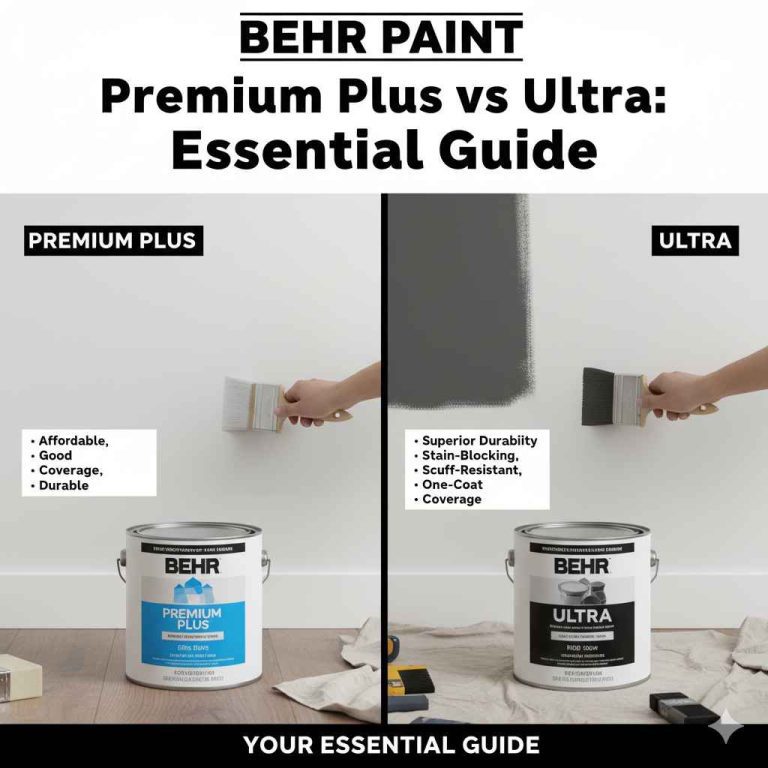
For most rooms in a home, especially living areas, bedrooms, and kitchens, experts strongly advise using a paint specifically designed as a topcoat and tinting it to your desired color. The reasons are manifold. Tinted topcoats offer a wider range of finishes, better color durability, and enhanced washability.

They are formulated to withstand daily wear and tear, making them more practical for high-traffic areas.

If you are aiming for a specific aesthetic or want a color with depth and character, tinting is non-negotiable. The subtle variations in a tinted color can add warmth and sophistication to a room. Think about the difference between a stark, bright white and a soft, creamy off-white or a pale, calming blue.

These nuances are achieved through careful tinting and are what make a room feel inviting and complete.

Consider the longevity of your paint job. A tinted topcoat is engineered for durability and color fastness. This means the color will remain true for longer, resisting fading from sunlight and general wear.

Furthermore, many topcoat paints offer superior washability, allowing you to easily clean away smudges and marks without damaging the paint finish. These benefits are often not as pronounced in basic white base paints.

Choosing the Right White Base If You Must

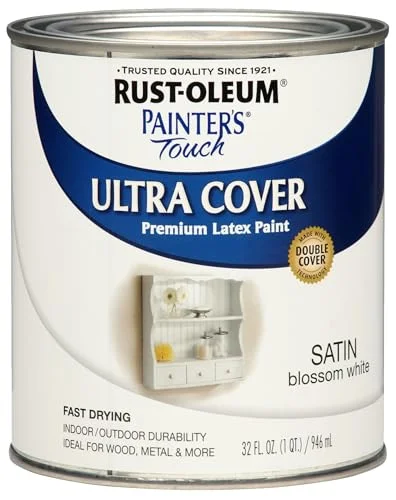
If you’ve decided to use white base paint without tint, try to select a good quality one. Look for bases that are known for their opacity and smooth finish. Some higher-end white bases might offer better coverage and a more pleasing aesthetic than the cheapest options.

You might also want to check the sheen – a satin or eggshell finish on a white base might look more like a topcoat than a flat matte finish.

When you’re at the store, look at the different “bases” available. They are usually labeled as Pastel, Medium, Deep, or Accent bases. For a white finish, you’ll want to stick with a Pastel or perhaps a Medium base, as these are designed to take lighter colors.

A “Deep” or “Accent” base is meant for very dark or vibrant colors and would require significant tinting to become white.

Real-Life Scenarios

Let’s look at some actual situations where people have used white base paint, and what happened.

Scenario 1 A Garage Makeover

Sarah wanted to brighten up her dusty garage. She had a couple of cans of leftover white primer. Instead of buying new paint, she decided to use the primer as the final coat.

She cleaned the concrete floor and the cinder block walls thoroughly. She then applied two coats of the white primer. The result was a clean, bright garage that felt much more spacious and inviting.

It wasn’t a fancy color, but it achieved her goal of a brighter workspace.

The primer provided excellent coverage on the porous cinder blocks and the somewhat uneven concrete floor. It blocked out the old dirt stains and made the space look much tidier. While it wasn’t a paint designed for heavy foot traffic on the floor, for the walls and as a budget-friendly solution, it worked very well.

Scenario 2 A Rental Property Touch-Up

John managed a small rental property. The previous tenant had left some minor scuff marks and light marks on the walls. To get the property ready for new renters quickly and affordably, John bought a gallon of white paint base.

He used it to cover over the marks. The walls looked clean and fresh, presenting a neutral and welcoming environment for the new tenants.

This was a perfect use case because the goal was a quick, neutral refresh rather than a long-term aesthetic statement. The white base paint provided good hiding power for the minor imperfections. It was also inexpensive, keeping John’s costs down between tenants.

Scenario 3 An Artistic Backdrop

Maria is an artist who wanted to create a large mural on her living room wall. She decided to paint the entire wall with a simple, untinted white base paint. This gave her a clean, consistent canvas.

She then proceeded to paint her intricate mural on top of the white base. The white provided a bright, neutral background that made her vibrant mural colors pop.

In this case, the white base paint was an ideal choice. It served its purpose as a blank canvas without introducing any unwanted undertones that might interfere with her artwork. The coverage was good, and it dried to a uniform finish, ready for her artistic endeavors.

Real-Life Scenarios

Frequently Asked Questions

Question: Can I use white base paint as a primer and a topcoat in one?

Answer: Yes, you can use white base paint as both. However, understand that its primary function as a base means it might not offer the same durability, finish, or washability as a dedicated topcoat paint. It’s best for low-traffic areas or when budget is a major concern.

Question: Will white base paint look exactly like a store-bought white paint color?

Answer: No, it will not. Store-bought white paint colors have specific tints mixed in to create nuances like off-white, eggshell white, or cool white. Untinted white base paint will look like a plain, basic white, which can be stark compared to tinted options.

Question: How many coats of white base paint will I need if I use it as a topcoat?

Answer: You will likely need at least two coats, possibly more, depending on the original color of your walls and the opacity of the base paint. Always aim for consistent coverage where the old color does not show through.

Question: Is untinted white base paint good for blocking stains?

Answer: Some white base paints have stain-blocking properties, but this is not their primary feature. If stain blocking is crucial, look for a primer specifically labeled as a stain blocker, which may or may not be white.

Question: Can I tint white base paint myself at home?

Answer: While you can technically add colorants yourself, achieving an even, consistent color is very difficult without professional mixing equipment. The result can be streaky or blotchy. It’s best to have paint tinted at the store.

Summary

So, can you use white base paint without tint? Yes, you absolutely can. It’s a practical choice for brightening up utility spaces, garages, or rental properties on a budget.

Just remember it’s a foundation, not the final artistic flourish. For most homes, a tinted topcoat offers a richer, more durable, and visually appealing finish. Prepare your walls well, and if you go with untinted white, embrace its simple, clean look.

Similar Posts