Drill vs. Impact Drill: The Real Difference
“Impact drill” isn’t actually standard tool terminology – it usually gets used for one of two genuinely different tools: an impact driver (quarter-inch hex chuck, delivers rotational hammer blows for driving screws and bolts) or a hammer drill (round chuck, delivers forward-hammering blows for drilling into masonry). A plain drill/driver does neither – it just spins. Mixing these up is why so many buying guides talk past each other, so this one starts by sorting out which tool actually does what.
Three Tools, Not Two
Best Impact Driver for Most DIYers
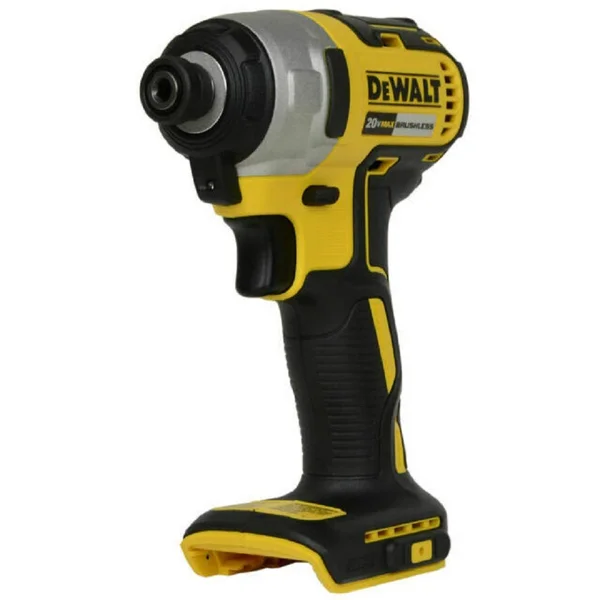 |
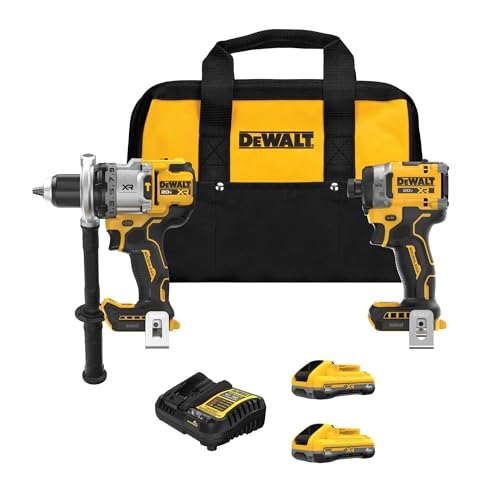
DeWalt DCF787 20V MAX Brushless Cordless 1/4″ Impact Driver (Tool Only) – $78.67 The tool to add alongside a plain drill/driver once you’re regularly fighting long screws, lag bolts, or stuck fasteners a standard drill bogs down on.
|
| Tool | Chuck | What It Adds to Rotation | Best For |
|---|---|---|---|
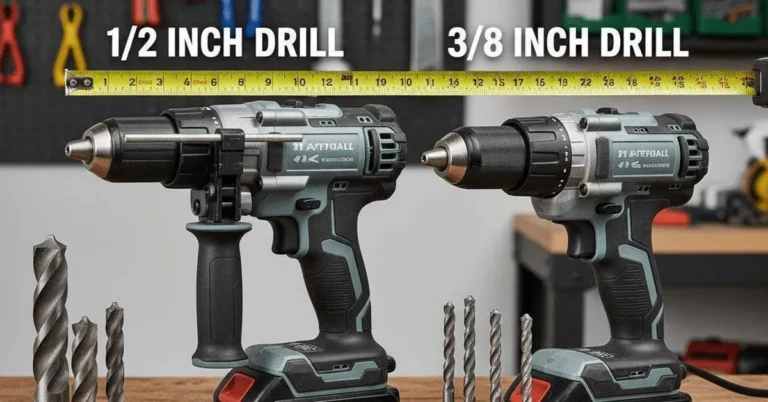
| Drill/driver | Round, ⅓″ or ½″ | Nothing – smooth, steady spin only | Drilling holes, driving small-to-medium screws in wood/plastic |
| Impact driver | ¼″ hex, quick-release | Rotational hammer blows (concussive twisting force) when resistance builds | Driving long or large screws/lag bolts, removing stuck/rusted fasteners |
| Hammer drill | Round, usually ½″ | Forward-hammering blows along the bit’s axis | Drilling into brick, concrete, and masonry |
The word “impact” describes two unrelated kinds of motion, which is the actual source of the confusion. An impact driver’s hammering happens rotationally – it twists harder in short bursts, which is exactly what you want when a long deck screw starts to bog down a plain drill. A hammer drill’s hammering happens axially – it punches the bit forward and back thousands of times a minute, which is what actually breaks up masonry instead of just spinning a bit against it uselessly.
Why a Drill Struggles Where an Impact Driver Doesn’t
A plain drill applies constant, steady torque through the chuck. When a screw meets real resistance – hardwood, a long deck screw, a lag bolt into a stud – that steady torque either stalls the motor, cams the bit out of the screw head, or twists the tool (and your wrist) instead of the fastener. An impact driver solves this differently: instead of pushing constant torque through, it delivers rapid rotational hammer blows, each one adding a burst of turning force only when resistance is detected. That’s why an impact driver can drive a 3-inch deck screw one-handed that would stall a drill or strip the screw head.
The tradeoff is control. That same hammering action makes an impact driver worse at anything needing a light, precise touch – small screws in soft wood, delicate trim work, or drilling a clean hole. For that, the plain drill/driver’s smooth rotation and adjustable clutch actually work better.
Where a Hammer Drill Fits In
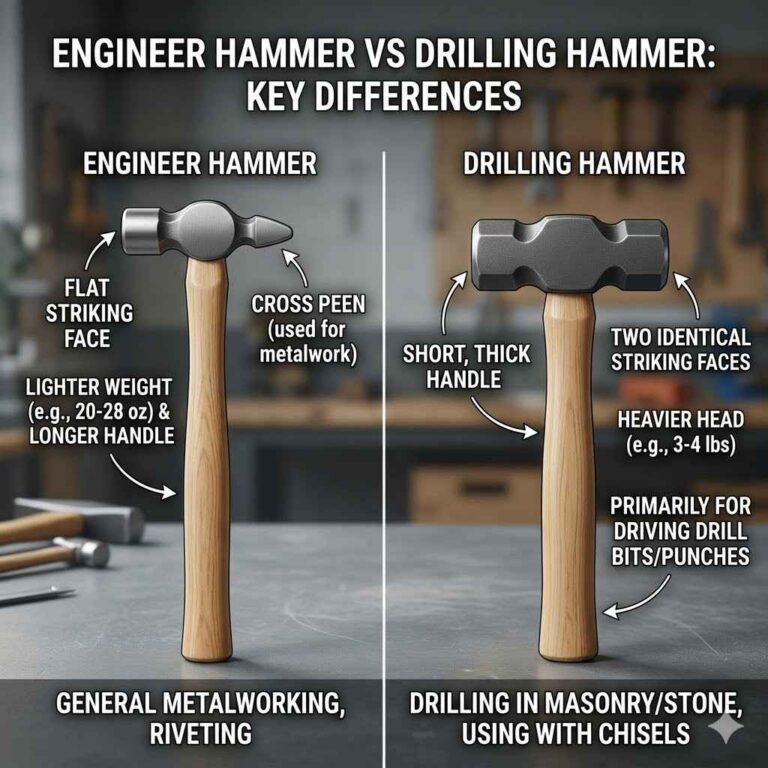
A hammer drill is a third, separate tool solving a different problem: drilling into masonry. It adds rapid forward-and-back pulses along the bit’s axis rather than the rotational twisting an impact driver uses, which is what actually fractures concrete and brick instead of just polishing a shiny, useless hole. A hammer drill setting does nothing useful for driving screws, and an impact driver does nothing useful for drilling into concrete. For the full breakdown of that specific comparison, see hammer drill vs. impact driver: which one do you actually need.
Which One Do You Actually Need?
- Own nothing yet and do general DIY: Start with a plain drill/driver. It covers holes and most screws.
- Already have a drill and keep stalling on long screws or lag bolts: Add an impact driver. This is the single most common upgrade path, and many cordless brands sell drill+impact-driver combo kits specifically because they’re complementary, not redundant.
- Doing masonry work – anchoring into brick or concrete: You need a hammer drill (or a rotary hammer for heavy, repeated masonry work), not an impact driver. An impact driver’s hex chuck typically can’t even accept round masonry bits without an adapter.
Frequently Asked Questions
What is the main difference between a drill and an impact driver?
A drill/driver spins the bit with smooth, constant torque. An impact driver adds rapid rotational hammer blows on top of that rotation whenever the fastener meets resistance, which lets it drive long screws and bolts a plain drill would stall on or strip.
When should I use an impact driver instead of a drill?
Use an impact driver for long screws, lag bolts, deck screws, and removing stuck or rusted fasteners. Use a plain drill for drilling clean holes and driving small-to-medium screws where a lighter, more controllable touch matters.
Is a hammer drill the same thing as an impact driver?
No, and this is the most common mix-up. A hammer drill pulses forward along the bit’s axis to break through masonry. An impact driver pulses rotationally to drive fasteners. Neither substitutes well for the other – a hammer drill’s masonry setting does nothing for driving screws, and an impact driver can’t drill into concrete effectively.
Are impact drivers suitable for beginners?
Yes, though the hammering action takes a little getting used to since it can overdrive a screw past flush faster than expected. Practicing on scrap wood first, and using a lower speed setting if the tool has one, prevents most of the overdriving mistakes beginners make.
Conclusion
“Drill vs. impact drill” is usually really “drill vs. impact driver,” a genuinely different tool built to solve the specific problem of driving long or large fasteners without stalling. A hammer drill is a third, separate tool for masonry that doesn’t overlap with either. Most people end up owning a plain drill first and adding an impact driver once they hit a screw a drill can’t handle – not choosing one over the other permanently.
Sponsored / affiliate links. As an Amazon Associate I earn from qualifying purchases. I may earn additional commission from eligible campaigns.