How Much Does a Professional Drill Bit Sharpening Service Cost?
Professional drill bit sharpening usually costs about $3 to $10 per bit. Bulk work and specialty bits cost more. Once a cheap bit gets close to replacement price, buying new is usually the better choice. Dull or badly sharpened bits scorch wood, drift off layout, and waste time and stock. This guide breaks down the price factors, the break-even point, and when sharpening beats replacement.
Drill bit pricing matrix
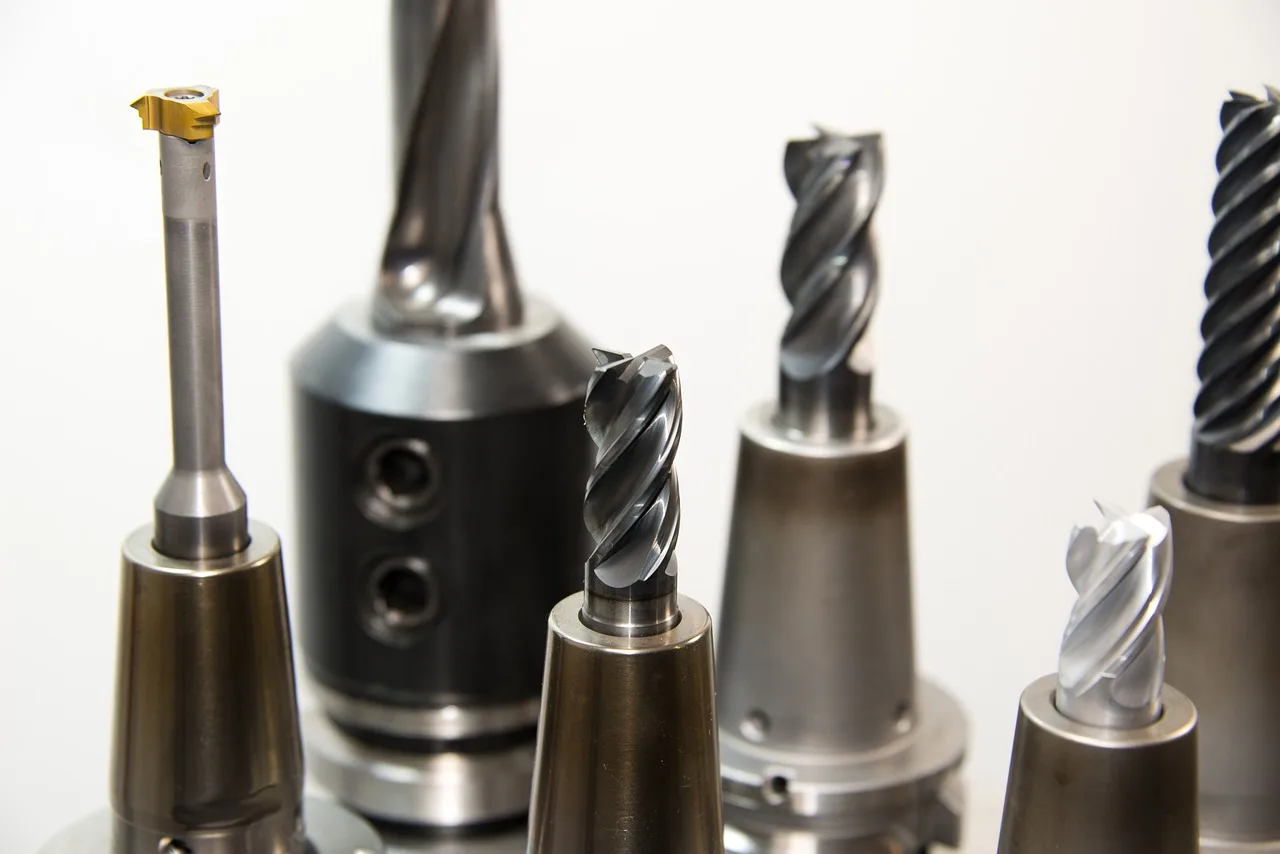

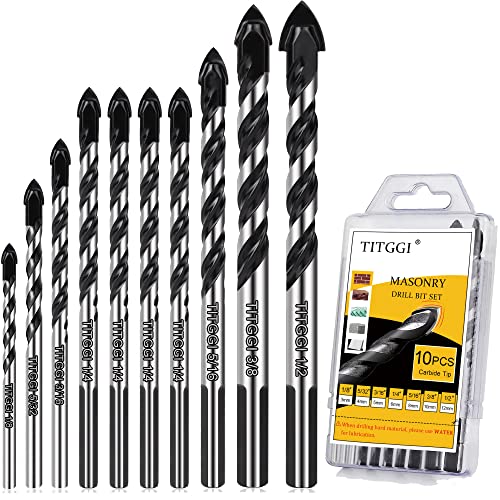
Most services price by bit type, diameter, and how much edge work the bit needs. Twist bits are usually the least expensive to sharpen. Carbide-tipped, split-point, or damaged bits move into higher tiers, and some shops refuse bits that are bent, cracked, or badly chipped.
| Bit type | Typical service tier | Common price driver | Sharpen vs replace threshold |
|---|---|---|---|
| Twist drill bit | Low | Diameter, point angle, light lip wear | Sharpen if the bit is quality HSS or cobalt and still straight. |
| Cobalt drill bit | Low to medium | Harder steel, edge wear, split-point renewal | Sharpen if the bit is large enough to matter and still has full length. |
| Brad point bit | Medium | Center spur condition, outer spurs, diameter | Sharpen if the bit is premium and the spurs are intact. |
| Forstner bit | Medium to high | Rim damage, gullet wear, diameter | Sharpen if it is a good-quality bit with minor rim wear. |
| Carbide-tipped bit | High | Special tooling, edge geometry, shipping or shop setup | Replace unless the bit is large, expensive, or part of a matched set. |
Twist bit service tier
Twist bits are the most commonly sharpened drill bits at home, and they are also the easiest to send out for service. A standard bit often uses a 118° point angle, while harder materials commonly use a 135° angle. Shops that sharpen twist bits usually restore the cutting lips and relief angle too, which matters for clean cutting and chip flow.
Cobalt and split-point tier
Cobalt bits usually sit one tier above plain HSS because the material is harder and the point geometry matters more. Some services can renew split-point bits, but not every shop will do it on small diameters. If split-point restoration is included, the price is usually higher than a basic resharpening.
Carbide-tipped and specialty tier
Carbide-tipped drill bit work often needs special tools or a shop that already handles carbide tooling. Routine hand sharpening is a poor fit. For many small carbide bits, replacement costs less than sending them out, especially once shipping is added.
Replacement threshold by bit type
A practical rule is simple: if a small, low-cost bit costs close to the service minimum, replace it. If the bit is large, premium, or part of a set that needs matching geometry, sharpening is more likely to pay off. Bent, cracked, or heavily chipped bits usually fail this test.
How much does sharpening cost?
Typical professional drill bit sharpening runs about $3 to $10 per bit, but the real total depends on the shop’s minimum charge, your bit size, and whether the service is local or mail-in. Larger bits, split-point work, and damaged cutting edges usually cost more than a standard touch-up.
Typical per-bit pricing
Small twist bits often fall at the low end of the range. Bigger diameters, cobalt steel, and specialty geometry can push the price upward. Some machine shops and industrial sharpeners quote by bit count, while others quote by diameter or by the amount of material removed.
Minimum service charges
Many shops set a minimum charge that matters more than the per-bit rate if you only have a few bits. A low per-bit price can turn into a poor deal if the shop has a minimum charge and you only bring in a few bits. That is where replacement often wins.
Mail-in versus walk-in costs
Walk-in service is usually cheaper because you avoid shipping and handling. Mail-in service can still make sense for a mixed batch of premium bits, especially if local shops refuse carbide or specialty sizes. The extra shipping cost should be counted against the value of the bits you are saving.
Rush service pricing
Rush work usually costs more because the shop interrupts normal workflow. That matters most when a job is waiting on a specific size or when a production shop needs matched geometry back quickly. If the only urgency is convenience, buying a new bit may be the better answer.
What changes the price?
Four factors drive most quotes: diameter and length, point style, coating or material hardness, and damage level. Shops may also reject bits that are too small for their equipment, too short after previous sharpening, or too damaged to restore safely.
Diameter and bit length
Large bits take more time to grind and more care to keep the lips even. Very small bits can be harder to hold and may be below the shop’s minimum size. Long bits may also cost more if the service has to control vibration or hold a consistent angle over a longer shank.
Point style and split-point work
A plain twist bit is the simplest job. Split-point restoration adds time because the tip needs extra shaping to improve centering and reduce wandering. Brad point and Forstner bits are different again, since the center spur, outer spurs, or rim geometry must stay true.
Coatings and hard materials
Titanium-coated bits, cobalt bits, and carbide-tipped bits can all increase labor or equipment demands. A coating does not always make a bit impossible to sharpen, but the shop may charge more if the grind must preserve geometry without overheating the edge. Carbide usually pushes the job into specialty service.
Damage, wear, and rejection criteria
Light edge wear is normal. Bent shanks, cracked flutes, heavy chips, or severe overheating are different. Those bits may cost more to repair than to replace, and some services will refuse them outright. A rejected bit is not a failed sharpening; it is a bad candidate.
Say your 1/4-inch HSS twist bit only has dull lips and no visible chipping. That bit is a strong candidate for service. If the same bit is bent and one flute is blue from heat, the shop may decline it, and replacement will usually be cheaper than rescue work.
Is sharpening cheaper than replacement?
For many quality bits, yes. For low-cost bits, no. The break-even point depends on bit type, size, and how much the service charges for the first bit, the next bit, and any special work such as split-point restoration or carbide tooling.
Twist bits
Twist bits are often worth sharpening when they are mid-grade or better, especially in common sizes that you use often. A cheap pack of small bits is usually not worth professional service if the cost approaches the price of a new set. For a good cobalt set, sharpening often makes more sense.
Cobalt bits
Cobalt bits are usually better candidates than plain carbon steel bits because they cost more to replace and are often used in metalworking where edge quality matters. If the bit is not worn down too far, sharpening can keep a more expensive tool in service for multiple cycles.
Brad point and Forstner bits
Brad point and Forstner bits are worth sharpening when the bit is a quality woodworking tool and the cutting rim is still repairable. Cheap versions often cost less than the service minimum. Premium large-diameter bits are the opposite; one sharpening may be far cheaper than replacement.
Carbide-tipped bits
Carbide-tipped bits are the least consistent on price. Some larger or specialized bits justify outside service, but many smaller ones do not. If shipping and specialty grinding push the total close to replacement cost, buy new instead. That is especially true for routine shop drilling rather than a matched industrial tool.
What can a service sharpen?
Most services handle standard twist bits first, then move into selected specialty bits. Accepted sizes and materials vary widely, and that matters more than the brand name on the package. Always check diameter limits and whether the shop can restore split points before you send a batch.
Accepted bit sizes
Service limits are usually tied to the equipment on the bench. Some machines cover a narrow range, while others handle a broader span. For example, the Drill Doctor 750X handles bits from 3/32 inch up to ¾ inch, the DD350X works with bits from 3/32 inch to ½ inch, and the Tormek DBS-22 works with bits from ⅛ inch to ⅞ inch.
Material limits
Many services are happy with HSS and cobalt twist bits. Carbide, masonry, and unusual specialty bits often need different tooling or a different shop. If a service says it does not handle a material, that usually comes down to setup and edge geometry, not lack of interest.
Split-point restoration
Some professional sharpeners restore split-point bits, but not all do. This work costs more because it is more than a simple resharpening. If you rely on self-centering bits for metalwork, confirm that the service can reproduce the tip style before you drop off the batch.
Bent, chipped, or coated bits
Bent or cracked bits are poor candidates. Heavily chipped edges are also risky because the grinder must remove more material, which shortens the bit and can change the geometry. Coated bits may still be serviceable, but the coating can complicate the grind and raise the price.
What angle should a bit be sharpened to?
For general-purpose work, 118° is the standard point angle, while harder materials commonly use 135°. The right angle matters most when you drill metal or need precise hole location. A good sharpening also keeps the cutting lips equal and the relief angle correct so the bit cuts instead of rubbing.
118° standard point angle
A 118° point angle is common on general-purpose bits and is the baseline many services know well. It works for a broad mix of wood and light metal drilling. If you only need reliable everyday cutting, this is the most familiar setup.
135° hard-metal angle
A 135° point angle is often used for harder materials. It helps the bit start more cleanly in tougher metal, especially when combined with a split point. If the job is mostly wood, this angle is less common than 118°.
Cutting lips and relief angle
Angle alone is not enough. The two cutting lips must be equal in length and height, and the relief angle must clear the work instead of dragging. Poor relief can make a sharp-looking bit cut badly, which is why professional setup matters more than a quick touch-up.
When angle accuracy matters most
Angle accuracy matters most in metalwork, in drill presses, and on bits that must start exactly on layout. Woodworking is more forgiving, but even there a poor grind can cause tearout or wandering. A dull bit can still drill in wood on a drill press, but not cleanly; in metal, a dull drill may not drill at all.
DIY sharpeners compared
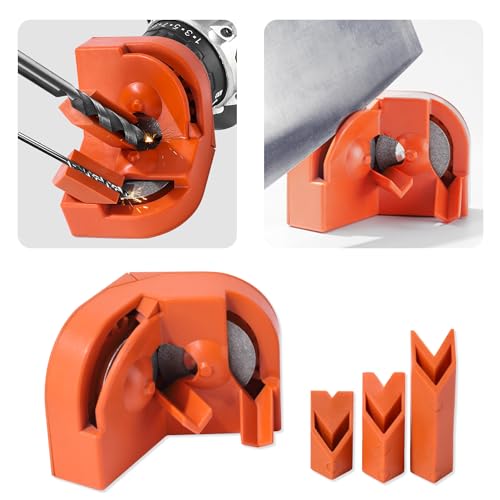
If you sharpen in-house, the tool you choose changes the result as much as your technique. A bench grinder is the most common sharpening method, and a jig helps hold the correct angle. Purpose-built machines offer more consistency, but they also have size and angle limits.
Bench grinder and sharpening jig
A bench grinder with a fine or medium grit wheel, often in the 60–80 grit range, is a common freehand setup. A sharpening jig improves angle consistency and helps keep the lips even. This is the low-cost route, but it depends on careful setup and steady hands.
Drill Doctor 750X
The Drill Doctor 750X handles bits from 3/32 inch up to ¾ inch and supports tip angles from 115 to 140 degrees. It also renews split points. A diamond grit wheel helps with wear resistance, which is useful if you sharpen often.
Drill Doctor DD350X
It does not do split points, so it is better for basic twist-bit work than for more specialized metalworking bits. That makes it a simpler choice for general shop maintenance.
Tormek DBS-22
The Tormek DBS-22 works with bits from ⅛ inch to ⅞ inch and mounts as an accessory for a grinder system. It is aimed at more exact sharpening and is often treated as a professional-grade option. The larger size range is useful if your shop handles bigger bits.
- Sort bits into keep, sharpen, and replace piles.
- Measure whether the bit exceeds the shop’s size limits.
- Check for bends, cracks, or heavy chips.
- Compare the quote with replacement cost.
- Send only the bits that still have enough life left to justify service.
A common first-timer mistake is mailing in a dozen bargain bits when only a couple are worth saving. That can turn a low-cost service into an expensive one fast. The better move is to group premium twist bits, cobalt bits, and large specialty bits together, then replace the cheap throwaways.
Frequently asked questions
How much does a professional drill bit sharpening service cost?
Most professional drill bit sharpening services are commonly reported to charge about $3 to $10 per bit. The total can rise with a minimum service charge, special geometry, larger diameters, or rush work. Mail-in service also adds shipping and handling, which can matter more than the sharpening fee on a small batch.
Is it cheaper to sharpen drill bits or buy new ones?
It depends on the bit. For quality twist bits, cobalt bits, and large woodworking bits, sharpening often costs less than replacement. For low-cost small bits, the service minimum can wipe out the savings. If the sharpening quote is near the price of a new bit, replace it.
Can cobalt drill bits be sharpened professionally?
Yes, many shops sharpen cobalt bits, and they are common candidates for service because they are more expensive than basic carbon steel bits. The shop may charge more if the bit needs split-point renewal or if the edge wear is heavy. Bent or cracked cobalt bits are poor candidates.
Do professional sharpeners restore split-point bits?
Some do, and some do not. Split-point restoration takes more work than a standard touch-up because the tip geometry has to be rebuilt, not just honed. Ask before sending bits in, especially if you rely on the split point for metal drilling or precise starts on layout.
What drill bit sizes can be sharpened by a service?
That depends on the machine and the shop. Common consumer tools cover ranges such as 3/32 inch to ½ inch, 3/32 inch up to ¾ inch, or ⅛ inch to ⅞ inch. Small micro-bits and very large specialty bits are often outside the normal service range.
How long does professional drill bit sharpening take?
Walk-in work may be same day or a few days, depending on the shop’s queue. Mail-in service usually takes longer because of shipping in both directions. Rush service shortens the wait, but it also raises the price. If the bit is not urgent, standard turnaround is the cheaper route.
Sponsored / affiliate links. As an Amazon Associate I earn from qualifying purchases. I may earn additional commission from eligible campaigns.