Difference between Mineral Spirits And Paint Thinner: Explained
Have you ever stood in the paint aisle, staring at rows of cans labeled “mineral spirits” and “paint thinner,” feeling unsure about which one to choose? You’re not alone.
Many DIY enthusiasts and even seasoned professionals often find themselves puzzled by these two seemingly similar products. But here’s the catch: understanding the difference can make all the difference in your next painting project. Whether you’re sprucing up your living room with a fresh coat of paint or tackling a more ambitious DIY task, knowing what sets mineral spirits apart from paint thinner can save you time, money, and a lot of frustration.
Dive into this article and discover how the right choice can enhance your project’s outcome and make your life a bit easier. Ready to clear up the confusion? Let’s get started.
What Are Mineral Spirits?
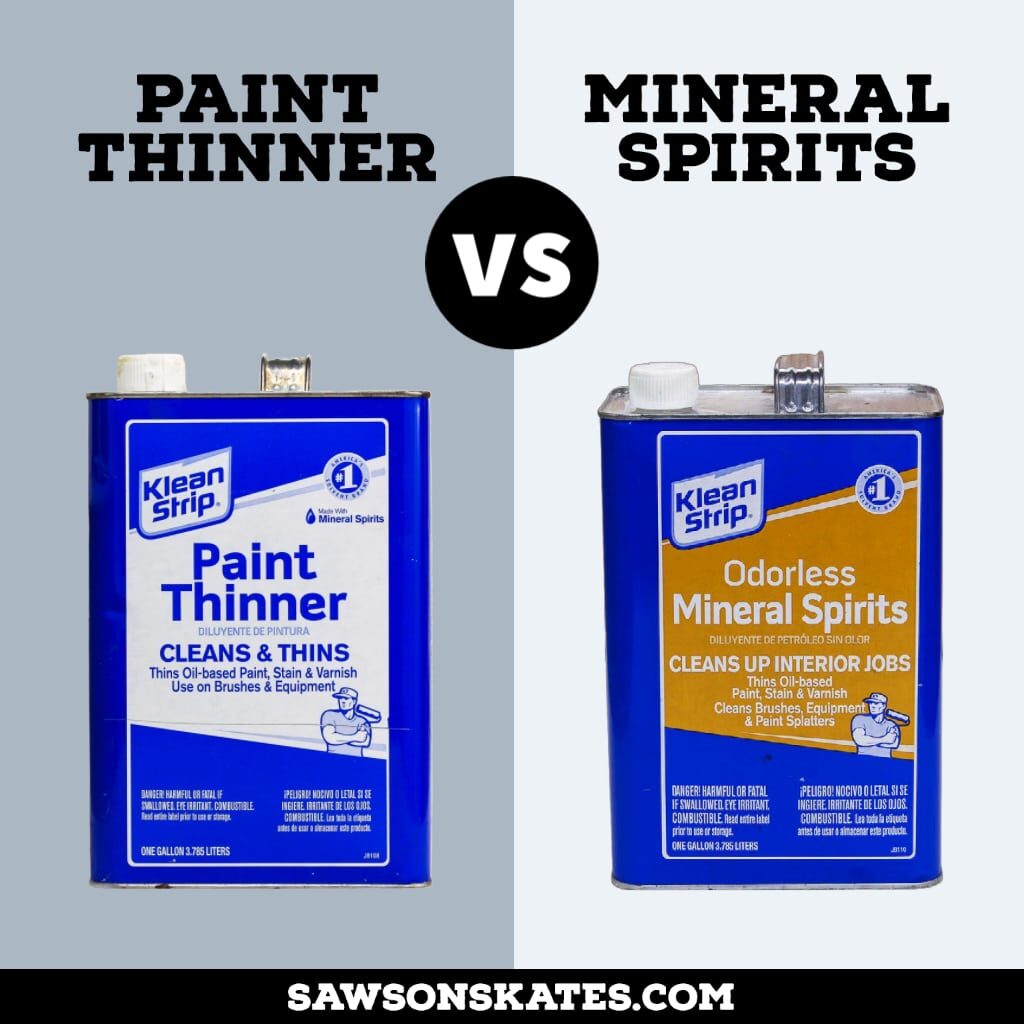
Mineral spirits are a type of solvent. They are used in painting. These spirits come from refining petroleum. Painters use them to clean brushes. They also use them to thin paint. Mineral spirits have a mild smell. They are less toxic than other solvents. This makes them safer for indoor use. Many people choose them for their low odor. They are also less flammable than other options. This is important for safety. Mineral spirits dry slowly. This can be helpful for some projects.
Credit: sawsonskates.com
What Is Paint Thinner?
Paint thinner is a liquid used to make paint less thick. It helps in cleaning paint brushes and spills. Thinner can break down paint and make it easy to spread.
Many people use paint thinner for oil-based paints. It works well because it evaporates fast. This leaves the paint dry and ready. Always use thinner in a well-ventilated area. The smell can be strong and harmful.
Paint thinner is similar to mineral spirits but not the same. Thinner often has more chemicals. These chemicals can be stronger and sometimes less safe. Always read labels before using any product.
Chemical Composition
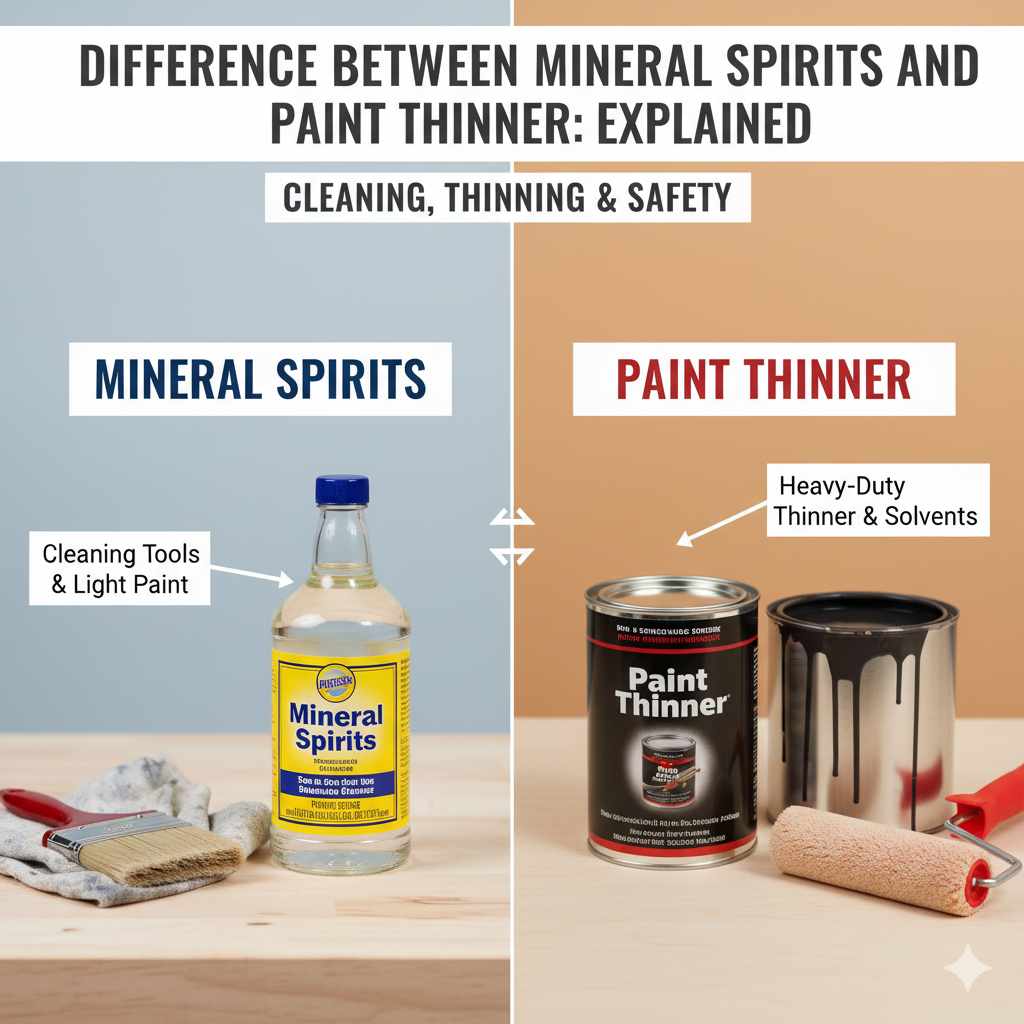
Understanding the difference between mineral spirits and paint thinner involves looking at their chemical composition. Mineral spirits contain refined petroleum and are less toxic. Paint thinner has a mix of chemicals, making it harsher. Both are used for thinning paint, but mineral spirits are milder and less smelly.
Mineral Spirits Composition
Mineral spirits are made from petroleum. They contain aliphatic and aromatic hydrocarbons. Aliphatic hydrocarbons are simple. Aromatic hydrocarbons have a ring structure. These spirits are less toxic. They have a milder smell. Painters use them to clean brushes. Mineral spirits can thin oil-based paints. They evaporate slowly. This helps the paint dry evenly. Less odor makes them ideal indoors. They are safer than other solvents. Mineral spirits are versatile. They are used in many industries.
Paint Thinner Composition
Paint thinner is a mixture. It contains many solvents. Acetone is common in paint thinner. It evaporates quickly. This helps the paint dry fast. Paint thinner is more aggressive. It can remove tough stains. Turpentine is another ingredient. It is derived from pine trees. Turpentine has a strong smell. Paint thinner can irritate skin. It is important to use it safely. Proper ventilation is necessary. This ensures safety when using paint thinner.
Uses And Applications
Mineral spirits are less toxic and used for thinning oil-based paints and cleaning brushes. Paint thinner is stronger and often used for removing paint and varnish. Both have distinct roles in painting and cleaning tasks.
Common Uses For Mineral Spirits
Mineral spirits are often used to clean and degrease tools. Artists use them to thin oil-based paints. They help remove sticky residues from surfaces. Many people use them to clean brushes. They are also handy for polishing wood. Mineral spirits can dissolve some types of adhesives. They are gentle on most surfaces. Safety is important when using them. Always use them in a well-ventilated area.
Common Uses For Paint Thinner
Paint thinner is used to thin paint before application. It helps remove paint from brushes and rollers. Many people use it to clean dried paint spills. It is effective for stripping old paint from wood. Paint thinner can prepare surfaces for new paint. It is also used in industrial cleaning. Always wear gloves when using paint thinner. It can be harsh on skin. Use it in a ventilated space to stay safe.
Effectiveness
Mineral spirits are very good for cleaning paint tools. They can remove oil-based paints easily. They are a gentle cleaner and do not damage surfaces. They are less strong than other cleaners. But they still work well. They are also used to thin oil paints. This makes painting smoother. The smell is not very strong. This is good for small rooms. Mineral spirits dry slowly, giving time to clean properly.
Paint thinner is stronger than mineral spirits. It can remove tough stains and paint. It works fast and dries quickly. This is good for quick jobs. The smell is stronger and may need airing out. Paint thinner is also used to clean big surfaces. It is not as safe as mineral spirits. Using gloves is a good idea. It is important to be careful with paint thinner.
:max_bytes(150000):strip_icc()/SPR-mineral-spirits-vs-paint-thinner-difference-4764584-01-8ad2415036ca4746b005ebe31f8e4970.jpg)
Credit: www.thespruce.com
Safety Considerations
Mineral spirits can be dangerousif not used properly. Always wear gloves. Use them in a well-ventilatedarea. This helps avoid breathing harmful fumes. Keep them away from flames. They can catch fire easily. Store them in a safe place. Away from children and pets. Never mix them with other chemicals. It can be hazardous.
Paint thinner needs careful handling. Wear protective gearlike gloves. Ensure good ventilation in the room. This prevents inhaling toxic fumes. Keep it far from heat sources. It is flammable. Store it securely. Away from curious kids. Do not mix with unknown substances. This can be risky.
Environmental Impact
Mineral spirits are less harmful to nature. They are made from petroleum. This product has fewer harmful chemicals. It does not pollute water as much. People say it is safer for the earth. It also breaks down faster. Good for cleaning and thinningpaints. Many people choose it for its low odor. It is safer to use indoors.
Paint thinner can harm the earth. It often has strong chemicals. These can be bad for plants and animals. It may pollute water sources. Some types have a strong smell. Not good for indoor use. It is cheaper but less eco-friendly. Many people prefer mineral spiritsfor safer use. It is better for the planet.
Cost Comparison
Mineral spirits usually cost more than paint thinner. This is because they are more refined. Paint thinner is cheaper because it is less pure. Buying in bulk can save money on both. Local stores often have different prices. It’s smart to check online too. Some brands are more expensive than others. Always compare before you buy. Quality can affect the price. But the cheaper option might work just as well.
Look for sales to save money. Coupons can also help lower costs. Remember, the most expensive is not always the best. Choose based on your needs and budget. This helps in making the right choice.
Choosing The Right Product
Safetyis important. Mineral spirits are less flammable. Paint thinner smells stronger. This can be harmful. Check the product label. Look for safety instructions.
Costmatters too. Mineral spirits are often more expensive. Paint thinner can be cheaper. Compare prices at the store. Choose what fits your budget.
Effectivenessvaries. Mineral spirits clean paint brushes well. Paint thinner can remove tough stains. Decide what task you need to do.
For indoor projects, use mineral spirits. The smell is less strong. For outdoor tasks, paint thinner works fine. It evaporates quickly. Need to clean brushes? Try mineral spirits. Stubborn stains on surfaces? Use paint thinner.
Always wear gloves. Protect your skin from chemicals. Ventilate the area. Fresh air helps reduce fumes. Keep products away from children.

Credit: www.differencebetween.net
Frequently Asked Questions
Can I Substitute Paint Thinner For Mineral Spirits?
Yes, you can substitute paint thinner for mineral spirits. They are similar, but paint thinner is less refined. Use caution, as paint thinner may have a stronger odor and more impurities. Always check product labels and ensure compatibility with your project.
What Not To Use Mineral Spirits On?
Avoid using mineral spirits on plastics, rubber, and painted surfaces. They can cause damage or discoloration. Keep it away from skin and eyes to prevent irritation. Mineral spirits can dissolve adhesives, so avoid using them on glued surfaces. Test on a small area first if unsure.
What Is A Mineral Spirits Substitute?
Rubbing alcohol, turpentine, or acetone can substitute mineral spirits. These alternatives effectively clean brushes and thin paint. Always ensure proper ventilation when using. Choose the substitute based on the specific task and desired outcome for best results.
Does Mineral Spirits Take Off Latex Paint?
Mineral spirits do not effectively remove latex paint. Use warm, soapy water or a dedicated latex paint remover instead. Mineral spirits work better on oil-based paints. Always test a small area before applying any remover to ensure it won’t damage the surface.
Conclusion
Choosing between mineral spirits and paint thinner depends on your project needs. Mineral spirits work well for cleaning and thinning oil-based paints. They are less harsh, making them safer for indoor use. Paint thinner is stronger and more aggressive. It’s ideal for tougher cleaning tasks and removing sticky residues.
Always check the label for safe use practices. Consider the task and your environment. Safety first. Proper ventilation is key when using either product. Both have distinct roles in painting and cleaning. Make informed decisions for better results. Your project’s success depends on using the right product.