How to Remove Paint from Baseboards: Quick and Easy Methods
The fastest, safest way to remove paint from baseboards is a citrus-based stripping gel: brush it on, let it sit until the paint bubbles, then scrape it off with a plastic or stiff-blade tool. Heat guns and sanding both work too, but each comes with a real catch worth knowing before you start, especially in an older home.
Below are all four real methods (stripper, heat gun, sanding, and natural options for light splatters), which one fits your situation, the one safety check almost every guide skips, and how to handle paint spots and sticky residue separately from a full paint job. If you’re comparing stripper products more broadly, see our full DIY paint remover guide.
Before You Start: Test for Lead Paint
Best Paint-Scraping Tool
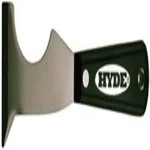 |
Hyde Professional 5-In-1 Painter’s Tool – Under $10 A stiff, contoured scraper blade that gets into baseboard grooves and corners without gouging the wood underneath, once the stripper or heat has softened the paint.
|
If your home was built before 1978, there’s a real chance the old paint on your baseboards contains lead, and that changes which methods are safe. A $10 lead-test swab from the hardware store answers the question in minutes. If it’s positive, skip sanding and heat guns entirely – both release lead dust or fumes into the air. The EPA’s renovation rules specifically prohibit running a heat gun above 1100°F on lead paint for this reason. A chemical stripping gel is the safer route on lead paint, since it lifts the paint as a solid film instead of turning it into airborne dust or fumes; wear gloves and ventilate the room regardless.
What You’ll Need
- Citrus-based paint stripping gel (or a heat gun, for confirmed non-lead paint)
- A stiff-blade or plastic scraper shaped to reach baseboard grooves
- Rubber gloves and safety goggles
- Drop cloth or old sheet, plus painter’s tape for adjacent walls and flooring
- Fine-grit sandpaper for smoothing after stripping
- A damp rag and mild soap for cleanup
Method 1: Chemical Stripping Gel
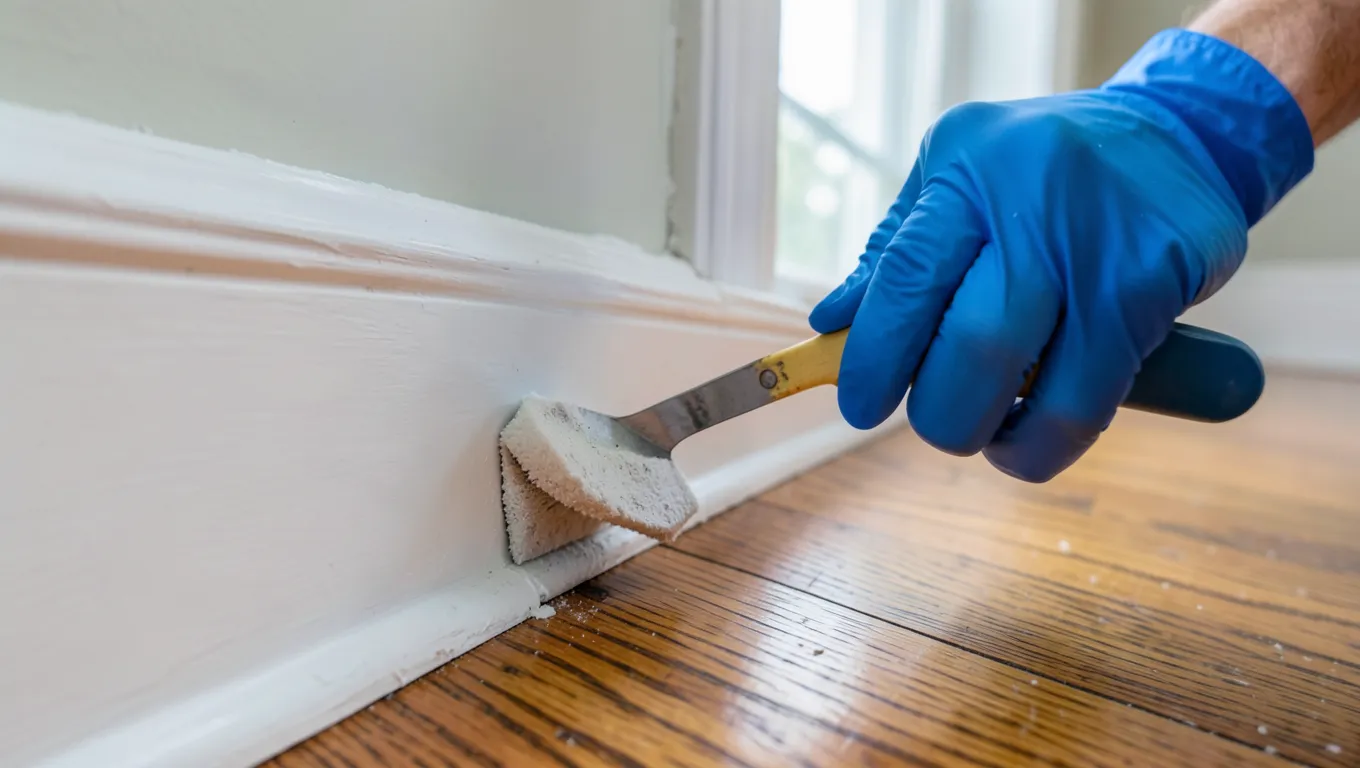
Ventilate the room, put on gloves and goggles, and brush a generous, even layer of stripping gel over the paint. Most citrus-based gels need 30 minutes to a few hours of dwell time depending on how many layers of paint you’re removing – check the product’s label rather than guessing, since dwell time varies more than people expect. You’ll see the paint start to wrinkle and bubble when it’s ready.
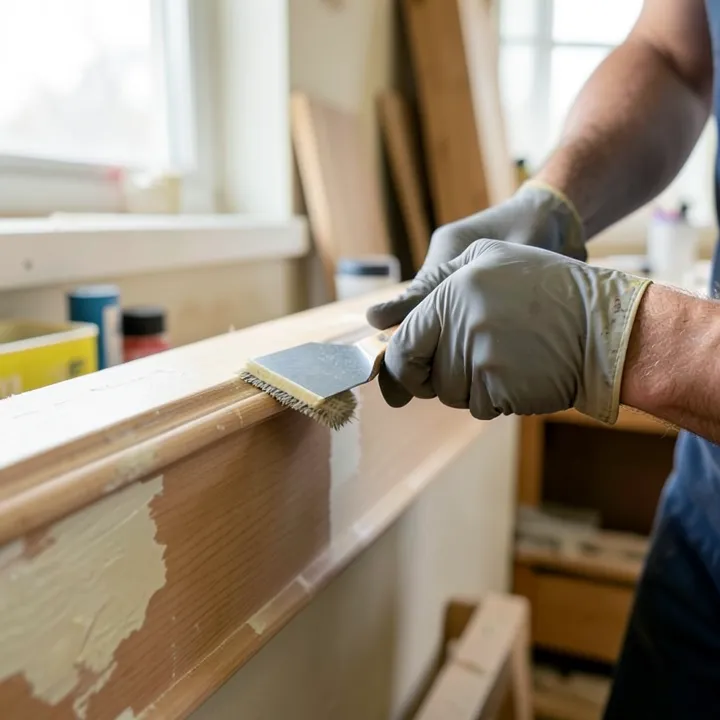
Scrape in small sections with a stiff or plastic scraper, working with the wood grain, not against it. If paint remains after the first pass, reapply gel to just that section rather than the whole board and wait again – re-scraping a spot that hasn’t softened enough is what gouges wood. Finish with a damp cloth to lift the last of the gel residue before it dries.
Method 2: Heat Gun (Non-Lead Paint Only)
Set the heat gun to a medium setting and hold it a few inches from the surface, moving it slowly rather than parking it in one spot, which can scorch the wood. As the paint softens and starts to bubble, follow immediately behind with a scraper. Work in short sections so the paint doesn’t cool and re-harden before you scrape it. This method is genuinely faster than gel on a single layer, but it only belongs in your toolkit once you’ve ruled out lead paint.
Method 3: Sanding
Sanding works best on thin paint or as a final smoothing step after stripping, not as the primary way to remove several coats. Start with a coarse grit to cut through the bulk of the paint, move to medium grit to level the surface, then finish with fine grit to prep for new paint. Sand with the grain in light, even passes; pressing hard or sanding across the grain leaves visible scratches that show through new paint. As above, confirm there’s no lead paint before sanding, since sanding is the method most likely to put lead dust into the air.
Chemical-Free Options for Light Splatters
For small paint splatters rather than a full painted surface, a vinegar-and-water solution or a baking soda paste can loosen the spot enough to wipe or gently scrub away. These aren’t a real substitute for stripper or sanding on a fully painted baseboard – they work on light, thin splatters, not layers of cured paint.
Removing Small Paint Spots Without Stripping the Whole Board
A stray drip or splatter doesn’t need the full stripping process. For a fresh latex paint spot, rubbing alcohol on a cloth will usually soften and lift it. For an old, hardened drip, gently work the edge of a plastic scraper or an old credit card under it rather than scraping directly against the finish, which risks a scratch a bigger stripping job wouldn’t have caused.
Getting Sticky Residue Off Painted Baseboards
Tape residue, sticker glue, or other sticky spots are a different problem from paint and don’t need a stripper at all. An adhesive remover formulated for painted surfaces, or plain rubbing alcohol, will usually lift the residue without touching the paint underneath. Test a hidden spot first regardless, since some adhesive removers can soften certain paint finishes, especially older oil-based paint.
Finishing Up and Preventing Future Buildup
Wipe the baseboard down with a damp cloth and mild soap once all the old paint and stripper residue is off, then check corners closely, since they hide small leftover bits more than flat runs do. If you’re repainting, run painter’s tape along the floor and wall edges before you start, and use thin coats rather than one thick one – thin coats dry faster and drip less, which is most of what creates the buildup you just removed.
Frequently Asked Questions
How Do You Remove Dried Paint From Trim?
Soften it first with a citrus-based stripping gel or, for non-lead paint, a heat gun, then lift it off with a plastic or stiff-blade scraper worked with the grain. Trying to scrape dried paint off cold and dry almost always gouges the wood.
How To Remove Paint From Wood Without Damaging Finish?
Use a gel stripper rather than sanding or a heat gun, since a gel only attacks the paint layer and gives you time to lift it off gently with a plastic scraper before it touches the finish underneath. Always test an inconspicuous spot first.
What Is The Quickest Way To Strip Paint?
A citrus-based stripping gel is the quickest reliable method for most homeowners: brush it on, let it dwell for the time on the label (commonly 30 minutes to a few hours for multiple layers), then scrape. A heat gun can be faster on a single layer of non-lead paint, but it carries a burn and fire risk a gel doesn’t.
Can You Sand Paint Off Baseboards?
Yes, for thin or already-loose paint, sanding with progressively finer grits works, always in the direction of the wood grain. Don’t sand paint that might contain lead (common in homes built before 1978) without testing first, since sanding creates fine lead dust.
How Do You Get Sticky Residue Off Painted Baseboards?
An adhesive remover made for painted surfaces, or plain rubbing alcohol on a cloth, will usually lift tape or sticker residue without disturbing the paint underneath. Test a hidden spot first, since some adhesive removers can soften certain paint finishes.
Is It Safe To Use A Heat Gun To Remove Old Paint From Baseboards?
Only if you’ve confirmed the paint isn’t lead-based. Homes built before 1978 may have lead paint, and heating it releases toxic lead fumes and dust. The EPA’s renovation rules prohibit heat guns run above 1100 degrees F on suspected lead paint; test first or use a chemical stripper instead, which doesn’t aerosolize lead.
Conclusion
Removing paint from baseboards is straightforward once you pick the right method for your situation: gel stripper as the safest all-around choice, a heat gun only after confirming there’s no lead paint, sanding for thin coats or final smoothing, and a lighter touch entirely for stray spots and sticky residue. Test a hidden spot first, work in small sections, and the wood underneath comes through undamaged.
Sponsored / affiliate links. As an Amazon Associate I earn from qualifying purchases. I may earn additional commission from eligible campaigns.
 Cabinet Paint, Quick Restoration, 180g, Furniture Scratch Fix, Fast Drying Wood Paint, Wide Compatibility, For Door Frames, Window Trims, Chairs, Cabinet
 Labocosmetica LEALE Medium Compound for Sensitive Paints | Balanced Cut with Refined Finish | Reduces Haze & Micromarring On Delicate Clearcoats Without Pad Grabbing | 500 Milliliters