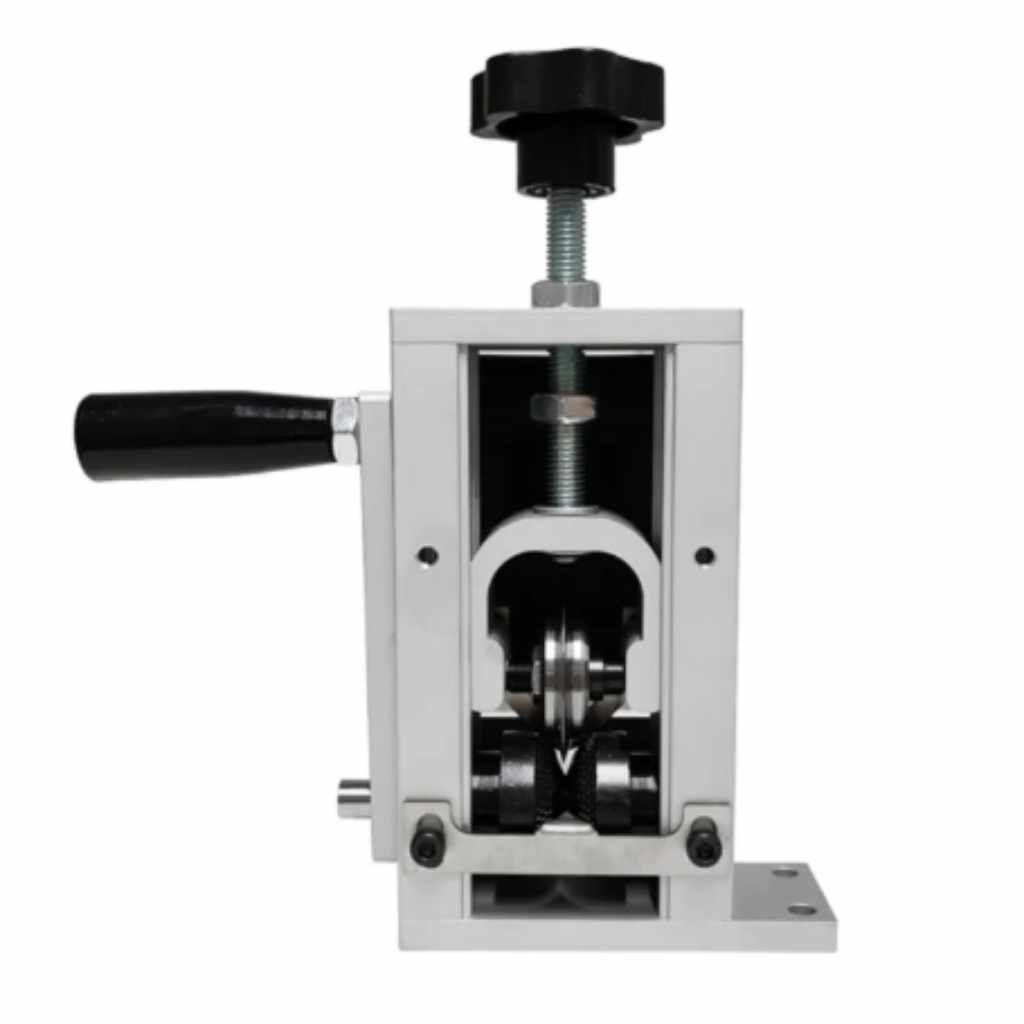
DIY Drill Powered Wire Stripping Machine: Easy, Efficient, Affordable
Are you tired of spending hours stripping wires by hand? What if you could turn a simple drill into a powerful wire stripping machine that saves you time and effort?
You’ll discover how to build your own DIY drill powered wire stripping machine with easy steps and affordable materials. Whether you’re a hobbyist, electrician, or just someone who loves handy tools, this guide will help you boost your efficiency and get the job done faster.
Keep reading to unlock a clever solution that makes wire stripping simple and quick!
Benefits Of A Drill Powered Wire Stripper
A drill powered wire stripper offers many benefits for both hobbyists and professionals. It simplifies the process of removing insulation from wires. This tool uses a drill to power the stripping mechanism, making the task easier and faster. Many find it a practical alternative to buying expensive commercial machines.
This section explains key advantages of using a drill powered wire stripper. These points show why it is useful for various projects.
Cost Savings Compared To Commercial Machines
Building a drill powered wire stripper costs much less than buying a commercial machine. Commercial wire strippers can be expensive and hard to find. A DIY version uses common parts and a standard drill. This lowers the total cost significantly. It is a smart choice for those on a tight budget.
Time Efficiency For Repetitive Tasks
Using a drill powered wire stripper speeds up repetitive wire stripping jobs. It removes insulation quickly and with less effort. This saves valuable time during large projects. The machine keeps a steady pace, unlike manual stripping. It also reduces hand fatigue from constant work.
Portability And Convenience
The drill powered wire stripper is easy to carry and use anywhere. It is lightweight and compact compared to bulky machines. You can take it to different job sites or use it at home. The only power source needed is a cordless drill. This makes it very convenient for on-the-go work.
Essential Materials And Tools
Building a DIY drill powered wire stripping machine needs the right materials and tools. These parts work together to create a machine that strips wires fast and clean. Choosing the correct items ensures your project runs smoothly and safely.
Selecting The Right Drill
Choose a drill with good power and speed control. A cordless drill works well for easy handling. Make sure the drill chuck fits the wire stripping parts. Variable speed helps adjust stripping for different wire sizes. Avoid drills with weak motors to prevent stops during use.
Choosing Wire Stripping Components
Pick sharp blades designed for wire stripping. Blades must fit the drill and hold tight. Use metal clamps or holders to keep wires steady. Consider adjustable parts to work with many wire sizes. Durable materials, like steel, increase tool life.
Additional Tools Needed
You need screwdrivers and pliers for assembly. A measuring tape helps check wire length and blade position. Safety glasses protect eyes from wire pieces. Sandpaper cleans wire ends before stripping. A marker can help mark cutting spots.
Step-by-step Assembly Guide
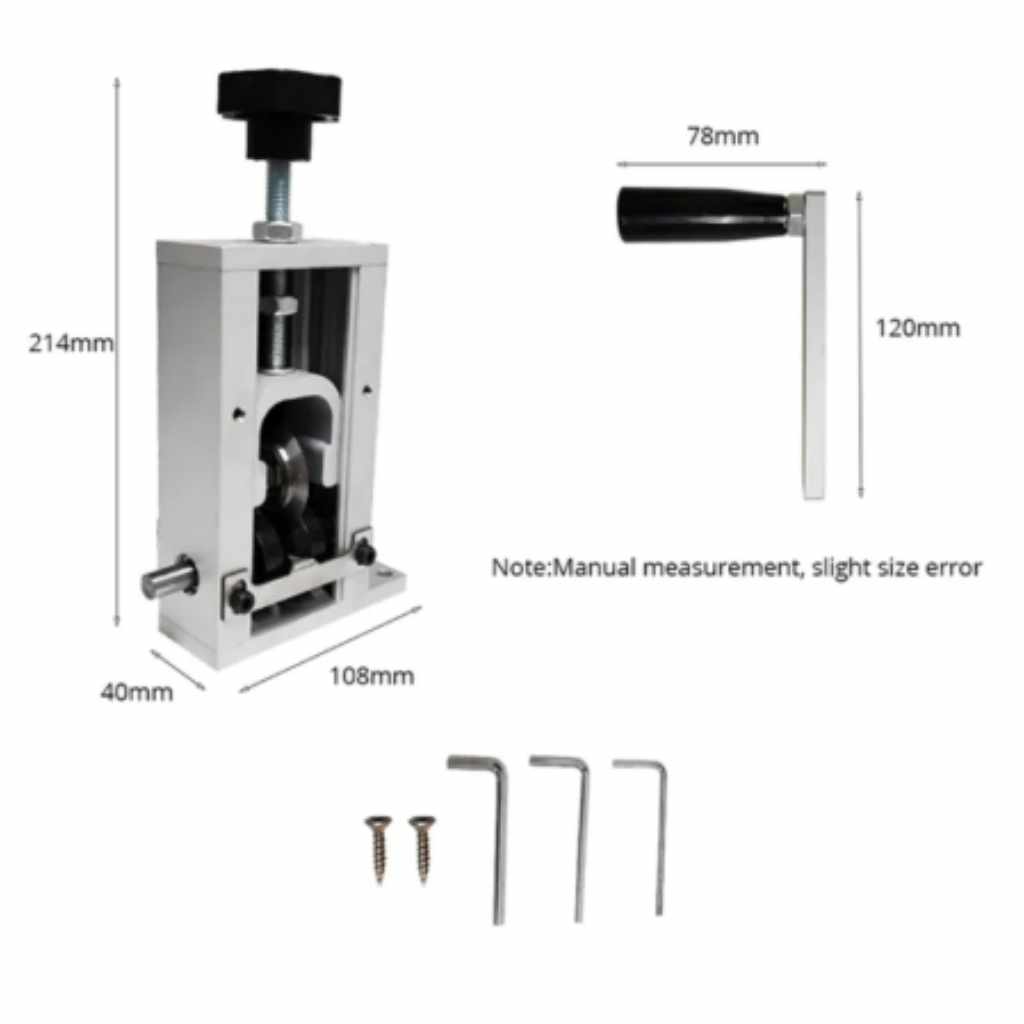
Building your own drill powered wire stripping machine is easier than it looks. This step-by-step guide breaks down the assembly process into clear, simple stages. Follow these instructions carefully to make sure your machine works smoothly and safely.
Preparing The Wire Holder
Start by selecting a sturdy wire holder. It should fit the wire size you want to strip. Secure the holder tightly to avoid movement during operation. Check that the wire can slide through smoothly. Adjust the holder if needed to keep the wire steady.
Attaching The Cutting Blade
Choose a sharp, durable cutting blade for clean strips. Fix the blade carefully onto the holder assembly. Make sure it aligns with the wire path. Tighten screws firmly to prevent blade wobble. Test the blade position by sliding a wire gently through.
Connecting To The Drill
Attach the wire holder and blade setup to your power drill. Use a clamp or adapter for a secure fit. The connection must be tight to avoid slipping. Ensure the drill’s rotation moves the wire holder correctly. Double-check the balance before powering on.
Testing And Adjustments
Run the drill at low speed first. Feed a piece of wire through the holder. Watch the blade strip the insulation cleanly. If the wire is not stripped well, adjust the blade depth or holder tightness. Repeat tests until the machine strips wires perfectly.
Safety Tips For Operation
Operating a DIY drill powered wire stripping machine requires careful attention to safety. This machine can speed up work but can also cause injury if not handled properly. Following safety tips ensures you stay safe while working efficiently.
Keep safety a top priority before and during the operation. Simple precautions protect you from accidents and damage to the machine.
Protective Gear Recommendations
Wear safety glasses to protect your eyes from flying wire bits. Use gloves to avoid cuts from sharp wire edges. Choose gloves that allow good grip and control. Avoid loose clothing or jewelry that can get caught. Hearing protection may be needed for loud drill noise. Always wear closed-toe shoes to protect your feet.
Safe Handling Practices
Keep your hands clear of the stripping blades. Hold the wire firmly but do not force it into the machine. Use a steady speed on the drill for smooth operation. Never leave the machine running unattended. Secure the machine on a stable surface to avoid slips. Disconnect the drill before adjusting or fixing the machine. Keep the workspace clean and free of clutter.
Troubleshooting Common Issues
If the machine jams, turn off the drill immediately. Remove the wire carefully to avoid damage. Check the blade for wear or dullness and replace if needed. Inspect the drill chuck for tightness before starting. Listen for unusual sounds that may indicate a problem. Clean the machine regularly to prevent buildup and malfunction. Follow the manual’s guidance for specific fixes.
Optimizing Performance
Optimizing the performance of your DIY drill powered wire stripping machine is key to efficient work. Proper adjustments and care can improve speed and accuracy. This helps you save time and avoid wire damage.
Adjusting For Different Wire Sizes
Different wires need different settings. Adjust the blade gap to match the wire thickness. Too tight can cut the wire; too loose may not strip properly. Test on scrap wire first. Fine-tune the machine for each wire size you use.
Maintaining Sharpness Of Blades
Sharp blades make clean cuts without pulling the wire. Check blades often for dullness. Use a small file or sharpening stone to keep edges sharp. Replace blades if they become too worn. Clean blades regularly to remove debris and prevent rust.
Speed Control Techniques
Control the drill speed to match the wire type. Slow speed works better for thin or delicate wires. Higher speed suits thicker wires and faster stripping. Use a variable speed drill to adjust easily. Start slow, then increase speed until you find the best setting.
Applications And Use Cases
The DIY drill powered wire stripping machine has many practical uses. It helps remove wire insulation quickly and neatly. This tool saves time and effort for various users. From small projects to business needs, it fits well in many tasks.
Its design works with a regular drill, making it easy to use. The machine suits different wire sizes and types. It improves safety by reducing manual cutting risks. These features make it a handy tool for many situations.
Home Electrical Projects
Many people use this machine for home wiring tasks. It helps strip wires for lighting and appliance installation. The tool makes repairs faster and cleaner. It works well for new outlets or switches. Homeowners find it useful for DIY electrical fixes.
DIY Electronics
Electronics hobbyists use the machine to prepare wires. It strips insulation for circuit boards and small devices. The tool ensures precise wire lengths and clean ends. It helps build and repair gadgets easily. This makes electronics projects less frustrating and more fun.
Small Business Wire Processing
Small businesses use the machine to process wires in bulk. It speeds up tasks like cable assembly and repairs. The tool reduces labor costs and errors. It works well for shops making or fixing electronics. This machine helps businesses stay efficient and competitive.
Frequently Asked Questions
What Is A Diy Drill Powered Wire Stripping Machine?
A DIY drill powered wire stripping machine is a tool that removes insulation from wires. It uses a drill for power. This setup is cost-effective and efficient for stripping wires quickly. It is ideal for electricians and hobbyists working with various wire sizes.
How Does A Drill Powered Wire Stripper Work?
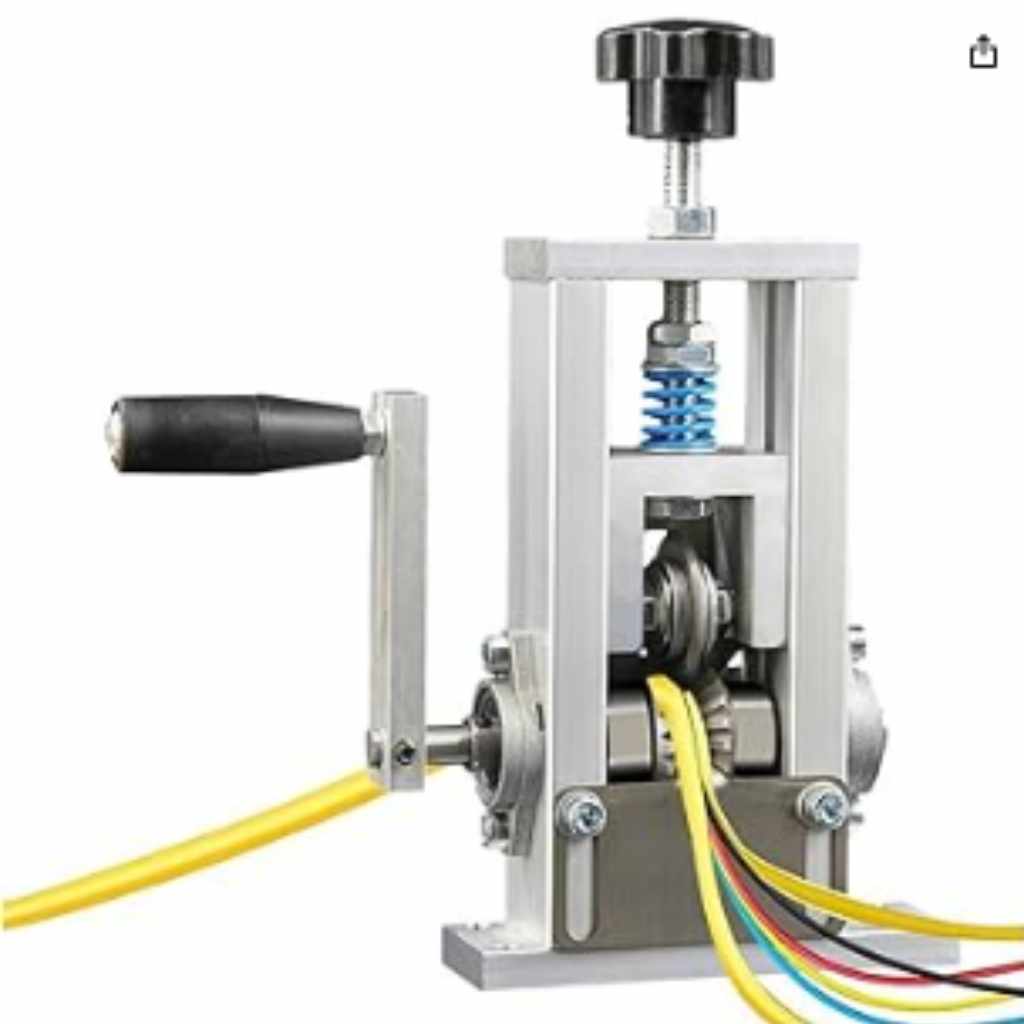
The drill spins a blade or roller that cuts the insulation without damaging the wire. The wire passes through the machine as the drill powers the stripping process. This method speeds up stripping and reduces manual effort compared to traditional methods.
What Materials Are Needed To Build This Machine?
You need a power drill, blades or rollers, a frame to hold parts, and screws or bolts. Additional tools like a screwdriver and wrench help with assembly. Choosing durable materials ensures the machine lasts longer and works effectively.
Is This Wire Stripping Machine Suitable For All Wire Types?
Yes, but it depends on the blade adjustment and wire gauge range. You can customize blades to handle different insulation thicknesses. Always test on scrap wire first to avoid damaging expensive cables.
Conclusion
Building a DIY drill powered wire stripping machine saves time and effort. It uses simple parts and works well for many wires. Anyone can make it with basic tools and some practice. This project helps you handle wires safely and quickly.
Try it yourself and see how easy wire stripping can be. A small effort leads to big results in your work. Keep your tools ready and enjoy the benefits every day.