How to Glue Wood in Cold Weather: Temperature Rules Guide
Glue wood only when the wood, glue, and shop are all at or above the glue maker’s minimum, usually around 50°F; if the parts are colder, warm them or wait. Glue that cures too cold can stay weak, creep open, or fail after clamping feels fine. I check the wood, not the thermostat, because cold stock can wreck a joint fast. This guide shows how air, wood, and glue-bottle temperature affect bond strength, and how to decide whether to glue now, warm the parts, or postpone.
This guide is part of our Wood glue essentials: types, uses, and cure times series.
What you’ll need


- Shop thermometer
- Infrared thermometer or probe thermometer for the wood surface
- The right glue for the joint and conditions
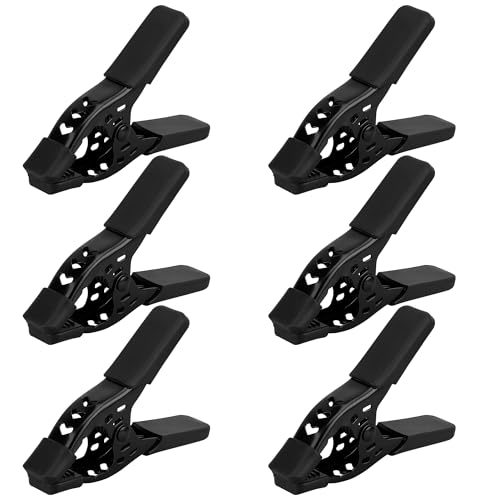
- Clamps sized for the work
- Dry rags or paper towels
- Heat source for the shop or parts
- Scrap wood for a quick test fit
- Plastic scraper or chisel for squeeze-out cleanup
How cold weather changes glue behavior
Cold slows drying and curing, but the bigger problem is that the three temperatures rarely match. Air can read 55°F while the wood stays much colder, and a glue bottle left in a garage can thicken before it ever reaches the joint.
Most wood glues work best above 50°F (10°C), and the ideal temperature range is usually 65°F to 75°F (18°C to 24°C). Below 50°F, drying can slow a lot and the bond can weaken.
Air temperature, wood temperature, and glue temperature
Air temperature tells only part of the story. Cold-soaked wood pulls heat out of the glue line fast, which shortens open time, weakens wetting, and can make squeeze-out sluggish. A glue bottle that feels stiff in the hand often spreads poorly and leaves too little coverage.
Drying time vs. curing time in winter
PVA wood glue, the standard wood glue, is water-based. Cold temperatures slow water evaporation. PVA glue often dries in 30 minutes to 1 hour in normal conditions, but winter can push that longer. Full cure in most cases is 24 hours, and cold can stretch the wait before loading the joint.
What cold does to squeeze-out, wetting, and clamp pressure
Cold reduces how well glue wets the fibers, so a joint can look clamped tight and still bond weakly. Clamp pressure can also drift as the parts cool and shrink. If the squeeze-out looks rubbery, stringy, or thin when it should flow, the joint was likely assembled too cold.
How to decide whether to glue now or wait
Glue now only if the wood, glue, and shop all sit in the safe range for that adhesive. If the wood is cold-soaked, warming the room alone is not enough. If the glue bottle is stiff or the parts feel cold to the touch, postpone or warm everything first.
Check the wood temperature first
Measure the wood, not just the air. A board that spent the night in a cold garage can stay well below room temperature for hours. If the wood is under 50°F, most PVA jobs should wait, or the stock should be warmed slowly indoors.
Check the glue bottle temperature next
Open the bottle and look at the flow. If the glue has thickened, lumpy, or feels sluggish, bring it into the house or a warmer room until it returns to normal. If a bottle has frozen, discard it unless the maker says it is still usable after thawing and remixing.
Decide whether to warm the parts or postpone
For a small repair, warming the parts can sometimes be enough. For a large glue-up, waiting for a warmer day is often the better move. The cost of delay is usually lower than breaking out a failed joint later.
Which glue should you use in cold weather?
PVA works best above 50°F (10°C) and is the most likely to stall in cold conditions. Polyurethane tolerates cold better than PVA, epoxy is less affected by cold than PVA, and cyanoacrylate is best for quick fixes rather than primary structural joints.
PVA wood glue
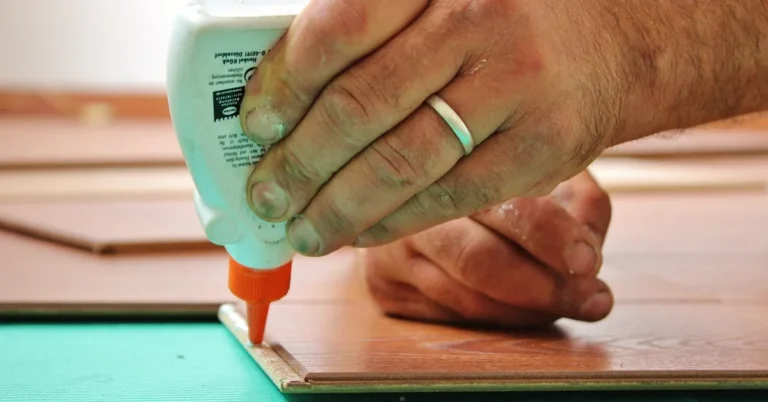
PVA wood glue is water-based and common, but it is not the best choice for cold weather. It still works if the wood, glue, and shop are warm enough. When the room dips below 50°F, expect slower drying and a higher risk of a weak bond.
Polyurethane glue
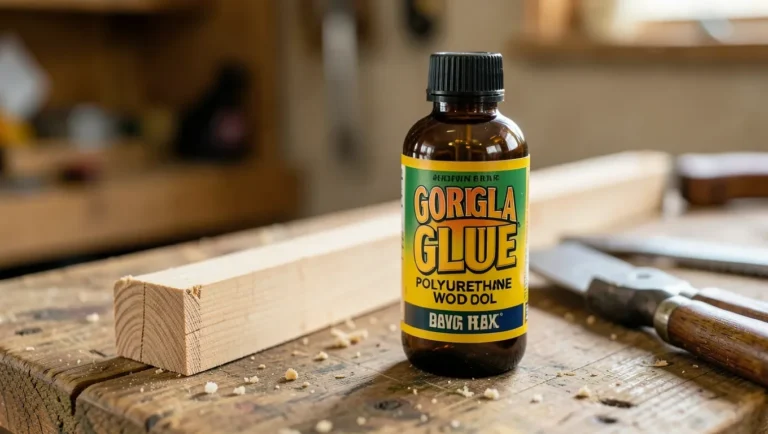
Polyurethane glue works on wood and other materials and is more tolerant of colder temperatures than PVA glue. It still needs some moisture to cure, and its dry time can run up to 2 hours. Full cure is still around 24 hours, so keep the joint in place and wait.
Epoxy
Epoxy is a strong and durable bond choice for outdoor or unheated spaces because it is less affected by cold temperatures than PVA glue. It is a good pick when the shop is not warm enough for standard PVA, especially for repairs or mixed-material joints.
Cyanoacrylate glue and hide glue
Cyanoacrylate glue is fast setting and useful for quick fixes, but it is less ideal for structural joints. Hide glue is often used for restoration and instrument making; it is generally water-soluble and reversible, but it may not be a good fit for outdoor winter applications.
Winter gluing decision table
Use the table as a go/no-go guide. If the wood temperature is lower than the shop air, treat the wood reading as the real limit. When the glue type and temperature conflict, choose the more cautious action.
| Shop temperature | Wood temperature | Glue type | Recommended action | Clamp-time adjustment | Failure risk |
|---|---|---|---|---|---|
| 65°F to 75°F | 65°F to 75°F | PVA | Glue now | Normal clamp time | Low |
| 55°F to 64°F | 55°F to 64°F | PVA | Glue only if the bottle is warm and the parts are dry | Add 25% to 50% | Moderate |
| Below 50°F | Below 50°F | PVA | Warm the shop and stock, or wait | Do not rely on a longer clamp alone | High |
| 55°F to 65°F | 55°F to 65°F | Polyurethane | Glue now if light moisture is present | Add about 25% | Low to moderate |
| 50°F to 65°F | 50°F to 65°F | Epoxy | Glue now if mixed thoroughly | Follow the resin system, then wait longer before loading | Low |
| Any shop above freezing | Warm to the touch | Cyanoacrylate | Use for quick repairs only | Short clamp or hand pressure only | Low for small fixes, high for structural joints |
How to glue wood in cold weather
- Warm the shop, glue, and stock if needed.
- Dry-fit the joint and confirm the surfaces are clean.
- Apply the adhesive while the parts are still in range.
- Clamp with enough pressure to hold the joint in contact.
- Keep the joint warm until it has set.
- Wait longer before sanding, trimming, or loading.
For PVA, that often means the joint should stay clamped longer than it would in a warm shop. For polyurethane, keep in mind that it still needs moisture and can take up to 2 hours to dry. For epoxy, the mix and cure window matter more than a fast clamp-off.
What happens if the joint was already glued cold?
A joint glued too cold may look fine at first and still fail later. Weak squeeze-out, pale glue lines, a chalky look, or a joint that creeps open after clamping are all warning signs. If the wood was cold-soaked, the bond may never have fully wet the fibers.
How to rescue a borderline joint
If the glue is still open, pull the joint apart, warm the parts, and reglue with a better adhesive choice. If the glue has already skinned over, don’t add fresh glue to the top of the film and hope for the best. Clean it back to bare wood and start over.
When to break it apart and start over
If the joint will carry load, if the parts were below 50°F, or if the glue bottle was near freezing, start over. A quick fix is rarely worth a failed joint on a door, tabletop, or chair part.
If that didn’t work: move the stock and glue indoors for several hours, then test a scrap joint before touching the real piece.
Common mistakes
Gluing cold-soaked wood straight from the garage is the most common miss. The room may feel comfortable, but the stock still steals heat from the glue line.
Trusting room air instead of the wood itself causes a lot of winter failures. The surface temperature of the parts matters more than what the thermostat says.
Using too little clamp time in winter also causes trouble. Cold slows water evaporation in PVA glue, so the joint needs more time before handling and much more time before load.
Storing glue where it can freeze is another avoidable problem. Keep bottles in a heated space, and if a bottle has been left cold, let it return to room temperature before use.
Prevention: keep the glue bottle indoors overnight and bring the workpieces into the heated space early enough for the wood temperature to match the shop before assembly.
Frequently asked questions
How long does it take wood glue to dry in cold weather
PVA glue can move past the clamp stage in 30 minutes to 1 hour under normal conditions, but cold usually stretches that. Polyurethane can take up to 2 hours to dry, and hide glue may take around 3 hours. Treat those as rough windows only after the wood itself is warm enough.
Will wood glue set in cold weather
Yes, but only if the glue and wood are still within the maker’s temperature range. Below 50°F, setting can slow enough that the bond never reaches full strength. Epoxy and polyurethane are the better bets when the shop stays cool.
What temperature is too cold for wood glue
For most wood glues, below 50°F is the line where trouble starts. PVA is the first to suffer, while epoxy and polyurethane handle cooler conditions better. If the wood is below 50°F, warm it or wait rather than hoping extra clamp time fixes the problem.
How do you keep wood glue warm in winter
Store the bottle inside the heated house, then bring it to the shop just before use. If the bottle feels thick, warm it gradually to room temperature and shake or mix as the maker allows. Never set glue directly on a high-heat source.
Should you clamp longer in cold weather
Usually yes, but longer clamping is not a cure for cold wood. Add clamp time after the joint is assembled in range, and keep the part warm while it sets. For PVA, the real risk is a weak bond from cold stock, not just an early clamp release.
What happens if wood glue freezes
Frozen glue can separate, thicken, or become unusable, especially with PVA. If a bottle has been frozen in a garage, move it to room temperature first and check whether it returns to normal flow. If it stays lumpy or stringy, replace it rather than trusting the bond.
Sponsored / affiliate links. As an Amazon Associate I earn from qualifying purchases. I may earn additional commission from eligible campaigns.