Cost to Reglue a Loose Chair Joint: Real Price Guide
Regluing one loose chair joint usually costs a small amount for glue and clamps if you do it yourself, or a higher shop minimum if you hire it out; broken dowels, stripped mortises, or upholstery can raise the bill. Leave it alone and the joint can spread, rock, or split the wood. This guide breaks down DIY materials, repair-shop minimums, and damage add-ons so you can price the fix before you start.
How much does it cost to reglue a loose chair joint?

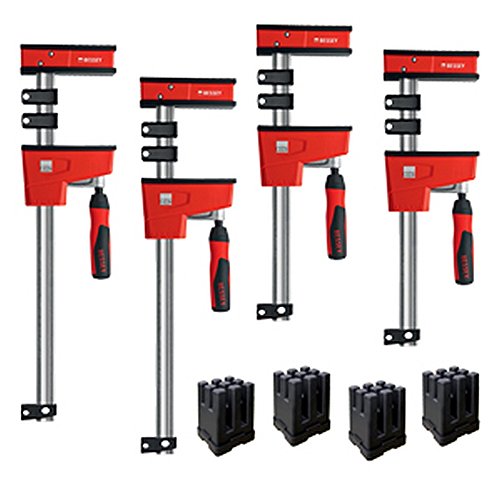

For one loose joint, the material cost is often small and the labor cost much larger. DIY can stay in the single digits if you already own clamps. A shop price usually reflects minimum labor, setup time, and the trip or intake charge, not glue alone.
DIY material cost for one joint
A standard wood-to-wood reglue usually needs wood glue, a way to clamp the joint, and basic cleanup supplies. PVA wood glue is the right choice for most chair joints, and it fits best when the mating faces are clean and the parts close under pressure. The glue itself is cheap; the clamp you use may cost more if you must buy one.
For a homeowner who already owns a clamp, the cash cost is often just the glue and a little cleanup material. If a clamp must be purchased, the math changes quickly. One clamp can cost more than the reglue job itself, especially for a one-off repair.
Pro repair price for one joint
Furniture repair averages $185, and furniture repair costs range from $107 to $273, but a single loose chair joint often lands lower than a full furniture service call if the shop accepts small work. Minor chair repairs can have a minimum service fee of $40 to $120. Typical chair repair projects often cost $60 to $250 per chair.
Dining chair repair averages $100 to $500, with structural repairs priced between $100 and $500. Basic tighten-and-repair work can take 1 to 2 hours per chair, and furniture repair labor commonly runs $40 to $125 per hour. A small job may still bill like a larger one if the shop has a floor charge.
When a simple reglue stops being cheap
A small repair becomes expensive when the joint has hidden damage. Broken tenons, stripped holes, hidden screws, corner-block failures, or finish touch-up can push the total well beyond a simple reglue. If the chair also needs reupholstery or refinishing, the job shifts from one joint to a broader furniture repair.
According to How Much Does It Cost to Repair Furniture? [2025 Data] – HomeAdvisor — Furniture repair costs range from $107 to $273.
What changes the price of chair joint repair?
Chair type, hidden damage, and local pricing drive most of the spread. A plain dining chair with a clean loose joint is one thing. A carved antique armchair with upholstery, awkward access, or old repairs is another. The more disassembly and reassembly required, the more labor shows up on the bill.
Chair type and construction
Solid wood chairs usually repair more predictably than engineered wood pieces or veneer-covered parts. A loose joint in a simple side chair may be straightforward, while ornate carving can slow clamping and cleanup. Windsor chairs, rocking chairs, and antique pieces often need more care because their parts and joints are not all built the same way.
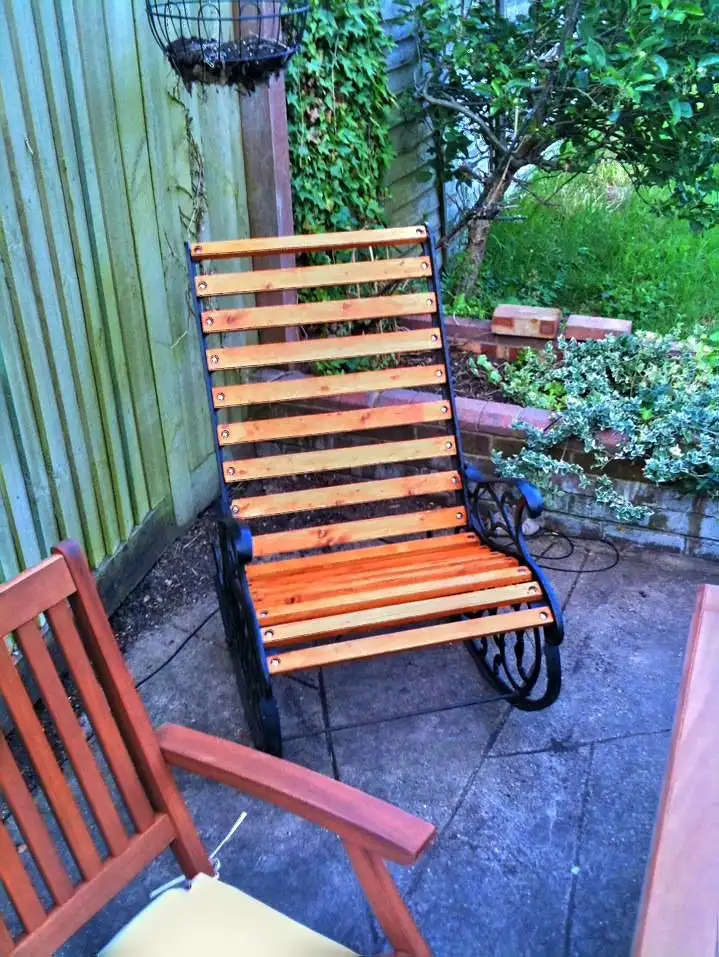
Dining chair repair is often the lowest-cost category because the parts are accessible and the joint is usually repeatable to fix. Rocking chairs may need more time because curves, stretchers, and runners complicate alignment. Antique chairs can require gentler methods to avoid loss of original material.
A loose chair joint is often fixed by disassembly and regluing, but the visible wobble may hide more than dried glue failure. Old glue has to come off because fresh adhesive bonds best to bare wood. If the old bond is only partly cleaned, the new repair can fail early or need to be redone.
Structural damage raises both labor and material cost. A stripped mortise, a split tenon, or a loose corner block can require patching, plugging, or part replacement. That extra work changes the repair from a quick tighten-up to a true structural repair.
Regional pricing and shop minimums
Urban shops often charge more than rural ones because rent, payroll, and pickup logistics are higher. A furniture repair labor rate may still fall within the stated range, but the shop minimum and trip charge can vary a lot by market. Comparing local quotes matters because the same loose joint can be treated as a small job in one town and a service call in another.
| Scenario | Typical price range | What it includes | Notes |
|---|---|---|---|
| DIY one loose joint | $5–$15 | Glue, cleanup, clamp use | Higher if a clamp must be bought |
| Shop minimum repair | $40–$120 | Intake, labor minimum, simple reglue | Common for minor chair repairs |
| Pro one-chair service | $60–$250 | Labor, setup, disassembly, regluing | Can move higher with hidden damage |
| Dining chair repair | $100–$500 | Structural chair repair work | Includes more than glue on many jobs |
| Add-on: hidden screws | $15–$40 | Fastener removal and patching | Varies with access and finish condition |
| Add-on: stripped holes | $20–$60 | Plugging, redrilling, or repair inserts | Often found in older chairs |
| Add-on: finish repair | $25–$100 | Squeeze-out cleanup, touch-up, spot blending | Needed if glue marks show |
DIY versus hiring a pro: which costs less?

DIY usually costs less in cash, but a pro can be cheaper if the chair is already apart, badly worn, or likely to fail again after a weak repair. The labor rate, shop minimum, and trip charge are what make a small fix expensive. If the chair is antique or awkward, paying for experience often saves time and mistakes.
One-time materials you may already own
If clamps, scrapers, and cleanup cloths are already in the shop, the actual cash outlay for a simple reglue is low. Clamps are part of the core tool list for regluing, and bar clamp, parallel clamp, or strap clamp choices depend on the chair shape and how much alignment pressure you need.
That said, buying a clamp for one repair skews the cost comparison. A clamp you use again has more value than a clamp bought only to fix one loose joint. For many homeowners, the real savings come from reusing tools on future projects.
What a furniture repair labor rate covers
The hourly rate does not just buy glue time. It covers disassembly, old glue removal, dry fitting, clamping setup, cleanup, and often a return visit or pickup logistics. A short repair can still absorb an hour or two of shop time because the chair must be handled carefully at each step.
That is why one small chair can bill like a larger job. If a shop has to inspect, quote, transport, repair, and refinish part of the chair, the labor time is no longer just a few minutes at the bench.
When a pro is cheaper after failed DIY work
A failed home repair often costs more than a first-pass pro fix. If glue was forced into dirty joints, if the chair was clamped out of alignment, or if the finish was marred by squeeze-out, the shop may need to reverse that work before making a lasting repair. That extra cleanup can wipe out the savings.
Getting multiple quotes is smart when the chair has sentimental or market value. Antique or heirloom chairs may need a specialist because the right fix depends on preserving original parts, not simply making the chair tight again.
What glue should you use for a loose chair joint?
PVA wood glue is the best fit for most standard chair joints when the surfaces are wood-to-wood and the fit closes tightly under clamp pressure. Epoxy belongs on gap-filling repairs or damaged joints that no longer mate cleanly. Old glue has to come off because new adhesive bonds poorly over contamination and loose fibers.
PVA wood glue for standard wood-to-wood joints
For a typical dining chair joint, PVA wood glue is the default choice. It works best when the joint can be cleaned back to bare wood and clamped firmly during curing. It is a poor choice for dusty, oily, or half-failed surfaces that were never fully prepared.
Clamp time matters because the joint has to hold position while the glue cures. Without steady pressure, the parts can creep, leaving the chair crooked even if the bond eventually holds.
When epoxy is the right call
Epoxy is useful when the joint has a gap, damaged fibers, or a missing section that keeps the parts from closing tightly. It is not the first choice for a normal chair joint that should fit tightly once cleaned. On standard repairs, epoxy can be more adhesive than necessary and harder to remove later.
For antique or collectible pieces, epoxy should be chosen carefully because future repair work becomes more difficult. A reversible or less intrusive adhesive may be preferable when preservation matters.
Why old glue removal matters
Old glue removal affects both cost and success rate. A joint that is scraped to bare wood bonds better than one brushed off casually. Sanding helps only in a limited way, because over-sanding can round edges and weaken the fit, especially on loose tenons and mortises.
Good prep takes time, and time is money in a shop. That is one reason a short repair can still carry a meaningful labor charge.
One-page cost estimator for chair regluing
Use this estimator to separate the low-cost glue job from the more expensive shop repair. It shows the difference between DIY consumables, professional labor, minimum charges, and common add-ons. That split is what most pricing pages leave out.
| Cost bucket | DIY estimate | Pro estimate | What changes the total |
|---|---|---|---|
| Glue and cleanup | $3–$8 | Included in labor | PVA glue, rags, scraper, masking cleanup |
| Clamp use | $0 if owned; $15–$60 if bought | Included in shop tools | Bar clamp, parallel clamp, or strap clamp |
| Simple one-joint repair | $5–$15 | $40–$100 minimum | Shop minimum and intake fee |
| One-chair repair visit | $5–$15 | $60–$250 | Labor, setup, disassembly, curing time |
| Hidden screws | Hard to DIY safely | $15–$40 add-on | Fastener removal and repair access |
| Stripped holes or worn mortises | $10–$30 in materials | $20–$60 add-on | Plugging, filling, redrilling |
| Finish touch-up | $5–$25 | $25–$100 add-on | Glue squeeze-out, chip repair, color match |
When is a loose chair joint too damaged to reglue?
A joint is too damaged for a simple reglue when the parts no longer meet cleanly or the surrounding wood has failed. Broken tenons, widened mortises, split rails, and loosened corner blocks often need repair beyond glue. If the chair is moving in multiple places, a broader structural repair is usually the better fix.
Broken tenons and widened mortises
If the tenon is cracked, missing, or worn too small, glue alone will not restore the joint. A mortise that has widened from repeated movement may need a bushing, patch, or part rebuild. That work is slower and more costly than a normal reglue because the fit must be restored before the adhesive can do its job.
Loose corner blocks or glued-on stretchers
Corner blocks and stretchers often fail along with the main joint. When those parts are loose, the chair can wobble even after the visible joint is reglued. Repairing them means more disassembly and more clamp work, so the bill rises with the number of pieces that need attention.
Antique chairs and heirloom pieces
Antique chairs need different repair methods because preserving original material matters as much as strength. A hasty reglue can lower value if it removes finish, original glue lines, or aged joinery details. For heirloom pieces, a specialist is usually the safer call, especially when the chair has carved parts or historical value.
What other chair repair costs should you expect?
Glue is often only one line item. Reupholstery, refinishing, structural reinforcement, and access problems can all sit beside the reglue charge. A simple wobble may be the visible symptom, while the invoice reflects the larger repair scope needed to make the chair stable again.
Reupholstery and refinishing overlap
If the chair already needs fabric replacement or finish work, the repair can be bundled with the reglue. That can reduce duplicated labor, but it can also raise the total bill if the chair must be stripped, cleaned, or handled in a way that exposes more hidden damage. Refinish touch-up after squeeze-out cleanup is a common add-on.
Extra labor for ornate carving or awkward access
Ornate carving slows both disassembly and cleanup. Tight corners hold old glue, and clamps may not seat cleanly without careful padding and alignment. That extra handling increases labor even when the actual adhesive cost stays low.
Common add-ons that change the final bill
Hidden screws, stripped holes, broken tenons, and finish repair are the most common price escalators. A small chair repair can also become more expensive if the shop needs to protect upholstery, remove stubborn fasteners, or make a second visit after curing. Those details explain why quotes for the same chair can differ.
Get more than one local quote when the chair matters to you. Compare whether the shop is pricing only the loose joint or the wider structural repair. That is the difference between a low-cost fix and a bill that looks nothing like a simple glue job.
Frequently asked questions
What affects the price of chair joint repair?
Price changes with chair type, joint access, hidden damage, finish condition, and local labor rates. A plain dining chair with one loose joint costs far less than an antique, carved, or upholstered chair with broken tenons, stripped holes, or a corner block that also needs repair.
Is it cheaper to reglue a chair myself or hire a pro?
DIY is usually cheaper in cash if you already own clamps and can do the cleanup correctly. A pro may cost more upfront, but the shop can be cheaper if the chair has failed repairs, hidden fasteners, or structural wear that would make a home repair twice as hard.
How long does chair regluing take?
Basic tighten-and-repair work can take 1 to 2 hours per chair, but the full job also includes curing time. If old glue must be cleaned off, joints disassembled, and alignment checked twice, the chair may stay out of service longer than the hands-on repair time suggests.
Sponsored / affiliate links. As an Amazon Associate I earn from qualifying purchases. I may earn additional commission from eligible campaigns.