Do It Yourself Drywood Termite Treatment: Effective Tips That Work
Are you worried about drywood termites silently damaging your home? You don’t have to wait for expensive professionals to fix the problem.
With the right steps, you can take control and treat drywood termites yourself. Imagine saving money, protecting your property, and gaining the confidence that comes from handling this challenge on your own. In this guide, you’ll discover simple, effective methods to spot, treat, and prevent drywood termite infestations—without confusion or overwhelm.
Keep reading to take the first step toward a termite-free home today.
Signs Of Drywood Termites
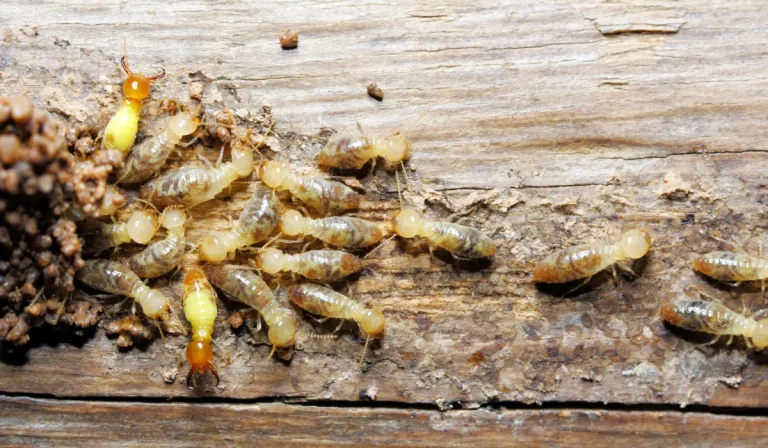
Drywood termites cause serious damage to wooden structures. Early detection helps stop their spread and saves money. Knowing the signs of drywood termites is key. Watch for specific damage, droppings, and swarmers. These clues show termites might be inside your wood.
Identifying Damage Patterns
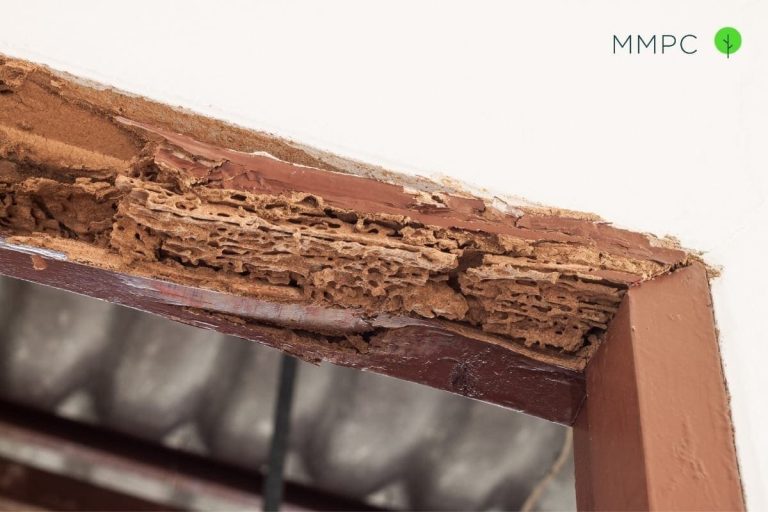
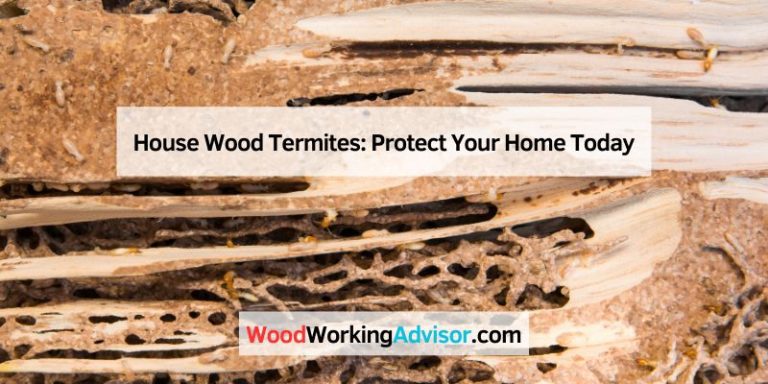
Drywood termites eat inside wood, leaving thin layers on the surface. The wood may look blistered or hollow. Tapping the wood sounds hollow or dull. Small cracks or splits appear on the wood surface. These damage patterns often hide inside walls or furniture.
Spotting Termite Droppings
Drywood termites push out tiny droppings called frass. Frass looks like small, wood-colored pellets. It often collects near infested wood or under furniture. You may see small piles or scattered pellets on floors or window sills. Finding frass is a clear sign termites are present.
Detecting Swarmers
Swarmers are winged termites that leave nests to start new colonies. They appear during warm months, often near light sources. You may find dead swarmers inside your home or near windows. Seeing swarmers means an active infestation is nearby. Check wood carefully if you spot them.
Choosing The Right Treatment Method
Choosing the right treatment method is key for successful drywood termite control. Each method suits different situations and budgets. Knowing the options helps you pick the best one for your home. This section explains common DIY drywood termite treatments.
Chemical Treatments
Chemical treatments use insecticides to kill termites. You apply these chemicals directly into termite galleries or holes in wood. Some chemicals create a barrier to stop termites from returning. This method is affordable and works well for small infestations. Safety is important; wear gloves and masks during application.
Heat Treatment
Heat treatment raises the wood temperature to kill termites. It works by heating infested areas to about 120°F or more. Termites cannot survive high heat. This method is chemical-free and eco-friendly. It requires special equipment and careful monitoring. Heat treatment suits large areas or severe infestations.
Electrocution And Freezing
Electrocution uses electric current to kill termites inside wood. It is a precise method for small, localized infestations. Freezing kills termites by exposing them to very low temperatures. Both methods avoid chemicals and damage to wood. They are less common but useful for specific cases.
Preparing For Treatment
Preparing for drywood termite treatment is an important step. It helps the treatment work well and prevents damage. Proper preparation makes the process easier and safer for your home and belongings. Follow these simple steps to get ready before starting the treatment.
Cleaning Affected Areas
Clear away dust, dirt, and debris from termite spots. Use a vacuum or broom to remove loose material. This cleaning lets the treatment reach the termites better. Clean surfaces help the chemicals stick and work effectively. Remove any old wood pieces that termites may have damaged. Keep the area dry and free from moisture for best results.
Protecting Furniture And Belongings
Move furniture and belongings away from termite areas. Cover items with plastic sheets or cloth to stop chemical exposure. Remove food, dishes, and pets from the treatment zone. Use gloves and masks for your safety during the process. Protecting your things keeps them safe and clean. It also helps keep your family safe from chemicals.
Applying Chemical Solutions Safely
Applying chemical solutions safely is key to effective drywood termite treatment. Using the right products and methods protects your home and health. Chemicals kill termites inside the wood without harming the structure. Careful steps reduce risks and improve results.
Selecting Effective Insecticides
Choose insecticides labeled for drywood termites. Look for products containing borates or fipronil. These chemicals penetrate wood and kill termites fast. Avoid general pesticides that do not target drywood termites well. Read the label carefully to ensure effectiveness and safety. Buy from trusted stores or brands with good reviews.
Proper Application Techniques
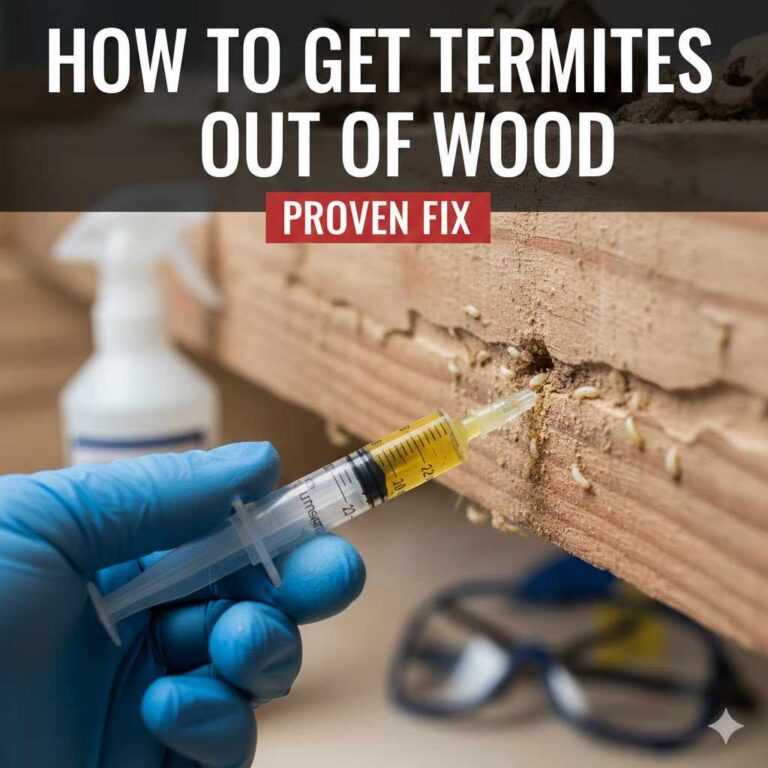
Apply chemicals directly to infested wood areas. Use a syringe or injector to reach termite galleries. Drill small holes if needed to deliver the solution deep inside. Spread evenly to cover all affected parts. Avoid overuse to prevent waste and damage. Follow product instructions for timing and amount. Let treated wood dry completely before covering or painting.
Safety Precautions
Wear gloves, goggles, and a mask during application. Work in a well-ventilated area to avoid inhaling fumes. Keep children and pets away from treated zones. Store chemicals in a cool, dry place, away from food or water sources. Clean tools and hands thoroughly after use. Dispose of leftover chemicals properly to protect the environment.
Using Heat And Other Non-chemical Options
Treating drywood termites without chemicals uses heat and other natural methods. These options kill termites by raising temperatures or using physical barriers. They offer safer ways to protect wood without toxic sprays. Learning how to set up heat treatments helps homeowners act quickly.
Diy Heat Treatment Setup
Heat treatment raises wood temperature to about 120°F or higher. This heat kills termites inside the wood. Use electric heaters or heat tents for small areas. Place fans to spread warm air evenly. Monitor temperature with a thermometer to avoid wood damage. Keep heat on for several hours for best results. Be sure to seal the area to trap heat. Safety gear like gloves and masks is important. Heat treatment needs patience but avoids chemicals.
Pros And Cons Of Non-chemical Methods
Non-chemical methods are safer for children, pets, and the environment. They cause no harmful fumes or residues. Heat treatment can reach termites hidden deep in wood. These methods often need special equipment and time. Heat may not work on large or very thick structures. Some termites can survive if temperature is too low. Physical barriers require expert installation to stop termites. Non-chemical options are great for small infestations. Larger problems might need professional help.
Preventing Future Infestations
Preventing future drywood termite infestations is key after treatment. Taking simple steps can keep your home safe and termite-free. Consistent care stops termites from coming back and causing damage.
Regular Inspections
Check your wood structures often for signs of termites. Look for small holes, wood dust, or damaged wood. Early detection helps stop infestations quickly. Schedule inspections at least twice a year. Use a flashlight and magnifying glass for a close look.
Maintaining Dry Wood Conditions
Termites prefer moist wood. Keep wood dry to make it less inviting. Fix leaks in pipes and roofs fast. Use dehumidifiers in damp areas like basements. Store firewood away from your home and off the ground. Dry wood is harder for termites to survive in.
Sealing Entry Points
Close gaps and cracks where termites can enter. Seal openings around windows, doors, and pipes. Use caulk or weather stripping for a tight seal. Check vents and crawl spaces carefully. Blocking entry points reduces termite access to your home.
When To Call A Professional
Knowing when to call a professional for drywood termite treatment is important. Some situations need expert help to stop the damage. Trying to do everything yourself can waste time and money. Professionals have tools and experience to handle tough infestations. They can also find hidden termite spots you might miss.
Signs Treatment Isn’t Working
Watch for signs that your DIY treatment fails. Termites keep coming back despite your efforts. You see fresh termite droppings near treated wood. Wood feels soft or hollow in places you treated. Small holes appear in wood surfaces again. These signs mean termites survive and spread. Calling a pro can stop them faster and safer.
Complex Infestations
Some termite infestations are too big or deep for DIY methods. Termites hidden inside walls or hard-to-reach wood need special tools. Large colonies require strong treatments that only pros can apply. Complex infestations can cause serious damage quickly. Professionals know how to find all termite nests. They use methods that protect your home and family.
Frequently Asked Questions
What Are Common Signs Of Drywood Termite Infestation?
Look for small piles of termite droppings, called frass, near wooden structures. Hollow-sounding wood and blistered paint also indicate infestation.
How Effective Is Diy Drywood Termite Treatment?
DIY treatments can control minor infestations but may not eliminate large colonies. Professional help ensures complete eradication and prevention.
What Materials Are Needed For Diy Drywood Termite Treatment?
You need borate-based wood preservatives, termite baits, a vacuum, and protective gear. Proper tools ensure safe and effective treatment.
How Often Should Drywood Termite Treatment Be Repeated?
Repeat treatment every 6 to 12 months to ensure termites do not return. Regular inspections help maintain termite-free wood.
Conclusion
Treating drywood termites yourself can save money and effort. Use the right tools and follow safety steps carefully. Early action stops damage and protects your home. Regular checks help catch termites before they spread. Stay patient and thorough for the best results.
Drywood termite treatment needs attention but is doable. Keep your home safe with simple, smart care.