Do You Have to Wait to Stain Pressure Treated Wood: Expert Tips
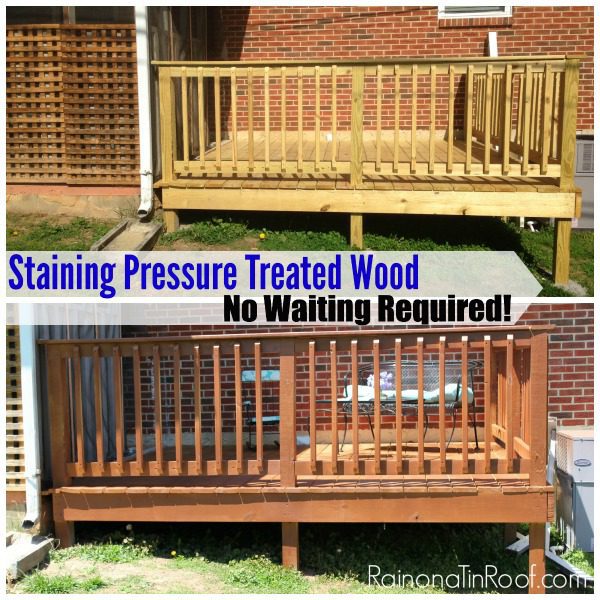
Have you ever stood in front of your deck or fence and wondered if it’s the right time to apply that much-needed stain? Pressure treated wood is a popular choice for outdoor projects, but knowing when to stain it can be a bit confusing.
Staining too soon might lead to wasted effort, while waiting too long could expose your wood to unnecessary wear. You’re not alone in this dilemma, and the good news is that you’re in the right place for answers. We’ll demystify the timing and give you the clear, actionable advice you need to make your wood look its best and last longer.
Whether you’re a DIY enthusiast or just someone who wants to maintain their outdoor space, understanding the right timing can save you time, money, and hassle. Stay with us as we unravel the mystery and help you protect your investment effectively.
Understanding Pressure Treated Wood
Pressure treated wood is wood that is treated with chemicals. These chemicals help the wood to last longer. They protect it from rot and bugs. This makes the wood strongerand durable. It is perfect for outdoor use. Fences, decks, and playgrounds use this wood. It can be used where rain and sun might damage normal wood.
Pressure treatment offers many benefits. It makes wood resistant to decay. Bugs do not eat it easily. It also lasts a long time. The wood stays strongeven in bad weather. This treatment keeps wood safe from water and sun. It is great for building things outside.
Credit: www.homedepot.com
Importance Of Waiting Before Staining
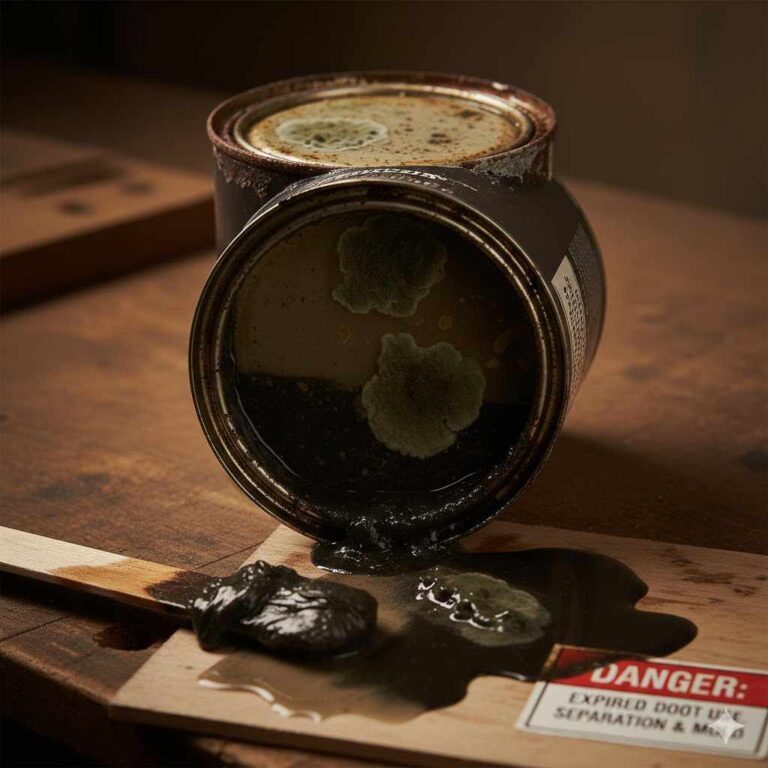
Staining pressure treated wood too soon can cause problems. The wood might not absorb the stain well. It can lead to uneven color and poor protection. Waiting allows the wood to dry properly. Dry wood absorbs stain better. This helps the color look nice and even. It also protects the wood from weather damage. Wet wood can trap moisture inside. This can cause the wood to rot over time. Drying time is important for wood care.
Staining right away can lead to bad results. The stain might peel or flake off. This happens because the wood is still wet. Wet wood does not hold stain well. Immediate staining wastes time and money. The wood may need to be re-stained soon. This is not good for the wood or your wallet.
Check if the wood is dry before staining. Water test helps you know. Sprinkle some
. If the water beads up, it is still wet. If the water soaks in, the wood is dry. Dry wood is ready for stain. Feel the wood too. It should not feel damp or cold.
Expert Tips For Staining
Choose a stain that suits your pressure-treated wood. Some stains are better for decks. Others work for fences. Look for stains that protect against water and sun. Clear stains show wood’s natural beauty. Dark stains hide flaws. Ask for advice at the store.
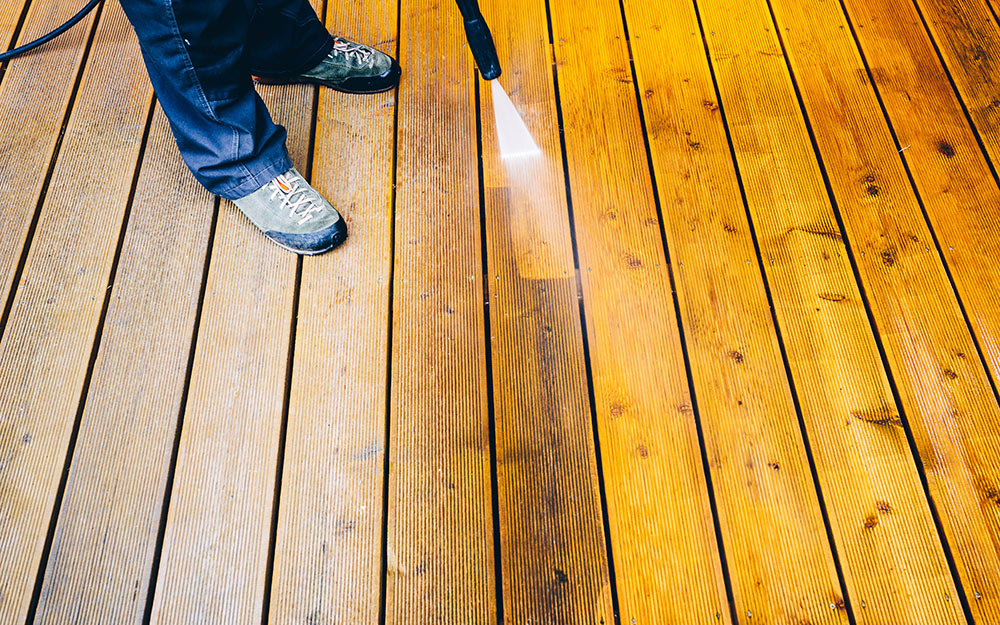
Make sure the wood is clean. Dust and dirt can ruin the stain. Use a brush or cloth to wipe the wood. Check for rough spots. Sand them down. Smooth wood absorbs stain better. Test a small area first. See how the stain looks.
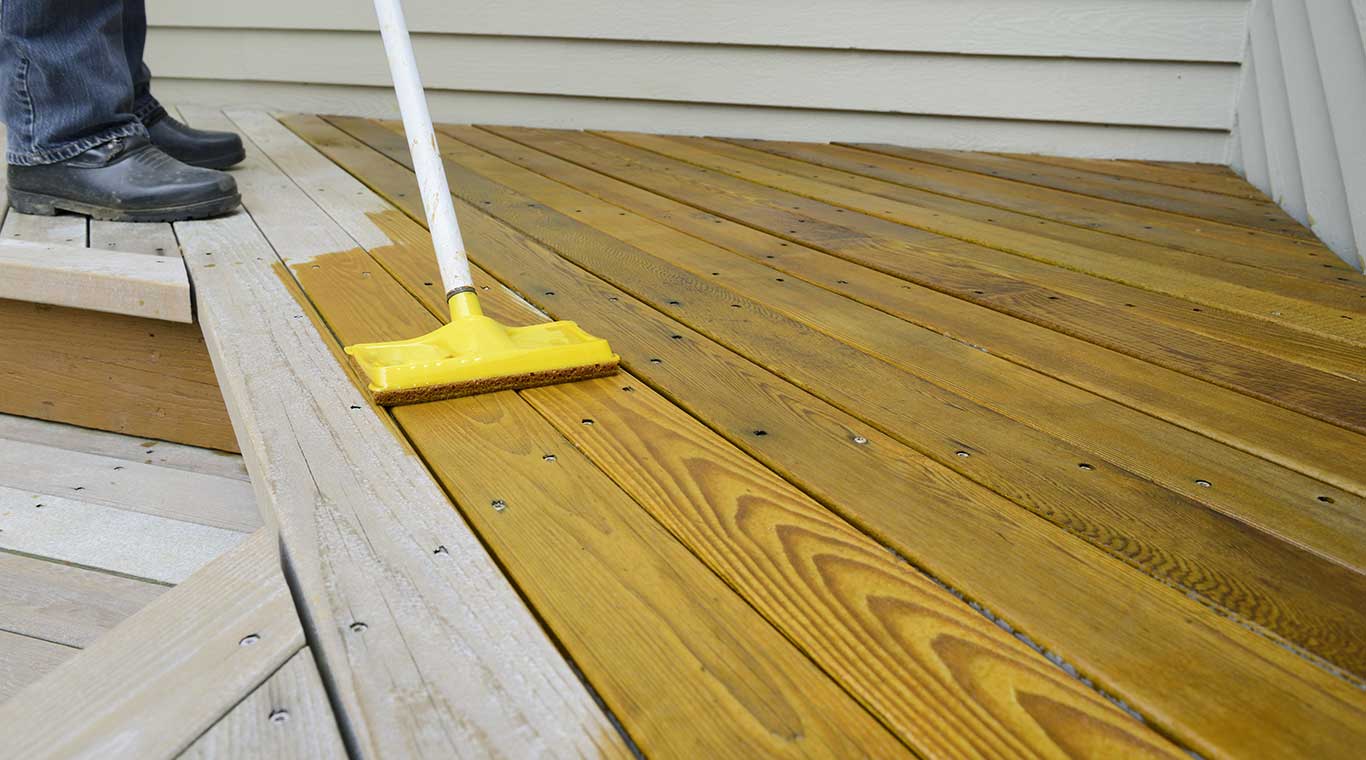
Use a brush or roller to apply stain. Work in small sections. Start at one end. Move towards the other. Apply even layers. Avoid drips and puddles. Let stain dry. Check the weather. Rain can ruin your work. Follow the instructions on the stain can.
Common Mistakes To Avoid
Patience is key when staining wood. Rushing can lead to poor results. Wood needs time to dry. Freshly treated wood is often wet. Staining too soon traps moisture. This can cause damage over time. Always check if the wood is dry before staining.
Weather affects wood staining. Rain can wash away stain. Cold weather makes stain dry poorly. Hot sun can make it dry too fast. Choose a mild day for staining. Avoid windy days. Dust can stick to wet stain. Always check the weather forecast. Plan your work accordingly.
Maintenance After Staining
Staining pressure-treated wood requires patience. Let it dry thoroughly before staining for lasting results. Regular maintenance ensures beauty and protection.
Regular Cleaning
Clean your stained wood regularly. Use a mild soap and water mix. A soft brush can help with dirt. Rinse with clean water. Dirt and grime can damage the stain. Regular cleaning keeps it looking new. Avoid harsh chemicals. They can strip the stain off.
Reapplication Guidelines
Stains wear off over time. Reapply stain every couple of years. It keeps the wood protected. Follow the stain product’s instructions. Make sure the wood is dry. Humidity can affect the stain. Check for any damage before reapplying. Fix any issues first.
Credit: www.yellawood.com
Frequently Asked Questions
What Happens If I Stain Pressure-treated Wood Too Soon?
Staining pressure-treated wood too soon can trap moisture, leading to peeling and uneven color. Ensure wood is dry, typically waiting 6-12 months before staining. Proper timing enhances wood protection and appearance. Check moisture content with a meter for accuracy.
How Long Should Pressure-treated Wood Dry Before Staining?
Pressure-treated wood should dry for at least 2-3 months before staining. Ensure it’s thoroughly dry to avoid peeling. Weather conditions may affect drying time. Test moisture content with a moisture meter for best results. A reading below 15% indicates readiness for staining.
How Do You Know If Pressure-treated Wood Is Ready To Be Stained?
Check if pressure-treated wood is dry by sprinkling water on the surface. It should absorb quickly. Also, ensure the wood doesn’t feel damp. Allow at least 6 weeks after installation before staining, but timing can vary based on weather conditions.
Why Shouldn’t You Stain Pressure-treated Wood?
Staining pressure-treated wood can hinder its ability to dry, trapping moisture inside. This leads to decay and mold growth. Allow the wood to fully dry before staining to avoid these issues. Properly dried wood ensures better stain absorption and prolongs the lifespan of your deck or structure.
Conclusion
Staining pressure treated wood requires patience. Let the wood dry first. This can take weeks or months. Moisture affects stain absorption. Test moisture levels before staining. Use a moisture meter for accuracy. Dry wood ensures even stain application. Protect your wood investment.
Choose the right stain type. Follow the manufacturer’s instructions. This will enhance wood appearance and longevity. Regular maintenance is key. Enjoy your beautifully stained wood, ready for years of use.